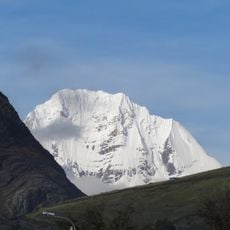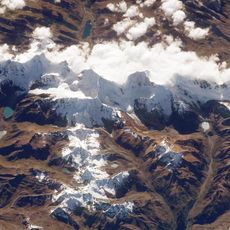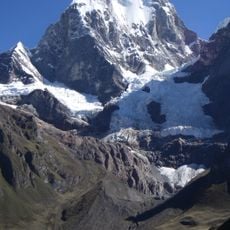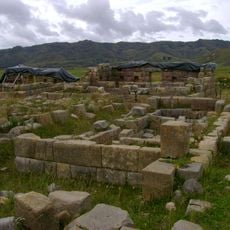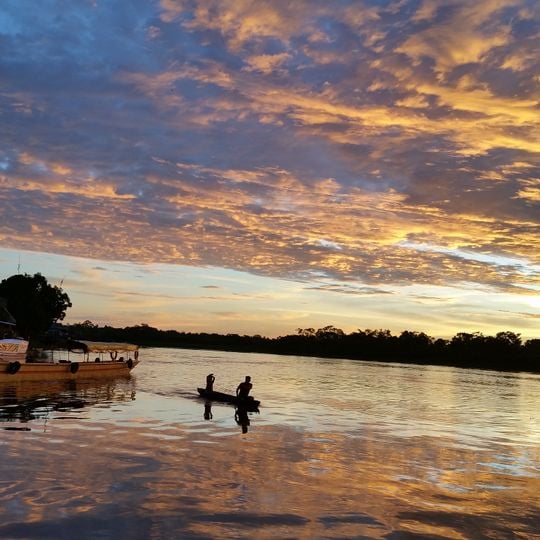
Marañón River, Principal river in central Peru
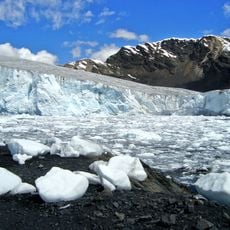
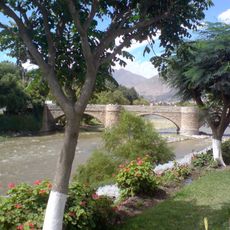
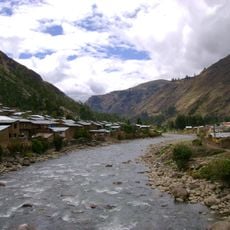
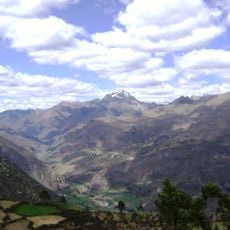
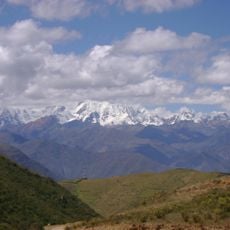
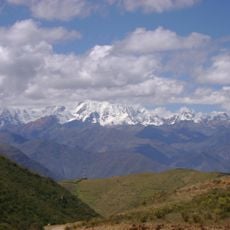
The Marañón River rises in the Andes of central Peru and flows for more than 1 400 kilometers until it meets the Ucayali to form the Amazon. Along its course it passes through deep canyons, wide basins, and dense rainforest, with water that shifts from milky gray to green depending on the season.
Spanish explorers used the river as a water route into the Amazon basin starting in the 18th century, including the expedition led by Charles Marie de La Condamine in 1743. For centuries it served as the main link between the high Andes and the lowlands before roads were built.
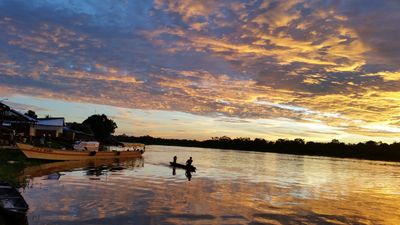
The riverbanks are home to indigenous communities such as the Urarina, Candoshi, and Cocama-Cocamilla, who fish and farm using methods passed down through generations. These groups often live in small settlements accessible by canoe, and their daily routines follow the rhythm of the water.
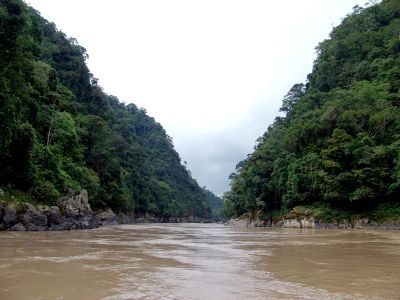
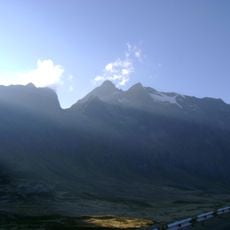
Navigation through the Pongo de Manseriche gorge remains difficult, as the water narrows between rock walls that rise 600 meters (1 970 feet) and creates strong currents. Boat trips are easier in the calmer sections downstream of the gorges, where the water runs wider and slower.
In March 2024, a Peruvian court granted the river legal personhood to protect its ecological flow and water quality. This decision makes it one of the few waterways in the world with its own legal status.
The community of curious travelers
AroundUs brings together thousands of curated places, local tips, and hidden gems, enriched daily by 92,633 contributors worldwide.