Sierras Pampeanas, Mountain range system in central Argentina
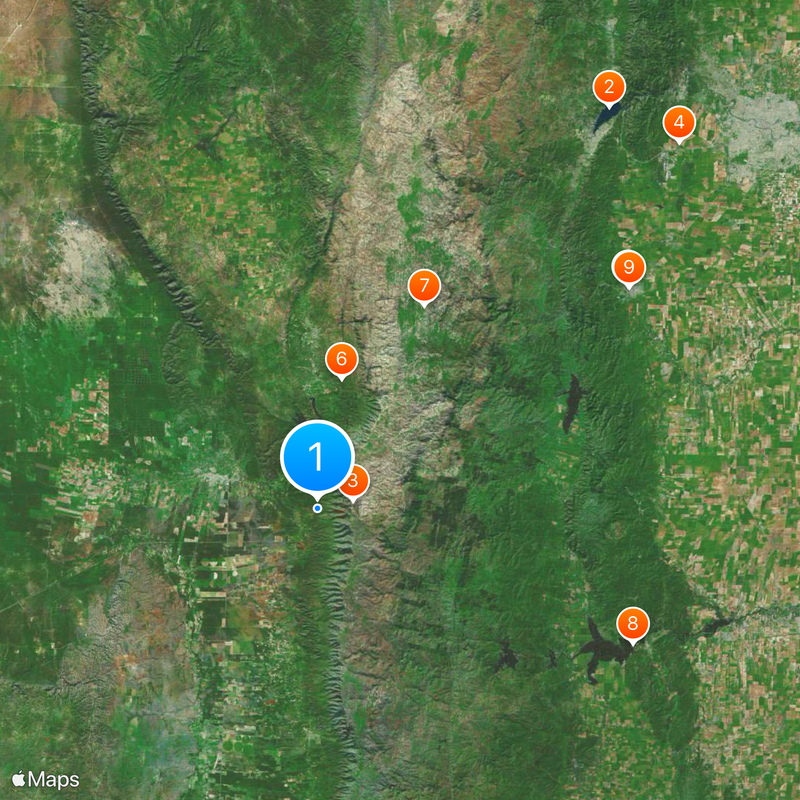
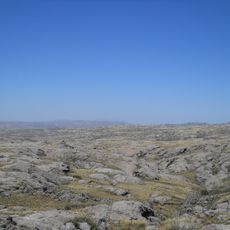
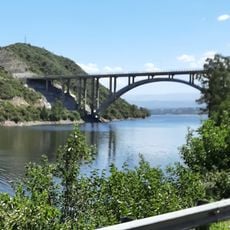
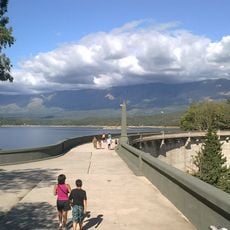
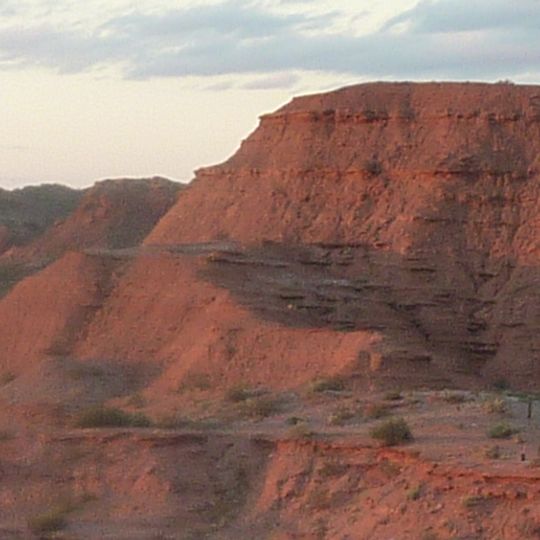
Sierras Pampeanas is a mountain range system spanning seven provinces in central Argentina, marked by sharp peaks rising abruptly from flat lowlands. The highest summits exceed six thousand meters, with Cerro General Belgrano representing the tallest point.
The mountain formations emerged during the Andean orogeny, when tectonic forces folded and lifted the earth's crust. Over millions of years, erosion shaped the ancient mountain structures and transformed parts of the landscape into flatter areas.
Indigenous communities established settlements throughout the region, leaving archaeological evidence of hunting and gathering activities dating back to the Paleolithic period 10,000 years ago.
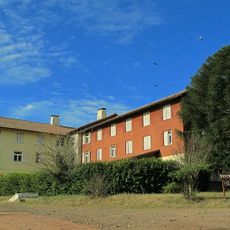
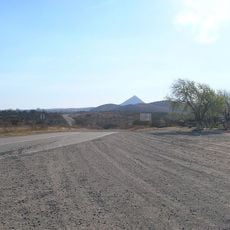
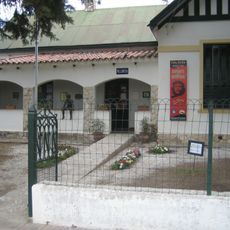
The territory divides into three zones: a dry western section where mining takes place, a central area with agricultural oases, and an eastern section with plentiful water resources. Visitors will encounter different conditions depending on the chosen area, with eastern parts generally easier to reach.
The Salinas Grandes, a vast depression within the mountain chains, holds large salt deposits that have been extracted for a long time. Mining activities yield substantial salt quantities for the Argentine economy and shape the landscape with white flats and water basins.
The community of curious travelers
AroundUs brings together thousands of curated places, local tips, and hidden gems, enriched daily by 92,768 contributors worldwide.