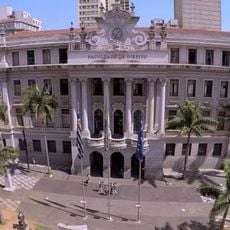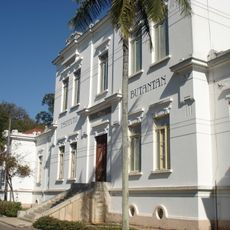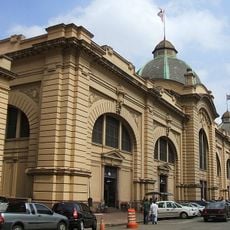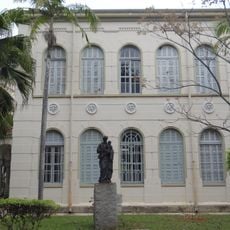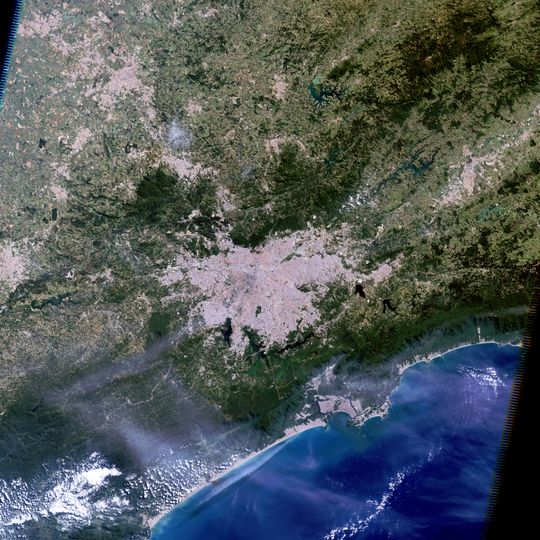
Greater São Paulo, Metropolitan region in São Paulo state, Brazil.
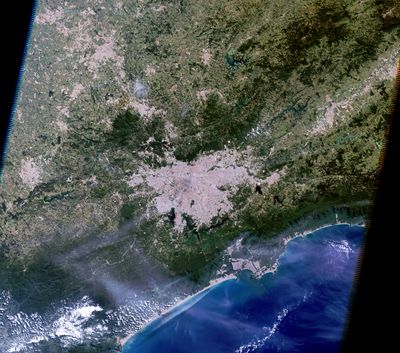
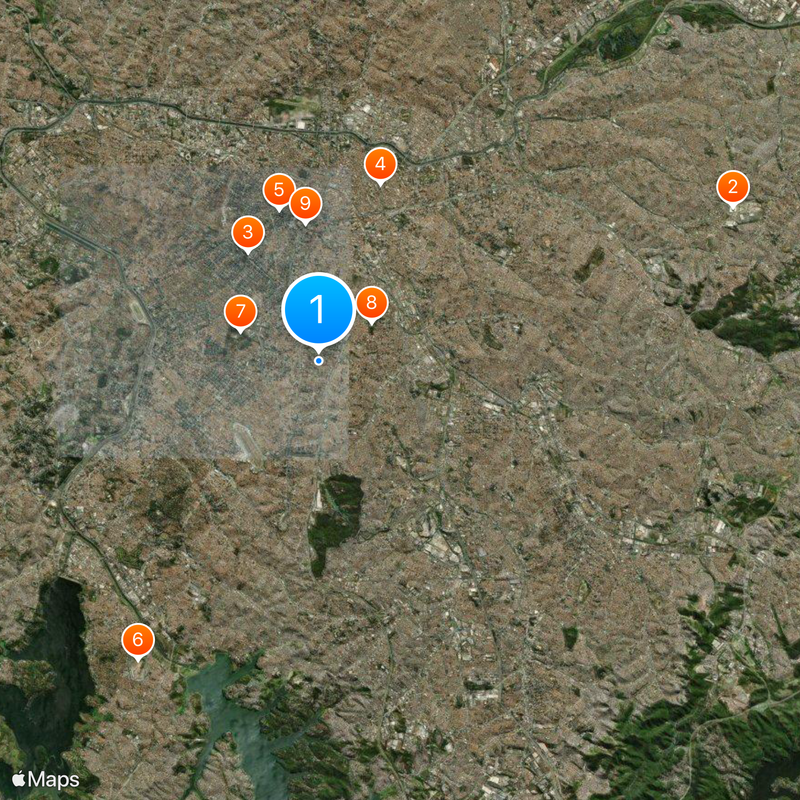
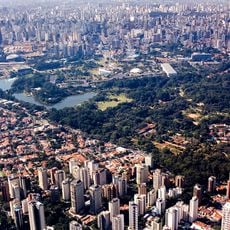
This metropolitan region comprises 39 municipalities surrounding the state capital and spans several climate zones and landscape types. The territory ranges from densely built centers to more rural outskirts with forests and water reservoirs.
The official recognition as a metropolitan area took place in 1973, when federal legislation created a framework for coordinated governance of several neighboring municipalities. This decision followed decades of rapid population growth and industrial expansion throughout the region.
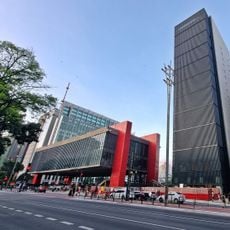
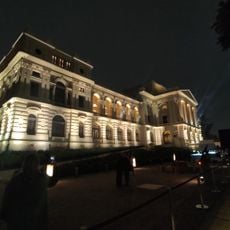
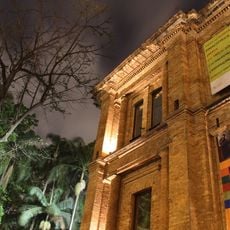
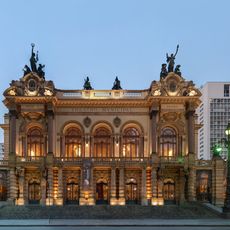
The area is home to dozens of theaters, museums, and concert halls that host performances and exhibitions throughout the year. Many neighborhoods maintain their own traditions, from Japanese festivals in Liberdade to Italian markets in Mooca.
Getting around the region works best through a combination of metro, commuter trains, and buses that link a large number of municipalities together. Peak traffic hours in the morning and evening can extend travel times considerably, so plan for extra time when scheduling.
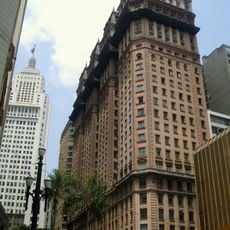
The area contains the world's largest helicopter hub, with hundreds of takeoffs and landings per day on rooftops of high-rise buildings in the city center. This form of air travel developed due to heavy ground traffic and is used by businesspeople for quick connections.
The community of curious travelers
AroundUs brings together thousands of curated places, local tips, and hidden gems, enriched daily by 90,749 contributors worldwide.