East African montane forests, WWF ecoregion in East Africa, Kenya.
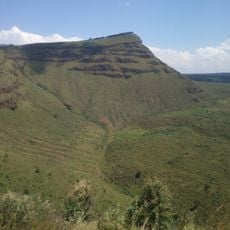
The East African montane forests spread across elevated terrain with plant communities that shift dramatically depending on altitude. The landscape ranges from about 1000 to 3500 meters in height, creating distinct ecological zones where different species thrive.
These forests took shape through volcanic activity over the past two million years, creating the varied terrain we see today. The geological processes built the elevation differences that allowed diverse ecosystems to develop.
Local communities here have long depended on these forests for medicinal plants and traditional resource use. As you walk through the region, you can observe how people continue to gather plants and manage the land in ways passed down through generations.
Access to these forests often requires permits and local guidance to navigate safely and responsibly. Temperatures change significantly with elevation, so dressing in layers and preparing for sudden weather shifts is essential.
Eight bird species found nowhere else on Earth make their home in these forests, including the Aberdare cisticola. The high altitude and geographic isolation have shaped evolution in ways that created these one-of-a-kind inhabitants.
The community of curious travelers
AroundUs brings together thousands of curated places, local tips, and hidden gems, enriched daily by 91,161 contributors worldwide.