Cipari Megalithic Site, Megalithic site in Cigugur, Indonesia
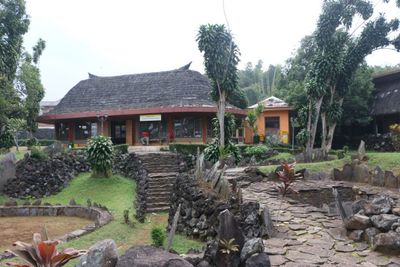
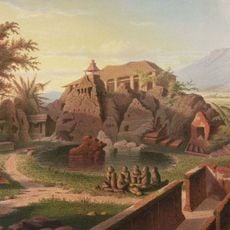
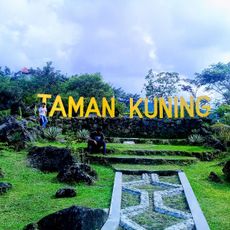
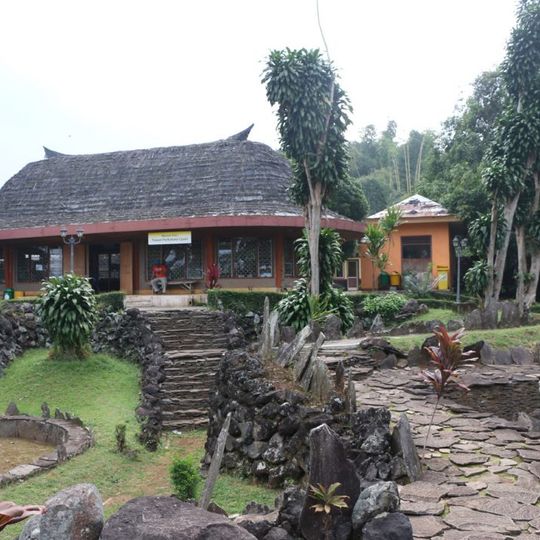
Cipari is an archaeological park at 661 meters elevation with standing stones, grave chambers, and dolmens arranged in organized patterns across the landscape. An on-site museum displays stone tools, jewelry, pottery, and three stone burial tombs that document early settlement in the region.
A stone burial chamber found at Cipari in 1972 first revealed the site. Systematic excavations led by Teguh Asmar from 1975 uncovered kitchen tools, pottery, bronze objects and building foundations. Analysis of the finds indicates two settlement phases, the late Neolithic and the early bronze period, roughly 1000 to 500 BCE.
The megalithic tradition at Cipari rested on ancestor worship: large stones were raised as monuments that served as seats for the dead, as media of homage and as symbols of the deceased. Building them was the climax of feasts and ceremonies, believed to secure prosperity for the living, their livestock and their fields, and a better fate after death.
The site is easy to walk around and clearly laid out, so visitors can explore the different structures and museum without difficulty. Guided tours are available and explain what the artifacts and burial structures mean.
Excavations led by Teguh Asmar from 1975 uncovered kitchen tools, pottery, bronze objects and building foundations, showing the site was a settled village rather than only a burial ground. The museum now offers an AR CIPARI app that overlays 3D models of finds such as the cup, jambaran, kendi and kekeb on markers.
The community of curious travelers
AroundUs brings together thousands of curated places, local tips, and hidden gems, enriched daily by 94,794 contributors worldwide.