Kaiser-Wilhelmsland, Former German colonial territory in northeastern New Guinea, Papua New Guinea.
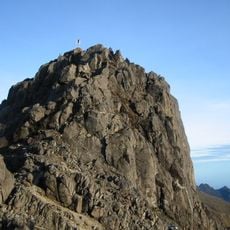
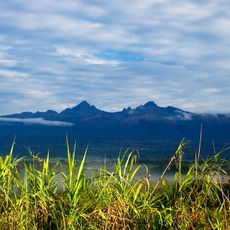
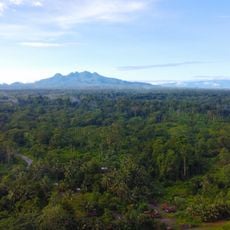
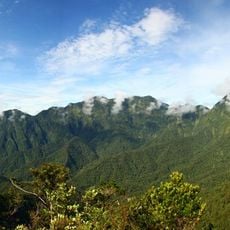
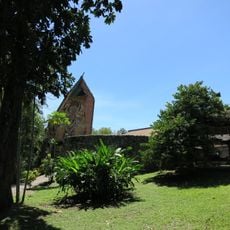
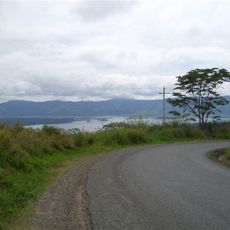
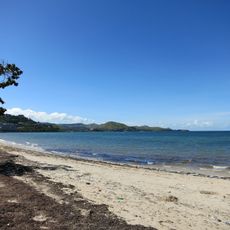
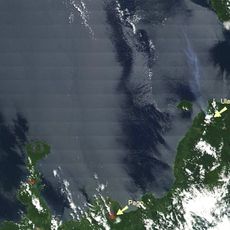
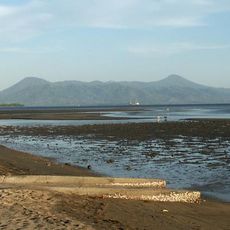
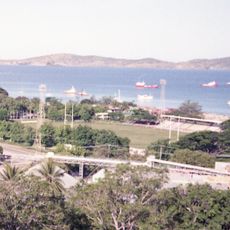
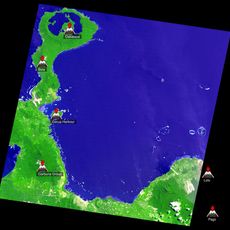
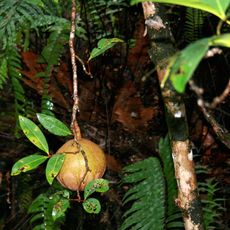
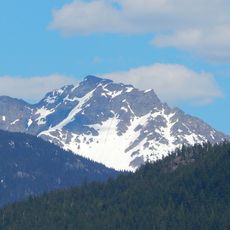
Kaiser-Wilhelmsland is a former German colonial territory in northeastern New Guinea, characterized by mountainous terrain with high peaks and a coastline along the Bismarck Sea. The landscape is shaped by dense forests and numerous river systems that flow through the region.
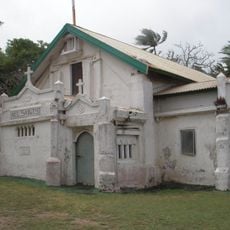
Germany claimed this territory in 1884 and named it after Emperor Wilhelm I, establishing colonial administration that lasted over three decades. Australian forces took control in 1914 during World War I, ending the German colonial period.
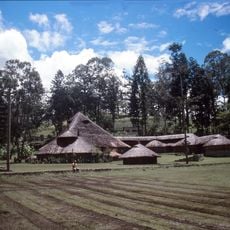
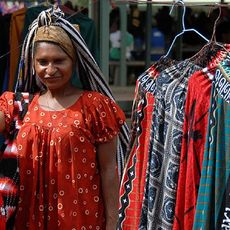
The indigenous Melanesian communities practice customs and languages passed down through generations, visible in daily village life and social gatherings. These traditions shape how people relate to their environment and to each other.
Reaching the territory requires flights from main centers to local airstrips, as road infrastructure is limited throughout the region. Visitors should be prepared for difficult terrain and arrange local guides to navigate safely.
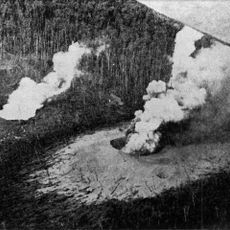
Volcanic formations in the region created exceptionally fertile soil that supports specific agricultural practices found nowhere else in the area. This geological advantage has shaped farming methods distinct to this landscape for generations.
The community of curious travelers
AroundUs brings together thousands of curated places, local tips, and hidden gems, enriched daily by 90,803 contributors worldwide.