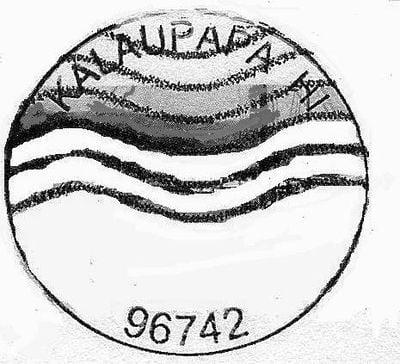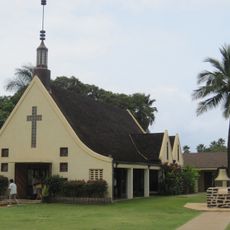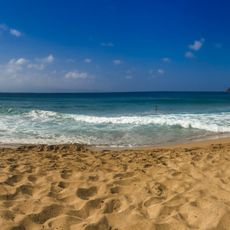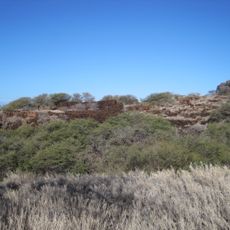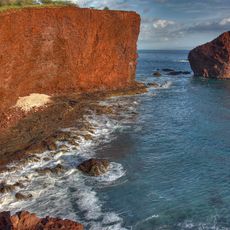
Kalaupapa, Former leprosy settlement on Molokai Island, United States.
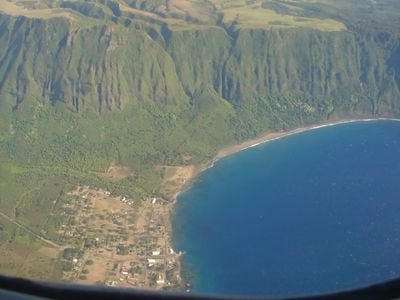
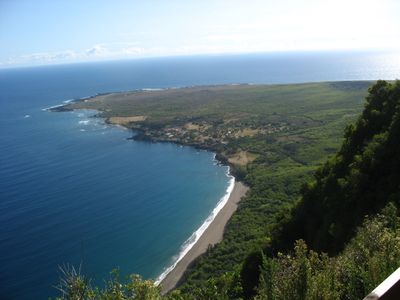
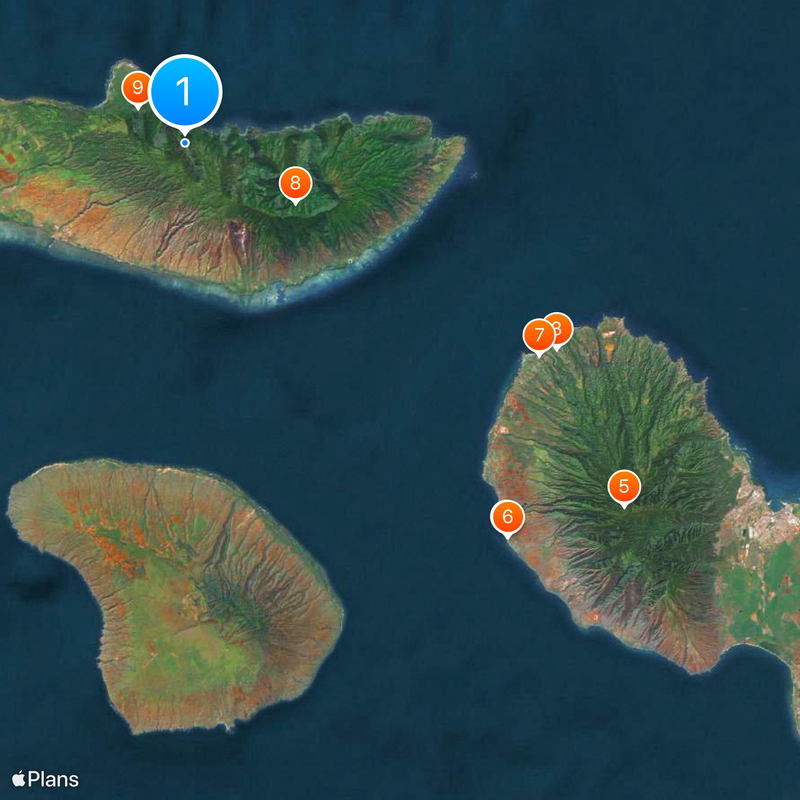
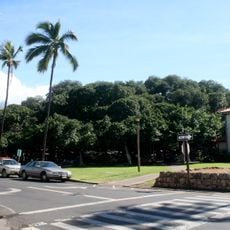
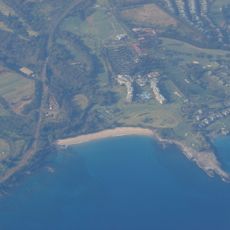
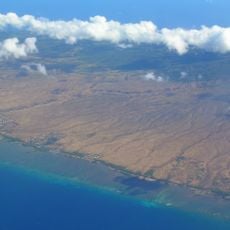
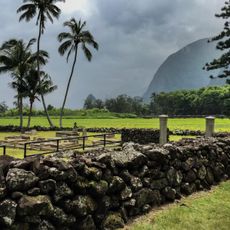
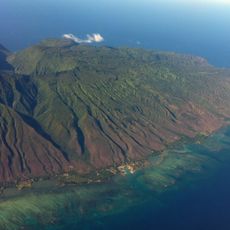
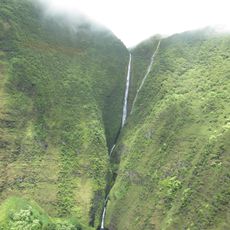
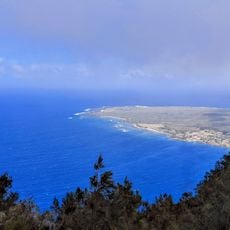
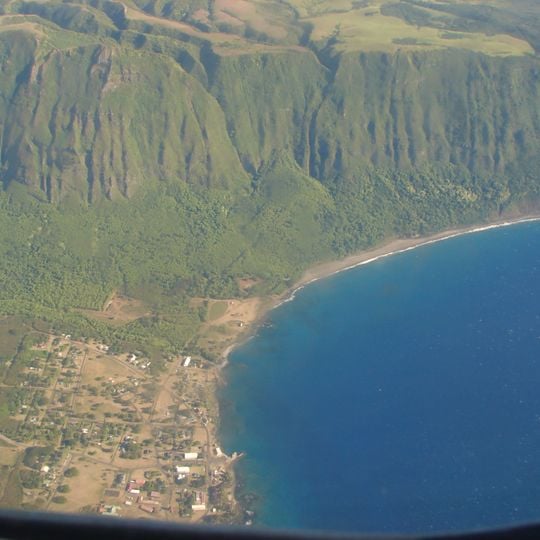
Kalaupapa is a former leprosy settlement on the peninsula at the northern edge of Molokaʻi Island in Hawaii, United States. The peninsula stretches into the ocean and is separated from the rest of the island by steep cliffs rising about 2,000 feet (600 meters).
The Hawaii Board of Health began forcibly relocating people with leprosy to this remote peninsula in 1866. The quarantine policy lasted over a century and affected thousands of patients, until the last compulsory isolation laws were lifted in the 1960s.
The settlement is managed by a small group of residents who were once patients here and chose to remain. Visitors may enter only with permission and must respect the privacy of the remaining community.
Access requires advance permission from the authorities and a guided tour, as the area remains protected. The only land route is a steep trail with 26 switchbacks or a small airstrip with limited connections.
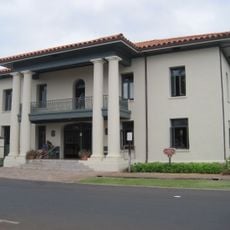
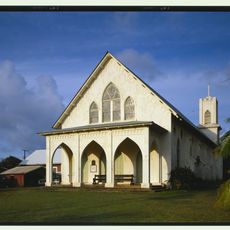
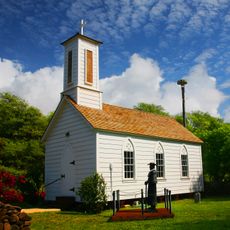
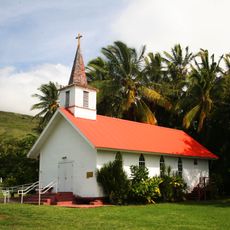
Some of the original hospital buildings and residences still stand today and show traces of the former medical infrastructure. The area was designated a National Historical Park in the 1980s to preserve the story of its inhabitants.
Location: Kalawao County
Inception: 1866
GPS coordinates: 21.15250,-156.92389
Latest update: December 5, 2025 16:34
Cliffs rank among Earth's most striking geological formations, ranging from coastal precipices to inland mountain faces. Along oceans, they shape coastlines for thousands of miles, while in mountain regions they form vertical walls that draw climbers from around the world. This collection documents significant cliffs across six continents, including Ireland's 214-meter (702-foot) Cliffs of Moher, England's white chalk cliffs at Dover, and Norway's Preikestolen, which rises 604 meters (1,982 feet) above Lysefjord. Among the locations are some of Earth's highest vertical walls. Hawaii's Kalaupapa Cliffs on Molokai reach 1,010 meters (3,315 feet), while Pakistan's Trango Towers rise above 6,000 meters (19,685 feet) with nearly vertical rock faces. Coastal formations like Normandy's Étretat cliffs, Ireland's Slieve League, and Australia's Bunda Cliffs along the Nullarbor Plain demonstrate the power of marine erosion. Inland, formations such as California's El Capitan, China's Zhangjiajie National Forest Park towers, and South Africa's Table Mountain create distinctive landscape features shaped by different geological processes over millions of years.
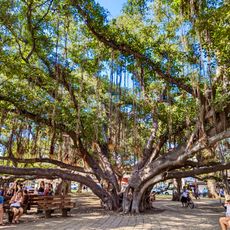
Banyan tree in Lahaina
40.4 km
Sentry Tournament of Champions
33.7 km
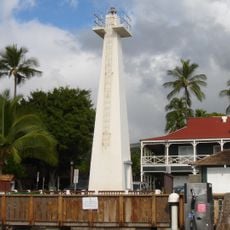
Lahaina Lighthouse
40.3 km
West Maui Mountains
45.2 km
Lahaina Banyan Court Park
40.4 km
Kapalua Resort
32.7 km
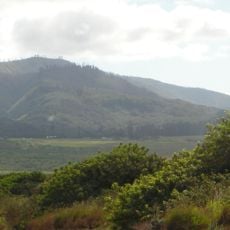
East Molokai Volcano
9.9 km
Kalaupapa Leprosy Settlement and National Historical Park
4.7 km
Kamakou
7.7 km
Puu Kukui
45.6 km
Kauhakō Crater
5.9 km
Hawaiian Islands Humpback Whale National Marine Sanctuary
28.9 km
Oloʻupena Falls
6.8 km
Mokuʻula
40.3 km
Lahaina Historic District
40.2 km
D.T. Fleming Beach
32.8 km
Waiola Church
40.9 km
Slaughterhouse Beach
33.2 km
Kaunolu Village Site
46.7 km
Pu'upehe Platform
46.7 km
Lānaihale
38.2 km
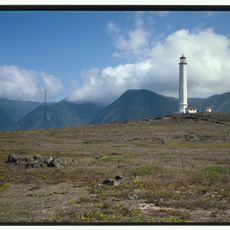
Moloka'i Light
7.9 km
Waihee Church
48.9 km
Kaulaupapa Lookout
8.9 km
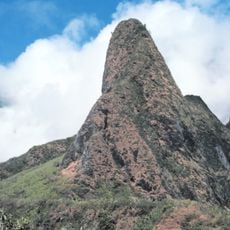
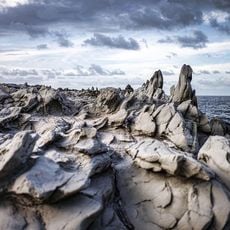
Dragon's Teeth, Maui
32.2 km
St. Joseph's Church Kamalo, Hawaii
12.3 km
St. Francis Catholic Church
7.5 km
Our Lady of Seven Sorrows Catholic Church
14.5 kmReviews
Visited this place? Tap the stars to rate it and share your experience / photos with the community! Try now! You can cancel it anytime.
Discover hidden gems everywhere you go!
From secret cafés to breathtaking viewpoints, skip the crowded tourist spots and find places that match your style. Our app makes it easy with voice search, smart filtering, route optimization, and insider tips from travelers worldwide. Download now for the complete mobile experience.
A unique approach to discovering new places❞
— Le Figaro
All the places worth exploring❞
— France Info
A tailor-made excursion in just a few clicks❞
— 20 Minutes