Cliffs rank among Earth's most striking geological formations, ranging from coastal precipices to inland mountain faces. Along oceans, they shape coastlines for thousands of miles, while in mountain regions they form vertical walls that draw climbers from around the world. This collection documents significant cliffs across six continents, including Ireland's 214-meter (702-foot) Cliffs of Moher, England's white chalk cliffs at Dover, and Norway's Preikestolen, which rises 604 meters (1,982 feet) above Lysefjord.
Among the locations are some of Earth's highest vertical walls. Hawaii's Kalaupapa Cliffs on Molokai reach 1,010 meters (3,315 feet), while Pakistan's Trango Towers rise above 6,000 meters (19,685 feet) with nearly vertical rock faces. Coastal formations like Normandy's Étretat cliffs, Ireland's Slieve League, and Australia's Bunda Cliffs along the Nullarbor Plain demonstrate the power of marine erosion. Inland, formations such as California's El Capitan, China's Zhangjiajie National Forest Park towers, and South Africa's Table Mountain create distinctive landscape features shaped by different geological processes over millions of years.
Cliffs rank among Earth's most striking geological formations, ranging from coastal precipices to inland mountain faces. Along oceans, they shape coastlines for thousands of miles, while in mountain regions they form vertical walls that draw climbers from around the world. This collection documents significant cliffs across six continents, including Ireland's 214-meter (702-foot) Cliffs of Moher, England's white chalk cliffs at Dover, and Norway's Preikestolen, which rises 604 meters (1,982 feet) above Lysefjord.
Among the locations are some of Earth's highest vertical walls. Hawaii's Kalaupapa Cliffs on Molokai reach 1,010 meters (3,315 feet), while Pakistan's Trango Towers rise above 6,000 meters (19,685 feet) with nearly vertical rock faces. Coastal formations like Normandy's Étretat cliffs, Ireland's Slieve League, and Australia's Bunda Cliffs along the Nullarbor Plain demonstrate the power of marine erosion. Inland, formations such as California's El Capitan, China's Zhangjiajie National Forest Park towers, and South Africa's Table Mountain create distinctive landscape features shaped by different geological processes over millions of years.
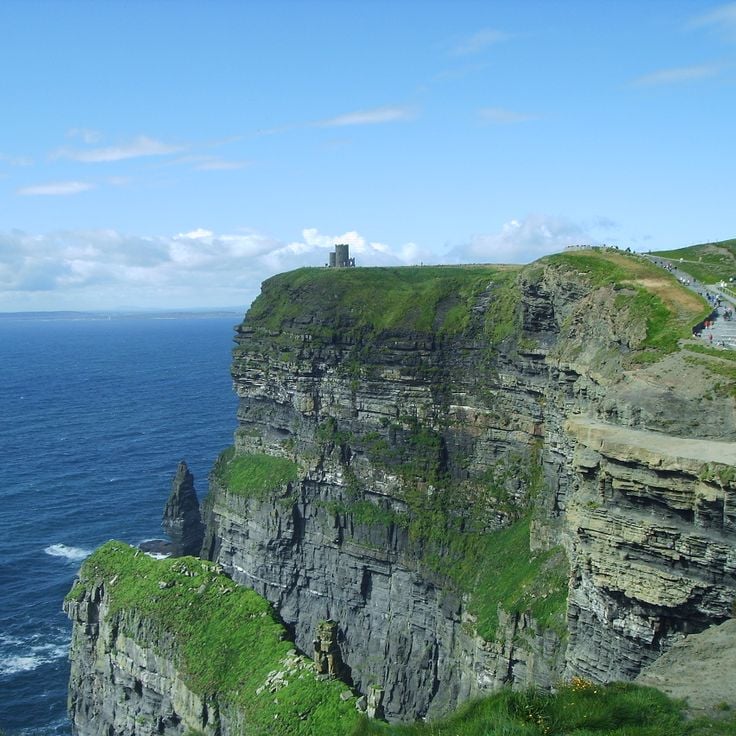
These cliffs rise 214 meters (702 feet) above the Atlantic and extend for 14 kilometers (9 miles) along Ireland's western coast. The Cliffs of Moher represent one of Europe's most recognizable coastal formations, offering views of the Aran Islands and Galway Bay. The visitor center sits below ground level, integrated into the landscape, and marked paths run along the cliff edge. Strong winds require caution, particularly near the barriers.
These cliffs rise 110 meters (360 feet) above the English Channel and extend for 13 kilometers (8 miles) along the coast of Kent. The limestone formations have marked England's southern edge for travelers arriving from continental Europe for centuries. The white chalk faces formed approximately 90 million years ago from compressed shells of marine organisms. They represent part of a geological formation stretching from Normandy to the Danish island of Møn, making them a significant example of the coastal cliff systems featured in this collection.
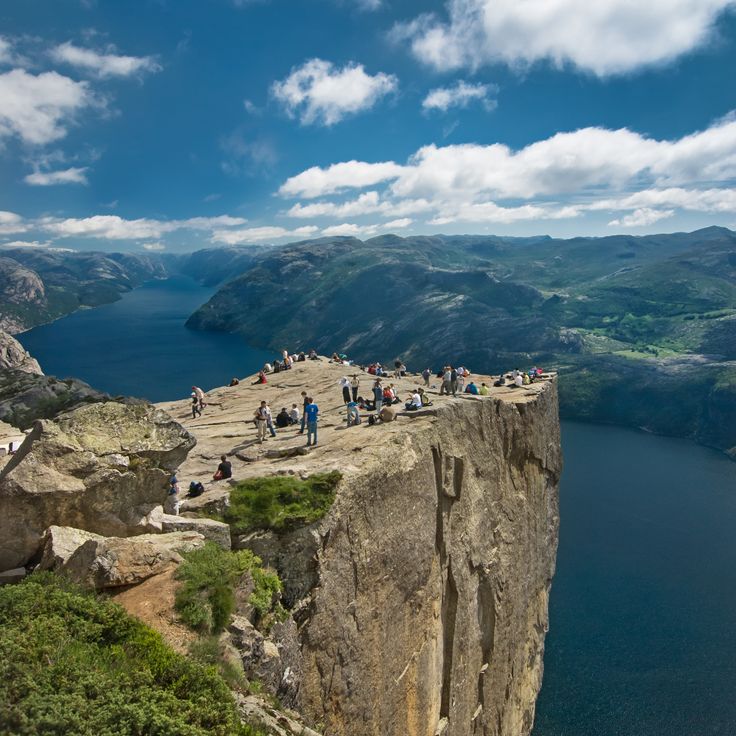
This granite formation rises 604 meters (1,982 feet) above Lysefjord and provides a flat platform roughly 25 meters (82 feet) wide, from which visitors can view the fjord landscape below. Preikestolen ranks among Norway's most notable vertical natural formations and draws thousands of hikers annually who complete the several-hour ascent to reach the exposed position above the water.
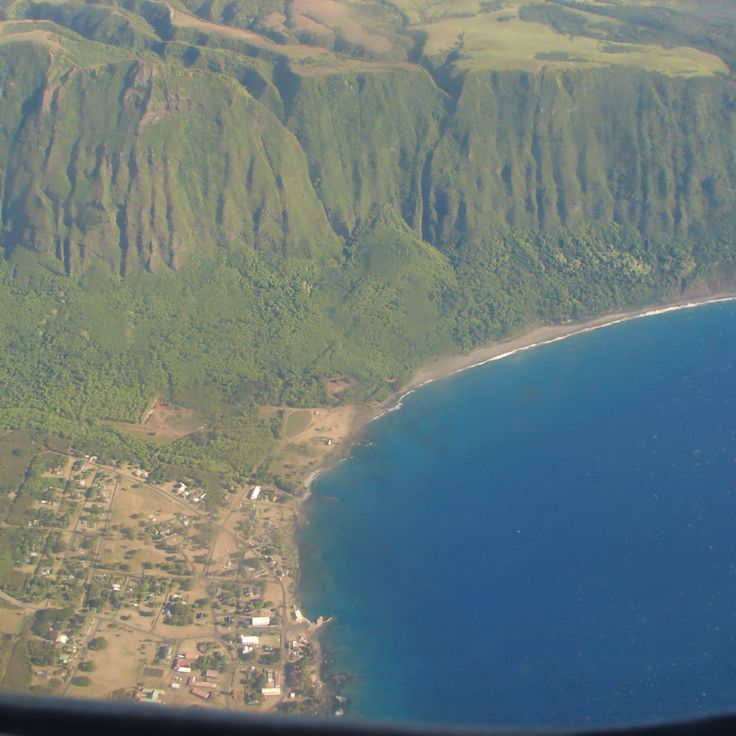
These coastal walls on Molokai's northern shore rise over 3,000 feet (910 meters) directly from the Pacific Ocean and rank among the world's highest sea cliffs. The Kalaupapa Cliffs form a natural barrier between the ocean and the peninsula above, which served as a quarantine settlement for leprosy patients in the 19th century. The nearly vertical rock faces extend for several miles along the north coast and display the island's volcanic origins through their dark basalt layers. Visitors typically view these formations from the air or from the Pacific, as the cliffs remain inaccessible to hikers.
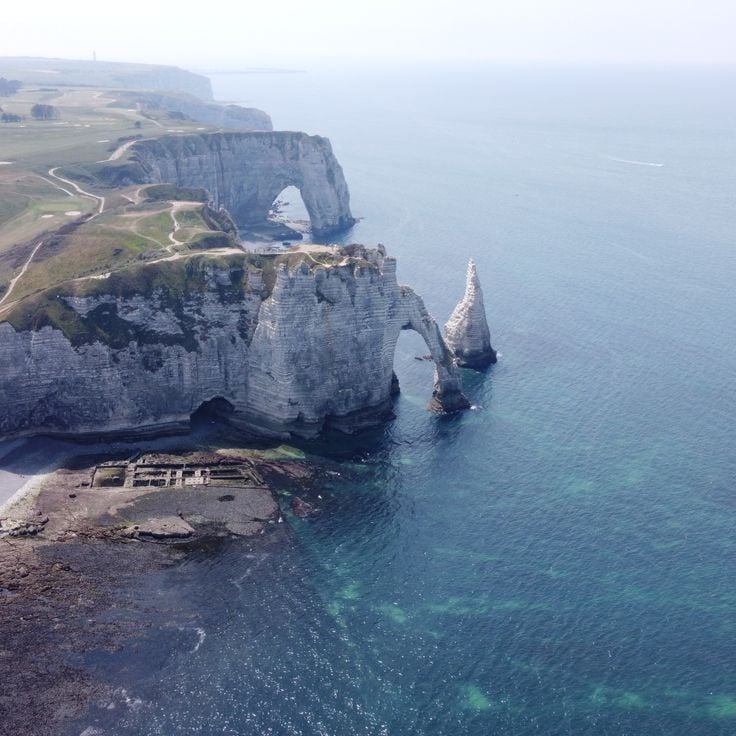
These cliffs form three distinct limestone arches rising 295 feet (90 meters) above the Atlantic and rank among France's most recognizable coastal formations. The white rock faces have been shaped by millennia of erosion and define the Normandy coastline with their natural archways and freestanding rock pinnacles.
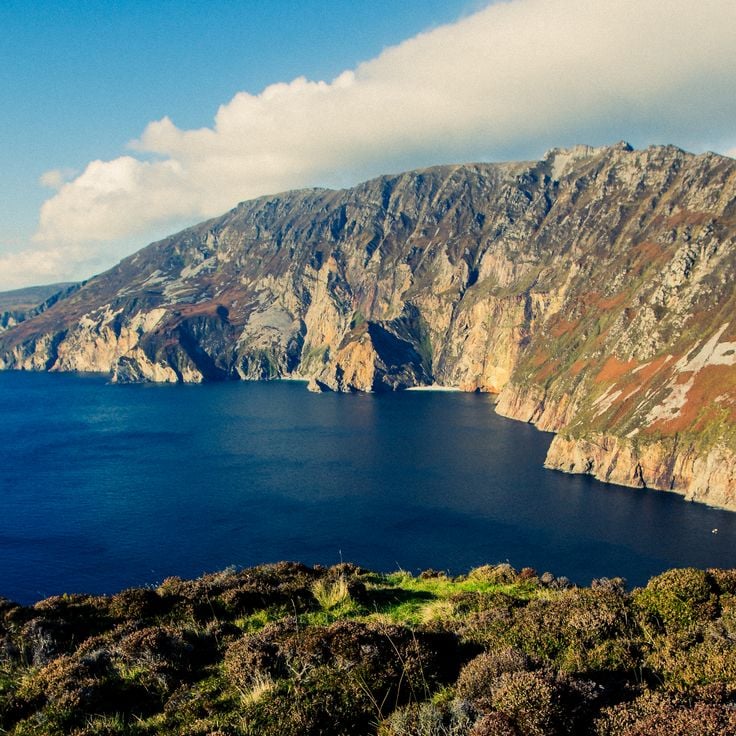
These cliffs drop 601 meters (1,972 feet) almost vertically into the Atlantic and rank among Europe's highest sea cliffs. Slieve League is accessed through hiking trails that bring visitors to various viewpoints along the precipice. The formation consists of Precambrian rock and clearly demonstrates the erosive forces that have shaped Ireland's western coastline over millions of years. Unlike more heavily visited cliffs in Ireland, this site often offers quieter conditions for observing the Atlantic coastal landscape.
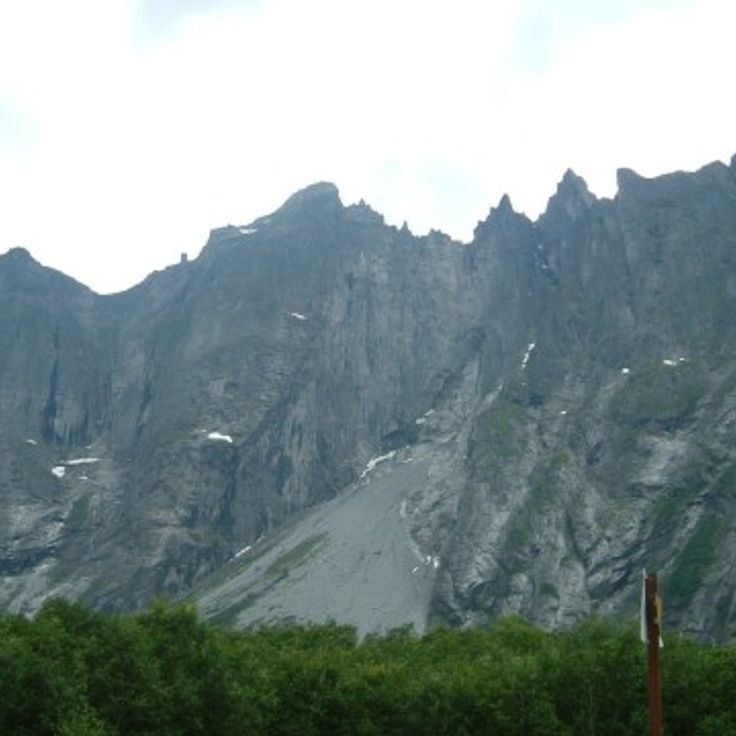
This vertical rock face in the Norwegian Alps rises to 1100 meters and ranks among the highest of its kind in Europe. Troll Wall has drawn extreme climbers from around the world for decades, who attempt its demanding granite routes. The wall forms part of the Romsdalshorn massif and towers more than 1000 meters above the Romsdal valley below. First ascents took place in the 1960s, and the site has since served as a proving ground for technically skilled mountaineers.
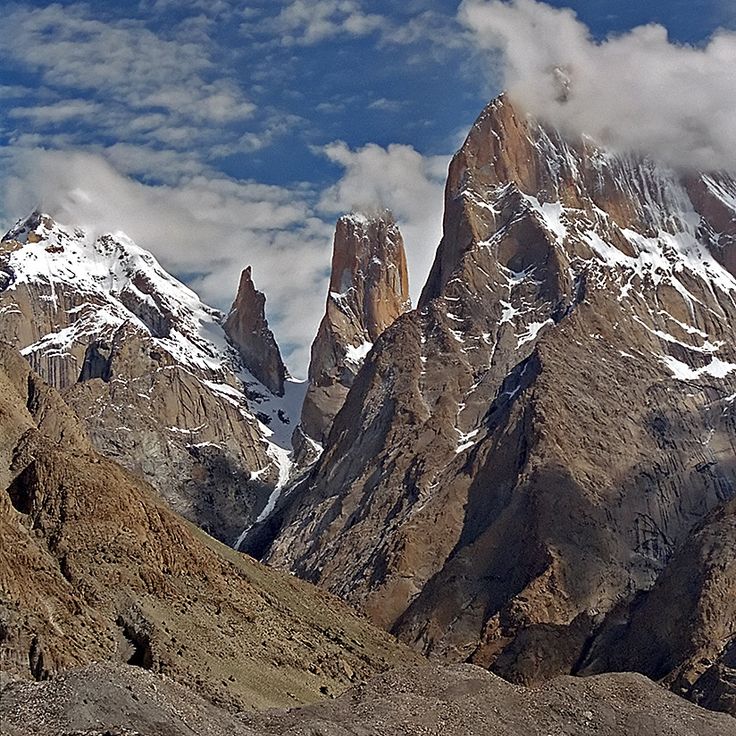
The Trango Towers are granite peaks in the Karakoram range rising above 20,000 feet (6,000 meters) with rock walls exceeding 3,300 feet (1,000 meters) in height. These peaks rank among the tallest vertical cliff formations on Earth and represent one of the most notable vertical landscapes worldwide. The towers attract mountaineers and climbers from around the globe who attempt technically demanding routes through granite and ice.
The Bunda Cliffs stretch for 200 kilometers along the southern Australian coast, where vertical limestone walls rise up to 295 feet (90 meters) from the Great Australian Bight. These cliffs mark the southern edge of the Nullarbor Plain and rank among the longest unbroken coastal cliffs worldwide. The formation developed through geological uplift and erosion over millions of years. Viewpoints along the Eyre Highway between Ceduna and Norseman provide direct access to several locations where the limestone layers and spray from the waves breaking below are visible.
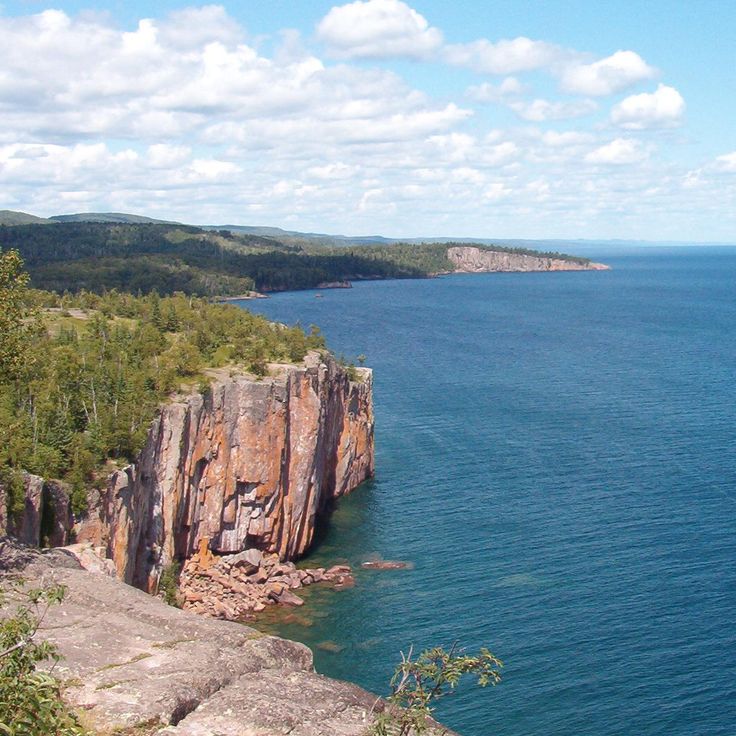
These red volcanic rock cliffs rise 200 feet (61 meters) straight above Lake Superior, offering unobstructed views across the expanse of this Great Lake. Palisade Head stands among the notable vertical coastal formations of North America, part of a worldwide collection spanning from Ireland's Atlantic cliffs to China's vertical peaks. The exposed rock formations resulted from volcanic activity and have shaped the shoreline of the continent's largest freshwater lake for thousands of years.
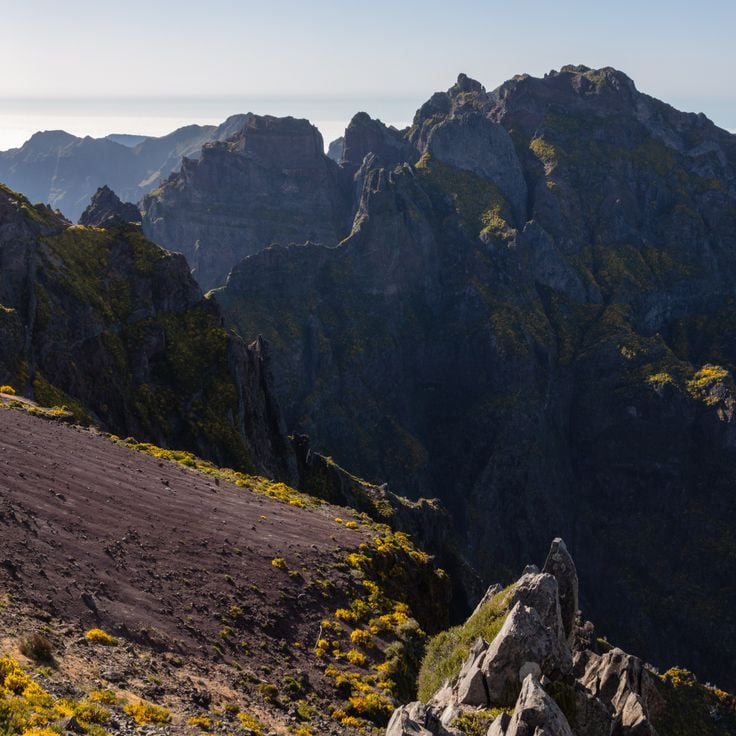
This summit stands at 5,964 feet (1,818 meters) and offers views of steep rock walls and the central mountain massif of Madeira, making Pico do Arieiro one of the notable vertical landscapes in this collection of coastal and mountain cliffs worldwide.
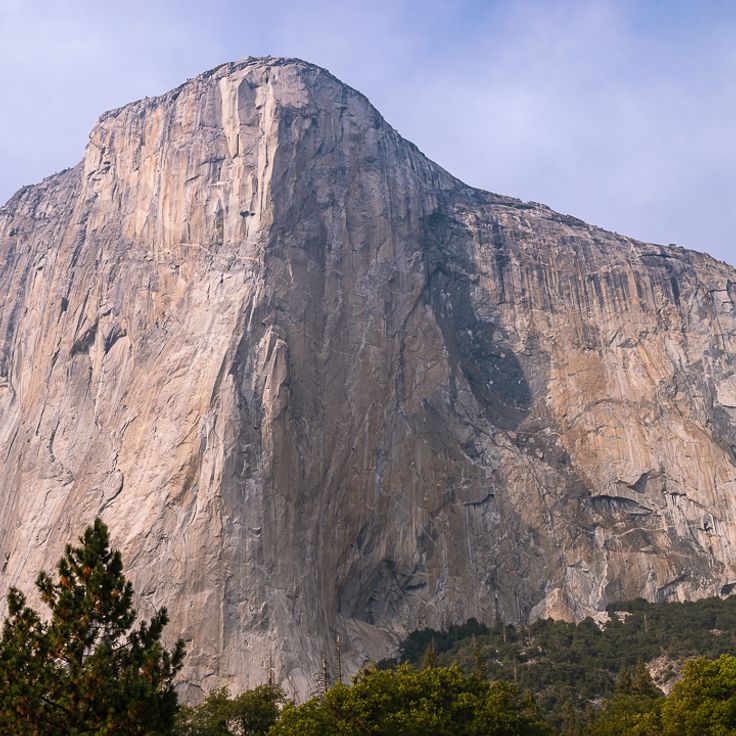
This granite monolith in Yosemite Valley rises 3,000 feet (914 meters) vertically from the valley floor and ranks among North America's most significant vertical rock formations. El Capitan draws climbers from around the world who tackle its various routes including The Nose and Salathé Wall. The massive rock face formed approximately 100 million years ago and was exposed through glacial erosion. Beyond climbers, thousands of visitors arrive daily to observe the wall from the valley floor.
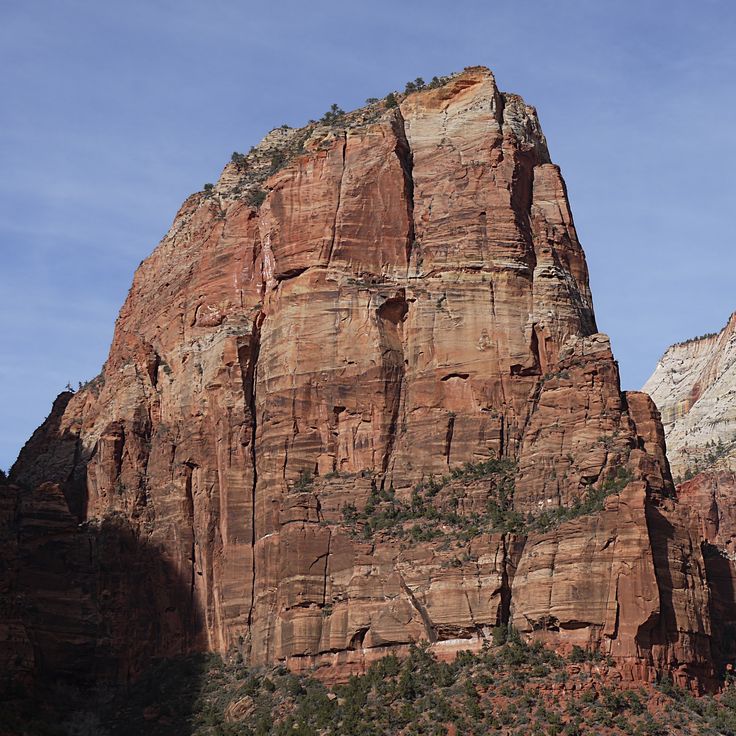
This 1,488-foot (454-meter) red sandstone promontory rises above the floor of Zion National Park's valley, drawing hikers to a narrow ridge that threads between steep drop-offs. The ascent through Walter's Wiggles switchbacks leads to exposed terrain where chains bolted into rock provide handholds. The formation ranks among the most recognized climbing objectives in the American Southwest, offering views of the Virgin River winding through the canyon 1,500 feet (457 meters) below.
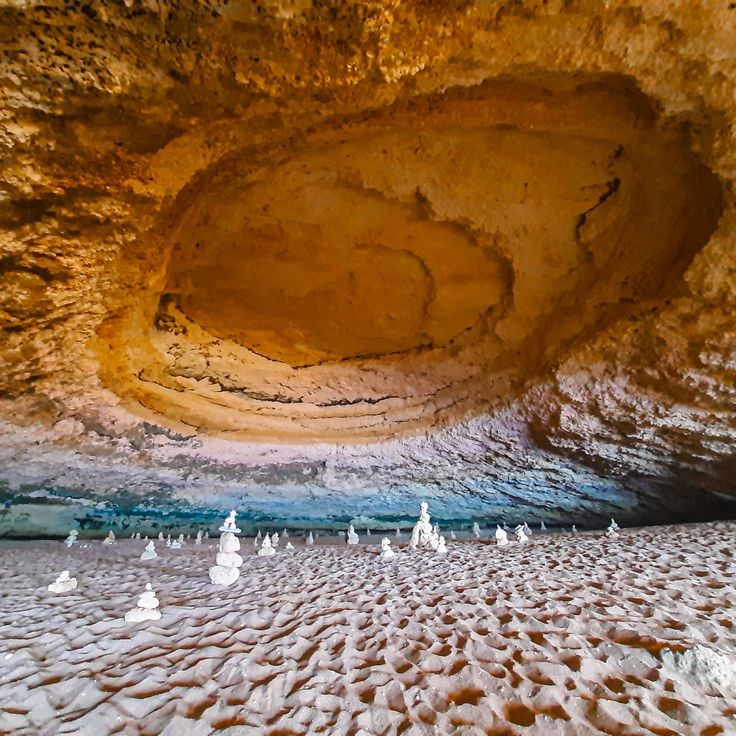
This sea cave along the Algarve coast was carved into the limestone cliffs through thousands of years of wave erosion, marking one of Portugal's notable vertical coastal formations. The cavity features a circular ceiling opening that allows daylight to illuminate the sandy interior floor. The cave is accessible only from the water and sits within the Algarve's coastal waters, which have carved distinctive wave-cut patterns into the soft sedimentary rock.
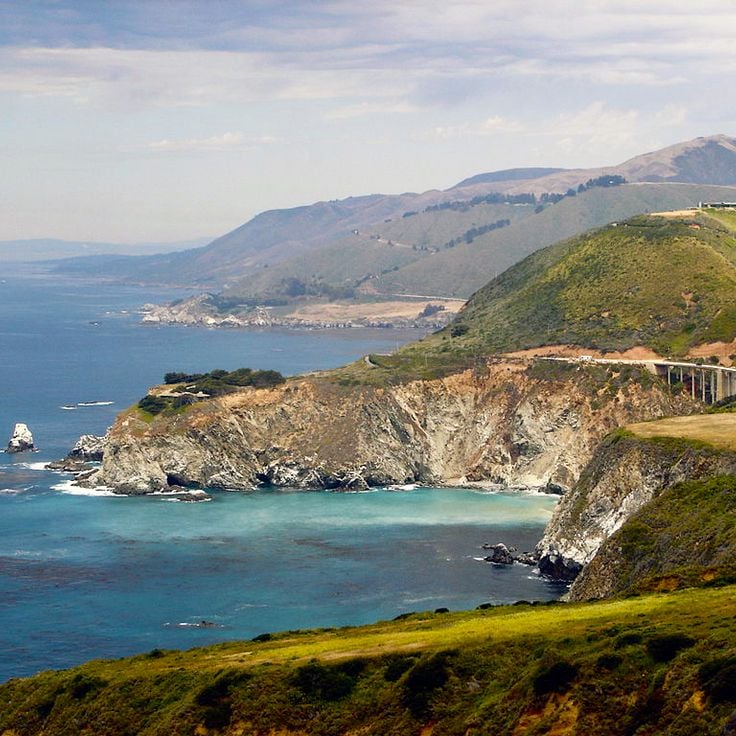
This coastal stretch extends 90 miles (145 kilometers) between Monterey and San Luis Obispo, displaying granite cliffs that drop several hundred feet to the Pacific. The Pacific Coast Highway winds through redwood forests and connects numerous viewpoints along the California coastline. Big Sur ranks among North America's notable vertical coastal sections, demonstrating the meeting of coastal mountains and open ocean.
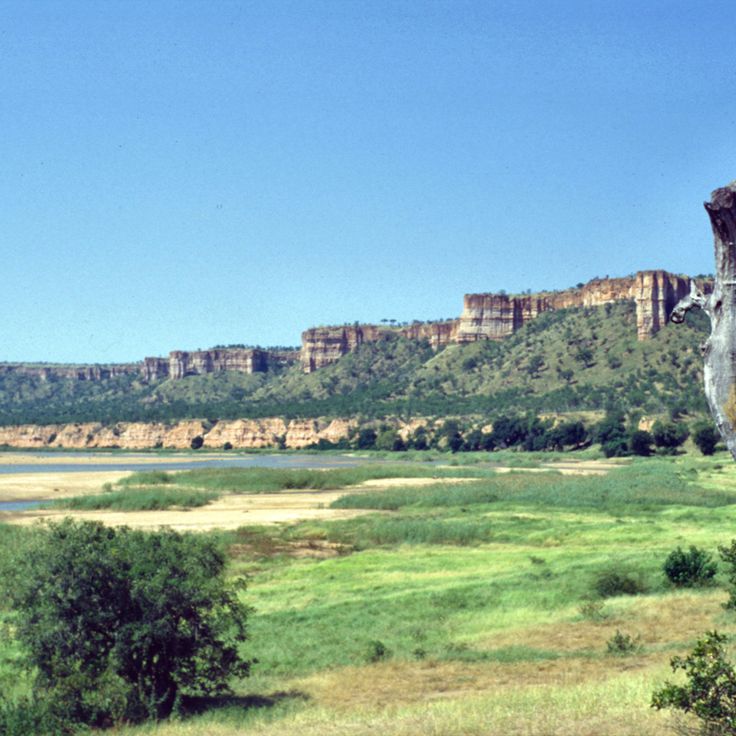
These red sandstone cliffs rise 590 feet (180 meters) above the Runde River valley in southern Zimbabwe and rank among the notable vertical formations that comprise this collection of coastal and mountain cliffs worldwide. The sandstone displays intense red coloring that contrasts with the vegetation of Gonarezhou National Park.
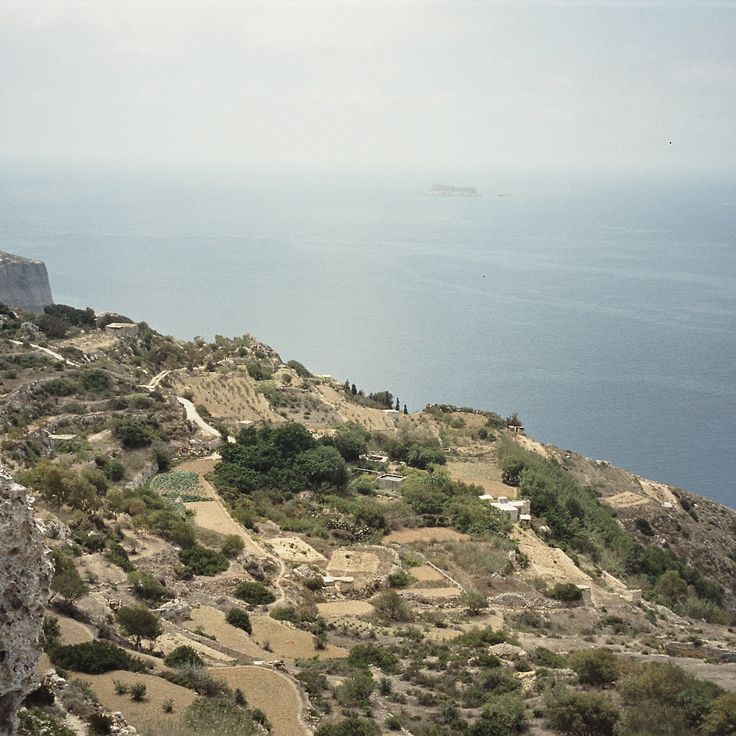
These cliffs rise 250 meters (820 feet) above the Mediterranean Sea and display clearly defined geological layers along Malta's western coast. The Dingli Cliffs form the highest elevation in Malta and extend for several kilometers between the harbor town of Rabat and the coastal village of Bahrija. The limestone formations developed millions of years ago and now provide direct insight into the geological history of the Mediterranean region. From the cliffs, views extend across the open sea to the uninhabited island of Filfla, located approximately three miles offshore.
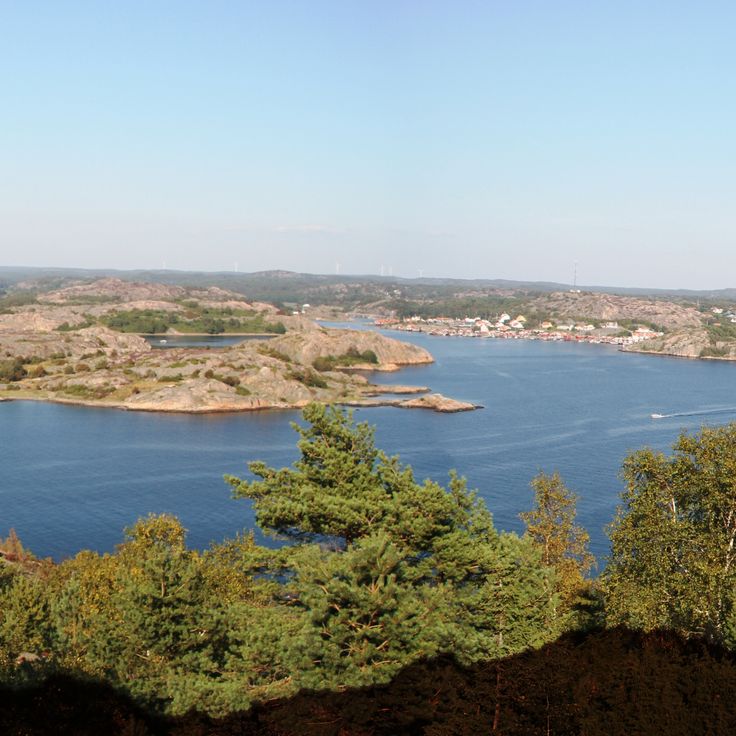
This archipelago extends along the Swedish west coast with more than a thousand islands defined by granite formations and fishing villages. The coastal cliffs of Fjallbacka Archipelago rise directly from the water and form protected inlets between the skerries. Some rock sections reach heights exceeding 230 feet (70 meters) and have long served as navigation landmarks.
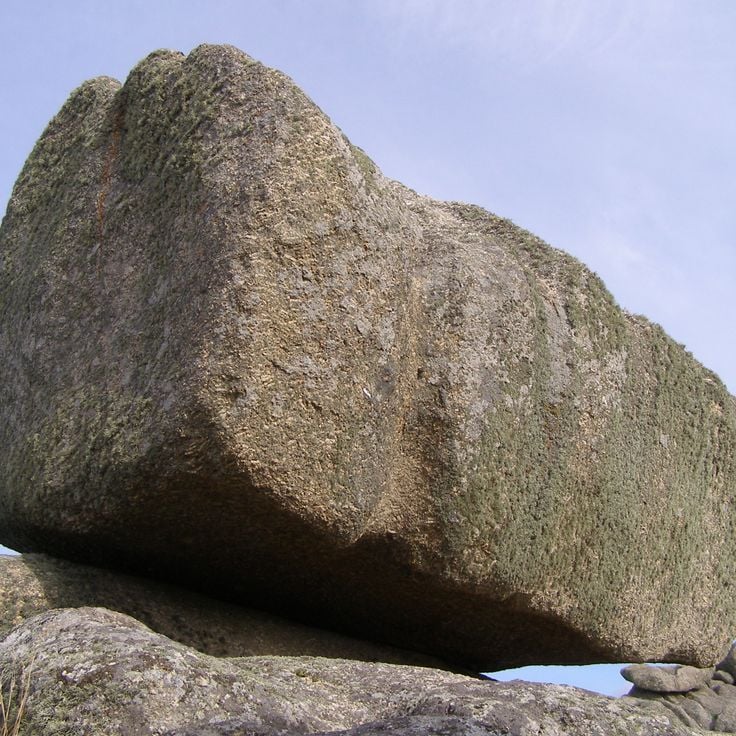
This 80-ton granite boulder sits on a coastal cliff and moves when touched despite its massive weight. Logan Rock demonstrates geological precision, where centuries of erosion have balanced the stone on its base so that human pressure causes it to rock. The formation represents one of the notable coastal features in this collection of vertical landscapes, showing how natural forces can transform massive rock into movable structures.
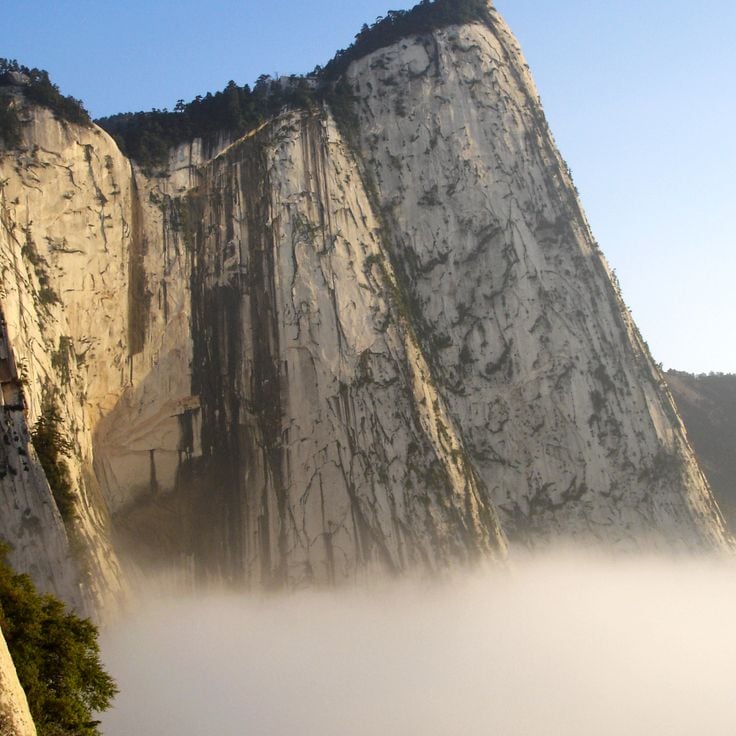
This mountain in central China features five peaks, with the highest reaching 2,154 meters (7,070 feet). Visitors use fixed metal chains for safety while ascending steep rock walls and stone-cut steps. The routes pass through narrow sections and exposed passages that provide access to Taoist temples and observation points along the ridges.
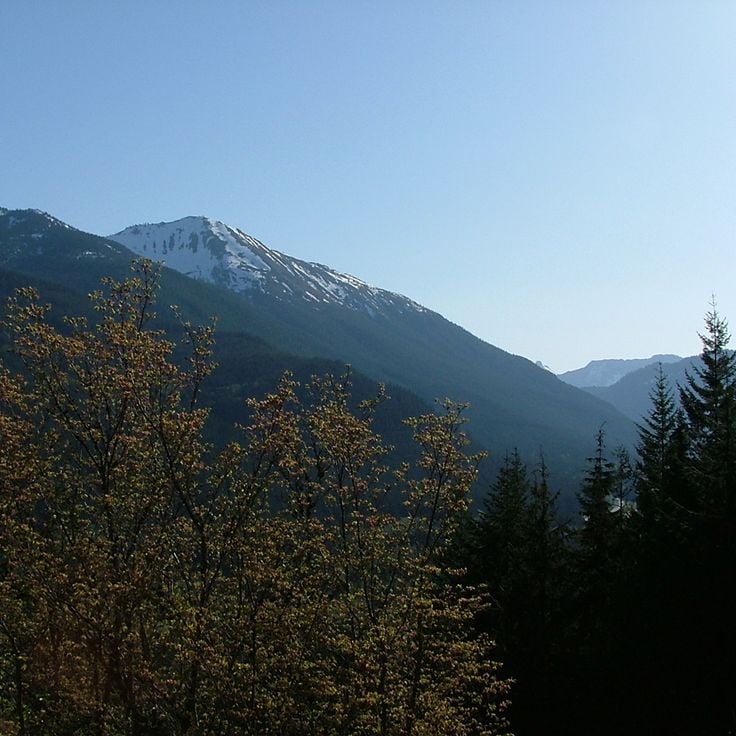
Mt. Bandera rises to 5,596 feet (1,706 m) in the Cascade Range, with observation points offering views of Mount Rainier and surrounding peaks. The vertical rock faces of this mountain represent the kind of inland cliff formations featured in this collection of coastal and mountain vertical landscapes worldwide.
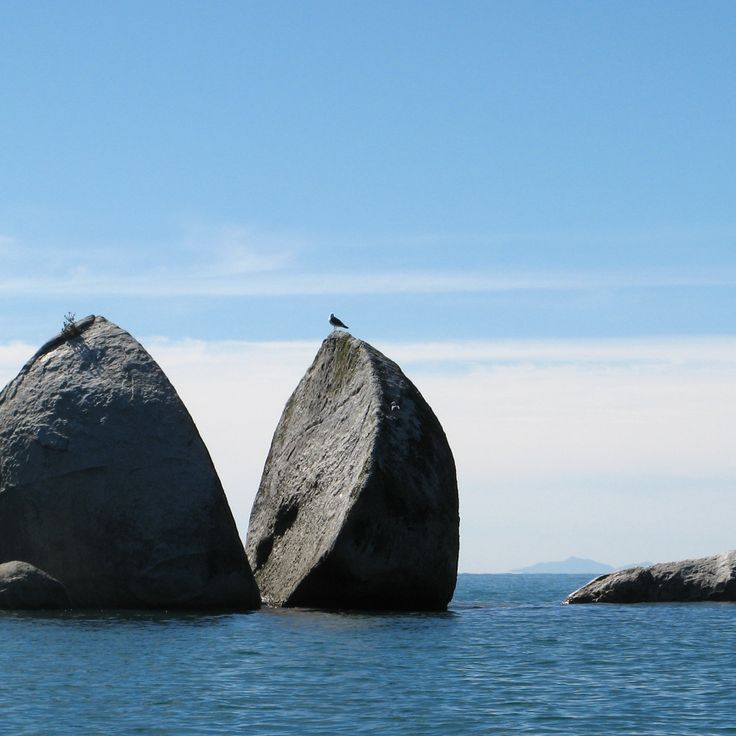
This rounded granite boulder in Tasman Bay formed millions of years ago when geological forces split it into two nearly equal halves, creating its distinctive shape that ranks among the world's notable coastal rock formations.
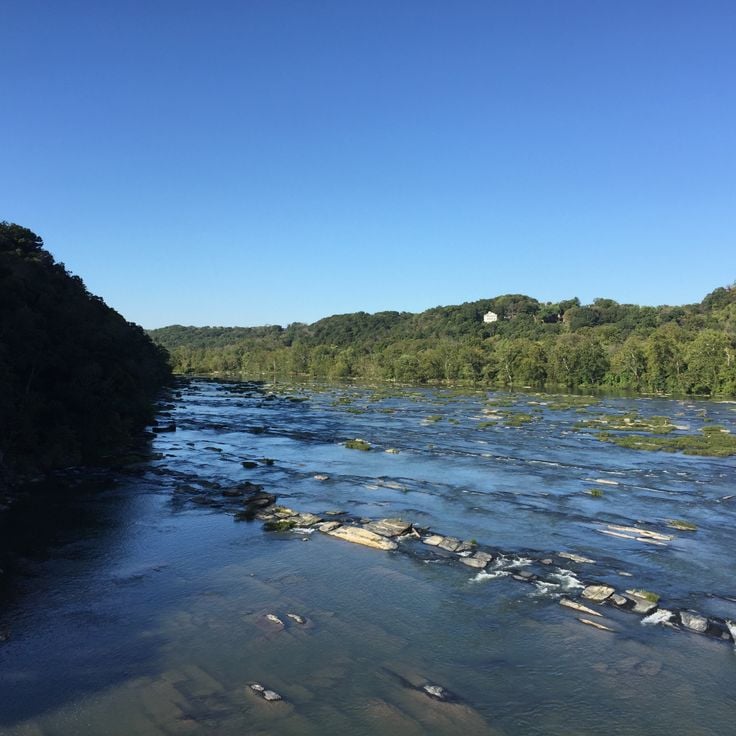
This forest trail follows the North Fork Skokomish River and provides views of rock walls and rapids. The route passes through dense Pacific Northwest woodland and crosses rustic bridges along the riverbank, offering access to geological formations that form part of the vertical landscapes documented in this collection of coastal and mountain cliffs worldwide.
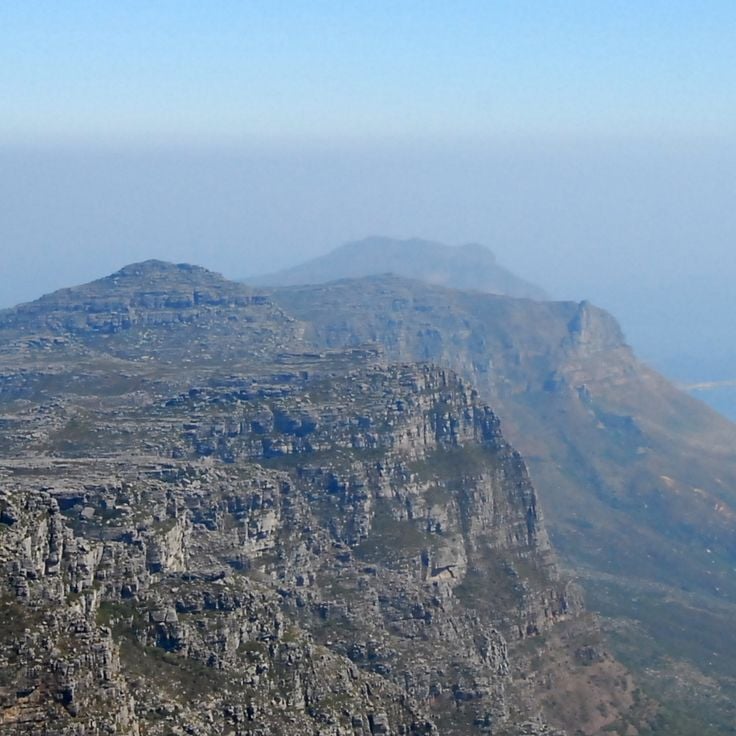
This 1,086-meter (3,563-foot) national park contains over 2,000 plant species and offers 360-degree views of the metropolis and ocean. Among the collection's most recognizable cliff formations, Table Mountain rises above Cape Town with vertical rock walls extending from sea level to its flat summit plateau. The geological sandstone layers, formed over 300 million years ago, create a natural barrier between city and sea while establishing multiple microclimates that support exceptional botanical diversity.
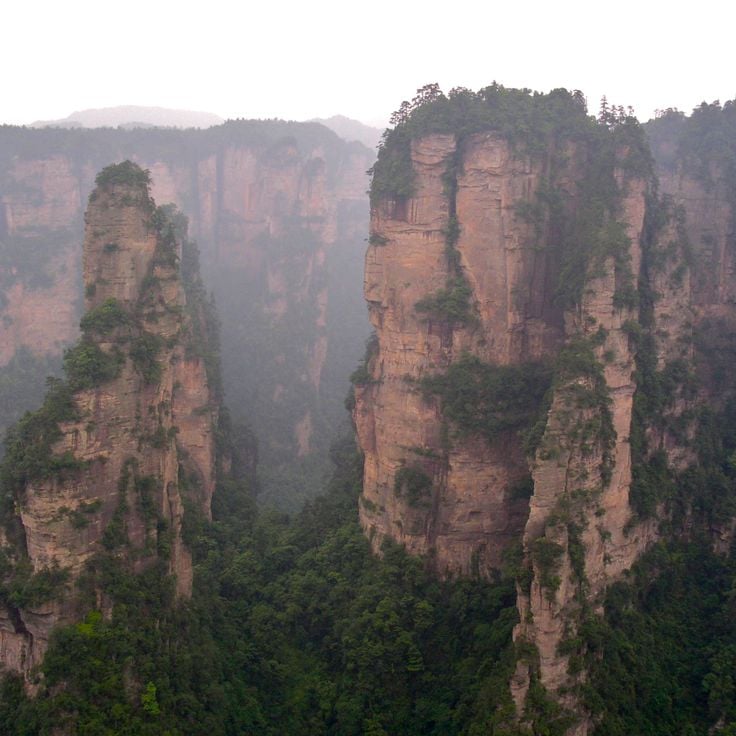
This national park in China's Hunan province contains more than three thousand sandstone columns rising up to 984 feet (300 meters), forming some of the world's most distinctive vertical rock formations, a geological result of over three hundred million years of erosion and tectonic activity.
These cliffs rise 214 meters (702 feet) above the Atlantic and extend for 14 kilometers (9 miles) along Ireland's western coast. The Cliffs of Moher represent one of Europe's most recognizable coastal formations, offering views of the Aran Islands and Galway Bay. The visitor center sits below ground level, integrated into the landscape, and marked paths run along the cliff edge. Strong winds require caution, particularly near the barriers.
These cliffs rise 110 meters (360 feet) above the English Channel and extend for 13 kilometers (8 miles) along the coast of Kent. The limestone formations have marked England's southern edge for travelers arriving from continental Europe for centuries. The white chalk faces formed approximately 90 million years ago from compressed shells of marine organisms. They represent part of a geological formation stretching from Normandy to the Danish island of Møn, making them a significant example of the coastal cliff systems featured in this collection.
This granite formation rises 604 meters (1,982 feet) above Lysefjord and provides a flat platform roughly 25 meters (82 feet) wide, from which visitors can view the fjord landscape below. Preikestolen ranks among Norway's most notable vertical natural formations and draws thousands of hikers annually who complete the several-hour ascent to reach the exposed position above the water.
These coastal walls on Molokai's northern shore rise over 3,000 feet (910 meters) directly from the Pacific Ocean and rank among the world's highest sea cliffs. The Kalaupapa Cliffs form a natural barrier between the ocean and the peninsula above, which served as a quarantine settlement for leprosy patients in the 19th century. The nearly vertical rock faces extend for several miles along the north coast and display the island's volcanic origins through their dark basalt layers. Visitors typically view these formations from the air or from the Pacific, as the cliffs remain inaccessible to hikers.
These cliffs form three distinct limestone arches rising 295 feet (90 meters) above the Atlantic and rank among France's most recognizable coastal formations. The white rock faces have been shaped by millennia of erosion and define the Normandy coastline with their natural archways and freestanding rock pinnacles.
These cliffs drop 601 meters (1,972 feet) almost vertically into the Atlantic and rank among Europe's highest sea cliffs. Slieve League is accessed through hiking trails that bring visitors to various viewpoints along the precipice. The formation consists of Precambrian rock and clearly demonstrates the erosive forces that have shaped Ireland's western coastline over millions of years. Unlike more heavily visited cliffs in Ireland, this site often offers quieter conditions for observing the Atlantic coastal landscape.
This vertical rock face in the Norwegian Alps rises to 1100 meters and ranks among the highest of its kind in Europe. Troll Wall has drawn extreme climbers from around the world for decades, who attempt its demanding granite routes. The wall forms part of the Romsdalshorn massif and towers more than 1000 meters above the Romsdal valley below. First ascents took place in the 1960s, and the site has since served as a proving ground for technically skilled mountaineers.
The Trango Towers are granite peaks in the Karakoram range rising above 20,000 feet (6,000 meters) with rock walls exceeding 3,300 feet (1,000 meters) in height. These peaks rank among the tallest vertical cliff formations on Earth and represent one of the most notable vertical landscapes worldwide. The towers attract mountaineers and climbers from around the globe who attempt technically demanding routes through granite and ice.
The Bunda Cliffs stretch for 200 kilometers along the southern Australian coast, where vertical limestone walls rise up to 295 feet (90 meters) from the Great Australian Bight. These cliffs mark the southern edge of the Nullarbor Plain and rank among the longest unbroken coastal cliffs worldwide. The formation developed through geological uplift and erosion over millions of years. Viewpoints along the Eyre Highway between Ceduna and Norseman provide direct access to several locations where the limestone layers and spray from the waves breaking below are visible.
These red volcanic rock cliffs rise 200 feet (61 meters) straight above Lake Superior, offering unobstructed views across the expanse of this Great Lake. Palisade Head stands among the notable vertical coastal formations of North America, part of a worldwide collection spanning from Ireland's Atlantic cliffs to China's vertical peaks. The exposed rock formations resulted from volcanic activity and have shaped the shoreline of the continent's largest freshwater lake for thousands of years.
This summit stands at 5,964 feet (1,818 meters) and offers views of steep rock walls and the central mountain massif of Madeira, making Pico do Arieiro one of the notable vertical landscapes in this collection of coastal and mountain cliffs worldwide.
This granite monolith in Yosemite Valley rises 3,000 feet (914 meters) vertically from the valley floor and ranks among North America's most significant vertical rock formations. El Capitan draws climbers from around the world who tackle its various routes including The Nose and Salathé Wall. The massive rock face formed approximately 100 million years ago and was exposed through glacial erosion. Beyond climbers, thousands of visitors arrive daily to observe the wall from the valley floor.
This 1,488-foot (454-meter) red sandstone promontory rises above the floor of Zion National Park's valley, drawing hikers to a narrow ridge that threads between steep drop-offs. The ascent through Walter's Wiggles switchbacks leads to exposed terrain where chains bolted into rock provide handholds. The formation ranks among the most recognized climbing objectives in the American Southwest, offering views of the Virgin River winding through the canyon 1,500 feet (457 meters) below.
This sea cave along the Algarve coast was carved into the limestone cliffs through thousands of years of wave erosion, marking one of Portugal's notable vertical coastal formations. The cavity features a circular ceiling opening that allows daylight to illuminate the sandy interior floor. The cave is accessible only from the water and sits within the Algarve's coastal waters, which have carved distinctive wave-cut patterns into the soft sedimentary rock.
This coastal stretch extends 90 miles (145 kilometers) between Monterey and San Luis Obispo, displaying granite cliffs that drop several hundred feet to the Pacific. The Pacific Coast Highway winds through redwood forests and connects numerous viewpoints along the California coastline. Big Sur ranks among North America's notable vertical coastal sections, demonstrating the meeting of coastal mountains and open ocean.
These red sandstone cliffs rise 590 feet (180 meters) above the Runde River valley in southern Zimbabwe and rank among the notable vertical formations that comprise this collection of coastal and mountain cliffs worldwide. The sandstone displays intense red coloring that contrasts with the vegetation of Gonarezhou National Park.
These cliffs rise 250 meters (820 feet) above the Mediterranean Sea and display clearly defined geological layers along Malta's western coast. The Dingli Cliffs form the highest elevation in Malta and extend for several kilometers between the harbor town of Rabat and the coastal village of Bahrija. The limestone formations developed millions of years ago and now provide direct insight into the geological history of the Mediterranean region. From the cliffs, views extend across the open sea to the uninhabited island of Filfla, located approximately three miles offshore.
This archipelago extends along the Swedish west coast with more than a thousand islands defined by granite formations and fishing villages. The coastal cliffs of Fjallbacka Archipelago rise directly from the water and form protected inlets between the skerries. Some rock sections reach heights exceeding 230 feet (70 meters) and have long served as navigation landmarks.
This 80-ton granite boulder sits on a coastal cliff and moves when touched despite its massive weight. Logan Rock demonstrates geological precision, where centuries of erosion have balanced the stone on its base so that human pressure causes it to rock. The formation represents one of the notable coastal features in this collection of vertical landscapes, showing how natural forces can transform massive rock into movable structures.
This mountain in central China features five peaks, with the highest reaching 2,154 meters (7,070 feet). Visitors use fixed metal chains for safety while ascending steep rock walls and stone-cut steps. The routes pass through narrow sections and exposed passages that provide access to Taoist temples and observation points along the ridges.
Mt. Bandera rises to 5,596 feet (1,706 m) in the Cascade Range, with observation points offering views of Mount Rainier and surrounding peaks. The vertical rock faces of this mountain represent the kind of inland cliff formations featured in this collection of coastal and mountain vertical landscapes worldwide.
This rounded granite boulder in Tasman Bay formed millions of years ago when geological forces split it into two nearly equal halves, creating its distinctive shape that ranks among the world's notable coastal rock formations.
This forest trail follows the North Fork Skokomish River and provides views of rock walls and rapids. The route passes through dense Pacific Northwest woodland and crosses rustic bridges along the riverbank, offering access to geological formations that form part of the vertical landscapes documented in this collection of coastal and mountain cliffs worldwide.
This 1,086-meter (3,563-foot) national park contains over 2,000 plant species and offers 360-degree views of the metropolis and ocean. Among the collection's most recognizable cliff formations, Table Mountain rises above Cape Town with vertical rock walls extending from sea level to its flat summit plateau. The geological sandstone layers, formed over 300 million years ago, create a natural barrier between city and sea while establishing multiple microclimates that support exceptional botanical diversity.
This national park in China's Hunan province contains more than three thousand sandstone columns rising up to 984 feet (300 meters), forming some of the world's most distinctive vertical rock formations, a geological result of over three hundred million years of erosion and tectonic activity.
These cliffs rise 214 meters (702 feet) above the Atlantic and extend for 14 kilometers (9 miles) along Ireland's western coast. The Cliffs of Moher represent one of Europe's most recognizable coastal formations, offering views of the Aran Islands and Galway Bay. The visitor center sits below ground level, integrated into the landscape, and marked paths run along the cliff edge. Strong winds require caution, particularly near the barriers.
These cliffs rise 110 meters (360 feet) above the English Channel and extend for 13 kilometers (8 miles) along the coast of Kent. The limestone formations have marked England's southern edge for travelers arriving from continental Europe for centuries. The white chalk faces formed approximately 90 million years ago from compressed shells of marine organisms. They represent part of a geological formation stretching from Normandy to the Danish island of Møn, making them a significant example of the coastal cliff systems featured in this collection.
This granite formation rises 604 meters (1,982 feet) above Lysefjord and provides a flat platform roughly 25 meters (82 feet) wide, from which visitors can view the fjord landscape below. Preikestolen ranks among Norway's most notable vertical natural formations and draws thousands of hikers annually who complete the several-hour ascent to reach the exposed position above the water.
These coastal walls on Molokai's northern shore rise over 3,000 feet (910 meters) directly from the Pacific Ocean and rank among the world's highest sea cliffs. The Kalaupapa Cliffs form a natural barrier between the ocean and the peninsula above, which served as a quarantine settlement for leprosy patients in the 19th century. The nearly vertical rock faces extend for several miles along the north coast and display the island's volcanic origins through their dark basalt layers. Visitors typically view these formations from the air or from the Pacific, as the cliffs remain inaccessible to hikers.
These cliffs form three distinct limestone arches rising 295 feet (90 meters) above the Atlantic and rank among France's most recognizable coastal formations. The white rock faces have been shaped by millennia of erosion and define the Normandy coastline with their natural archways and freestanding rock pinnacles.
These cliffs drop 601 meters (1,972 feet) almost vertically into the Atlantic and rank among Europe's highest sea cliffs. Slieve League is accessed through hiking trails that bring visitors to various viewpoints along the precipice. The formation consists of Precambrian rock and clearly demonstrates the erosive forces that have shaped Ireland's western coastline over millions of years. Unlike more heavily visited cliffs in Ireland, this site often offers quieter conditions for observing the Atlantic coastal landscape.
This vertical rock face in the Norwegian Alps rises to 1100 meters and ranks among the highest of its kind in Europe. Troll Wall has drawn extreme climbers from around the world for decades, who attempt its demanding granite routes. The wall forms part of the Romsdalshorn massif and towers more than 1000 meters above the Romsdal valley below. First ascents took place in the 1960s, and the site has since served as a proving ground for technically skilled mountaineers.
The Trango Towers are granite peaks in the Karakoram range rising above 20,000 feet (6,000 meters) with rock walls exceeding 3,300 feet (1,000 meters) in height. These peaks rank among the tallest vertical cliff formations on Earth and represent one of the most notable vertical landscapes worldwide. The towers attract mountaineers and climbers from around the globe who attempt technically demanding routes through granite and ice.
The Bunda Cliffs stretch for 200 kilometers along the southern Australian coast, where vertical limestone walls rise up to 295 feet (90 meters) from the Great Australian Bight. These cliffs mark the southern edge of the Nullarbor Plain and rank among the longest unbroken coastal cliffs worldwide. The formation developed through geological uplift and erosion over millions of years. Viewpoints along the Eyre Highway between Ceduna and Norseman provide direct access to several locations where the limestone layers and spray from the waves breaking below are visible.
These red volcanic rock cliffs rise 200 feet (61 meters) straight above Lake Superior, offering unobstructed views across the expanse of this Great Lake. Palisade Head stands among the notable vertical coastal formations of North America, part of a worldwide collection spanning from Ireland's Atlantic cliffs to China's vertical peaks. The exposed rock formations resulted from volcanic activity and have shaped the shoreline of the continent's largest freshwater lake for thousands of years.
This summit stands at 5,964 feet (1,818 meters) and offers views of steep rock walls and the central mountain massif of Madeira, making Pico do Arieiro one of the notable vertical landscapes in this collection of coastal and mountain cliffs worldwide.
This granite monolith in Yosemite Valley rises 3,000 feet (914 meters) vertically from the valley floor and ranks among North America's most significant vertical rock formations. El Capitan draws climbers from around the world who tackle its various routes including The Nose and Salathé Wall. The massive rock face formed approximately 100 million years ago and was exposed through glacial erosion. Beyond climbers, thousands of visitors arrive daily to observe the wall from the valley floor.
This 1,488-foot (454-meter) red sandstone promontory rises above the floor of Zion National Park's valley, drawing hikers to a narrow ridge that threads between steep drop-offs. The ascent through Walter's Wiggles switchbacks leads to exposed terrain where chains bolted into rock provide handholds. The formation ranks among the most recognized climbing objectives in the American Southwest, offering views of the Virgin River winding through the canyon 1,500 feet (457 meters) below.
This sea cave along the Algarve coast was carved into the limestone cliffs through thousands of years of wave erosion, marking one of Portugal's notable vertical coastal formations. The cavity features a circular ceiling opening that allows daylight to illuminate the sandy interior floor. The cave is accessible only from the water and sits within the Algarve's coastal waters, which have carved distinctive wave-cut patterns into the soft sedimentary rock.
This coastal stretch extends 90 miles (145 kilometers) between Monterey and San Luis Obispo, displaying granite cliffs that drop several hundred feet to the Pacific. The Pacific Coast Highway winds through redwood forests and connects numerous viewpoints along the California coastline. Big Sur ranks among North America's notable vertical coastal sections, demonstrating the meeting of coastal mountains and open ocean.
These red sandstone cliffs rise 590 feet (180 meters) above the Runde River valley in southern Zimbabwe and rank among the notable vertical formations that comprise this collection of coastal and mountain cliffs worldwide. The sandstone displays intense red coloring that contrasts with the vegetation of Gonarezhou National Park.
These cliffs rise 250 meters (820 feet) above the Mediterranean Sea and display clearly defined geological layers along Malta's western coast. The Dingli Cliffs form the highest elevation in Malta and extend for several kilometers between the harbor town of Rabat and the coastal village of Bahrija. The limestone formations developed millions of years ago and now provide direct insight into the geological history of the Mediterranean region. From the cliffs, views extend across the open sea to the uninhabited island of Filfla, located approximately three miles offshore.
This archipelago extends along the Swedish west coast with more than a thousand islands defined by granite formations and fishing villages. The coastal cliffs of Fjallbacka Archipelago rise directly from the water and form protected inlets between the skerries. Some rock sections reach heights exceeding 230 feet (70 meters) and have long served as navigation landmarks.
This 80-ton granite boulder sits on a coastal cliff and moves when touched despite its massive weight. Logan Rock demonstrates geological precision, where centuries of erosion have balanced the stone on its base so that human pressure causes it to rock. The formation represents one of the notable coastal features in this collection of vertical landscapes, showing how natural forces can transform massive rock into movable structures.
This mountain in central China features five peaks, with the highest reaching 2,154 meters (7,070 feet). Visitors use fixed metal chains for safety while ascending steep rock walls and stone-cut steps. The routes pass through narrow sections and exposed passages that provide access to Taoist temples and observation points along the ridges.
Mt. Bandera rises to 5,596 feet (1,706 m) in the Cascade Range, with observation points offering views of Mount Rainier and surrounding peaks. The vertical rock faces of this mountain represent the kind of inland cliff formations featured in this collection of coastal and mountain vertical landscapes worldwide.
This rounded granite boulder in Tasman Bay formed millions of years ago when geological forces split it into two nearly equal halves, creating its distinctive shape that ranks among the world's notable coastal rock formations.
This forest trail follows the North Fork Skokomish River and provides views of rock walls and rapids. The route passes through dense Pacific Northwest woodland and crosses rustic bridges along the riverbank, offering access to geological formations that form part of the vertical landscapes documented in this collection of coastal and mountain cliffs worldwide.
This 1,086-meter (3,563-foot) national park contains over 2,000 plant species and offers 360-degree views of the metropolis and ocean. Among the collection's most recognizable cliff formations, Table Mountain rises above Cape Town with vertical rock walls extending from sea level to its flat summit plateau. The geological sandstone layers, formed over 300 million years ago, create a natural barrier between city and sea while establishing multiple microclimates that support exceptional botanical diversity.
This national park in China's Hunan province contains more than three thousand sandstone columns rising up to 984 feet (300 meters), forming some of the world's most distinctive vertical rock formations, a geological result of over three hundred million years of erosion and tectonic activity.