Katmai National Park and Preserve, National park and preserve in southwest Alaska, United States
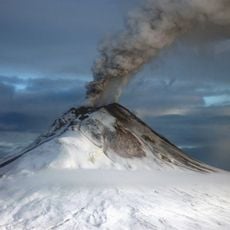
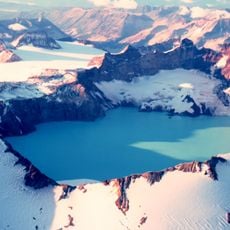
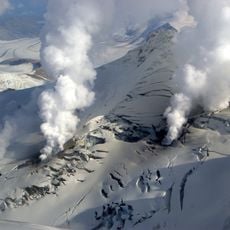
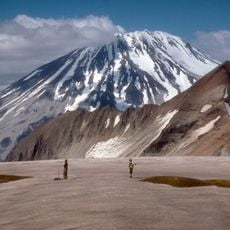
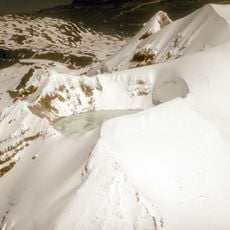
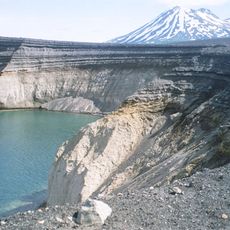
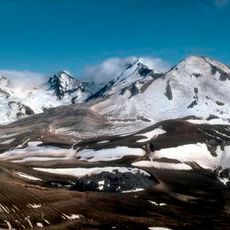
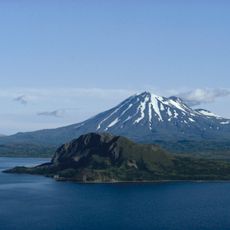
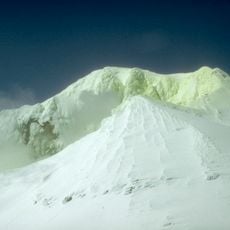
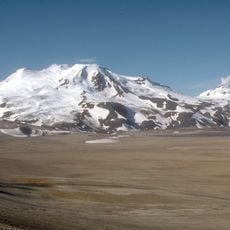
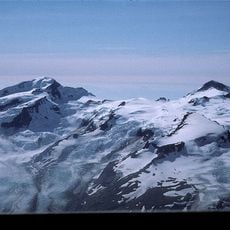
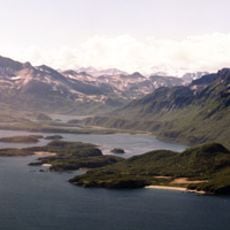
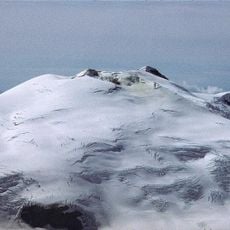
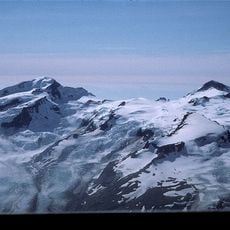
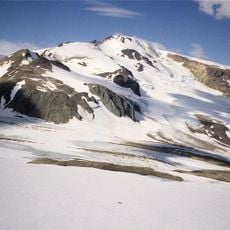
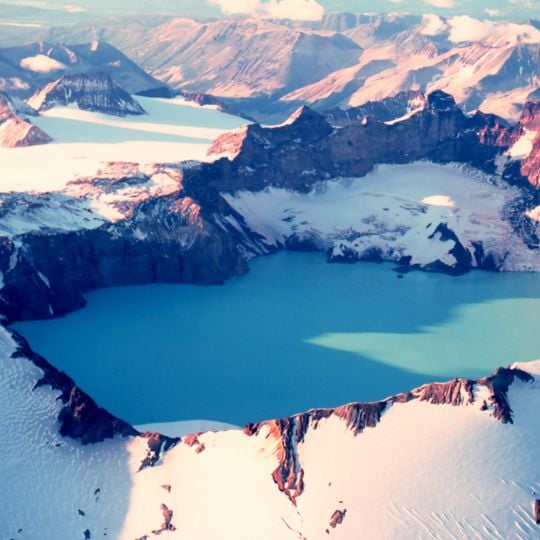
Katmai National Park and Preserve covers 4,093,077 acres on the Pacific side of the Alaska Peninsula, between the land areas of Connecticut and New Jersey. Its centerpiece is Mount Katmai, a 6,716-foot stratovolcano whose summit collapsed into a caldera in 1912; a glacier has since formed on the caldera floor, about 250 metres below the rim. The park holds as many as 18 volcanoes, and the Aleutian Range chain runs across its southeastern part.
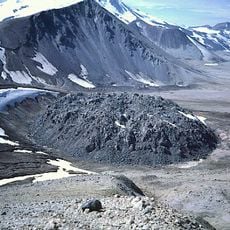
Novarupta erupted in 1912 and created a gray-white ash field later called the Valley of Ten Thousand Smokes. This explosion led to the creation of a national monument in 1918, which expanded into a national park in 1980.
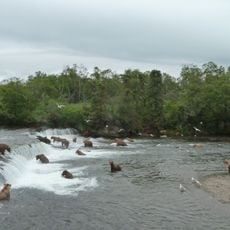
Brooks Falls draws people from around the world who come to watch bears catching salmon in their natural habitat. Most visitors arrive between June and September, when the fish move upstream and the animals are most active at the waterfall.
Brooks Camp serves as the main access point and requires reservations along with a safety briefing on bear behavior. Most trails pass through areas with active bears, so visitors stay on marked paths and keep suggested distances.
Up to 50 brown bears gather at Brooks Falls at the same time when salmon move upstream in summer. Wooden platforms let visitors watch the fish jumping over the waterfalls while the bears wait at the best spots in the water.
The community of curious travelers
AroundUs brings together thousands of curated places, local tips, and hidden gems, enriched daily by 94,041 contributors worldwide.