Seward Peninsula, Peninsula in western Alaska, United States.
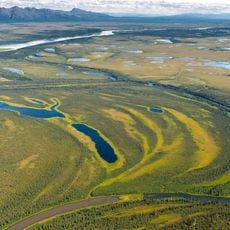
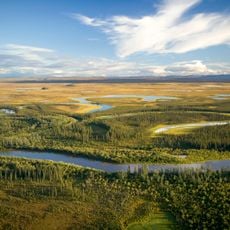
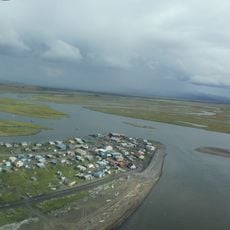
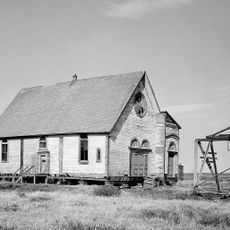
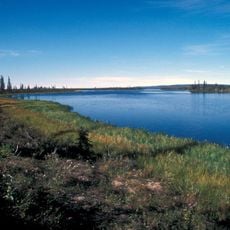
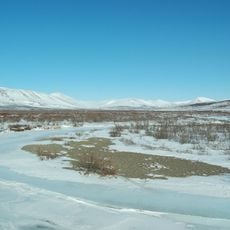
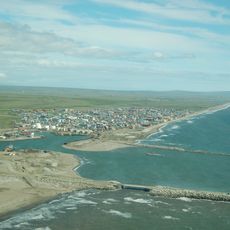
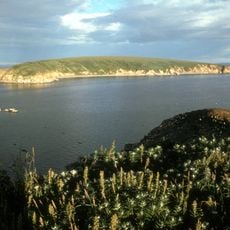
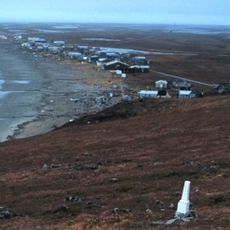
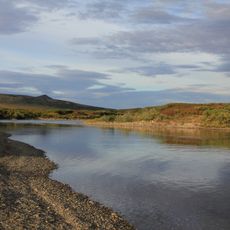
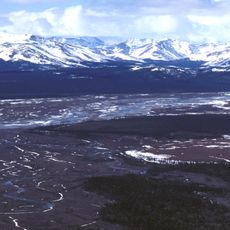
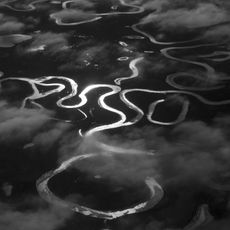
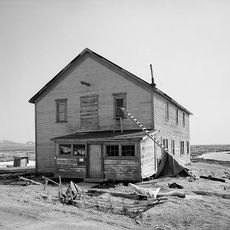
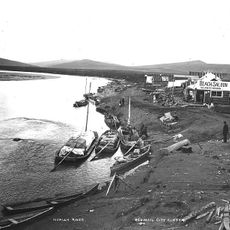
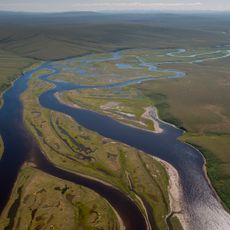
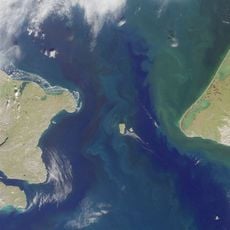
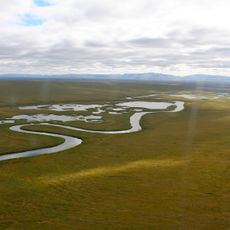
The Seward Peninsula extends from southern Alaska into the Bering Sea, surrounded by several water bodies and remote communities. The landscape is wide and open, shaped by coastal conditions and scattered settlements.
The peninsula was named after William H. Seward, a 19th-century political figure. During the Ice Age, it formed part of a land bridge that once connected the two continents.
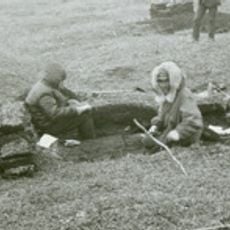
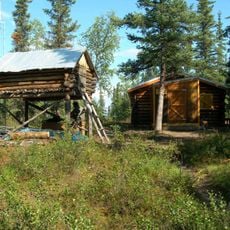
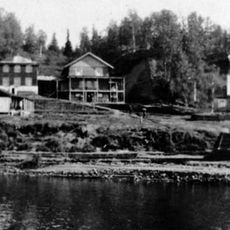
Indigenous communities on the peninsula practice hunting and fishing much as their ancestors did, and this traditional way of living shapes daily rhythms across the region. These activities remain central to how people use the land today.
Nome on the southern coast serves as the main hub for reaching remote areas, with regular flights and boat services. Those exploring the region should prepare for changing weather and allow flexible timing.
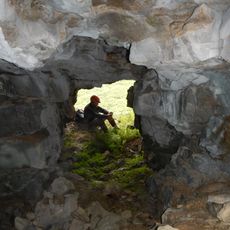
Devil Mountain Lakes formed through volcanic steam explosions in ancient times and rank among the world's largest of their type. This geological feature makes the area scientifically distinctive.
The community of curious travelers
AroundUs brings together thousands of curated places, local tips, and hidden gems, enriched daily by 92,527 contributors worldwide.