Motagua River, Major river system in eastern Guatemala
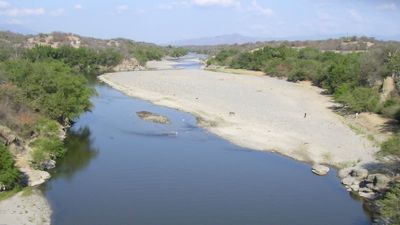
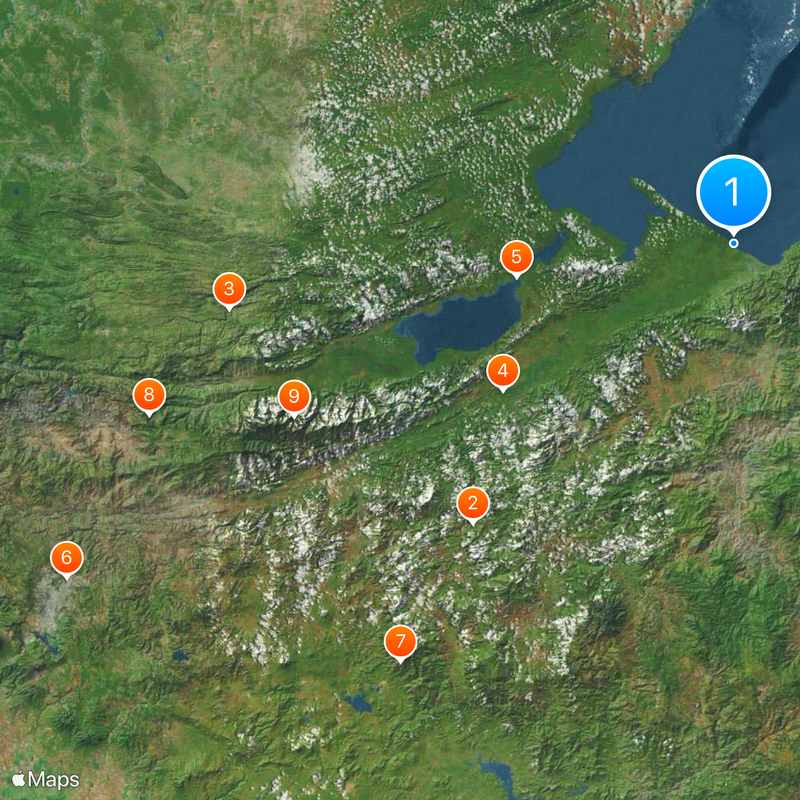
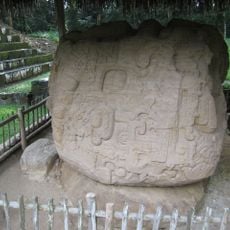
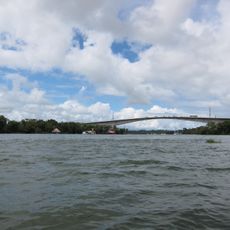
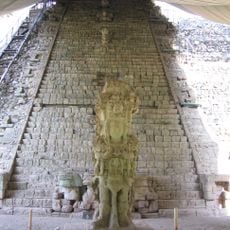
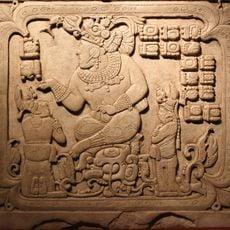
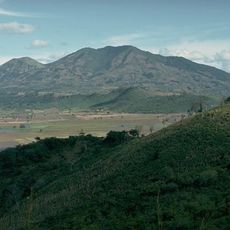
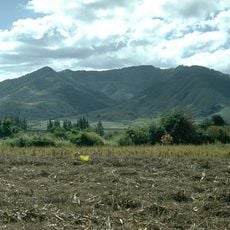
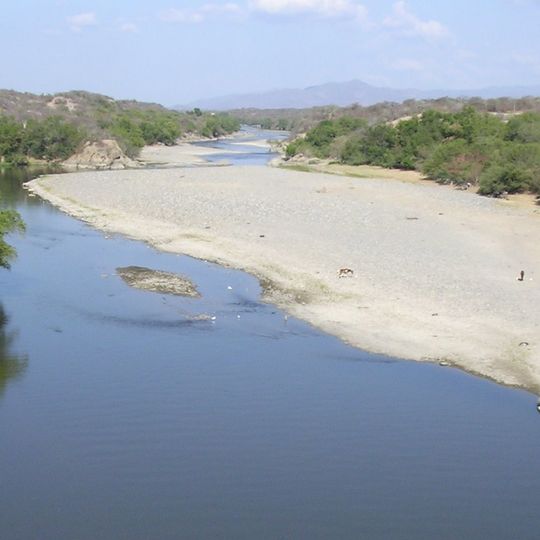
The Motagua River is a major waterway in eastern Guatemala that runs for hundreds of kilometers from the central highlands down to the Gulf of Honduras. Archaeological sites line its course, showing that the river has played an important role in the region since ancient times.
The river formed during geological processes and shaped the landscape of the region over thousands of years. The area around it became a center for advanced civilizations that benefited from its resources and used its importance to their advantage.
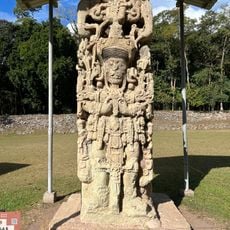
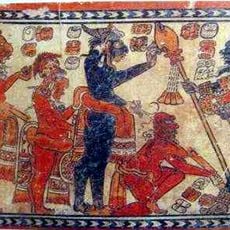
The river served as a vital trade route for Maya communities that established settlements along its banks and exchanged goods. The nearby archaeological sites show how important this waterway was for connecting different peoples.
Water levels change with the seasons, rising during rainy periods, which visitors should keep in mind when planning their visit. Good footwear is helpful since the banks can be slippery, especially when exploring the archaeological sites nearby.
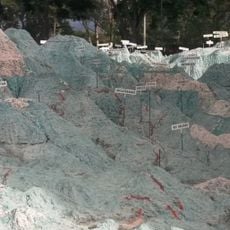
The river contains naturally occurring jade in its waters and sediments, a rare mineral that was sought after thousands of years ago for craftsmanship. These jade deposits were so valuable that distant peoples established routes to reach the river and secure these precious materials.
The community of curious travelers
AroundUs brings together thousands of curated places, local tips, and hidden gems, enriched daily by 92,260 contributors worldwide.