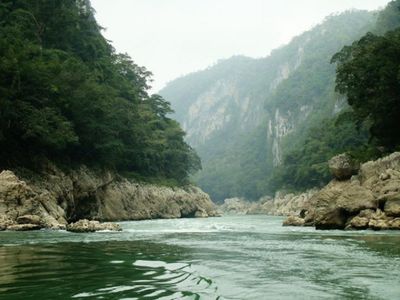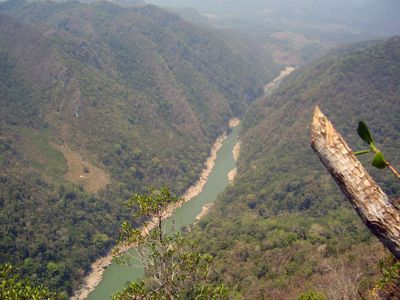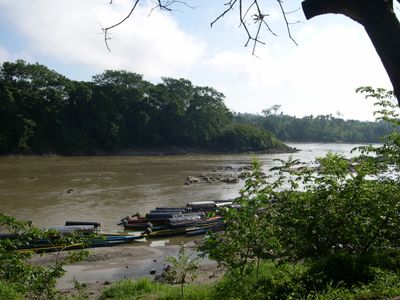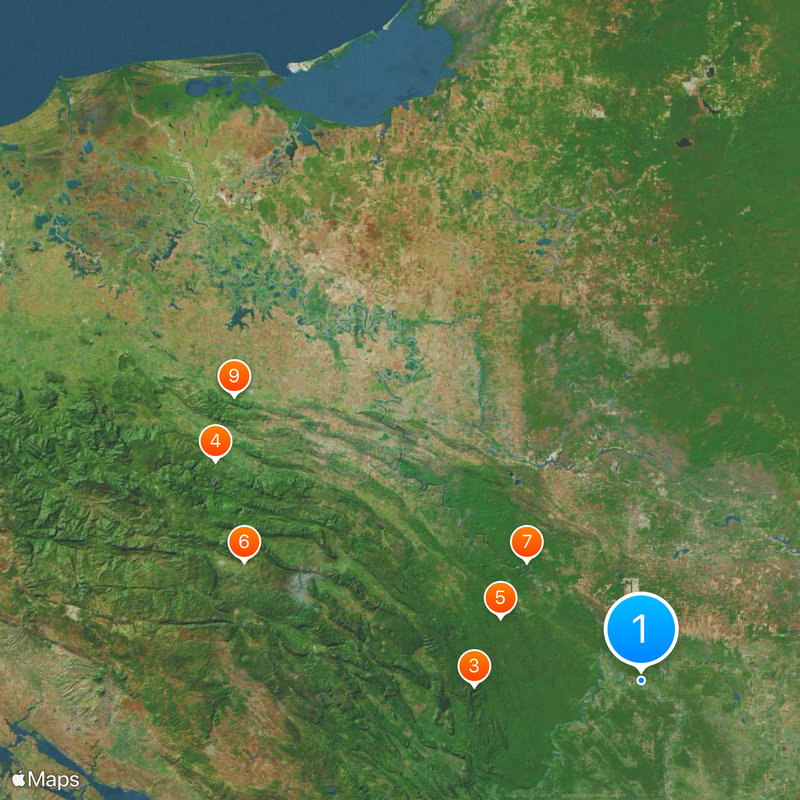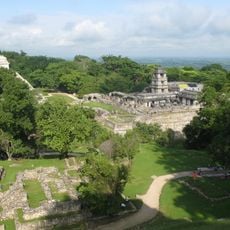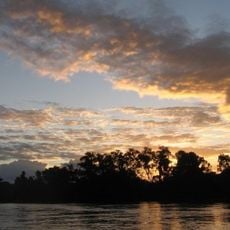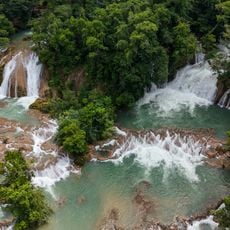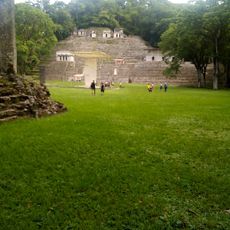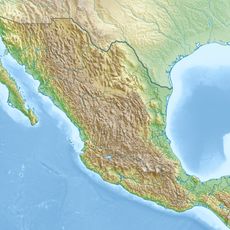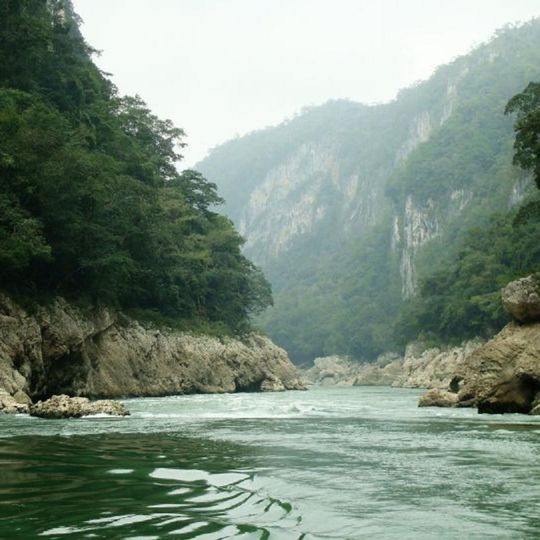
Usumacinta River, Main river system in Chiapas and Tabasco, Mexico.
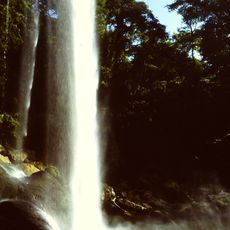
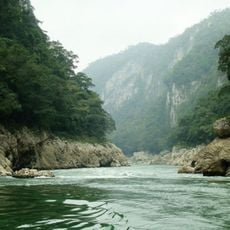
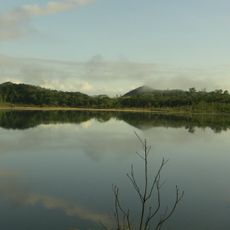
The Usumacinta is a waterway in southeastern Mexico flowing through the states of Chiapas and Tabasco, forming parts of the border with Guatemala. It winds through tropical rainforest and eventually reaches a broad wetland delta on the Gulf of Mexico.
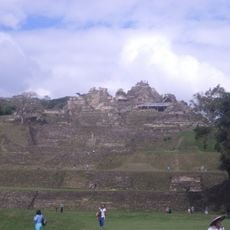
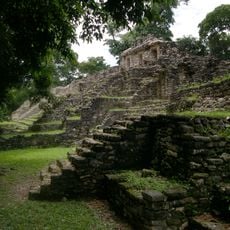
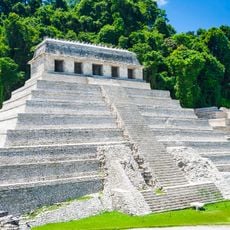
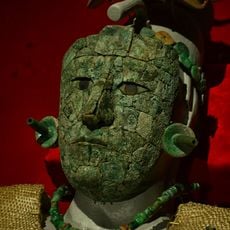
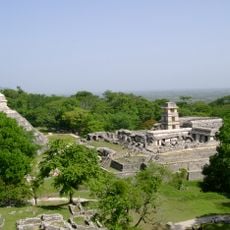
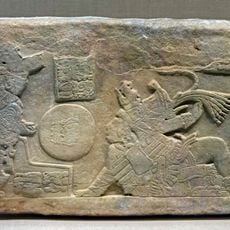
Maya settlements appeared along the banks from the first millennium BC onward, using the waterway as a trade route. European explorers reached the region in the 16th century and named the waterway after local designations.
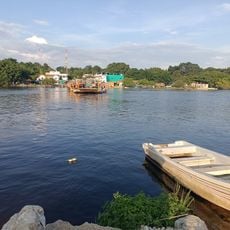
The name comes from a term meaning "monkeys" or "howler monkeys" in the language of the Chontal Maya, referring to the loud animals living along the banks. Local communities still use traditional canoes for fishing and travel between remote villages.
Boat trips usually start from small docks near archaeological sites, with journeys lasting from a few hours to a full day. Sun protection and insect repellent are helpful due to tropical conditions.
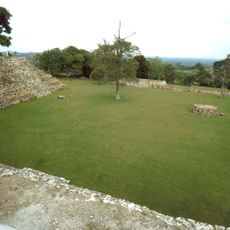
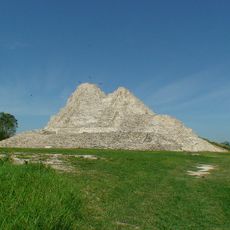
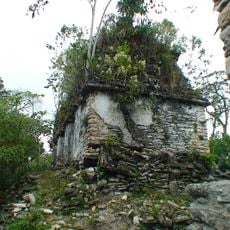
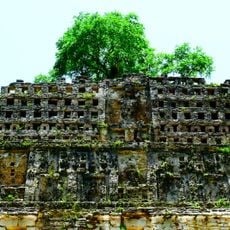
Rare crocodile species still inhabit quieter stretches and side channels, though their numbers have declined over recent decades. Some ruins along the banks are accessible only by boat and remain hidden beneath jungle vegetation.
The community of curious travelers
AroundUs brings together thousands of curated places, local tips, and hidden gems, enriched daily by 91,890 contributors worldwide.