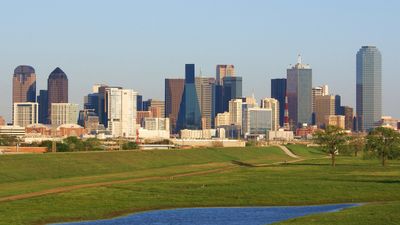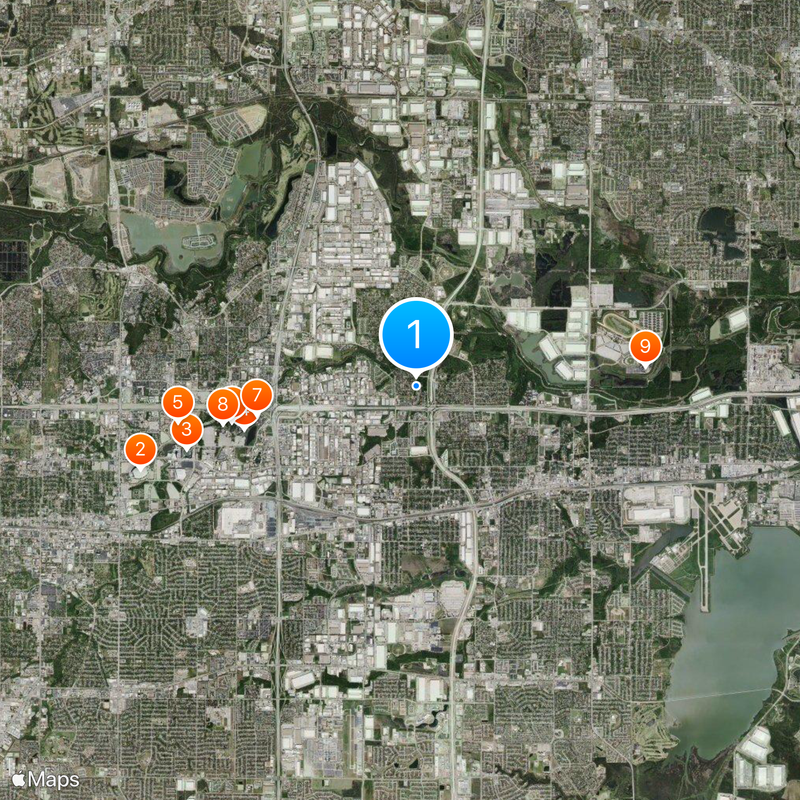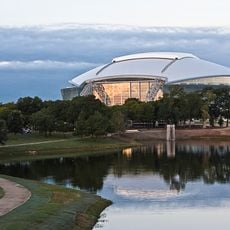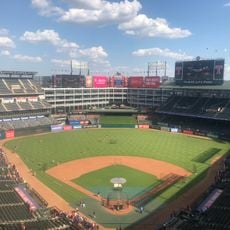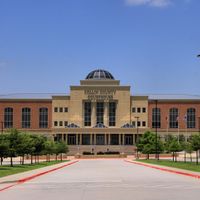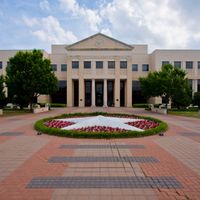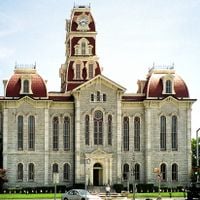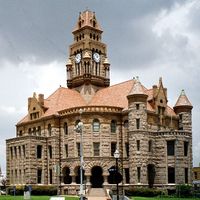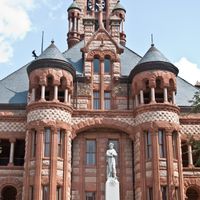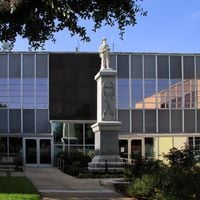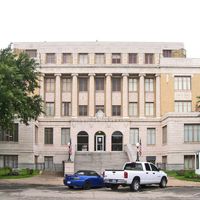
Dallas-Fort Worth metroplex, Metropolitan area in North Texas, United States.
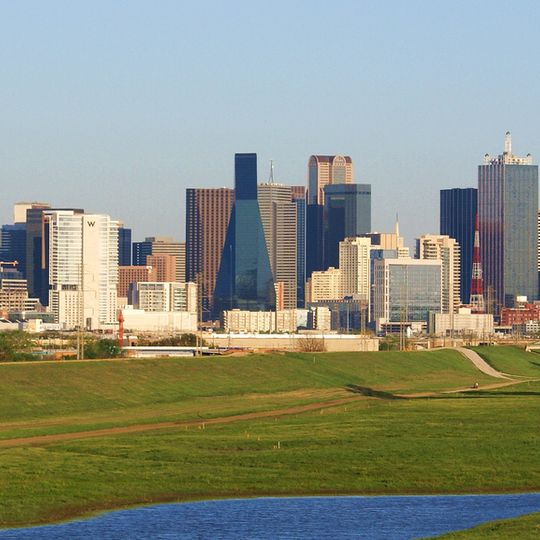
This region spreads across dozens of cities and towns in North Texas, linking two major urban centers through a dense network of highways, residential neighborhoods, business districts, and open stretches of land. The landscape shifts between downtown towers, low-rise suburbs, shopping strips, industrial zones, and pockets of greenery along rivers and lakes.
Until the mid-20th century, ranching and agriculture dominated the region, but postwar industrial growth, airport expansion, and corporate headquarters transformed it into one of the largest urban areas in the country. Development spread outward along highways built through the 1950s and beyond, shaping the sprawling layout still visible today.
Locals move between sprawling suburbs and downtown cores, spending weekends at rodeos, barbecue joints, shopping malls, and high school football games that draw entire communities. Residents often drive long distances for work, socializing, and errands, shaping a lifestyle built around highways and car ownership rather than walking or public transit.
Exploring the region works best by car, as distances between neighborhoods, landmarks, and shopping areas are often long and public transit options remain limited. Summers bring intense heat, so plan indoor activities or early outings, while winters stay mild enough for outdoor visits most days.
The region hosts one of the busiest airports globally, serving as a central hub for international and domestic connections with hundreds of thousands of travelers passing through daily. Despite the urban spread, large stretches of undeveloped land still sit between cities, reminding visitors of the area's rural past.
The community of curious travelers
AroundUs brings together thousands of curated places, local tips, and hidden gems, enriched daily by 90,778 contributors worldwide.