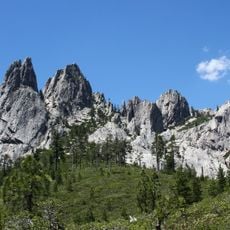
Castle Crags, Granite rock formation in Shasta County, US
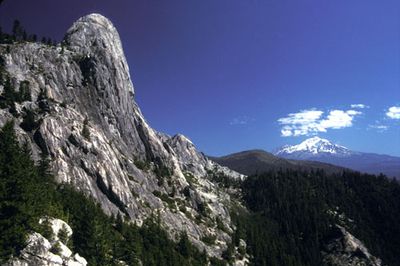
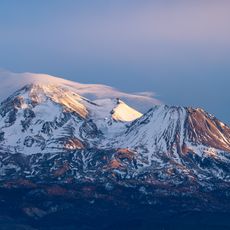
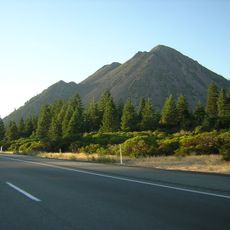
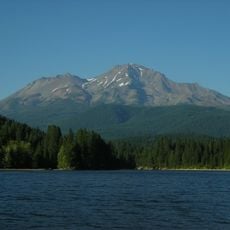
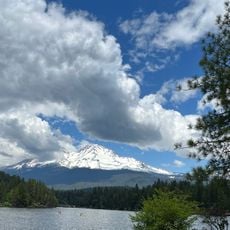
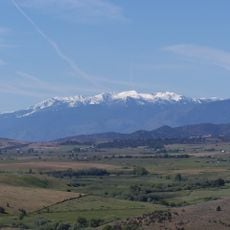
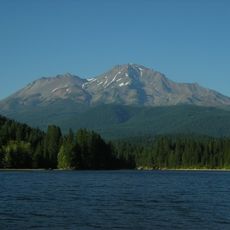
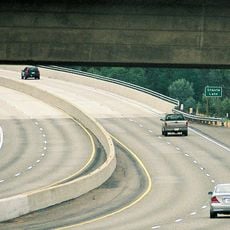
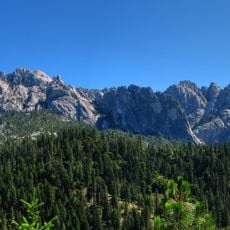
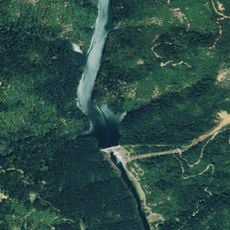
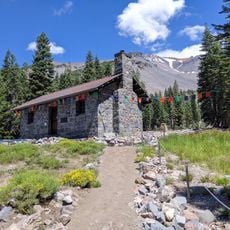
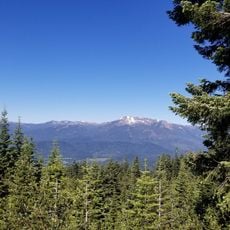
Castle Crags is a granite pluton in Shasta County whose pale gray crags and spires rise from about 2,000 feet along the Sacramento River to over 6,500 feet at the tallest summit. Pleistocene glaciation stripped the softer surrounding rock, and exfoliation of convex slabs shaped rounded forms such as Castle Dome. The formation stands just west of Interstate 5 between Castella and Dunsmuir, with Mount Shasta 10 miles north.
The area experienced conflict in 1855 between prospectors and indigenous people during the California Gold Rush. This event marked a turning point in the region's history and left deep marks on relations between settlers and the original inhabitants.
The name Castle Crags comes from the granite spires that resemble a fortress. The Okwanuchu Shasta lived in the wilderness, and the Wintu, Achumawi and Modoc held the crags, streams, the Sacramento River and the natural springs sacred. Joaquin Miller, wounded at the 1855 Battle of Castle Crags, later wrote an essay of that name about the killings of Native people there.
The state park provides 76 developed campsites with water and shower facilities, along with numerous hiking trails offering panoramic views of Mount Shasta. Visitors should wear sturdy shoes and bring plenty of water, as the hikes can be demanding depending on the route chosen.
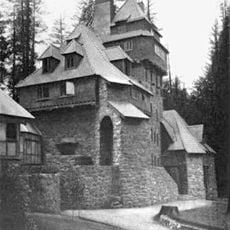
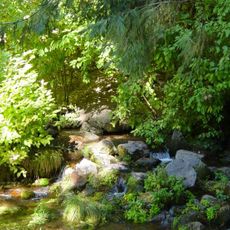
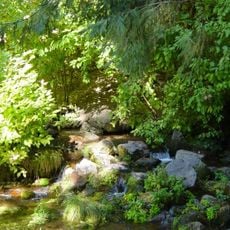
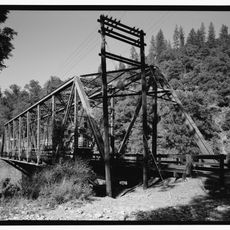
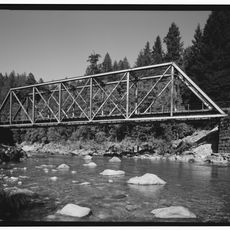
The Castle Rock Mineral Spring, used by Native Americans before the Gold Rush, was enclosed by the Civilian Conservation Corps in the 1930s. It still bubbles up with a sulfuric smell beside the Sacramento River. In 1889 the Castle Rock Mineral Springs Bottling Works began shipping the water worldwide, and George Washington Bailey ran a resort and hotel across the river, reached by a footbridge.
The community of curious travelers
AroundUs brings together thousands of curated places, local tips, and hidden gems, enriched daily by 92,782 contributors worldwide.