Goose Lake, Alkaline lake on the Oregon–California border, US
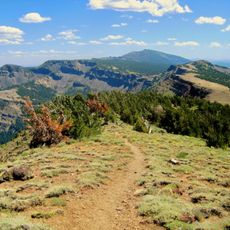
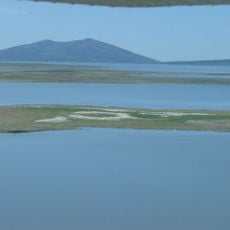
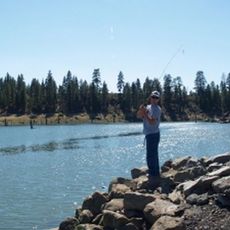
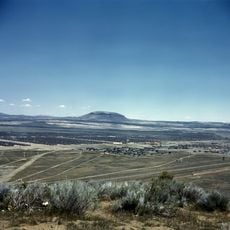
Goose Lake is a glacial lake that straddles the California-Oregon border and holds alkaline water. The lake sits in a high mountain basin at roughly 4700 feet (1434 meters) elevation and covers a substantial area.
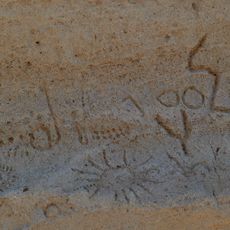
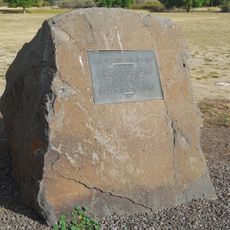
The lake became an important landmark for settlers in the 1850s who traveled the Applegate-Lassen route to reach California. This path served as a key alternative during the period when many people moved westward seeking gold.
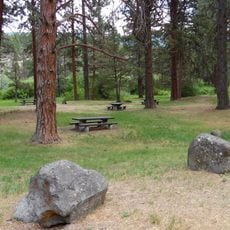
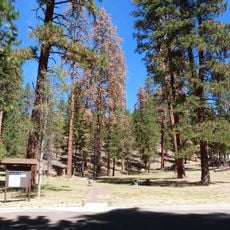
Goose Lake lies on the Applegate-Lassen Cut-Off of the California Trail, the route gold-rush settlers followed past Fandango Pass into California. The lakebed also marks the border: about two-thirds of the water surface belongs to Modoc County, California, and the northern third to Lake County, Oregon. Goose Lake State Recreation Area, on the Oregon shore, has a 48-site campground where a large herd of mule deer often wanders among the pitches.
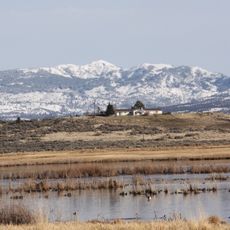
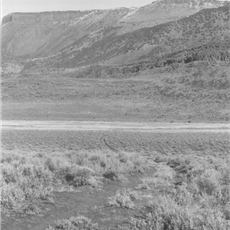
Visitors should know that the lake dries up or shrinks considerably in some years, so exploring it at different times of year offers different experiences. The better time to visit is during and after spring snowmelt, when water levels are higher.
The lake basin sits within a geological structure called Walker Lane that stretches from Oregon to Death Valley and influences how the water behaves. This tectonic position makes it worth studying for anyone curious about how the land itself is shaped in this region.
The community of curious travelers
AroundUs brings together thousands of curated places, local tips, and hidden gems, enriched daily by 94,041 contributors worldwide.