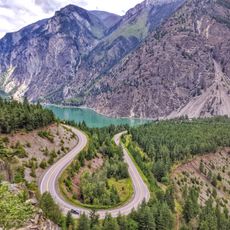
Cayoosh Creek, Mountain brook in British Columbia, Canada
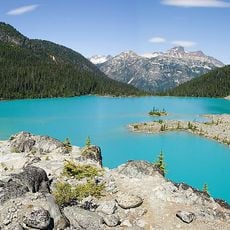
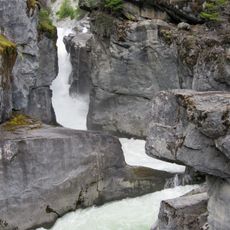
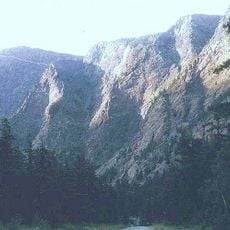
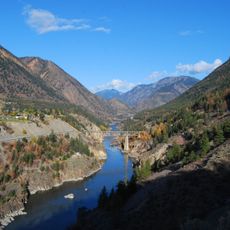
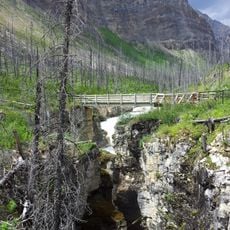
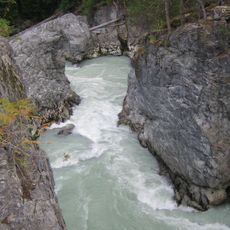
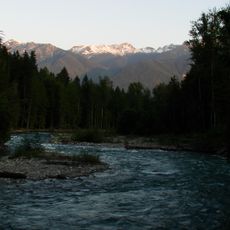
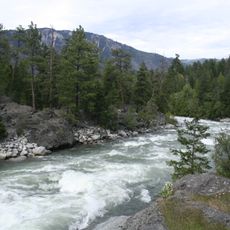
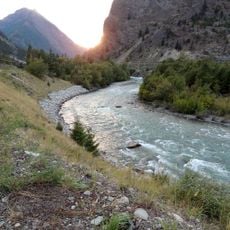
Cayoosh Creek is a mountain brook in British Columbia, Canada, that rises in the Cayoosh Range and flows northeast through a steep, narrow canyon before reaching the Seton River near Lillooet. The canyon walls rise sharply on both sides, and the water runs fast and cold through much of its course.
The creek's gold-bearing lower stretch, from Cayoosh Falls to the Fraser, was worked in the 1880s rush, when a government agent estimated 300 Chinese miners took out around $6 million in gold. The riverbed there was turned over, and remains of Chinese gold-mills and furnaces lie near the Hydro campsite. In 1897-1901 the Golden Cache Mine on the canyon's north wall set off a small regional rush, with the Ample Mine opposite.
The name Cayoosh is the local form of "cayuse", a word used in the Lillooet and Chilcotin regions for a strain of Indian mountain pony. The creek's traditional indigenous name is given as Tsammuk and/or Tsho-ha-mous. The creek gives its name to Cayoosh Creek Indian Reserve No. 1, one of the main reserves of the Cayoose Creek Indian Band, also known as the Sekwelwas First Nation, which lies next to the Seton River.
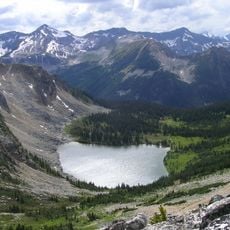
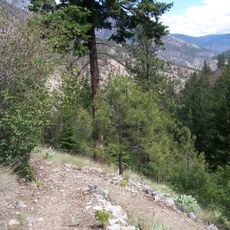
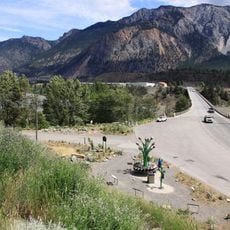
The creek can be reached by road from Lillooet, and there are camping spots along the water with basic facilities. Trails tend to be drier and more manageable from late spring through fall, which makes those months the better time to visit.
About 700 metres above its mouth, Cayoosh Creek passes under the Seton Canal through a siphon, or culvert, rather than joining it. The canal belongs to the final phase of the Bridge River Power Project and feeds a powerhouse on the Fraser just south of the Seton River's confluence.
The community of curious travelers
AroundUs brings together thousands of curated places, local tips, and hidden gems, enriched daily by 93,125 contributors worldwide.