Birkenhead River, Mountain brook in British Columbia, Canada
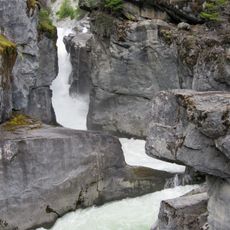
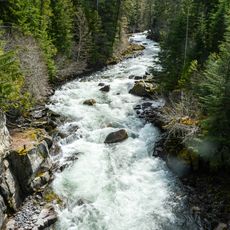
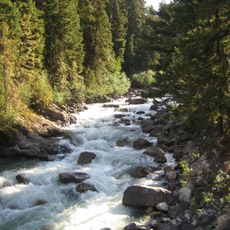
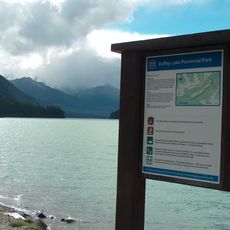
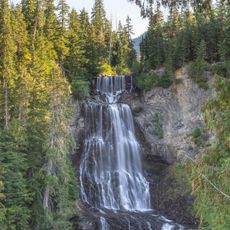
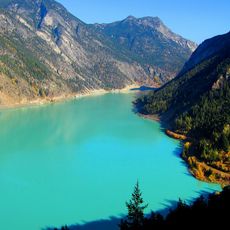
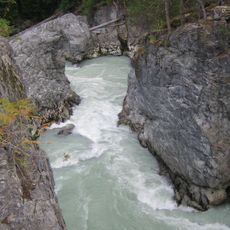
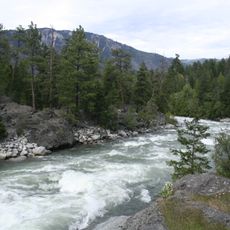
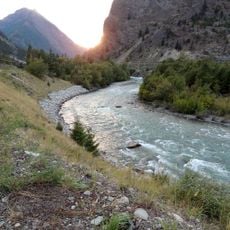
The Birkenhead River is a mountain brook in British Columbia that flows through a scenic valley with varied terrain. The water moves across gravel beds, creating shifting patterns that change with the seasons and water levels.
The brook was known by different names over time, including Portage River and Pole River, before adopting its current name. It played an important role in early transportation routes across the region as part of the Douglas Road system.
The river is a major salmon resource for the Lil'wat subgroup of the St'at'imc people, whose reserve community of Mount Currie spans the lowland between the lowest reaches of the Lillooet and Birkenhead Rivers. At Owl Creek, a few miles up the Birkenhead, stood one of the major missions of the Oblate missionary organization, to which Lil'wat people from up and down the Pemberton Valley moved, ultimately forming the Mount Currie community.
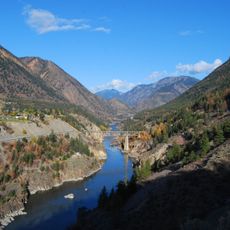
The river is crossed by British Columbia Highway 99 just before it empties into the Lillooet River, a few metres above that river's mouth at the north end of Lillooet Lake. The lower valley carries the Long Portage of the Douglas Road, also called the Pemberton Portage, and the height of land on that route is Pemberton Pass. The foot-shaped stone near the Gates Valley is on private land and cannot be visited.
The waterway supports several fish species, each reaching different sizes and occupying distinct habitats within the water system. This diversity reflects the health of the ecosystem and makes it ecologically valuable to the region.
The community of curious travelers
AroundUs brings together thousands of curated places, local tips, and hidden gems, enriched daily by 94,560 contributors worldwide.