Keyesville Massacre, Historical conflict site near Kern River, California
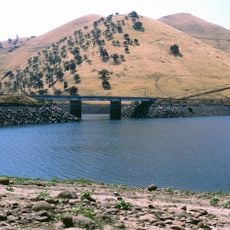
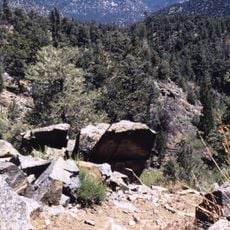
The Keyesville Massacre site is located along the North Fork of the Kern River in California and marks the location of an armed confrontation between military forces and indigenous peoples. The original area now lies beneath the waters of Lake Isabella, though historical records and memorials preserve the account of what occurred there.
In April 1863, Captain Moses McLaughlin led cavalry troops in an attack that resulted in the deaths of approximately 35 Tubatulabal and Mono men without formal legal process. This event was part of a broader pattern of conflicts that shaped military and indigenous relations during the era of westward expansion.
The location holds deep significance for the Tubatulabal and Mono nations as a place of remembrance and reflection about their ancestral lands. Visitors encounter reminders of a violent chapter that fundamentally altered relations between indigenous peoples and settlers in the region.
The original location is now submerged, but visitors can learn about the site through exhibits at nearby museums and Native American cultural centers. Access to remembrance sites and historical markers is available year-round without special restrictions.
Severe drought conditions in the years before 1863 and the major flood of 1862 had depleted resources in the region and contributed to rising tensions. These environmental shifts directly affected survival conditions for both indigenous and settler populations.
The community of curious travelers
AroundUs brings together thousands of curated places, local tips, and hidden gems, enriched daily by 92,666 contributors worldwide.