Death Valley National Park, National park in Inyo County, California, United States
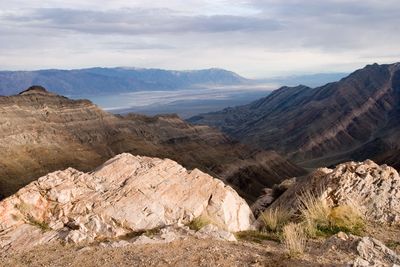
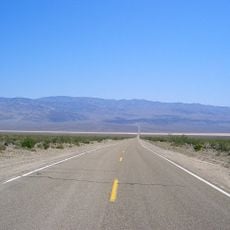
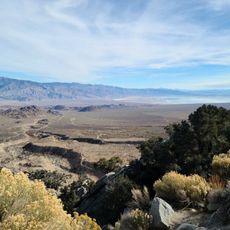
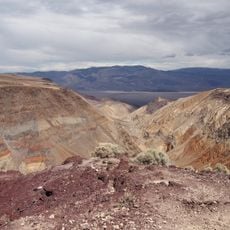
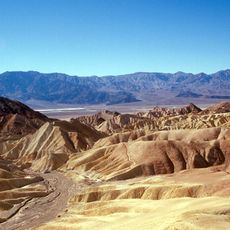
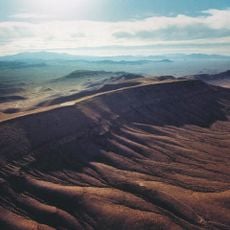
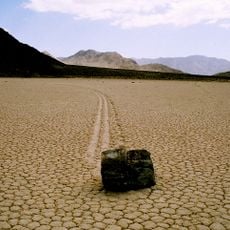
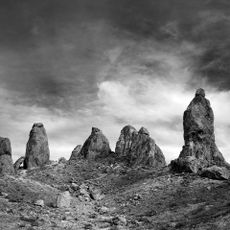
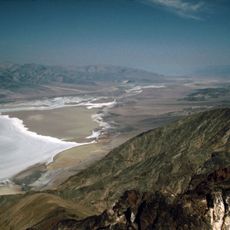
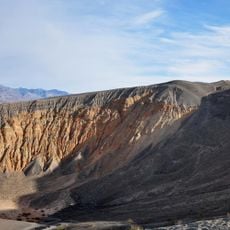
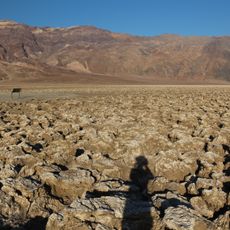
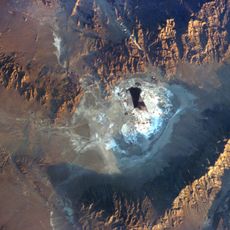
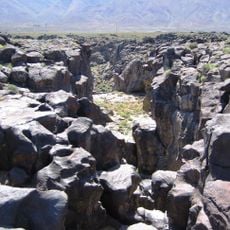
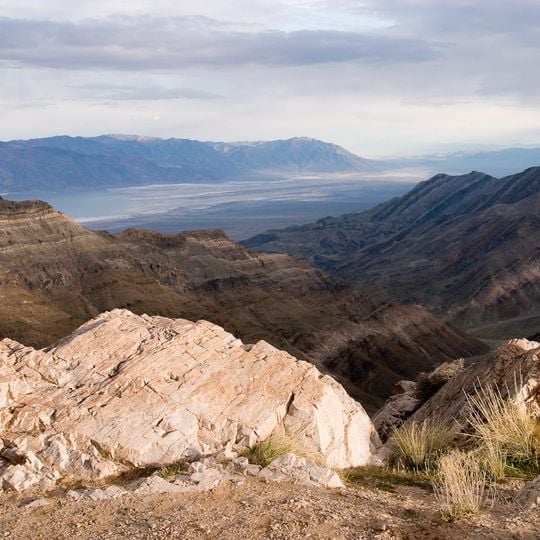
The park is a protected desert area in eastern California that covers more than 13,000 square kilometers (5,000 square miles) and extends partly into Nevada. The landscape alternates between white salt flats, tall sand dunes, jagged mountain ranges, and wide valleys where only a few plants grow.
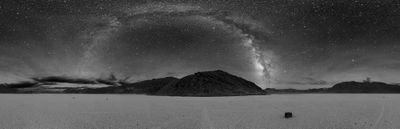
Death Valley National Monument was declared in 1933, and the park was substantially expanded and became a national park in 1994. UNESCO included Death Valley as the principal feature of its Mojave and Colorado Deserts Biosphere Reserve in 1984. In 2013 the International Dark-Sky Association designated it a dark sky park.
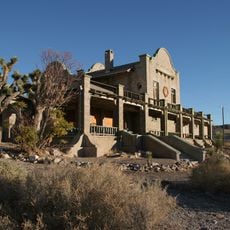
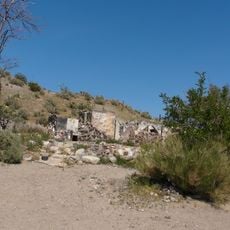
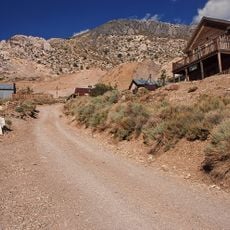
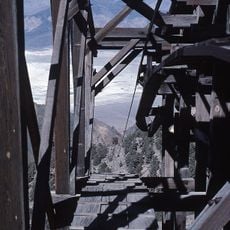
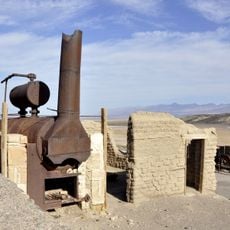
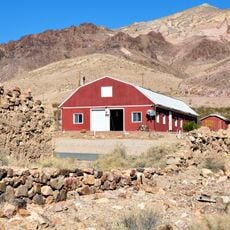
The name comes from gold seekers who crossed this area in 1849 and barely survived the journey. Today, abandoned mines and historic settlements remind visitors of that time, while rangers tell stories about the early pioneers and their difficult passage through the valley.
Summer temperatures regularly rise above 115 degrees Fahrenheit (46 degrees Celsius), so rangers recommend visiting between November and March. All trails are well marked, and visitor centers offer maps and information about current conditions in different parts of the park.
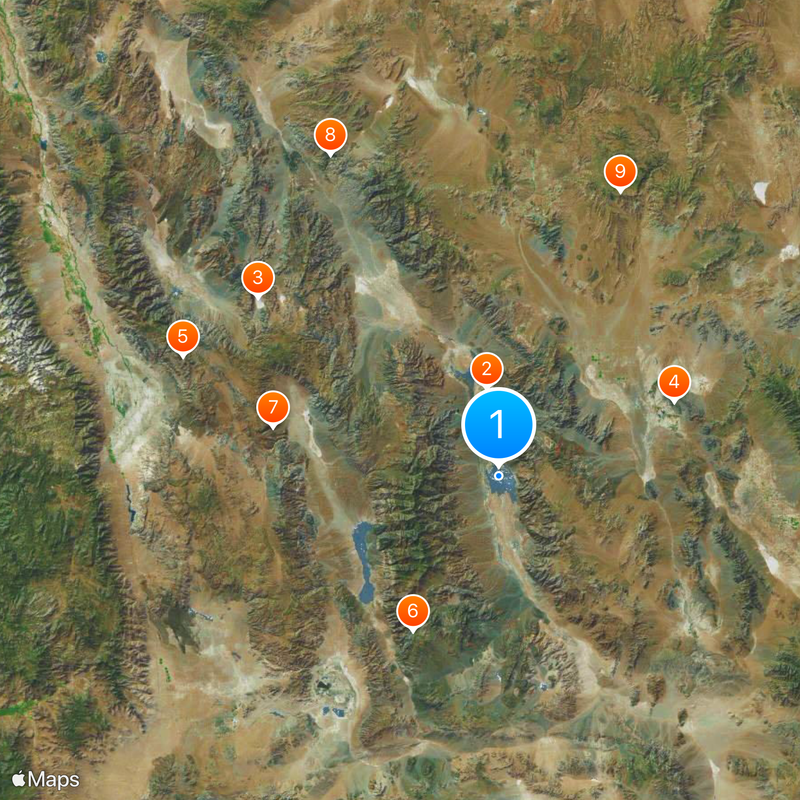
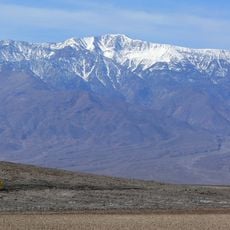
Badwater Basin sits 282 feet (86 meters) below sea level and is the lowest point in North America, while just a few kilometers away Telescope Peak rises above 11,000 feet (3,300 meters). This extreme elevation difference creates completely different climate zones within the same park.
The community of curious travelers
AroundUs brings together thousands of curated places, local tips, and hidden gems, enriched daily by 92,066 contributors worldwide.