Yosemite National Park, National park in the Sierra Nevada, California, United States
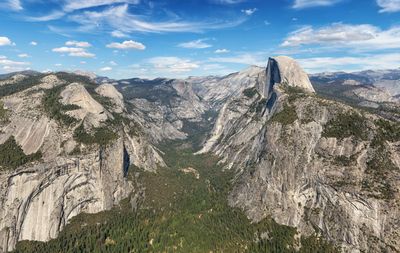
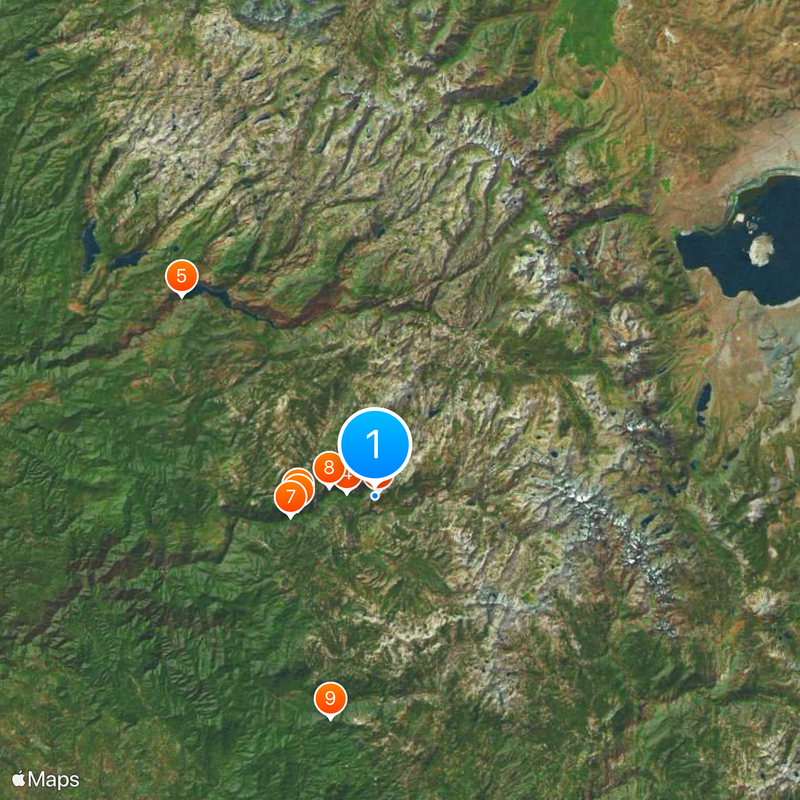
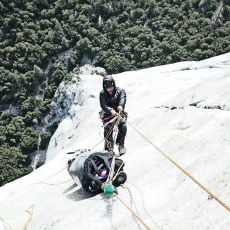
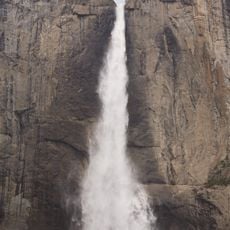
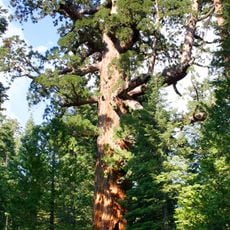
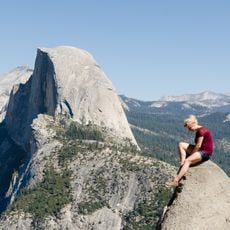
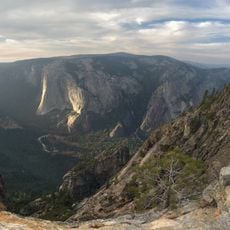
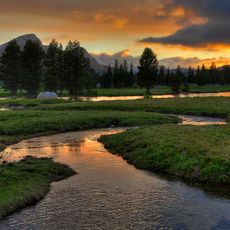
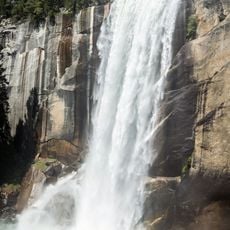
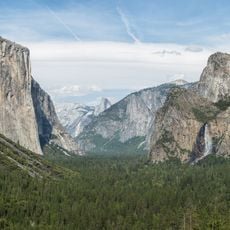
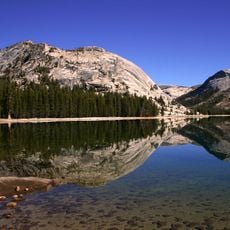
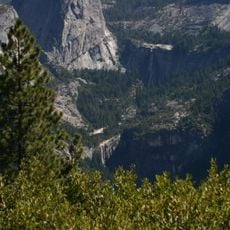
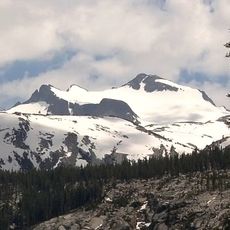
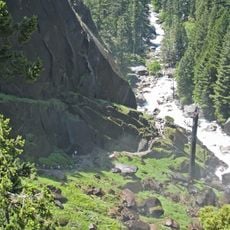
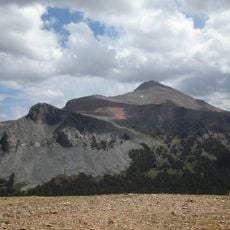
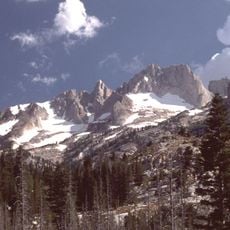
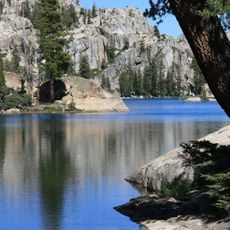
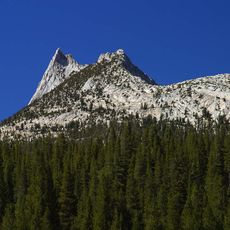
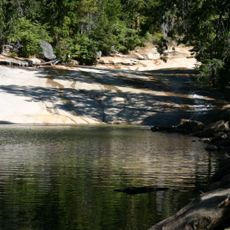
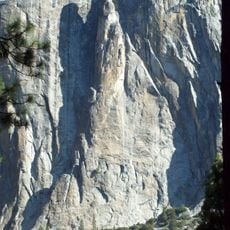
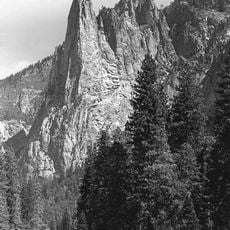
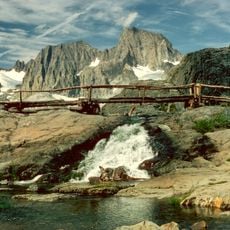
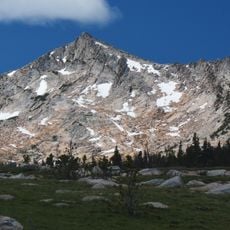
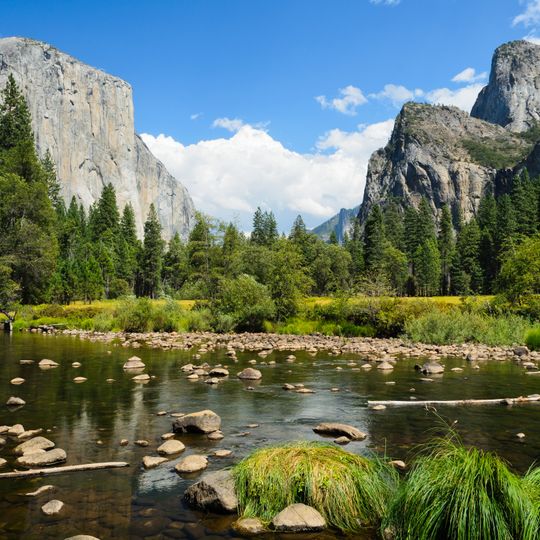
Yosemite National Park is a protected area in the Sierra Nevada of California covering roughly 1,200 square miles (3,100 square kilometers) with granite walls, waterfalls, sequoia groves, and alpine meadows. The Merced River runs through the central valley as waterfalls like Yosemite Falls and Bridalveil Fall pour down sheer rock faces, while formations such as El Capitan and Half Dome shape the landscape between 2,000 and 13,000 feet (600 to 4,000 meters) elevation.
Congress signed the Yosemite Grant in 1864, placing the valley and Mariposa Grove under state protection before campaigns by John Muir led to its designation as a national park in 1890. The Civilian Conservation Corps built roads and facilities during the Depression, and UNESCO granted World Heritage status in 1984 for its geological formations.
The name Yosemite comes from the Miwok word yohhe'meti, meaning "they are killers", which the Miwok used for the Ahwahneechee who lived in the valley; the Ahwahneechee called the region Ahwahnee, "big mouth". The Ahwahneechee were the only tribe living inside the park, while Central Sierra Miwok and Yokuts came to trade and intermarry. Acorns, salmon and deer formed their diet.
Access comes through several roads, though western entrances often close in winter and snow chains become necessary at higher elevations. Shuttle buses run through the valley during summer, while overnight spots require booking months ahead, especially for weekends between May and September.
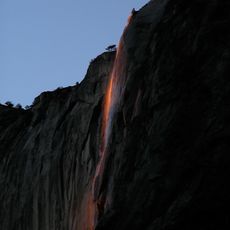
Firefalls appear each February for a few weeks when setting sun lights Horsetail Fall orange and creates the illusion of flowing lava. This natural display draws photographers who wait for the right angle, though clear skies and enough water flow must align at once.
The community of curious travelers
AroundUs brings together thousands of curated places, local tips, and hidden gems, enriched daily by 92,371 contributors worldwide.