Languedoc-Roussillon, Historical region in southern France
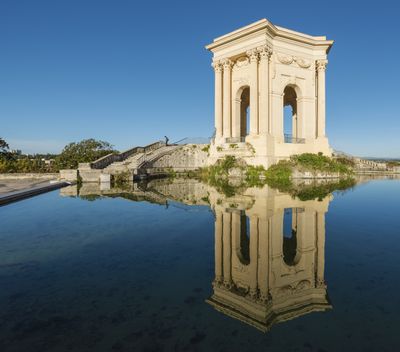
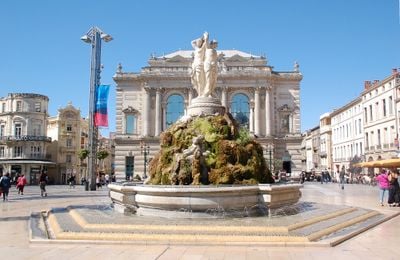
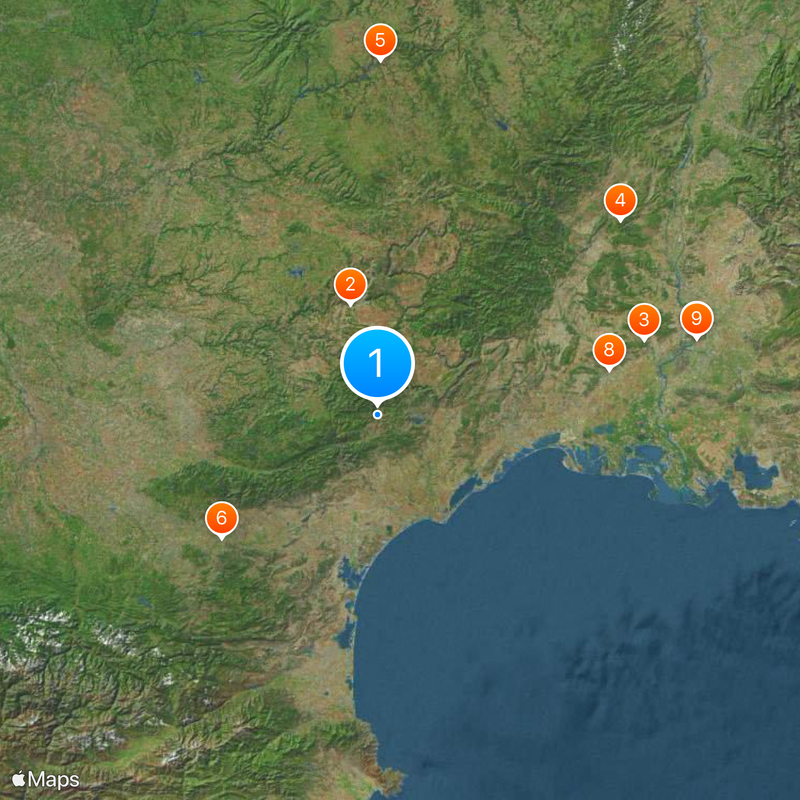
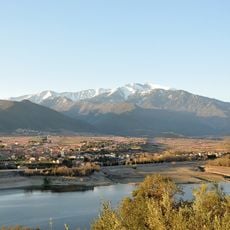
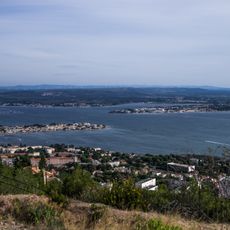
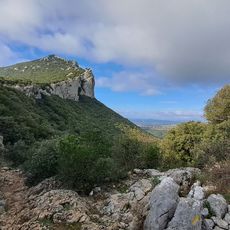
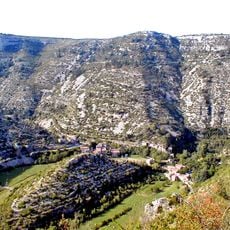
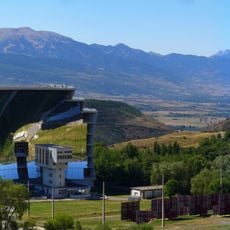
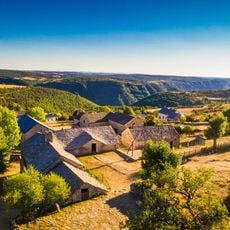
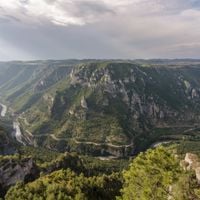
Languedoc-Roussillon is a former administrative region in southern France that stretched from the Mediterranean Sea to the Pyrenees. It covered five departments and linked coastal plains with mountain ranges, where vineyards and garrigue shrubland shape the landscape.
The area was formed in 1960 by merging several historical provinces to promote economic development and tourism. In 2016, the name disappeared when it merged with the neighboring region Midi-Pyrénées, together becoming the new region of Occitanie.
The name comes from the medieval term for the land of Langue d'Oc, a Romance language still spoken by some residents today. In towns like Perpignan, you can hear Catalan words at markets, while Occitan melodies surface during festivals in rural villages.
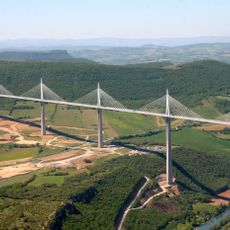
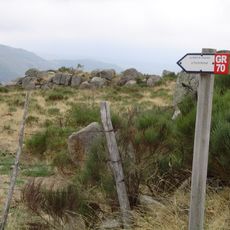
The landscape changes from wide sandy beaches to narrow mountain passes, so travelers moving between coast and hills often cross several climate zones in a single day. Wine routes wind through rolling hills, while hiking trails in higher areas become easier to walk during cooler temperatures.
The Canal du Midi crosses the former area from east to west, linking the Mediterranean and the Atlantic by waterway for over three centuries. Today, houseboats and cyclists use the canal, while plane trees along the banks provide shade.
The community of curious travelers
AroundUs brings together thousands of curated places, local tips, and hidden gems, enriched daily by 90,757 contributors worldwide.