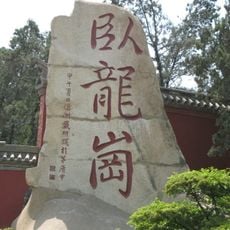
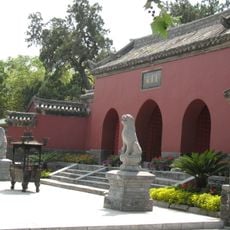
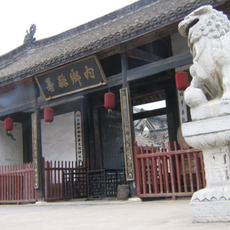
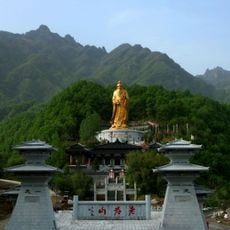
武当山古建筑群, Sacred Taoist temple complex in Wudang Mountains, China
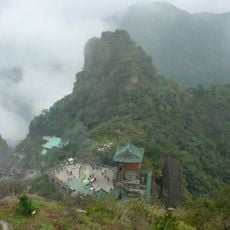
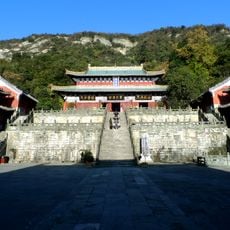
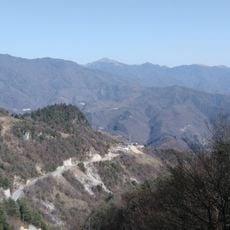
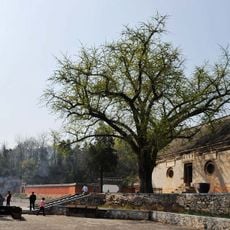
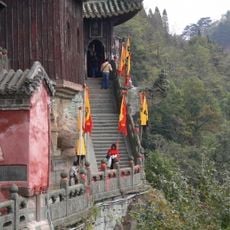
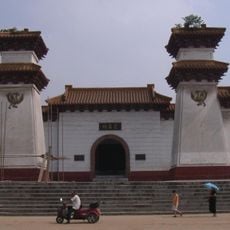
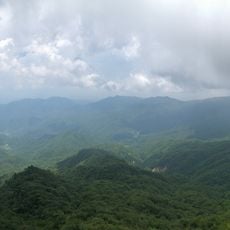
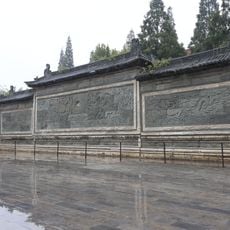
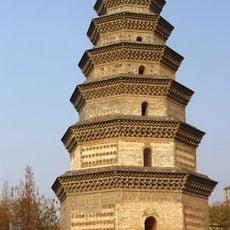
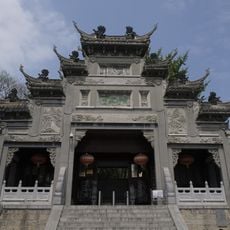
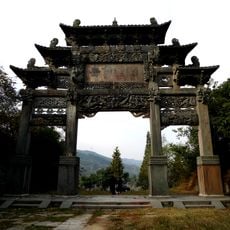
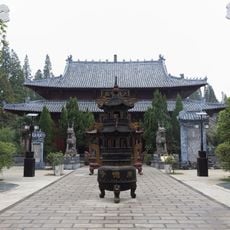
The Wudang temple complex (武当山古建筑群) is a group of more than 80 religious structures, including palaces, monasteries, and shrines, spread across several peaks of the Wudang Mountains in Hubei province, China. The buildings follow the steep terrain closely and are linked by stone pathways and bridges that tie the whole ensemble together into one connected religious site.
Religious construction at the site began during the Tang Dynasty, but most of what stands today was built during the Ming Dynasty as part of large imperial building programs. That period of intensive work turned the complex into one of the most important Taoist centers in the empire.
The complex is a working center for Taoist practice and martial arts training, and visitors can watch practitioners going through their daily exercises and rituals. Monks live in the temples and maintain an active spiritual life that gives the place its particular character.
The site covers steep slopes, and reaching the higher structures requires a solid pair of shoes and enough time to go at a comfortable pace. Starting early in the morning helps avoid the busiest hours and makes the walk between temples much more manageable.
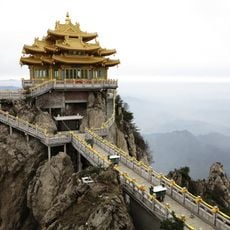
The Golden Hall at the summit of Tianzhu Peak was cast entirely in bronze and assembled at the top after being transported up in separate pieces. This approach was needed because the peak itself was too narrow to allow any construction work to take place directly on site.
The community of curious travelers
AroundUs brings together thousands of curated places, local tips, and hidden gems, enriched daily by 91,327 contributors worldwide.