Italian Peninsula, Peninsula in southern Europe, Italy
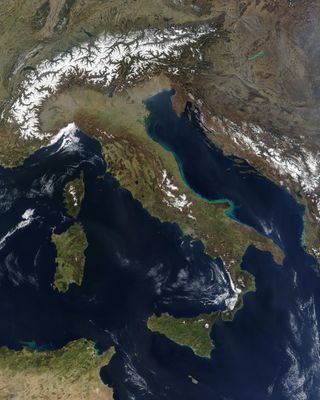
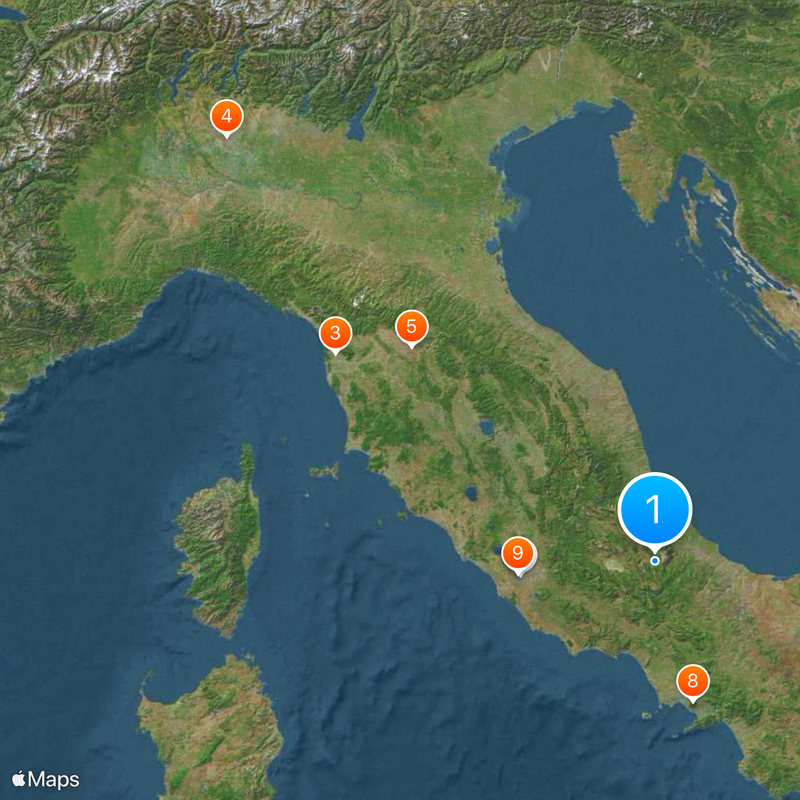
The Italian Peninsula is a landmass in southern Europe extending 960 kilometers from the Po Valley to the Mediterranean, divided lengthwise by the Apennine mountain chain. The shape resembles a boot jutting into the sea, with broad plains in the north and narrower coastal strips toward the south.
The region became the cradle of Roman civilization in 753 BCE, which built an empire ruling over Europe and the Mediterranean. After Rome fell, numerous city-states emerged here in the Middle Ages, later uniting into modern Italy in the 19th century.
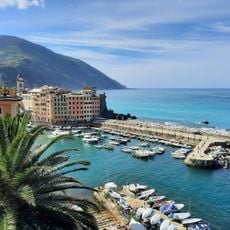
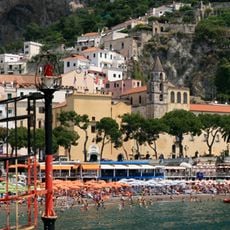
The name comes from the Roman designation for the landmass south of the Alps. Life along the coasts reflects centuries of maritime tradition, where fishermen still cast their nets daily and traders sell fresh catch in harbor markets.
The three surrounding seas—the Tyrrhenian to the west, the Adriatic to the east, and the Ionian to the south—create different coastal landscapes and climates. Inland, mountain roads cross the Apennines and link the two coastal sides together.
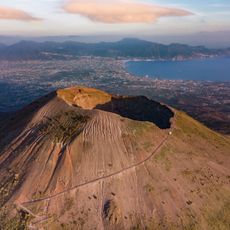
Mount Vesuvius on the western coast is the only active volcano on the European mainland. Its last major eruption in 1944 destroyed several villages and covered wide areas with ash.
The community of curious travelers
AroundUs brings together thousands of curated places, local tips, and hidden gems, enriched daily by 90,790 contributors worldwide.