Isar, Alpine river in Bavaria, Germany
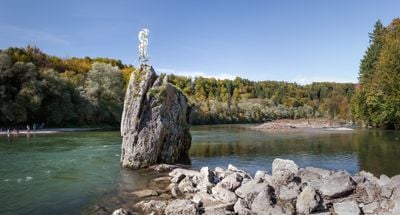
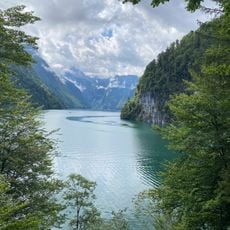
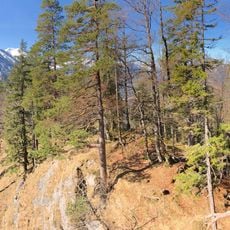
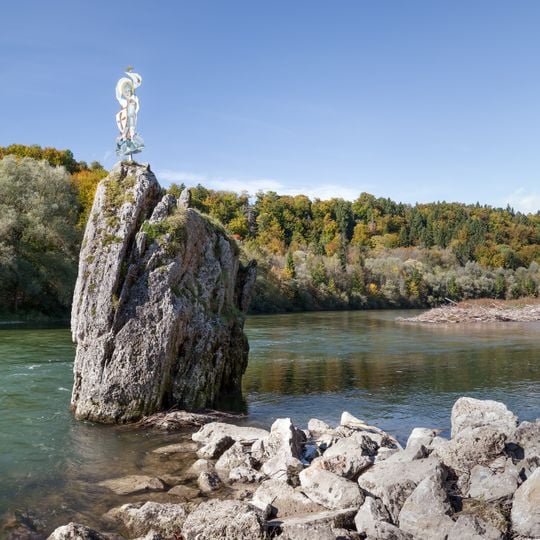
The Isar is a river in the Austrian and Bavarian Alps that flows through valleys and plains before joining the Danube. While the water moves quickly and appears clear in the mountains, the current slows in the lowlands and forms wide gravel banks.
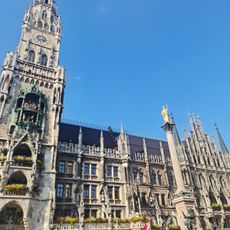
Rafters transported salt, timber, and other goods on the river until the 20th century, when railways and roads took over this role. Several cities along the banks began as trading posts and grew over centuries into economic centers.
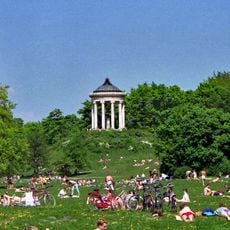
The name Isar likely comes from a pre-Celtic language and roughly means "rushing water," which describes the character of the upper sections. In Munich, locals gather along gravel banks during summer to swim, sunbathe, and meet friends in what has become a tradition of urban outdoor leisure.
Good access points and paths run along the river, especially in settled areas where parks and trails have been laid out for walking or cycling. Visitors should pay attention to the current, which can be strong in some sections, especially after rain or snowmelt.
The river is used by power plants that regulate water levels and flow, which affects swimming spots and the appearance of the river throughout the year. Sometimes surfers can be seen riding standing waves that form at certain points, especially in Munich.
The community of curious travelers
AroundUs brings together thousands of curated places, local tips, and hidden gems, enriched daily by 60,000 contributors worldwide.