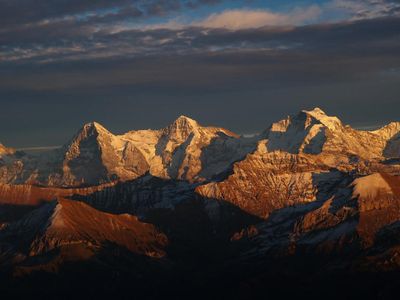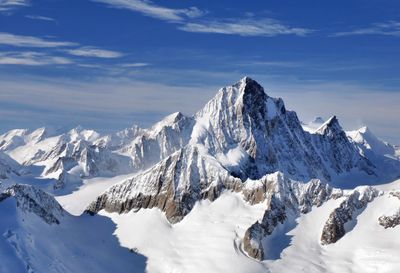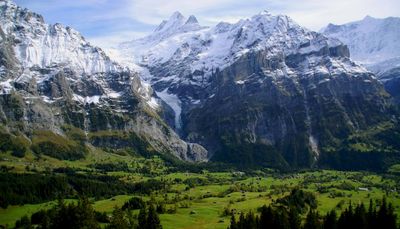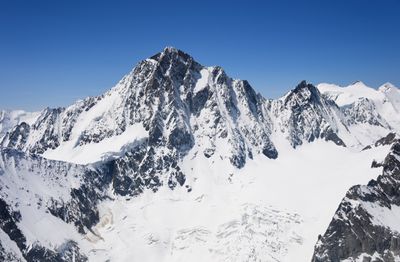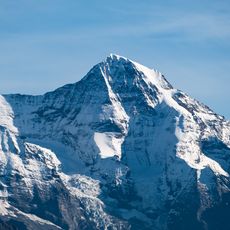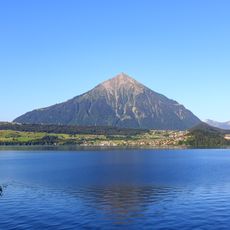
Bernese Alps, Mountain range in Valais, Switzerland.
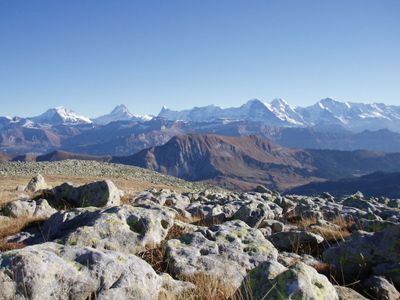
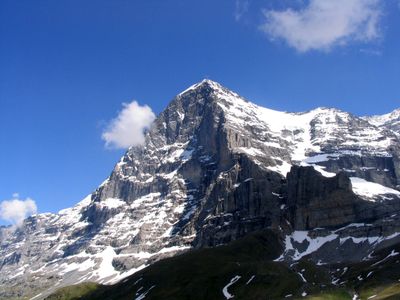
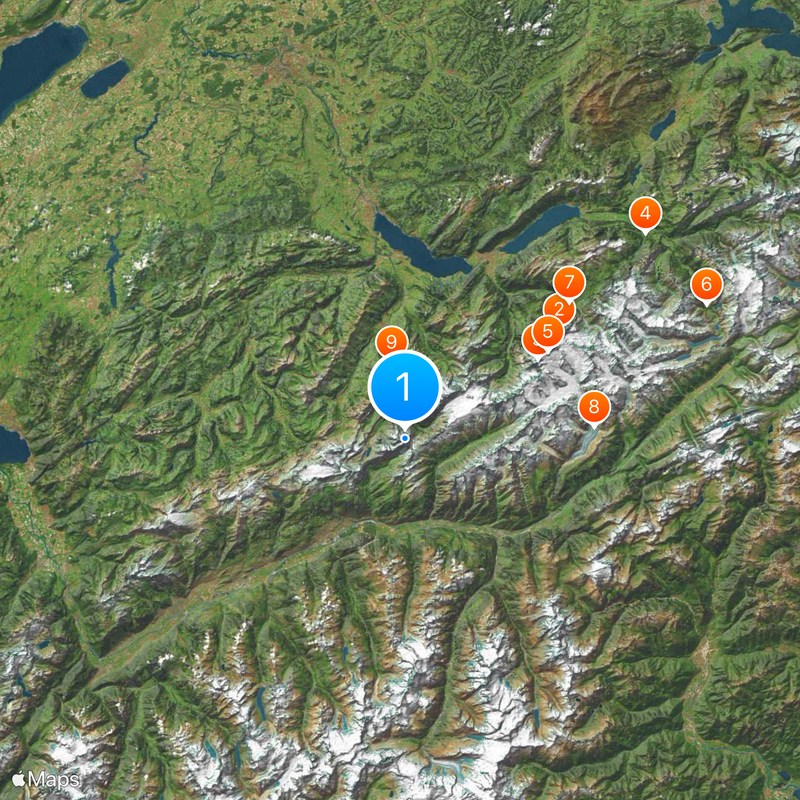
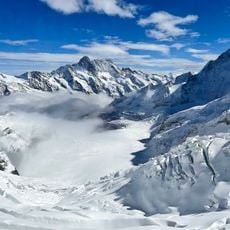
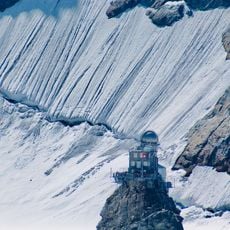
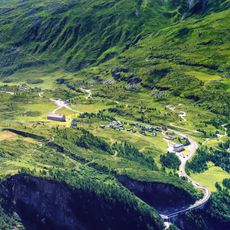
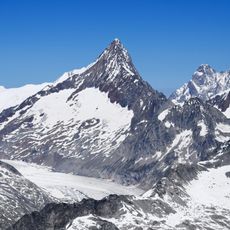
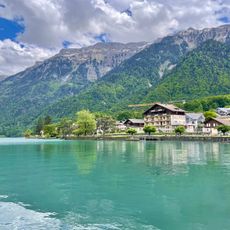
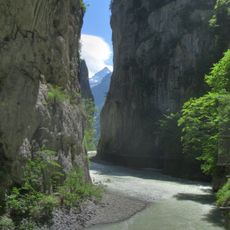
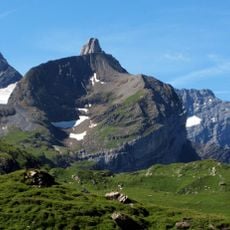
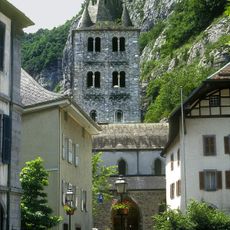
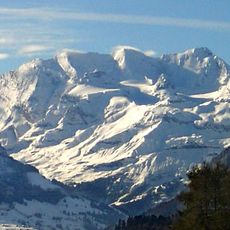
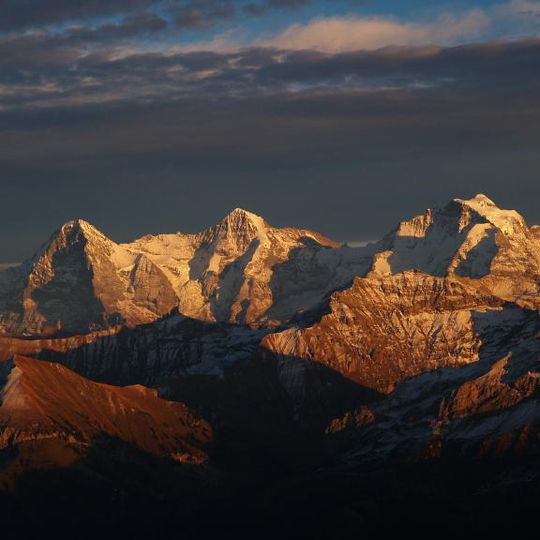
The Bernese Alps form a mountain range extending roughly 100 kilometers from the Saint-Maurice Gorge to Grimsel Pass, with numerous peaks and ridges creating a complex landscape. Deep valleys cut through the massif, with villages like Grindelwald and Lauterbrunnen situated at lower elevations, while multiple glaciers cover sections of higher terrain.
This mountain range formed through tectonic shifts during Alpine uplift millions of years ago and was later shaped by glacial erosion. In the 1800s, scientists like Louis Agassiz began studying glaciers here, fundamentally changing how people understood ice ages and climate.
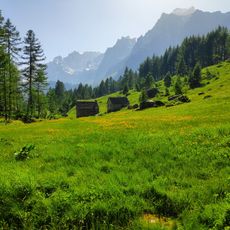
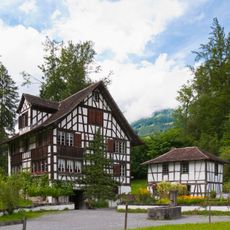
The mountain villages nestled in these valleys, such as Grindelwald and Lauterbrunnen, still organize seasonal celebrations that reflect the rhythm of Alpine farming life. Visitors can observe how local buildings and fields follow patterns shaped by centuries of living with the seasons and the mountains.
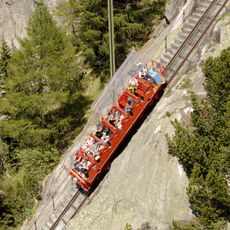
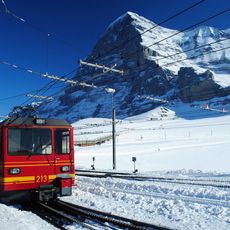
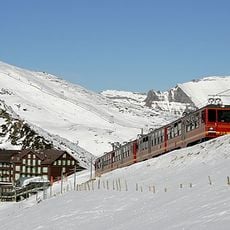
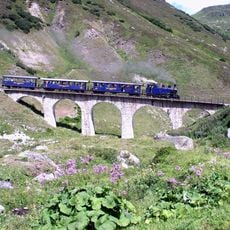
The region can be reached by train through tunnels like the Lötschberg or by car over mountain passes such as Gemmi and Pillon. Summer months offer the best conditions for hiking and exploring the terrain, as winter weather often closes higher passes and makes trails difficult to navigate.
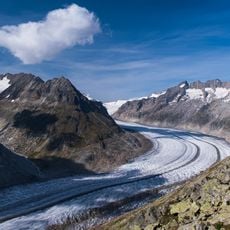
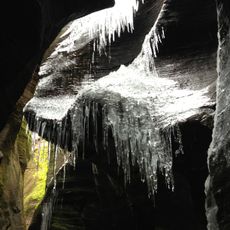
The Aletsch Glacier, the longest glacier in the Alps, lies within this mountain range and forms part of a UNESCO World Heritage site. From above, the glacier displays distinctive blue stripes that reveal how ice continuously shifts and flows downward.
The community of curious travelers
AroundUs brings together thousands of curated places, local tips, and hidden gems, enriched daily by 91,973 contributors worldwide.