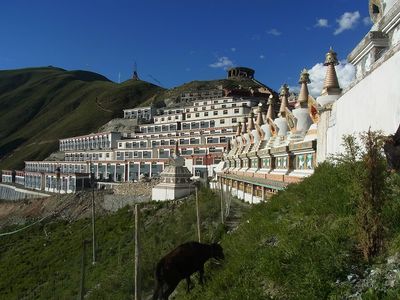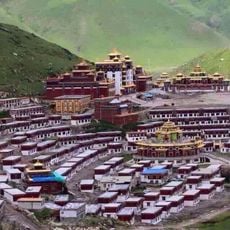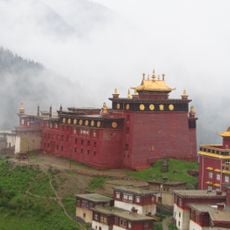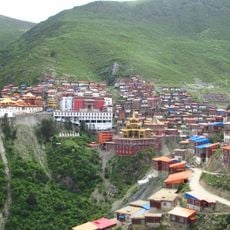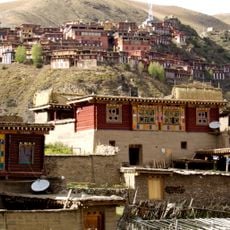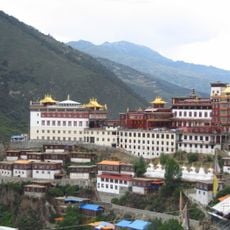
Jyekundo Monastery, Tibetan Buddhist monastery in Gyêgu, China
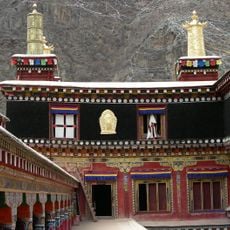
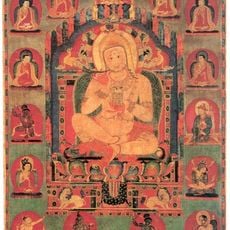
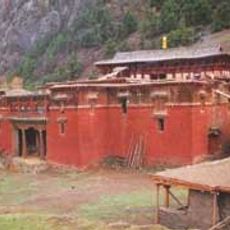
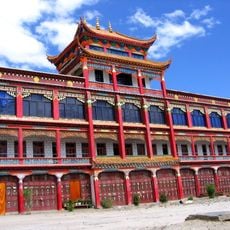
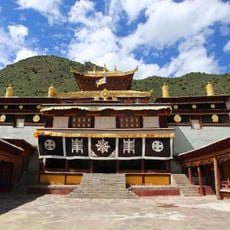
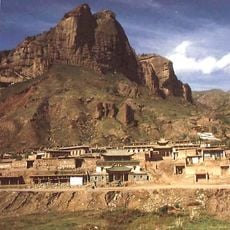
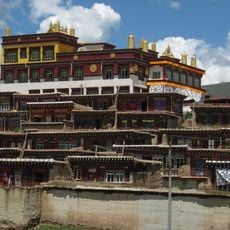
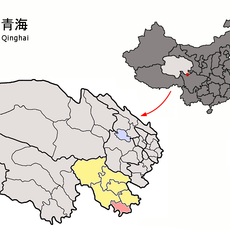
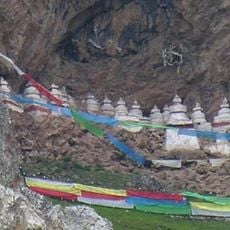
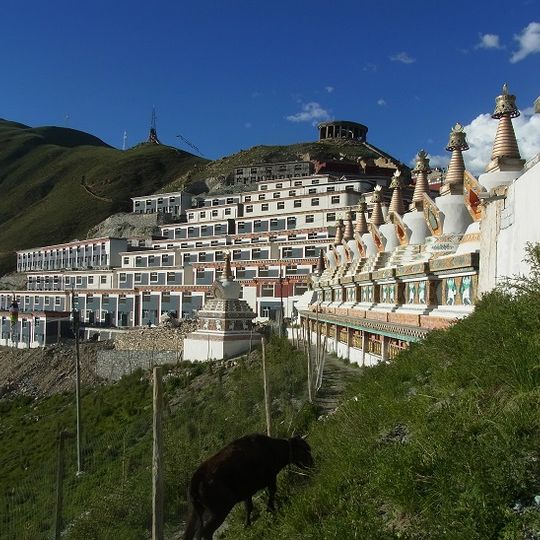
Jyekundo Monastery is a monastic compound in Gyêgu with multiple temple halls that house ancient Buddhist texts, statues, and painted religious scenes. The buildings are organized around central courtyards and contain meditation spaces as well as areas for ritual ceremonies.
The monastery was founded in 1398 and developed from earlier religious sites that represented multiple Buddhist traditions. Over time it became an important institution within the Sakya school and attracted scholars and practitioners.
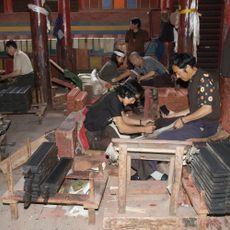
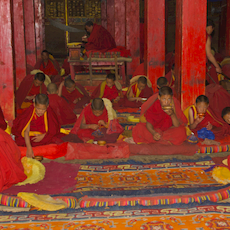
The monastery remains an active center where monks gather daily to study texts and perform rituals that have been practiced for centuries. The community here keeps Buddhist teachings alive through these continuing routines and shared spiritual practices.
Visitors can explore the temple halls and meditation rooms where religious objects and handwritten manuscripts are kept. It is helpful to allow enough time to see the different areas of the complex and examine the collections carefully.
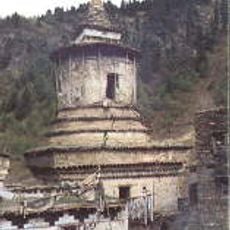
The monastery displays a rare layering of different religious influences in its structures, as it originated from Bon traditions before adopting Buddhist forms. This transition history is visible in the varied architectural elements that reflect different belief systems.
The community of curious travelers
AroundUs brings together thousands of curated places, local tips, and hidden gems, enriched daily by 60,000 contributors worldwide.