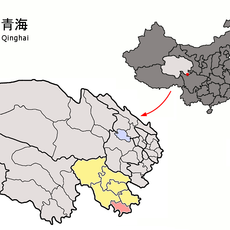
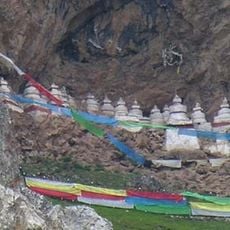
Karma Gon Monastery, Buddhist monastery in Karma, China
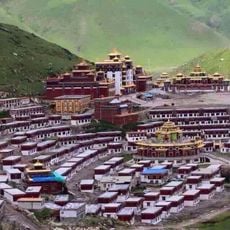
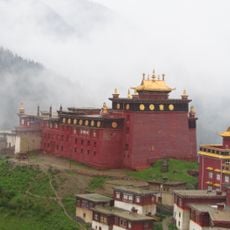
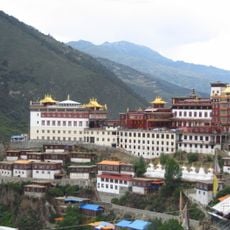
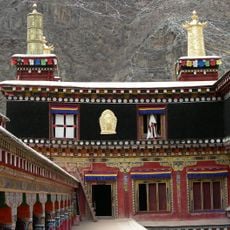
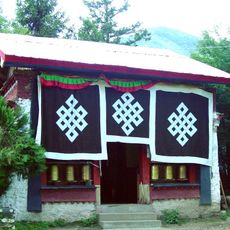
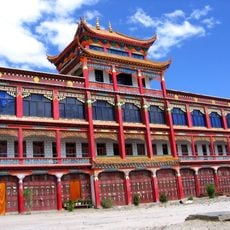
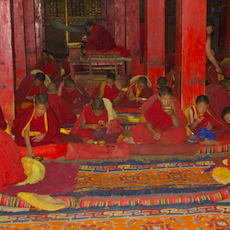
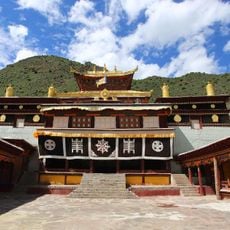
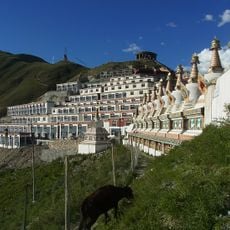
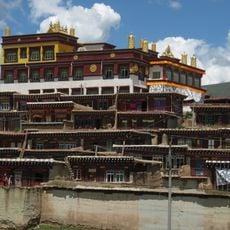
Karma Gon Monastery is a Buddhist temple complex centered around a large Assembly Hall with a hundred pillars and twelve chapels inside. The chapel walls display detailed murals that tell stories of Buddhist teachings and events from the monastery's past.
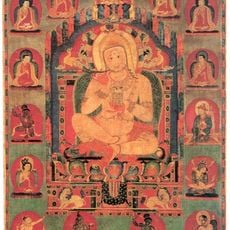
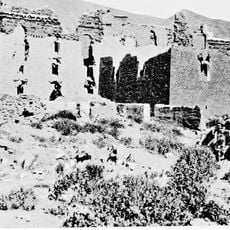
Founded in the 12th century by Düsum Khyenpa, the 1st Karmapa, Karma Gon was the first monastery of the Karma Kagyu school; some sources give 1147, others 1184. The Ming court extended its jurisdiction over the middle and upper Mekong, and it was also called Gama Dansa Si. The 5th Karmapa, Deshin Shekpa, appointed Chokyi Gyaltsen as Master of Studies here, and the 8th Tai Situpa, Chokyi Jungne, left in 1717 to found Palpung, after which Karma Gon declined.
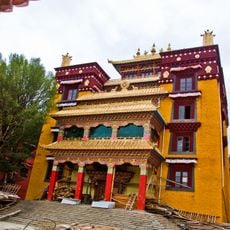
The monastery's name links it to Karma Dansa, the administrative seat of the Karma Kagyu, and the Ming court extended its jurisdiction over the middle and upper Mekong. Its surviving buildings combine Tibetan, Naxi (Jang) and Chinese styles, evidence of influence reaching as far south as Lithang. Upstairs, a room sealed by a chain-mail curtain is where 100 monks study the 8th Karmapa's commentaries.
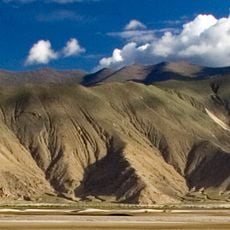
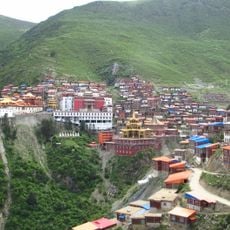
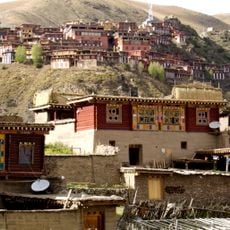
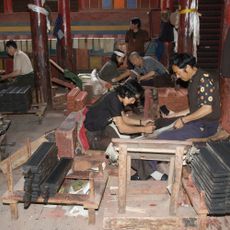
The monastery sits on the eastern bank of the Dzachu River and remains an active place for religious ceremonies. Visitors should approach the site with respect for ongoing spiritual practices and the monks living there.
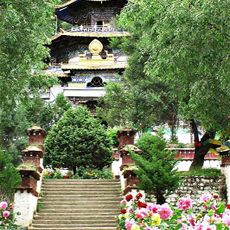
The three stupas in the Khandro Bumtang meadow hold the relics of the First Karmapa Düsum Khyenpa, the First Situ Rinpoche and Wangchuk Chobar, a senior student of the former. Behind them stands a chapel with the gilded stupa of Karma Pakshi (1204–1339), which contains sacred tooth relics. Above the monastery, ruined hermitages sit in the crags, including that of the First Karmapa, now marked with prayer flags.
The community of curious travelers
AroundUs brings together thousands of curated places, local tips, and hidden gems, enriched daily by 92,881 contributors worldwide.