Xihoudu, Paleolithic archaeological site in Ruicheng County, China.
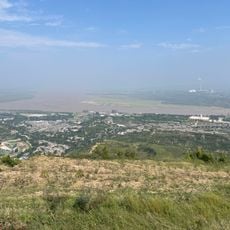
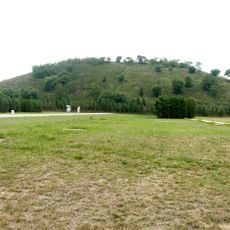
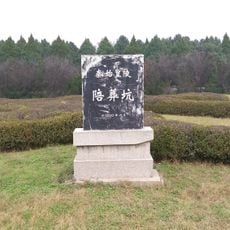
Xihoudu is a Paleolithic archaeological site located on a terrace overlooking the Yellow River and containing traces of ancient human settlement. Excavations uncovered stone blades and scraping tools fashioned from materials such as quartzite and lava.
The site dates back approximately 1.8 million years, ranking among the earliest identified Paleolithic cultural sites in China. Scientific investigation since 1961 has steadily revealed more information through successive excavation campaigns.
The name refers to its position west of a riverside structure, where visitors can observe the preserved remains of ancient tools and animal bones today. These findings provide insight into how early humans lived and interacted with their environment in this region.
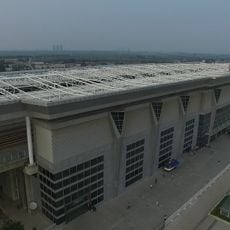
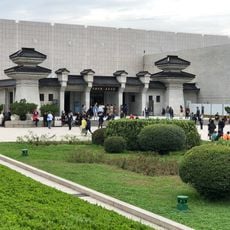
An on-site exhibition hall displays the artifacts collected over multiple decades in an organized manner. The location on a terrace above the river allows visitors to understand the geographic setting and spatial relationship to the waterway.
Excavations uncovered fossils of fish and beavers, indicating the former presence of large water bodies in the region. These discoveries show how different the landscape once was and what animals inhabited the area during that era.
The community of curious travelers
AroundUs brings together thousands of curated places, local tips, and hidden gems, enriched daily by 92,338 contributors worldwide.