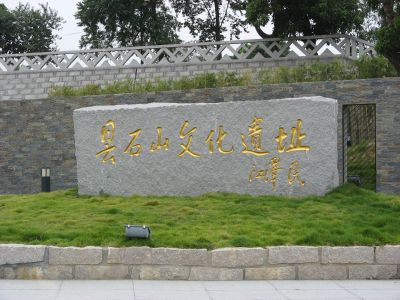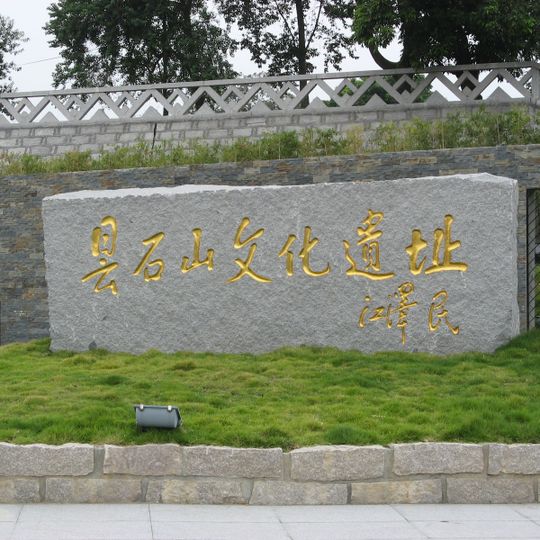
Tanshishan Site, Archaeological site in Minhou County, China.
Tanshishan is an archaeological site near Fuzhou that holds remains from Neolithic settlements spread across several excavated areas. Visitors can see ancient pottery, stone tools, bone implements, and shell artifacts that have been uncovered in trenches, ash layers, and kiln remains.
Villagers building a flood embankment on Tanshishan in January 1954 uncovered pottery, stone, bone and shell objects, halting soil removal. A joint team dug 30 square metres that March, recovering 2,643 finds, and scholars at Nanjing Museum first proposed the name Tanshishan Culture. Ten campaigns through 2009 exposed about 2,000 square metres; the site was named a national key cultural relic in 2001 and entered China's top 100 archaeological discoveries in 2021.
The name Tanshishan Culture was formally proposed after the first excavation in 1954 and confirmed in the 1960s as Fujian's first named archaeological culture. Finds include shell tools such as shell adzes, knives and spades, and pottery forms like the grey pottery tower-shaped vessel from tomb 125, which held wick and soot remains and is called the "first lamp of China".
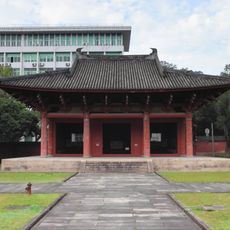
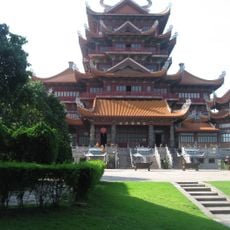
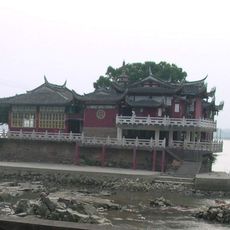
The site sits about 20 km from Fuzhou and is accessible through guided tours that focus on the excavated discoveries. Most visitors spend about 1 to 2 hours exploring the different exhibition areas and excavation zones to get a full sense of what has been uncovered.
Tomb 125 held a grey pottery tower-shaped vessel with wick and soot traces inside, likened to an oil lamp and called the "first lamp of China". A female skull from the site shows a cheekbone structure found in Japanese populations, nicknamed the "Japanese bone".
The community of curious travelers
AroundUs brings together thousands of curated places, local tips, and hidden gems, enriched daily by 93,989 contributors worldwide.