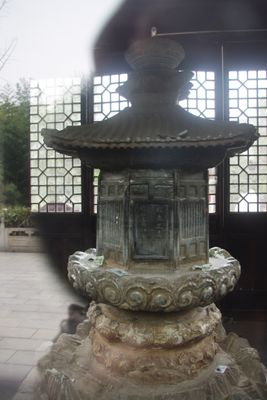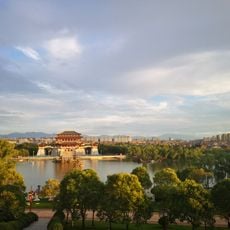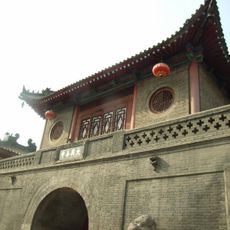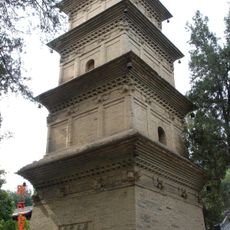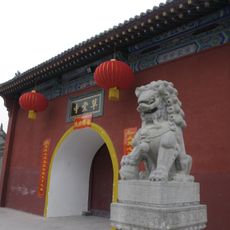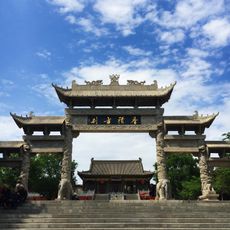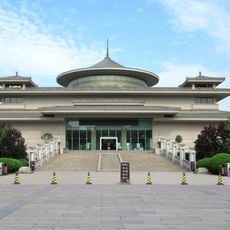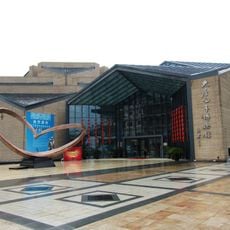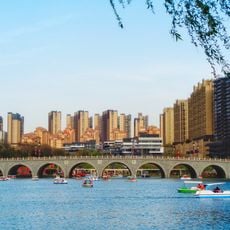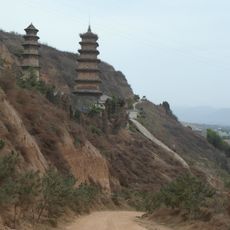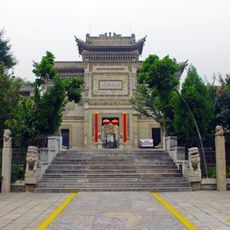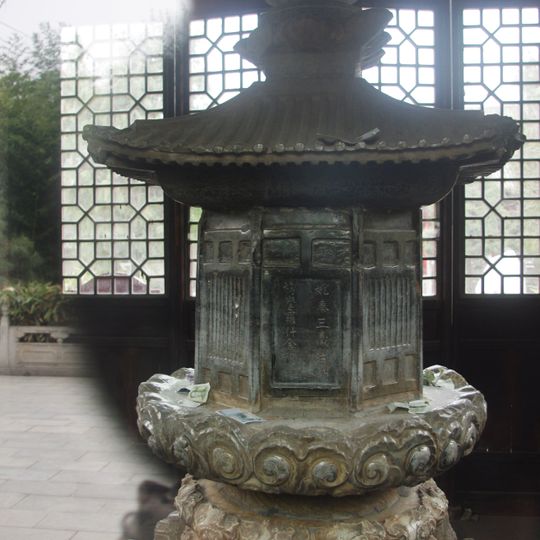
鸠摩罗什舍利塔, Buddhist stone tower in Huyi District, China.
Kumarajiva's stupa is a stone tower with an octagonal form and detailed carvings that display traditional Chinese building techniques. The structure stands as a monument in Huyi District and shapes the local landscape with its distinctive silhouette.
The stupa was built in the 4th century to house the remains of Kumarajiva, an influential monk who translated Buddhist texts into Chinese. This translation work fundamentally transformed how Buddhism was understood across China.
The site bears Kumarajiva's name and draws Buddhists who come to meditate and express their devotion at this sacred spot. It represents the spiritual bridge between Indian and Chinese Buddhism that developed through his teachings.
The site welcomes visitors daily and is especially busy during Buddhist festivals when many devotees come to meditate and pray. The surroundings are well maintained and allow visitors to experience the quiet and spiritual character of the place.
Kumarajiva's actual remains are enclosed within the stupa, making this one of the rare physical connections to this significant historical translator. Pilgrims and scholars visit the shrine to feel a direct link to ancient Buddhist history.
The community of curious travelers
AroundUs brings together thousands of curated places, local tips, and hidden gems, enriched daily by 60,000 contributors worldwide.