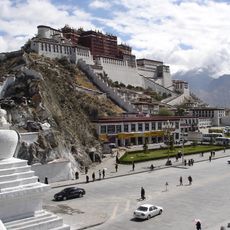
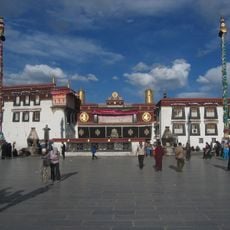
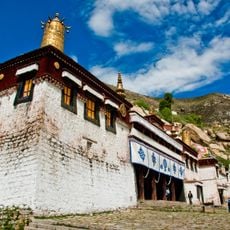
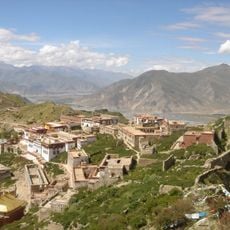
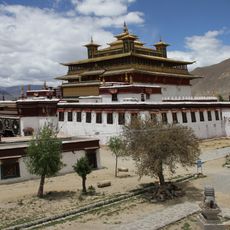
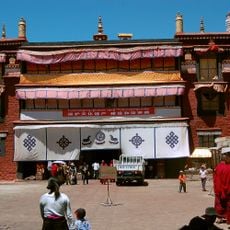
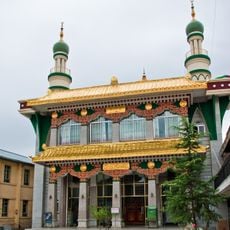
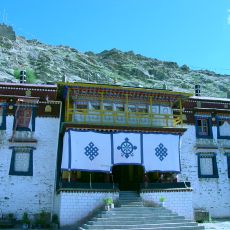
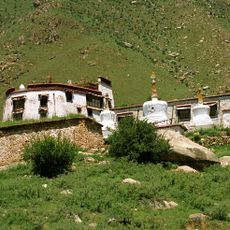
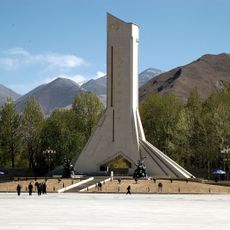
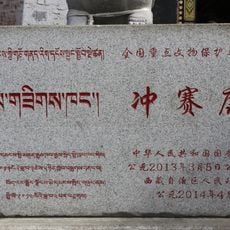
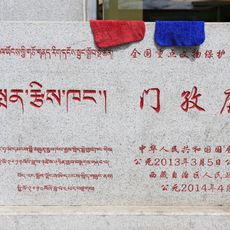
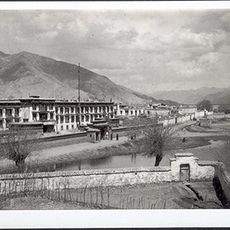
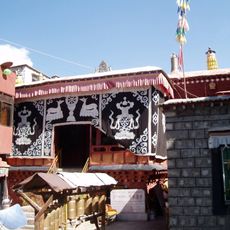
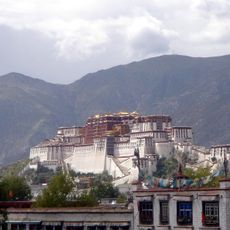
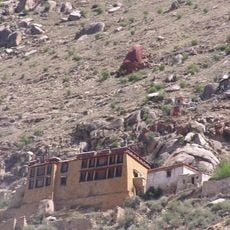
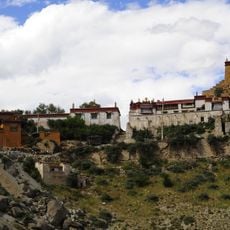
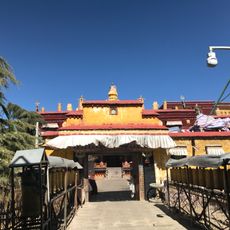
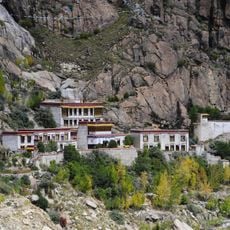
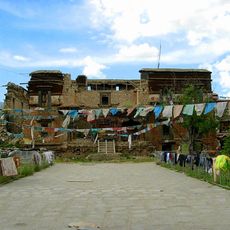
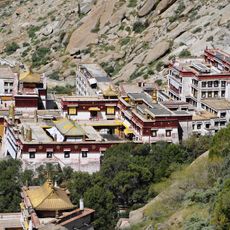
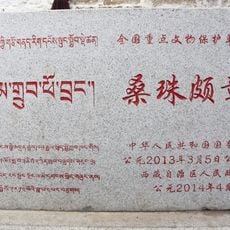
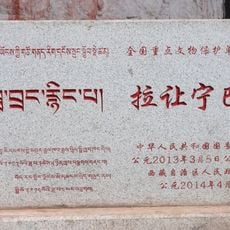
Gyama Palace, Archaeological site in Maizhokunggar County, Tibet, China.
Gyama Palace is an archaeological site in Maizhokunggar County with preserved defensive fortifications from multiple periods. The ruins contain arrow slits in walls and strategically placed pit traps positioned near the entrance areas.
The palace was founded in the 6th century as the seat of a Tibetan ruler, later abandoned when his son relocated to establish a new capital. This move marked a major turning point in Tibetan political organization.
The site reveals how ancient Tibetan builders designed fortifications and arranged defensive positions, with visible details still apparent in the walls and gate structures. Walking through shows the practical thinking that guided the original construction.
The site sits about 70 kilometers west of the capital and is accessible by road, though visits work best during drier weather. The ruins are spread across terrain, so comfortable footwear and time to explore are necessary.
The pit traps were cleverly engineered as obstacles to stop horse groups approaching the entrance area. This construction reveals how specifically the defenses were designed for the military tactics of that time.
The community of curious travelers
AroundUs brings together thousands of curated places, local tips, and hidden gems, enriched daily by 92,352 contributors worldwide.