French Riviera, Mediterranean coastal region in Provence-Alpes-Côte d'Azur, France
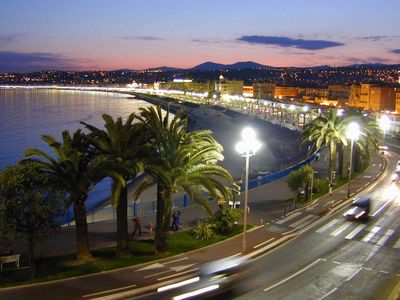
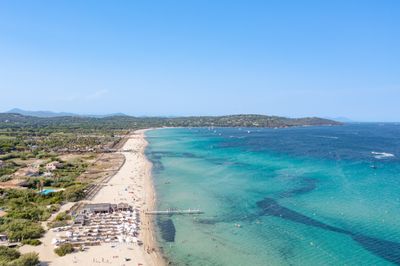
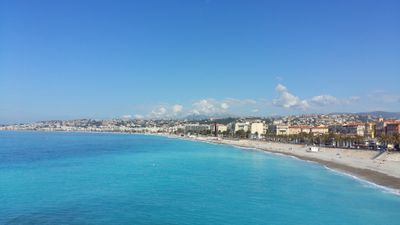
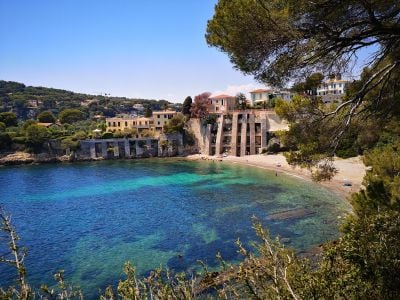
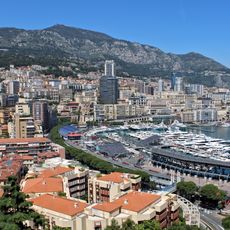
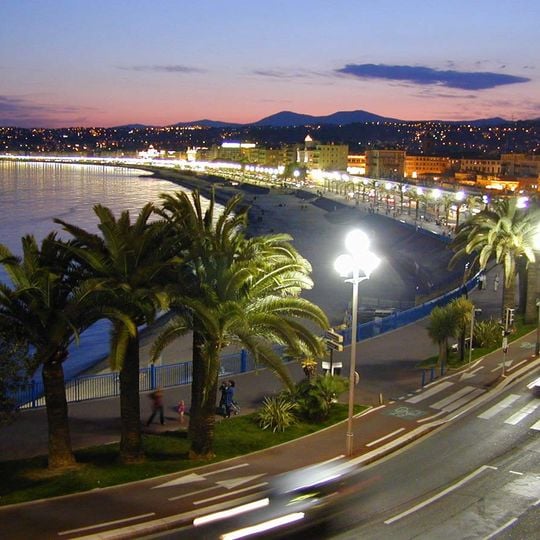
The Côte d'Azur is a Mediterranean coastal stretch that runs along the southeastern edge of France from Italy to Saint-Tropez. The shoreline alternates between sandy beaches, pebble coves, and rocky inlets, while promenades and low hills covered with Mediterranean vegetation follow the sea and connect towns like Nice, Cannes, and Antibes.
In the 19th century, the area was a winter retreat for British aristocrats seeking warm weather and fresh air, and grand hotels were built between Menton and Nice. After World War I, the coast became a summer travel destination when American writers and artists popularized beach vacations and established the summer season as the main visiting period.
Along the coast, fishing villages have turned into resorts, but locals maintain their routines: boules players gather in squares, and families shop for fresh fruit and vegetables at weekly markets. In the streets of Menton, Nice, and Antibes, Provençal is spoken in the mornings, and older generations continue to uphold eating habits that involve fresh fish, olive oil, and local vegetables.
Visitors can travel between towns by train or car, and walking trails link smaller villages across the hills that sit above the coast. Most facilities remain open from April to October, though hotels and restaurants in larger cities operate year-round and offer milder weather and fewer crowds during the winter months.
Many of the narrow streets in coastal towns were originally laid out for mules and handcarts and remain so tight that cars can barely pass through them. Between Nice and Monaco lies the Basse Corniche, a coastal road that winds around cliffs and runs directly above the sea, passing small coves and abandoned forts.
Location: Provence-Alpes-Côte d'Azur
Address: French Riviera, France
Website: https://provence-alpes-cotedazur.com
GPS coordinates: 43.32000,6.66500
Latest update: December 3, 2025 07:28
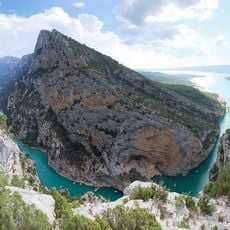
France offers motorcyclists a diverse landscape, from Alpine peaks to Mediterranean coasts, including wine regions. The country is suitable for all riding styles, with demanding mountain roads, winding coastal routes, and rural paths. Key routes include the Col de la Bonette, reaching 2802 meters and connecting Ubaye to Tinée over 26 kilometers. The Gorges du Verdon feature 21 kilometers of rock-carved road, passing through tunnels and 700-meter-high cliffs. The Routes of the Great Alps cross 16 passes over 684 kilometers between Lake Geneva and the Mediterranean, with a total ascent of 15,700 meters. Mount Ventoux, accessible via three routes and standing at 1912 meters, passes through lavender fields and vineyards in Provence. Regions display striking contrasts: Corsica alternates between cliff roads and pine forests, the French Riviera combines coast and mountainous hinterland, and Dordogne winds between limestone cliffs and medieval villages. Lake Annecy connects water bodies with forested mountain passes. These routes feature technical curves, varied landscapes, and cultural sites.
Between Nice and Monaco, coastal trails provide the opportunity to explore the Mediterranean coastline through various routes. The Cap d'Ail Coastal Path, Nietzsche's Path in Èze with 400 meters of elevation gain, and the Mont Boron Park in Nice with its 11 kilometers of marked trails allow exploration of the region from different perspectives. These routes alternate between seaside sections and uphill segments, offering views over the coast and inland areas. The geological diversity of the region is evident in the limestone cliffs lining the Route des Crêtes between La Ciotat and Cassis, the rock formations of Cap d'Ail, and the red rocks of the Esterel Massif. Further inland, the Verdon Gorges feature a canyon 700 meters deep, while the Mercantour National Park houses the Sentier des Géants within its ancient forest. The historical heritage marks these routes: the Nice Observatory on Mont Gros dates from the 19th century, Fort La Revere overlooks the coast from 696 meters altitude, and Saint-Honorat Island preserves its active monastery. These trails serve as direct accesses to the nature and history of the French Riviera.
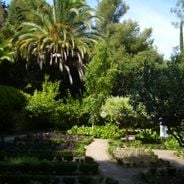
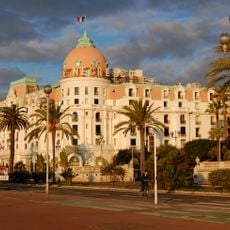
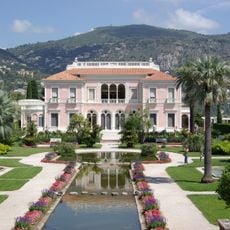
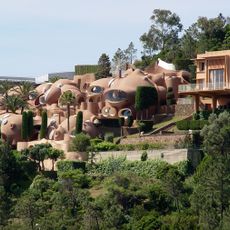
The French Riviera between Monaco and Saint-Tropez features a diverse architectural heritage reflecting centuries of history. Visitors can explore medieval villages such as the historic center of Grasse, known as the perfume capital since the 16th century, or Saint-Paul-de-Vence, home to the Maeght Foundation and its modern art collection. The region also has Belle Époque buildings like the Negresco Hotel in Nice, along with 20th-century architectural creations such as the Palais Bulles in Théoule-sur-Mer. Mediterranean gardens are another attraction along this coastal area. The Villa Ephrussi de Rothschild in Saint-Jean-Cap-Ferrat has nine themed gardens with vegetation suited to the local climate. The Bastide du Roy in Antibes preserves its geometric gardens and century-old olive trees. The coastline offers several vantage points overlooking the Mediterranean Sea, notably from the Le Corbusier Promenade connecting Cap Martin to Monaco over two miles, or from coves like Coco Beach where rocks and pebbles enable swimming and marine life observation.
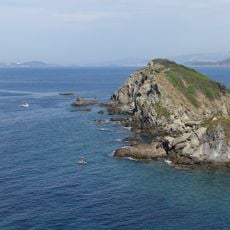
The French Riviera presents high cliffs, coastal paths, and observation platforms. From Cap d'Ail to Saint Tropez, locations like Mont Boron Park, Cap Canaille, and Massif de l'Esterel provide extensive views of the Mediterranean Sea. Gardens, lighthouses, and historical towers offer additional perspectives of the coastal landscape.
These campsites are located along the French Mediterranean coast between Mandelieu-la-Napoule and Cagnes-sur-Mer. They offer pitches for tents and motorhomes, as well as mobile homes for rent. Most facilities are situated less than one kilometer from the sea with direct access to the beaches of the region. The facilities include swimming pools, water areas and modern sanitary blocks. Many campsites feature restaurants, grocery stores and organize leisure activities for families. The location on the French Riviera allows for trips to Cannes, Antibes and Nice, all reachable within a short drive.
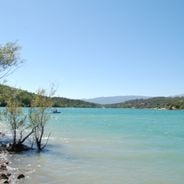
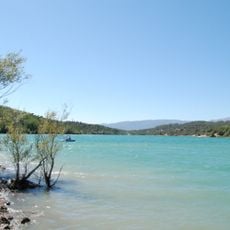
The lakes of the Provence-Alpes-Côte d'Azur region stretch from the Southern Alps to the Verdon. The Serre-Ponçon lake, with its 28 km², offers beaches and coves bordered by forests. The Sainte-Croix lake is the third-largest lake in France. Altitude lakes such as Allos and Sainte-Anne exceed 2400 meters. The Berre pond represents the largest regional saltwater expanse with 155 km². These natural and artificial lakes offer swimming, water activities, and local wildlife observation.
Circuit Paul Ricard
71.2 km
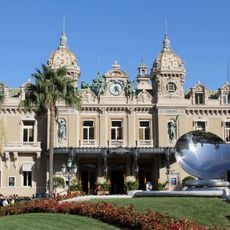
Monte Carlo Casino
77.3 km
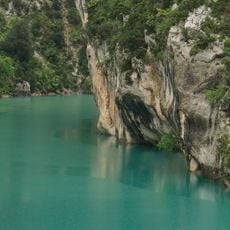
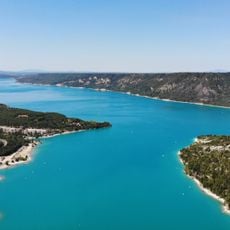
Verdon Gorge
55 km
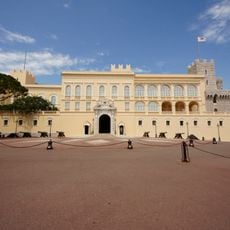
Prince's Palace of Monaco
76.2 km
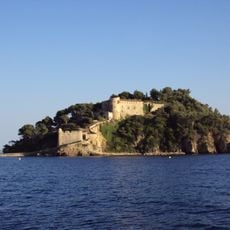
Fort de Brégançon
37.6 km
Allianz Riviera
60.4 km
Lake of Sainte-Croix
62.8 km
Montagne Sainte-Victoire
86 km
Villa La Léopolda
68.4 km
Promenade des Anglais
62.6 km
Château Miraval
53.6 km
Hotel Negresco
63.5 km
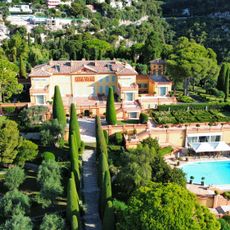
Villa Ephrussi de Rothschild
68 km
Palais Bulles de Pierre Cardin
29.3 km
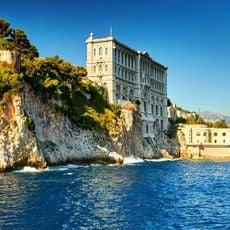
Musée océanographique de Monaco
76.5 km
Cathedral of Our Lady Immaculate
76.3 km
Mont Agel
79.6 km
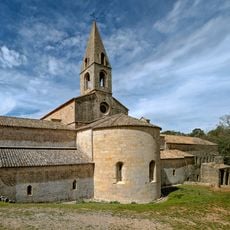
Le Thoronet Abbey
36 km
Villa Nellcote
67.9 km
Lac de Saint-Cassien
31.3 km
Villa Noailles
48.8 km
Villa Kerylos
68.8 km
Pampelonne
10.3 km
Château of Vauvenargues
89.6 km
Basilique Sainte-Marie-Madeleine de Saint-Maximin-la-Sainte-Baume
66.5 km
Fondation Maeght
55.8 km
Château de la Croë
45.5 km
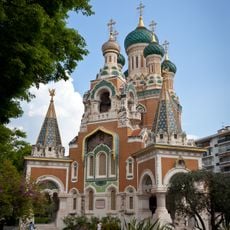
Russian Orthodox Cathedral, Nice
63.9 kmReviews
Visited this place? Tap the stars to rate it and share your experience / photos with the community! Try now! You can cancel it anytime.
Discover hidden gems everywhere you go!
From secret cafés to breathtaking viewpoints, skip the crowded tourist spots and find places that match your style. Our app makes it easy with voice search, smart filtering, route optimization, and insider tips from travelers worldwide. Download now for the complete mobile experience.
A unique approach to discovering new places❞
— Le Figaro
All the places worth exploring❞
— France Info
A tailor-made excursion in just a few clicks❞
— 20 Minutes