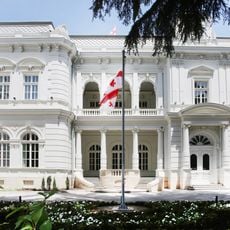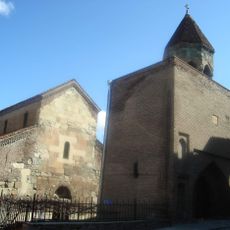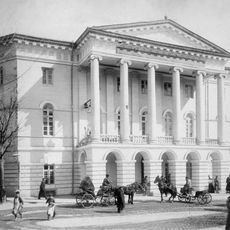
Armenian Cathedral of Tbilisi, Armenian monastery in Tbilisi, Georgia
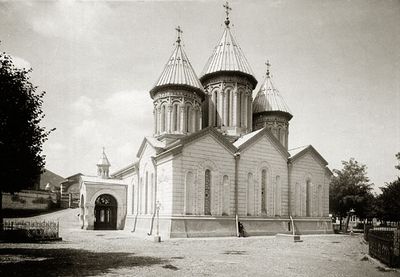
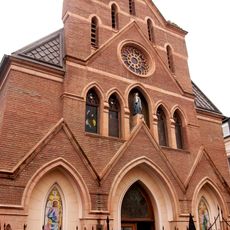
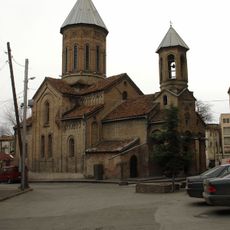
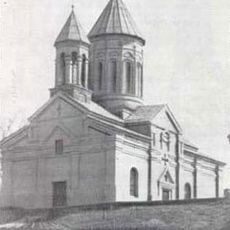
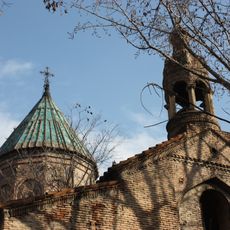
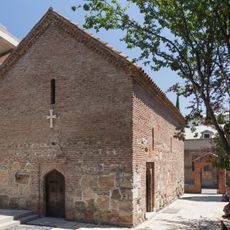
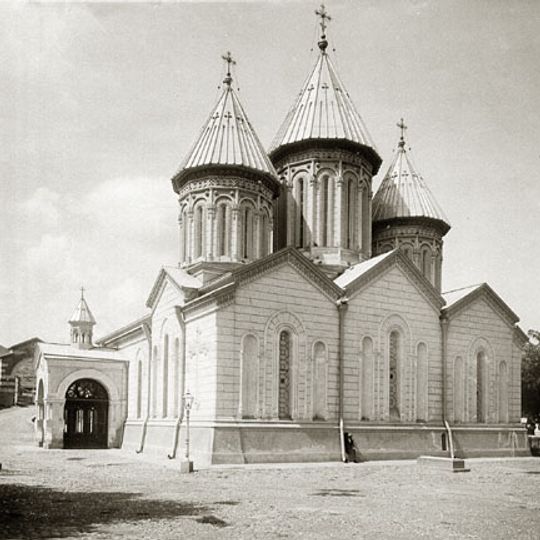
The Armenian Cathedral is a monastery in Tbilisi built with brick walls finished in stucco and designed following an open cross floor plan. The structure displays traditional Armenian architectural features that shape both its exterior appearance and interior spatial organization.
The cathedral was founded in 1720 during a period when the Armenian community held significant influence in Tbilisi's commerce and cultural life. This founding moment marked the institutional establishment of Armenian presence in the city and their anchored role within the urban fabric.
The cathedral serves as the principal gathering place for Tbilisi's Armenian community, where religious practices continue to shape the daily rhythm of worship. This function makes it a living center of faith rather than merely a historical monument.
The site remains open for visits and continues to function as an active place of worship with regular services held throughout the week. It is advisable to plan your visit outside of prayer times to explore the space more freely and respectfully.
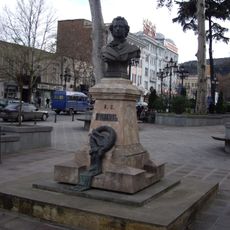
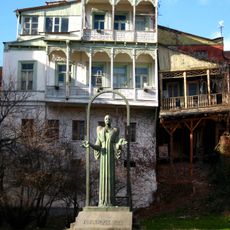
The grounds hold the tomb of Sayat-Nova, an 18th-century Armenian poet whose works were composed in three different languages. This multilingual poet bridged Armenian, Georgian, and Azerbaijani verses, leaving a culturally rare legacy at this location.
The community of curious travelers
AroundUs brings together thousands of curated places, local tips, and hidden gems, enriched daily by 92,389 contributors worldwide.