Kara, Uttar Pradesh, human settlement in India
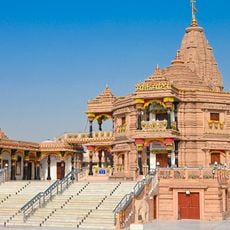
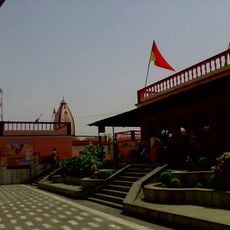
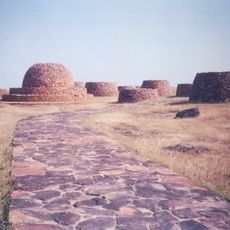
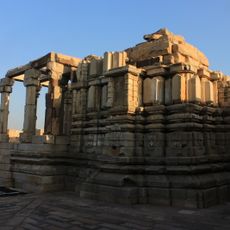
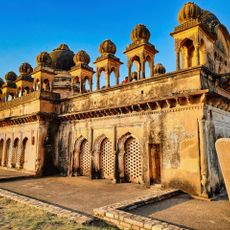
Kara is a small town on the right bank of the Ganges River in Uttar Pradesh, about 69 kilometers west of Prayagraj. The flat landscape is marked by farmland growing wheat and rice, while old temples and ruins tell of a once-important settlement.
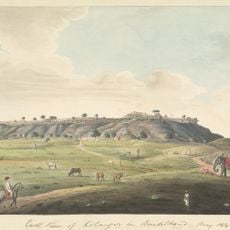
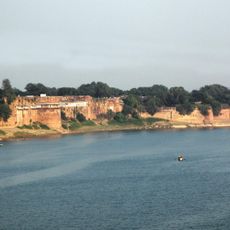
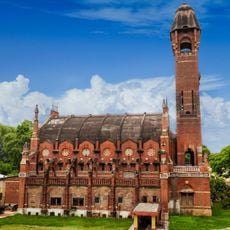
Kara served as a significant center for over a thousand years, functioning as an administrative and trade hub for various sultanates and the Mughal Empire. The ruins of a fortress on a high mound overlooking the Ganges mark its military importance during the medieval period.
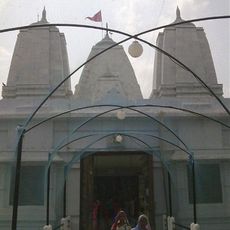
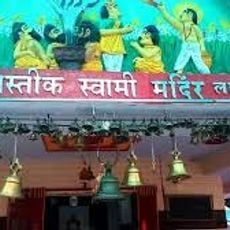
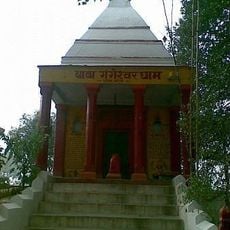
The name Kara reflects its past as a regional center. Today, the river shapes daily customs: locals wash clothes on the banks, fishermen sell their catch at markets, and during festivals like Diwali and Holi, people gather at temples and ghats to pray and celebrate together.
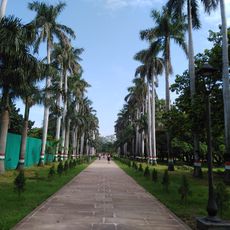
The best way to explore the town is on foot through quiet streets and along the river, especially in early morning or evening hours. Temples are open during daylight, and you can observe daily activity on the banks, with local markets most active during daytime.
The site holds special significance in Sikh history: in the 17th century, Guru Tegh Bahadur, the ninth Sikh Guru, visited and met the local saint Maluk Das here. This encounter symbolizes dialogue between different faith traditions and shows how Kara was a place of mutual respect and spiritual exchange.
The community of curious travelers
AroundUs brings together thousands of curated places, local tips, and hidden gems, enriched daily by 60,000 contributors worldwide.