Palatine Hill, Archaeological site on Palatine Hill in Rome, Italy
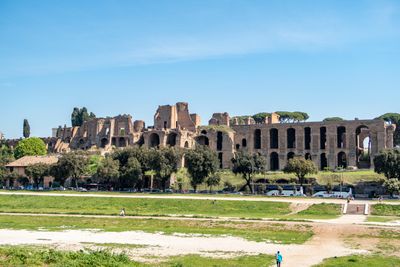
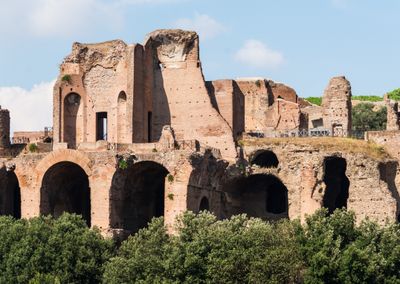
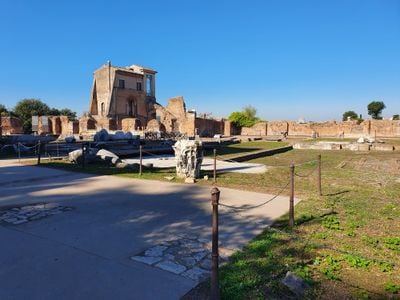
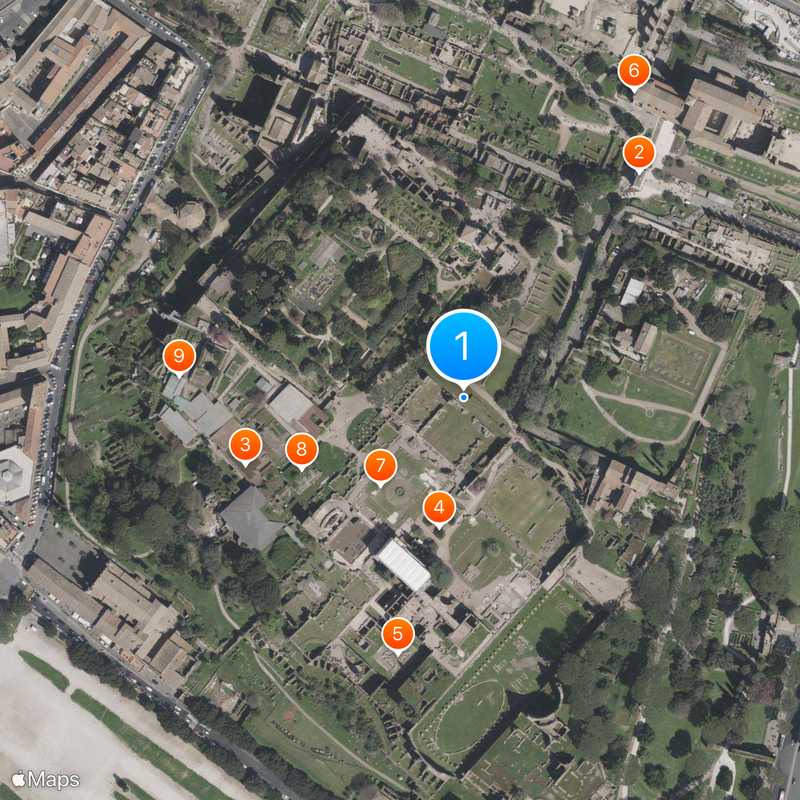
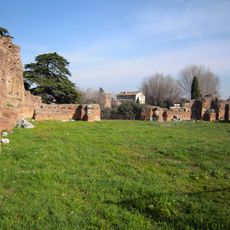
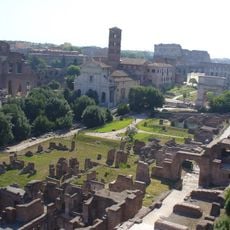
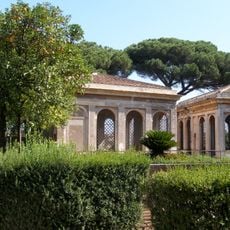
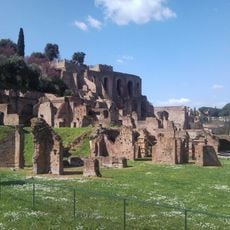
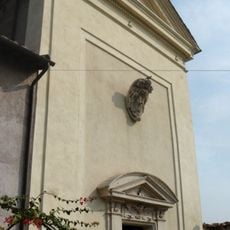
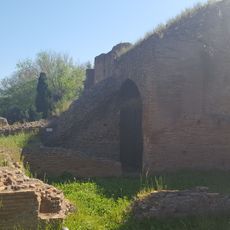
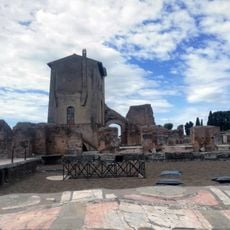
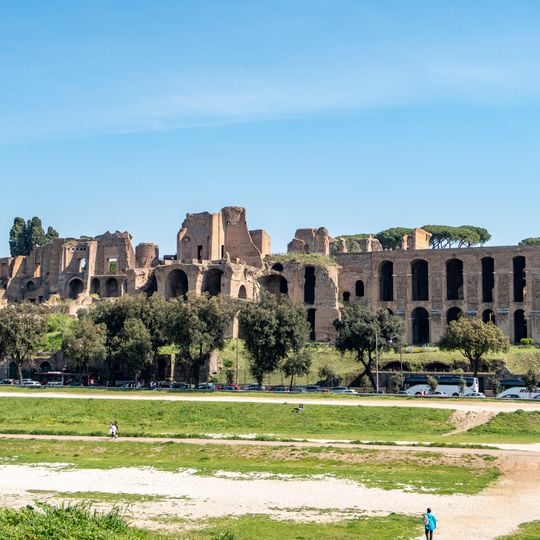
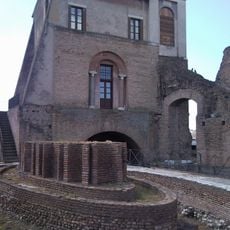
The Palatine is a hill in the historic center of Rome with extensive archaeological remains of imperial residences. The different terraces offer views over the Roman Forum and Circus Maximus while walking between the foundations and standing walls of several palace complexes.
Archaeologists have found traces of huts from the 10th century BC on this hill. Augustus chose this place for his residence, and subsequent emperors expanded their palaces over several centuries until the 3rd century AD.
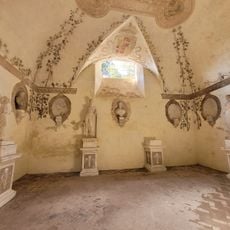
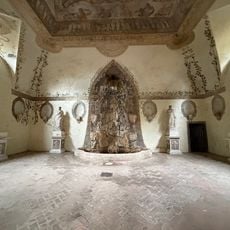
Visitors today explore the remains of the domus of Livia, decorated with well-preserved frescoes from the early imperial period. These rooms still show the daily life of an aristocratic Roman family.
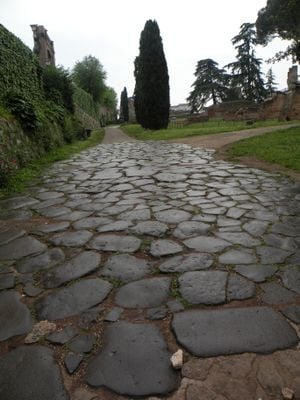
The site is large and uneven with ancient stairs and stone paths, so comfortable shoes are necessary. Visitors should plan several hours for the visit, and shade is limited especially in summer.
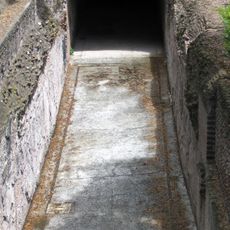
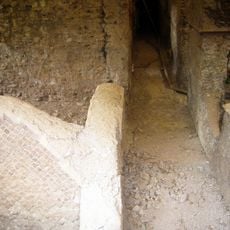
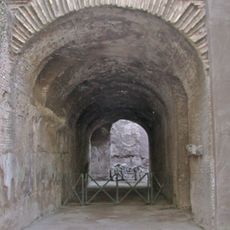
Beneath the site runs a long underground gallery known as a cryptoporticus. Conspirators carried out a political assassination there in AD 41 according to ancient sources.
Location: Municipio I
Elevation above the sea: 51 m
Accessibility: Wheelchair accessible
Part of: seven hills of Rome, Roman Forum and the Palatine
Opening Hours: January 02-February 15,October 28-December 31 08:30-16:30; January 16-March 15 08:30-17:00; March 16-24 08:30-17:30; March 25-August 31 08:30-19:15; September 01-30 08:30-19:00
GPS coordinates: 41.88931,12.48711
Latest update: December 4, 2025 19:00
Rome preserves more than 2,000 years of architectural history within its city limits, maintaining ancient temples and amphitheaters beside Renaissance churches and Baroque piazzas. The Roman Forum displays ruins from the first century BC through the fourth century AD, including government buildings and temples that formed the administrative heart of the Roman Empire. The Pantheon demonstrates Roman engineering with its concrete dome, while the Colosseum remains the largest ancient amphitheater ever built. The city evolved through subsequent centuries as papal patronage transformed medieval Rome into a showcase of Renaissance and Baroque art and architecture. The Vatican holds significant religious and artistic collections, including the Sistine Chapel with Michelangelo's ceiling frescoes and Saint Peter's Basilica, the world's largest church building. Throughout the historic center, public squares like Piazza Navona preserve the footprint of ancient Roman structures while displaying Baroque fountains by Bernini and Borromini. The Trevi Fountain draws thousands of visitors daily to its 18th century facade, and the Spanish Steps connect different elevation levels of the city. Rome's neighborhoods maintain traditional Italian life around these monuments, with restaurants, shops and residences occupying buildings from various historical periods.
Rome joins history with modern photography. The city spreads across several hills and holds buildings from different centuries, from ancient ruins to baroque churches and fountains. Photographers find subjects on every street corner, from large public squares to narrow alleys in old neighborhoods. The Colosseum and Roman Forum show the building techniques of ancient Rome. Trevi Fountain and Piazza Navona present baroque design with flowing water and sculptures. The Spanish Steps serve as a meeting point where people rest on the steps and watch the activity below. The Pantheon has stood for nearly 2,000 years and impresses through its dome with a circular opening at the center. In Vatican City, St. Peter's Basilica rises with its tall dome, and the Vatican Museums contain long galleries filled with artworks. Castel Sant'Angelo stands by the Tiber River and offers a wide view over the city's rooftops from above. Trastevere sits on the other side of the river and shows a different face of Rome: small squares, narrow streets with laundry lines between buildings, and restaurants with tables on the pavement. The church of Santa Maria in Trastevere has a golden mosaic on its facade that glows in the evening light. Campo de' Fiori is a market in the morning with vegetables and flowers, and in the evening the square fills with people. Via Margutta is a quiet street with galleries and plants on the building walls. The Aventine Keyhole shows St. Peter's Dome through a small opening in perfect framing. The Janiculum hill and Villa Borghese Gardens offer green spaces for walking and views over the city. Caracalla Baths and the Appian Way show Rome outside the center, where ancient structures stand in the landscape.
Italy preserves architectural evidence from two thousand years of history. In Rome, Roman temples stand beside Renaissance palaces, while Florence houses museums and cathedrals from the 15th century. Venice developed its canal system over centuries as a response to its lagoon environment. In the Campania region, Mount Vesuvius shapes the landscape, and the ancient city of Pompeii has remained preserved under volcanic ash since the 1st century.
Arch of Titus
199 m
House of Augustus
159 m
Flavian Palace
91 m
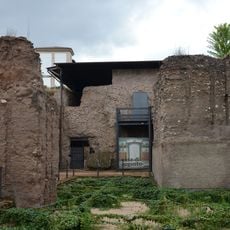
Domus aputa
184 m
Santa Francesca Romana
245 m
Palace of Domitian
84 m
Temple of Apollo Palatinus
123 m
Casa Romuli
198 m
Domus Transitoria
127 m
Aula regia
25 m
Palatine Museum
120 m
Temple of Cybele
214 m
Farnese Gardens
124 m
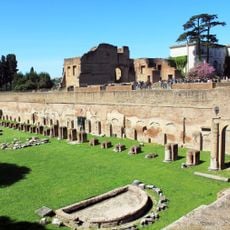
Palatine stadium
212 m
Domus Tiberiana
127 m
Cabanes du Palatin
182 m
San Bonaventura al Palatino
113 m
House of Livia
123 m
San Sebastiano al Palatino
127 m
Casa dei Grifi
38 m
Regio X Palatium
33 m
Villa Mills (Rome)
177 m
Temple of Isis
26 m
Cenatio Iovis
124 m
Tempio di Vesta
152 m
Porticus margaritaria
208 m
Cryptoporticus
80 m
Palatino
120 mVisited this place? Tap the stars to rate it and share your experience / photos with the community! Try now! You can cancel it anytime.
Discover hidden gems everywhere you go!
From secret cafés to breathtaking viewpoints, skip the crowded tourist spots and find places that match your style. Our app makes it easy with voice search, smart filtering, route optimization, and insider tips from travelers worldwide. Download now for the complete mobile experience.
A unique approach to discovering new places❞
— Le Figaro
All the places worth exploring❞
— France Info
A tailor-made excursion in just a few clicks❞
— 20 Minutes