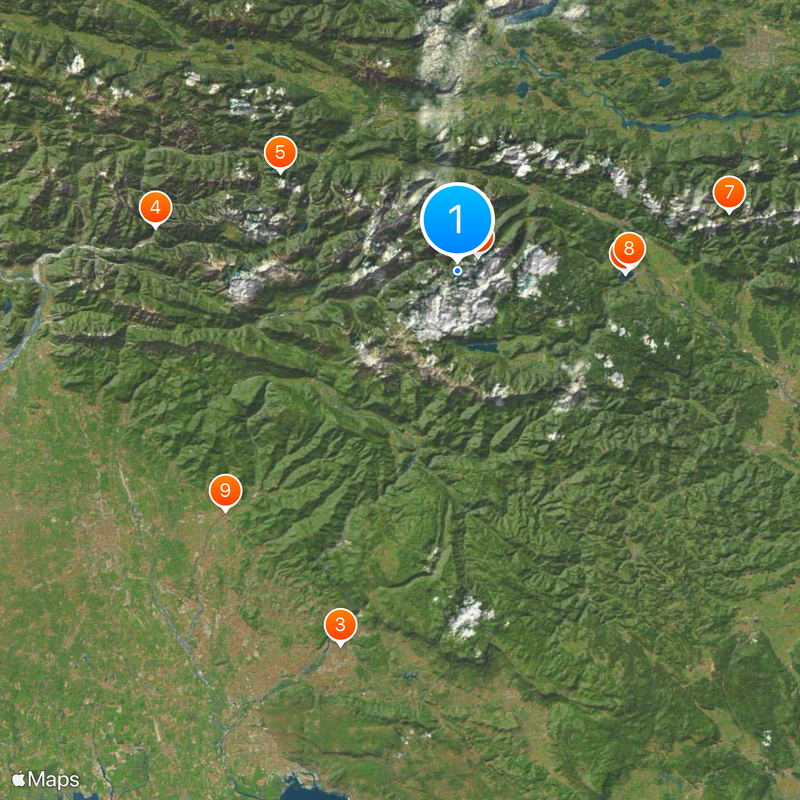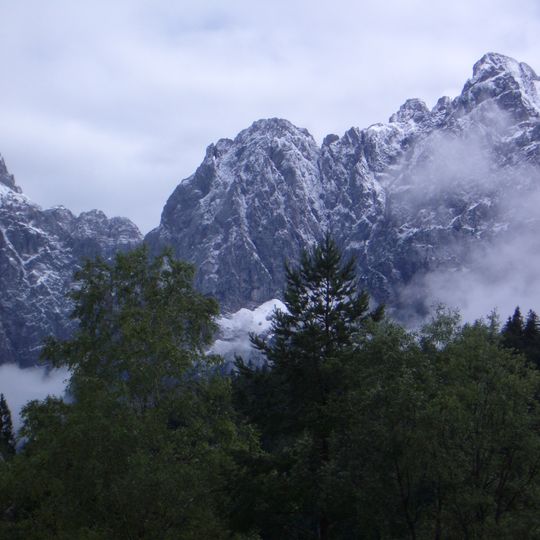
Julian Alps, Mountain range in northeastern Italy and Slovenia.
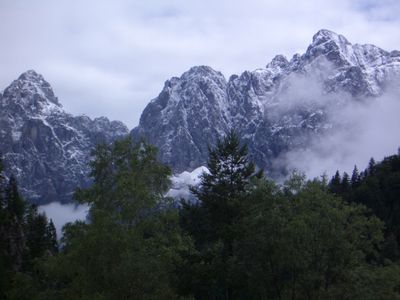
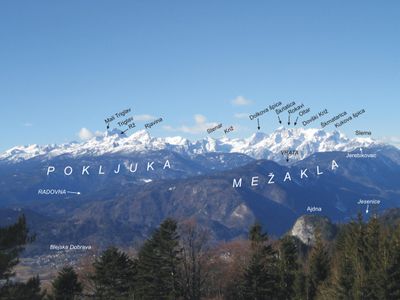
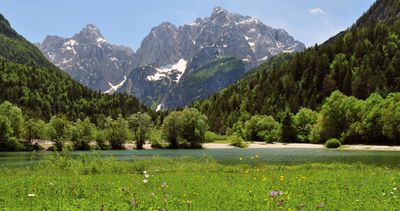
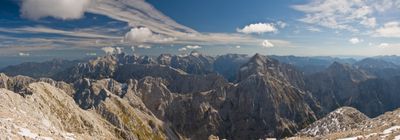
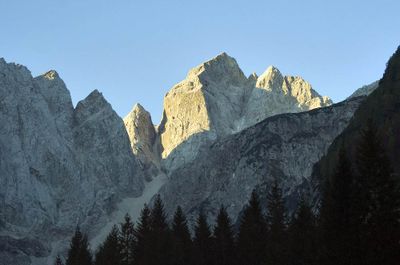
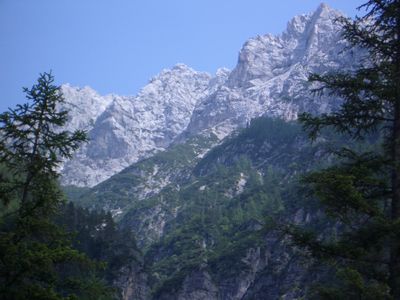
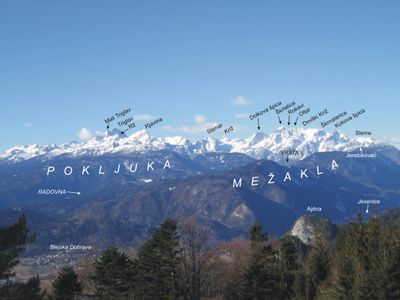
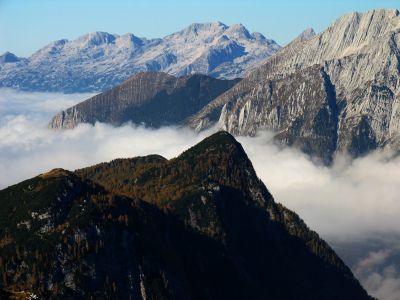
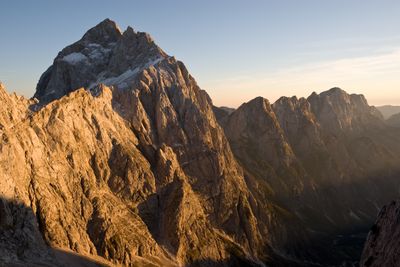
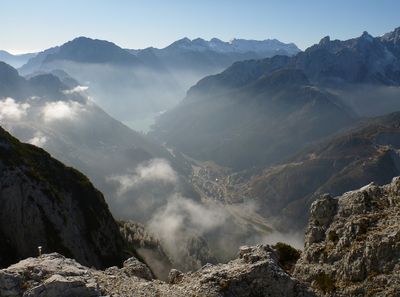
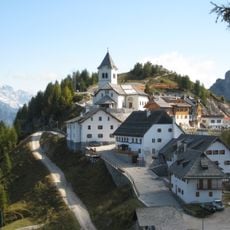
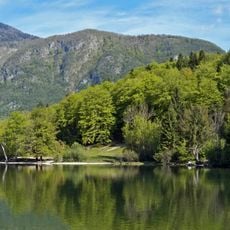
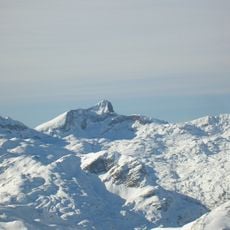
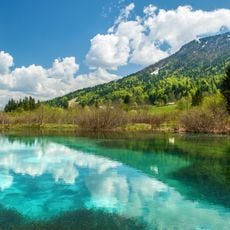
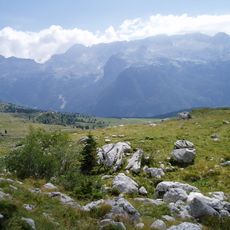
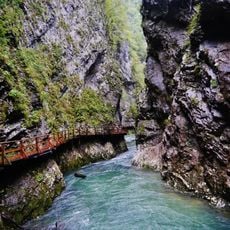
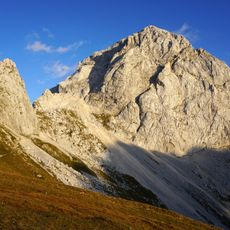
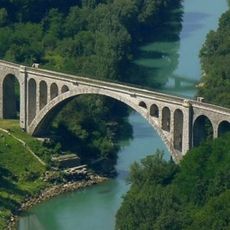
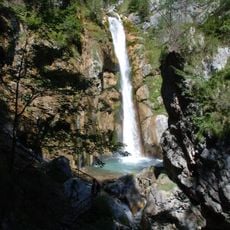
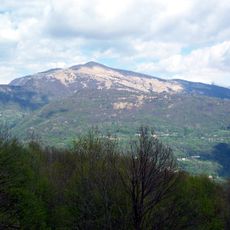
The Julian Alps are a mountain range straddling northeastern Italy and Slovenia, composed primarily of limestone peaks. The landscape features steep valleys, rocky passages, and high ridges that connect various regions and create diverse terrain for exploration.
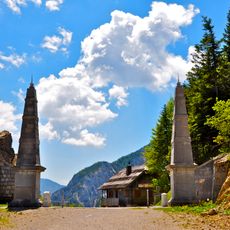
The range took its name in ancient times and became strategically important for Rome, which built a road system across it to connect distant territories. This infrastructure remained influential for trade and travel through the mountains for many centuries afterward.
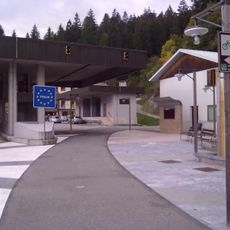
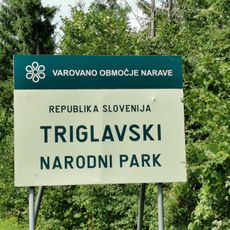
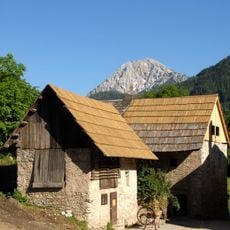
The mountain names and village signs reflect a blend of Italian, German, and Slovenian languages, showing how communities here have lived alongside each other for generations. Walking through different valleys, you notice how the language shifts gradually, marking the cultural boundaries that have shaped this region.
Access to the range comes from several valleys and passes, each offering different routes and difficulty levels for hiking. The hiking season runs from May through September, when weather is generally favorable and high-altitude trails become passable.
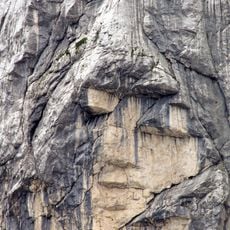
The rock layers here formed in an ancient sea millions of years ago and record the dramatic geological transformation that created the European landscape. Geologists study these formations closely because they reveal how the earth's crust shifted and folded over geological time.
The community of curious travelers
AroundUs brings together thousands of curated places, local tips, and hidden gems, enriched daily by 91,465 contributors worldwide.