Sicily, Mediterranean island in Italy.
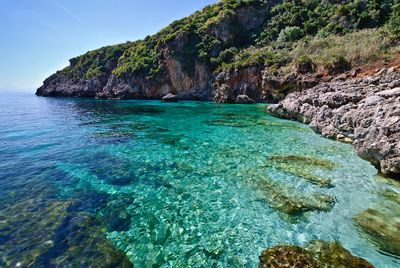
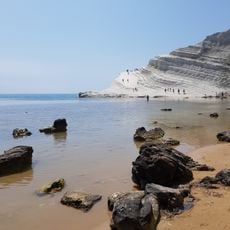
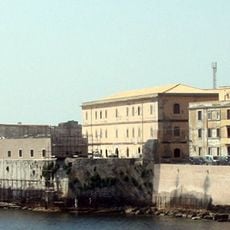
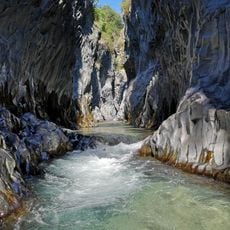
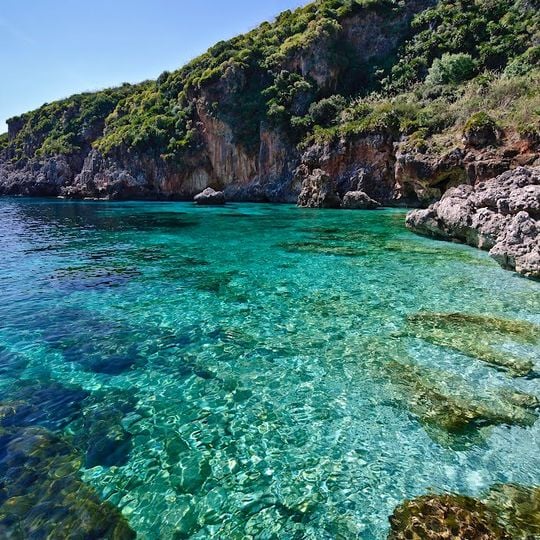
Sicily sits between the Tyrrhenian Sea and the Mediterranean, covering roughly 25,400 square kilometers (about 9,800 square miles) with coastlines and mountains. The island has several large port cities along its edges, connected to mainland Italy and other Mediterranean destinations.
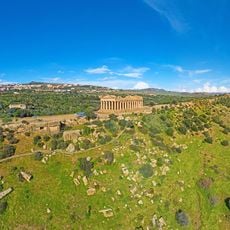
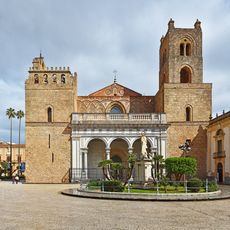
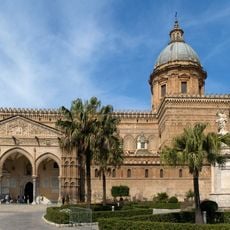
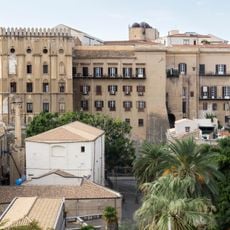
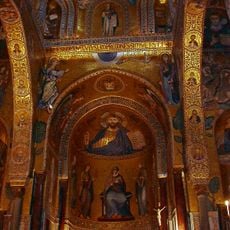
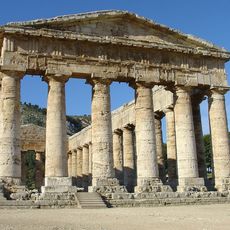
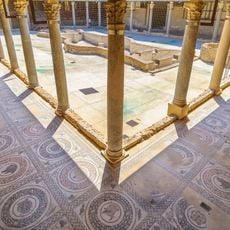
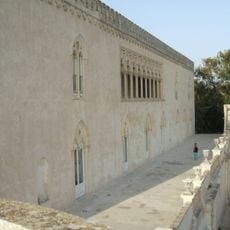
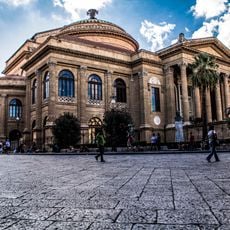
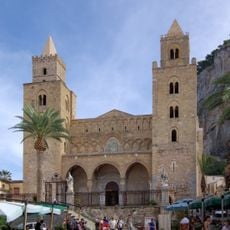
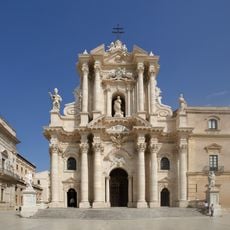
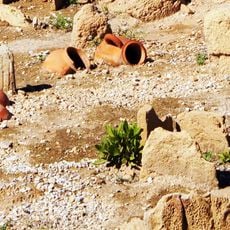
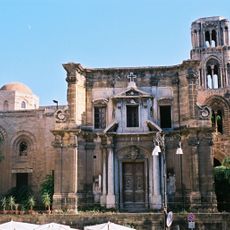
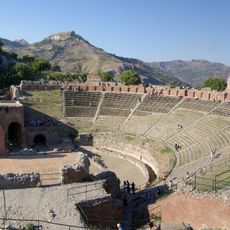
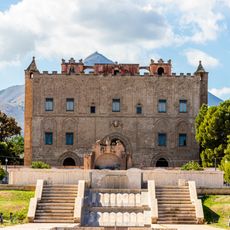
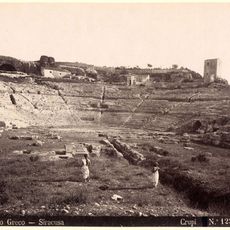
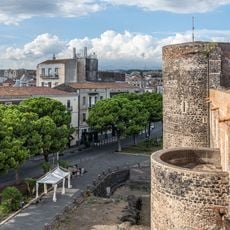
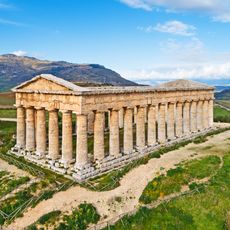
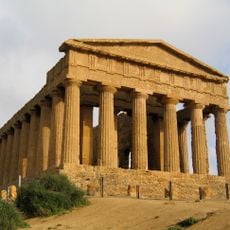
Phoenicians, Greeks, Romans, Arabs, and Normans settled the island in succession, leaving traces in its architecture and culture. Each civilization built temples, fortresses, and towns still visible in different parts of the island today.
Wooden puppets perform medieval tales in traditional theaters, keeping old stories alive for audiences who gather to watch. Local markets offer ingredients for recipes passed down through generations, still cooked in family kitchens across the island.
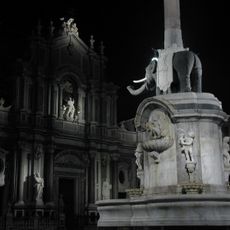
Ferries connect ports like Palermo, Messina, and Catania to the mainland, with crossings taking anywhere from 30 minutes to several hours depending on the route. Flights reach major cities year-round, with summer being the busiest travel period.
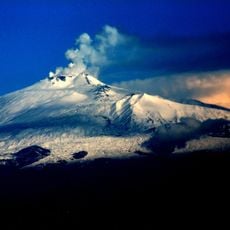
Mount Etna on the eastern coast stands at roughly 3,330 meters (about 10,900 feet) as Europe's tallest active volcano, shaping the surroundings through its eruptions. Vines grow on the fertile lava soil of its slopes, producing wines with a distinct mineral taste.
The community of curious travelers
AroundUs brings together thousands of curated places, local tips, and hidden gems, enriched daily by 92,159 contributors worldwide.