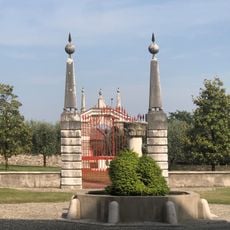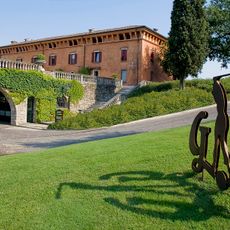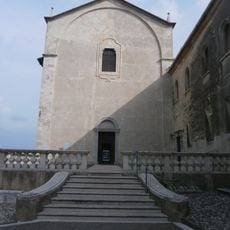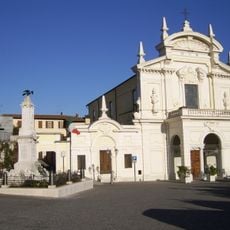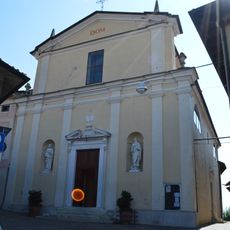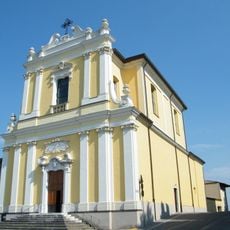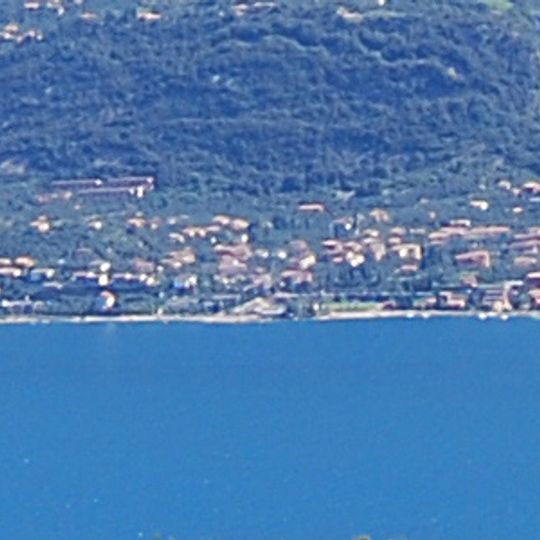
Northern Italy, Geographic region in Italy
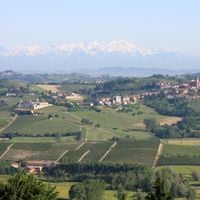
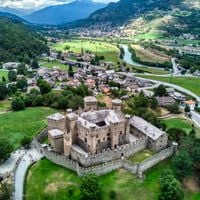
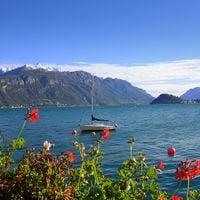
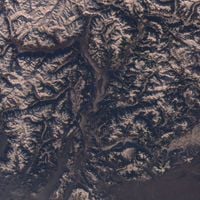
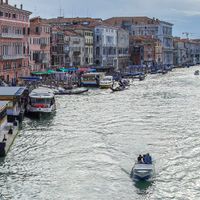
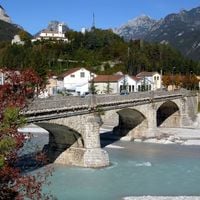
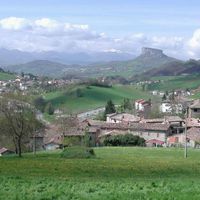
This part of Italy stretches from the snow-capped peaks of the Alps to the rolling hills of the Apennines and encompasses eight regions with lakes, plains, and coastal areas. The landscape shifts between wide rice fields in the Po Valley, forested valleys in the mountains, and historic cities that sit along riverbanks or by the Adriatic Sea.
Roman rule left behind roads and settlements that still form the backbone of many cities today. Later, medieval city-states, the Renaissance, and the industrial growth of the twentieth century shaped the appearance and economy of the region.
The different dialects and kitchen traditions reflect the variety travelers can experience in markets and restaurants. Polenta is served as naturally in the north as risotto or fresh pasta, depending on which area you happen to be in.
Major train stations and airports in Milan, Turin, and Venice connect the region with the rest of Europe and make arrival straightforward. Within the area, regional trains and buses link smaller cities and rural areas.
Many opera houses in this region are older than three hundred years and still host regular performances today. In some smaller cities you can watch rehearsals during the season or visit the stages outside performance times.
The community of curious travelers
AroundUs brings together thousands of curated places, local tips, and hidden gems, enriched daily by 91,655 contributors worldwide.