Kamo River, River system in central Kyoto, Japan
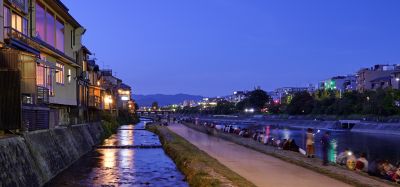
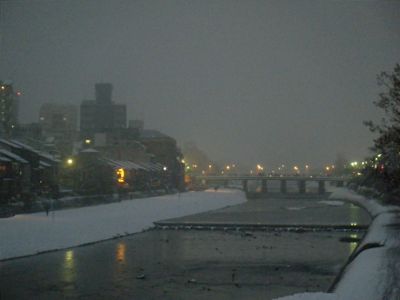
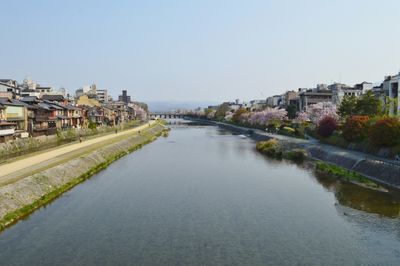
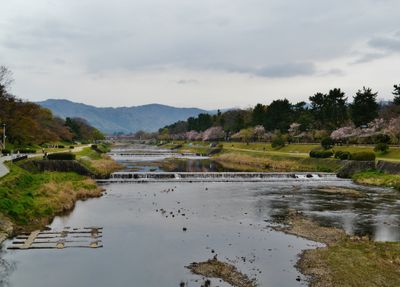
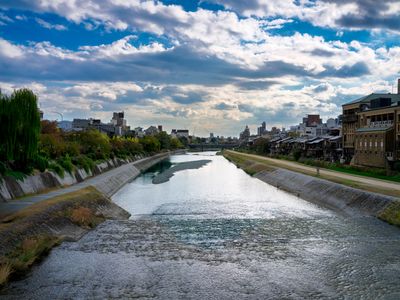
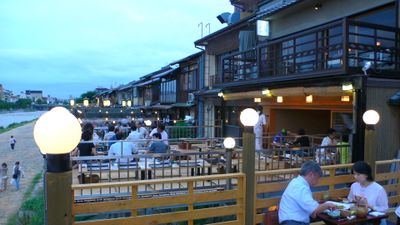
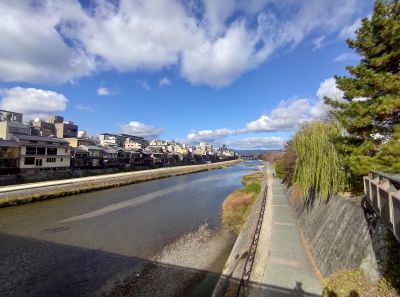
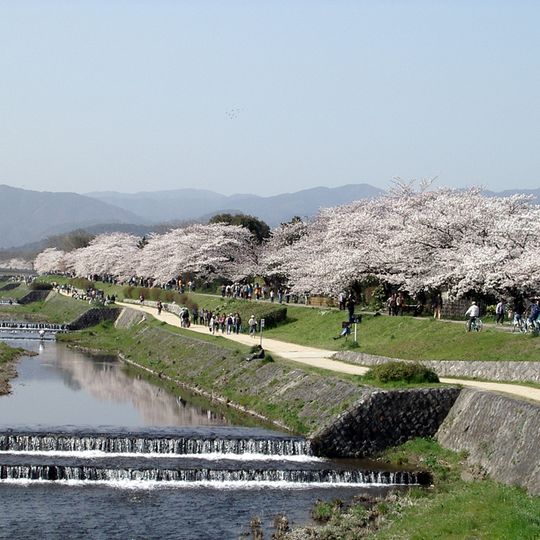
The Kamo is a river that flows through central Kyoto with pathways on both sides and bridges connecting different neighborhoods across its waters. The river passes through varying areas, from busy districts to quieter green sections with riverside terraces and natural spaces along the way.
In the 8th century, when Kyoto was established as the capital, the river was deliberately redirected to protect the city from flooding. This reshaping of the waterway was central to the city's early design and continues to shape its geography.
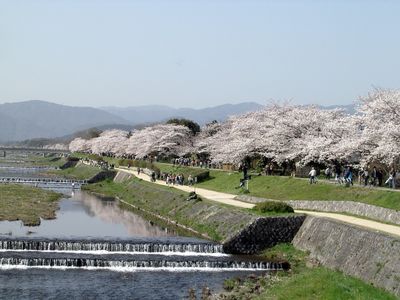
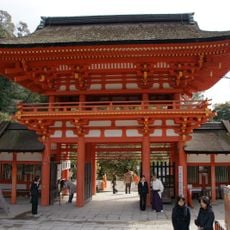
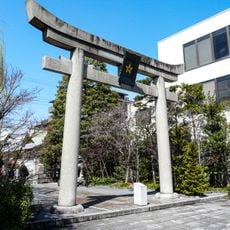
The riverbanks are where locals gather for picnics under cherry blossoms and to find quiet moments, especially along the tree-lined stretches near Shimogamo Shrine's tributary waters. People use these spaces to step away from the city's pace and observe the changing seasons together.
You can reach the river through several subway stations distributed along its course, with the area around Shijo Bridge being the most accessible central point. The paths on both sides are continuous, letting you walk longer distances without detours.
In the early 1600s, the dry riverbed became a stage for early Kabuki performances by Izumo no Okuni and her troupe, marking the birth of this art form. The flat stones and open space made it an ideal place for these groundbreaking performances.
The community of curious travelers
AroundUs brings together thousands of curated places, local tips, and hidden gems, enriched daily by 91,726 contributors worldwide.