Växjö Municipality, Administrative municipality in Kronoberg County, Sweden.
Växjö Municipality is an administrative region in southern Sweden that brings together several smaller communities across a large area. The city of Växjö functions as its main center and largest settlement.
The region was formed in 1971 by merging about 30 smaller local government units, which reshaped how the southern part of the country was governed. This consolidation created the administrative structure that exists today.
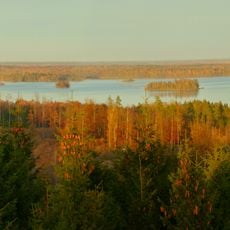
Växjö Municipality has called itself "The Greenest City in Europe" since 2007, a vision shared with citizens and local companies. In 2017 the city received the European Green Leaf Award 2018 from the European Commission, given to cities under 100,000 inhabitants with good environmental results and ambitions for green growth.
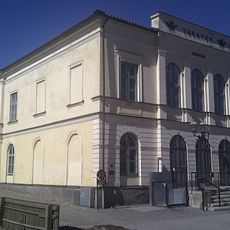
Växjö is reached by the Kust till kust railway, with SJ long-distance trains linking Gothenburg, Alvesta and Kalmar, and Öresund trains running to Malmö. Regional Krösatåg connect Växjö with Jönköping. Six national roads meet in the municipality, among them routes 23, 25, 27 and 30. The seat also holds the county administration, the central hospital and Linnaeus University.
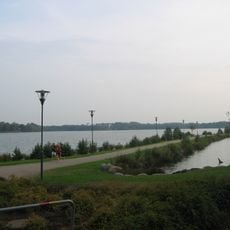
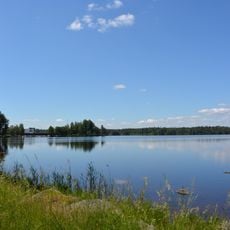
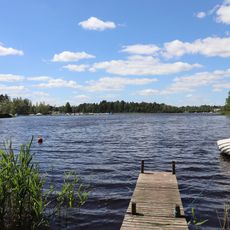
Växjö Municipality has called itself "The Greenest City in Europe" since 2007 and won the European Green Leaf Award 2018. Between 1993 and 2015 its carbon dioxide emissions fell by 54% while the economy grew. Lake Trummen was restored in the early 1970s, and Växjösjön and Södra Bergundasjön twenty years later.
The community of curious travelers
AroundUs brings together thousands of curated places, local tips, and hidden gems, enriched daily by 93,391 contributors worldwide.