Somerset, Ceremonial county in South West England
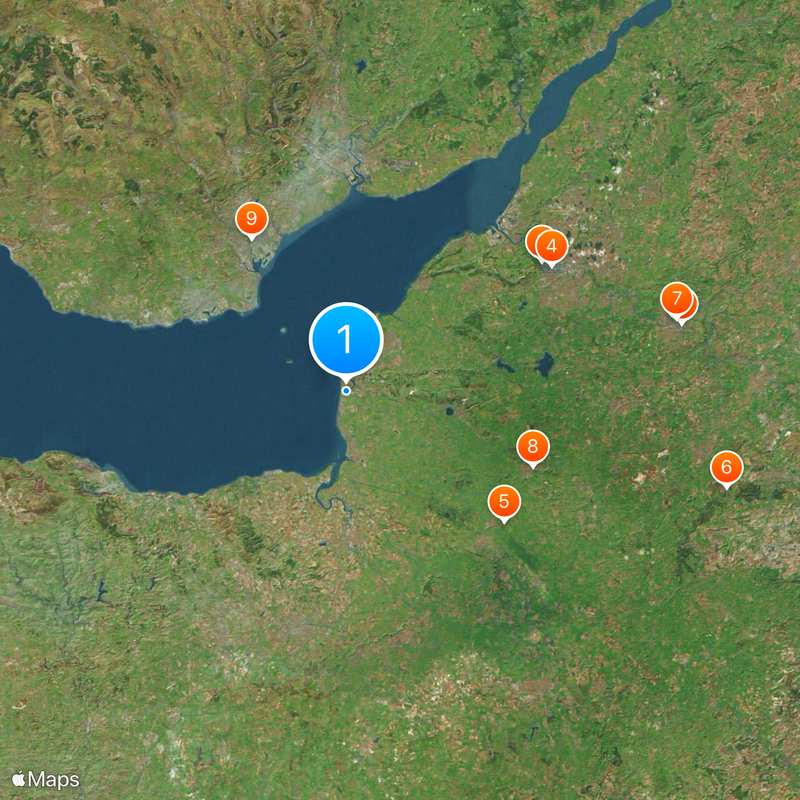
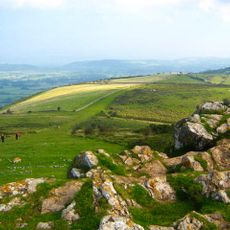
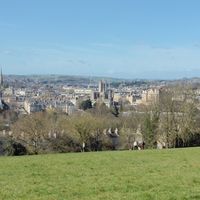
Somerset is a ceremonial county in South West England that extends from the Bristol Channel coast down to the Mendip and Quantock Hills, covering wetlands, moorlands and rolling farmland. The northern part borders Bath and Bristol, while the south remains largely rural with stone villages scattered among green fields.
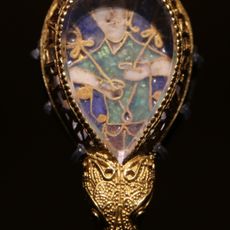
Saxon settlements were established here from the 7th century onward, and King Alfred built fortified towns in the 9th century to resist Viking raids. Later medieval abbeys in Glastonbury and Wells became centers of religious and economic power, while agriculture remained the backbone of local life for centuries.
Folk festivals and harvest celebrations remain central to village life, where local choirs perform in stone churches and agricultural shows bring together farming families each summer. Pubs often serve locally brewed cider pressed from orchards that families have tended for generations.
Trains run from London to Bath and Taunton with connections to smaller towns, while rural buses serve villages and footpaths crisscross hills and valleys. Weather can change quickly, so waterproof clothing and comfortable walking shoes are useful throughout the year.
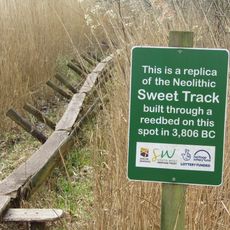
Wooden walkways built around 3800 BCE lie preserved in the waterlogged peat of the Somerset Levels, forming some of the oldest known roads in Europe. The flat wetlands also host wintering flocks of migrating birds that arrive in large numbers each autumn and spring.
The community of curious travelers
AroundUs brings together thousands of curated places, local tips, and hidden gems, enriched daily by 91,507 contributors worldwide.