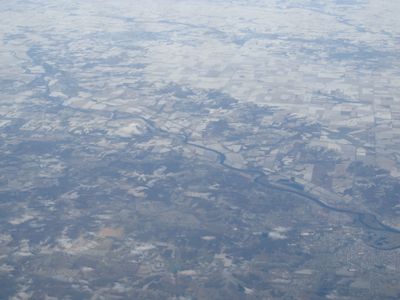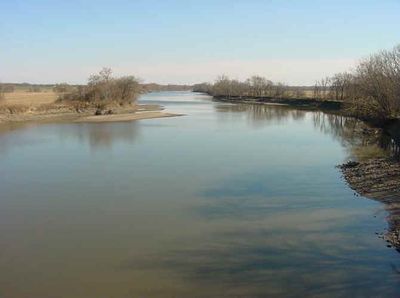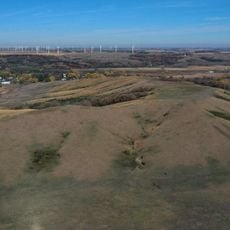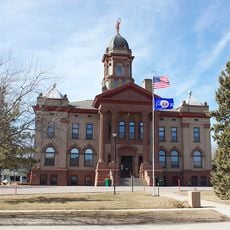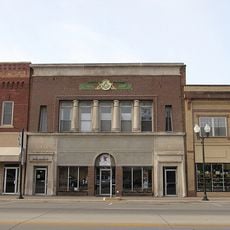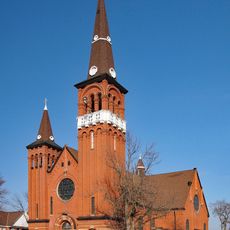
Des Moines River, Major tributary river system between Minnesota and Mississippi River, United States.
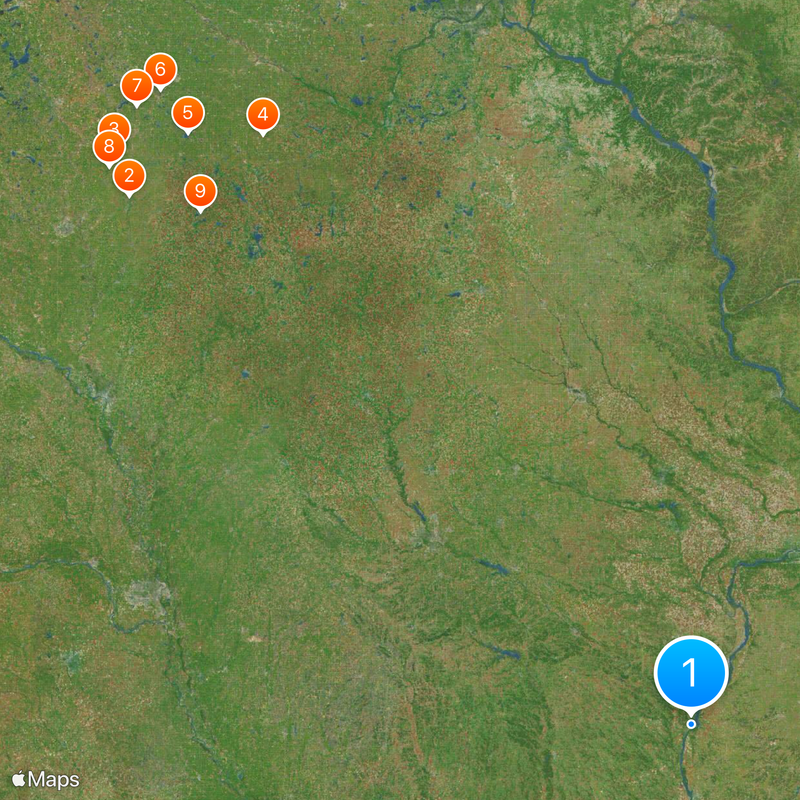
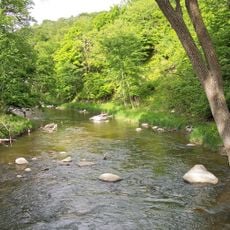
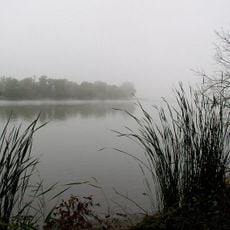
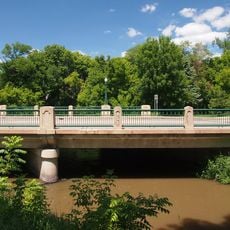
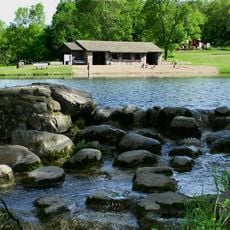
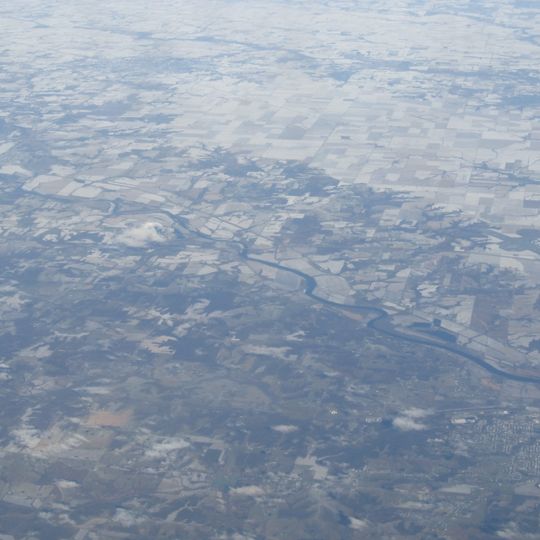
The Des Moines River is a major river system flowing from Minnesota through Iowa and emptying into the Mississippi River near Keokuk. The waterway ranges from 50 to 200 feet wide and supports paddling, fishing, and nature watching along its entire course.
Between the 1840s and 1890s, the waterway supported roughly 80 grain mills along its banks, making it the commercial heart of central Iowa. These mills processed crops from surrounding farms and turned the river into an essential industrial artery for the region.
The river takes its name from Moingona, a Native American village, filtered through French fur traders who worked the region centuries ago. Local communities today gather along its banks for fishing and watching wildlife, keeping the waterway part of their daily connection to the land.
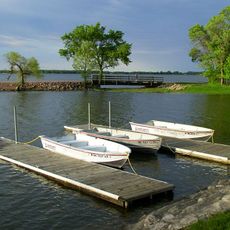
Multiple access points along the waterway allow visitors to launch boats or fish throughout the year. Spring and summer offer the most comfortable conditions, when water levels are stable and weather suits outdoor activities.
The waterway is controlled by two large reservoirs, Saylorsville Lake and Lake Red Rock, which manage flooding and regulate water levels across the entire basin. These impoundments serve a double purpose as both engineering solutions and recreational destinations for visitors.
The community of curious travelers
AroundUs brings together thousands of curated places, local tips, and hidden gems, enriched daily by 92,864 contributors worldwide.