Mecklenburg County, Administrative county in southwestern North Carolina, United States
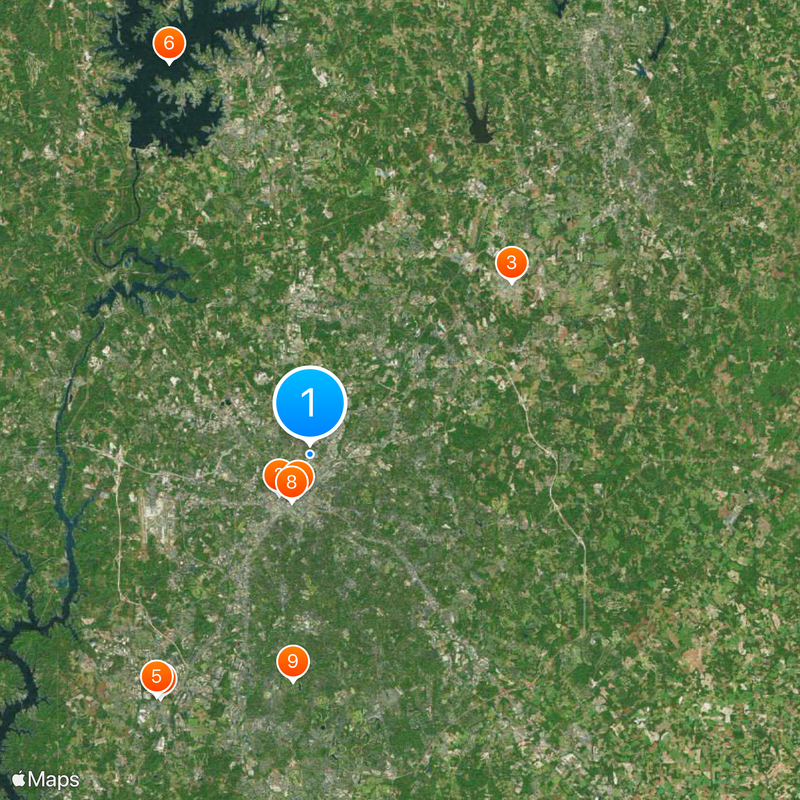
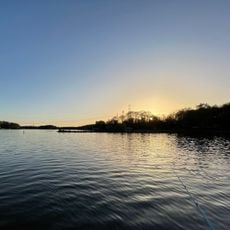
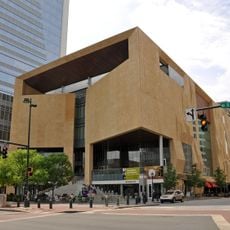
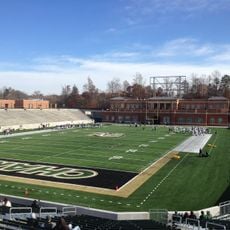
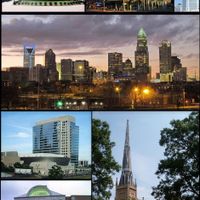
Mecklenburg County covers 546 square miles (1,414 square kilometers) in the southwestern corner of North Carolina and includes Charlotte, the Catawba River, and Lake Norman. The territory mixes urban neighborhoods with suburban communities and waterside landscapes shaped by the river corridor.
The region separated from Anson County in 1762 and took its name from the British queen. Gold discoveries in the early nineteenth century transformed the area and brought federal investment, shaping the economic foundation for later industrial growth.
The name honors Charlotte of Mecklenburg-Strelitz, connecting this American region to eighteenth-century European nobility and German heritage. Visitors can walk through the old courthouse square, where administrative traditions dating back to colonial times remain part of daily civic life.
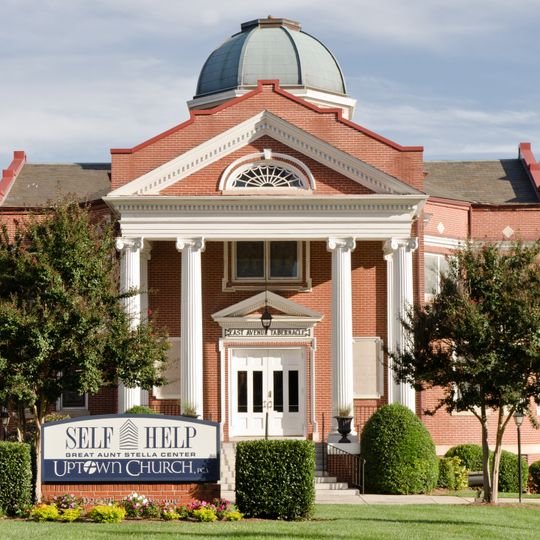
Visitors can access public transit, parks, and community centers spread across the territory. For those planning to explore, city information desks or online resources offer guidance on routes to green spaces and administrative buildings.
A federal mint opened here in 1837 as a direct response to local gold discoveries, becoming the first branch outside Philadelphia. Today, few sites recall the gold rush that once drew thousands of prospectors to the surrounding hills.
The community of curious travelers
AroundUs brings together thousands of curated places, local tips, and hidden gems, enriched daily by 92,785 contributors worldwide.