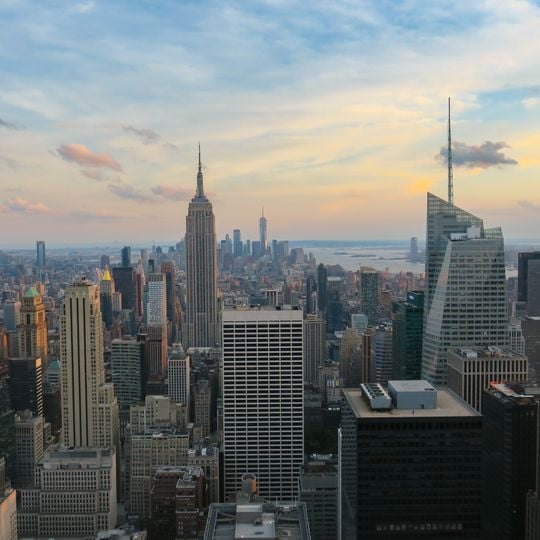
New York metropolitan area, Metropolitan statistical area in eastern US
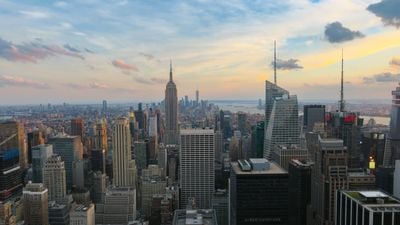
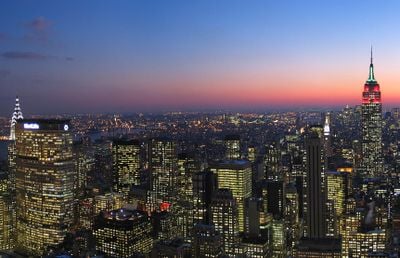
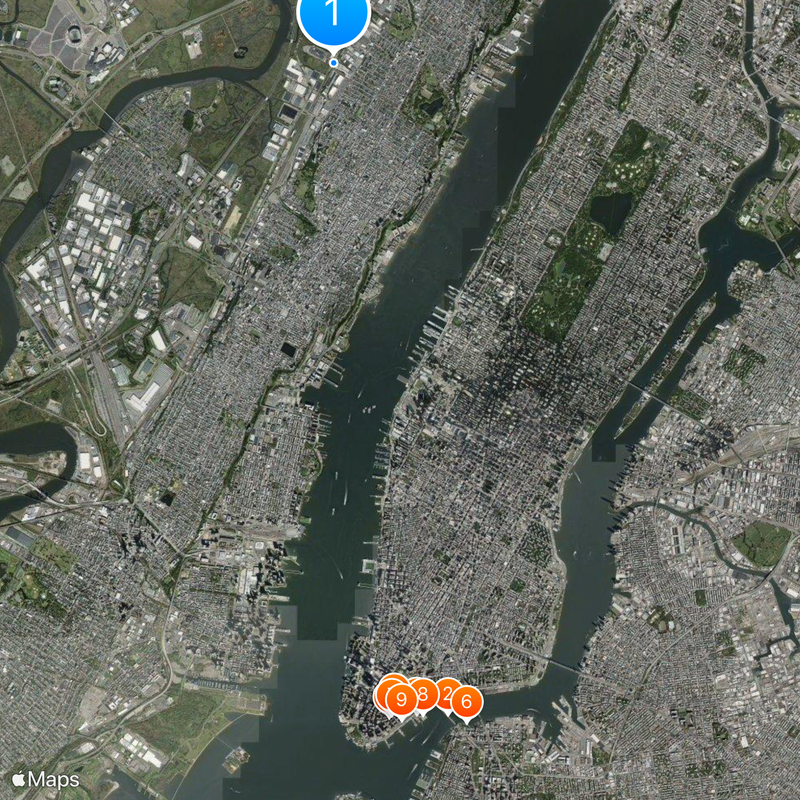
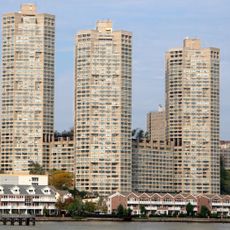
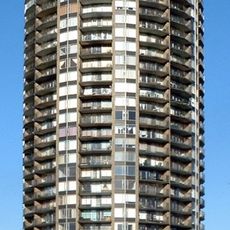
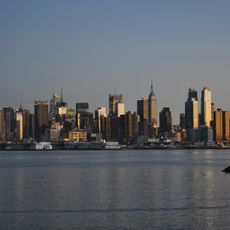
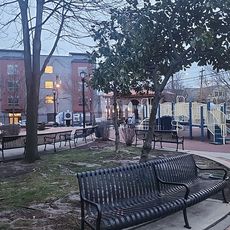
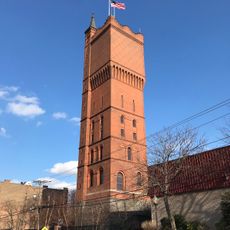
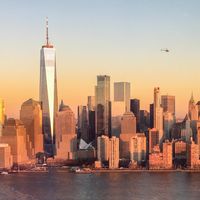
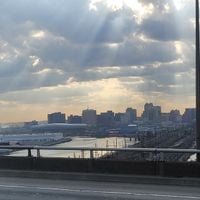
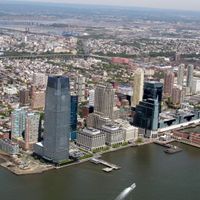
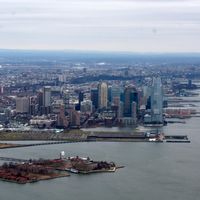
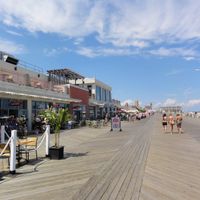
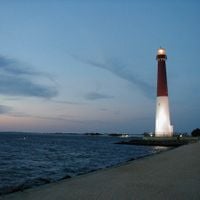
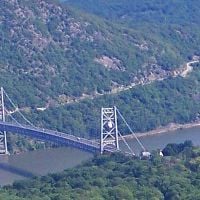
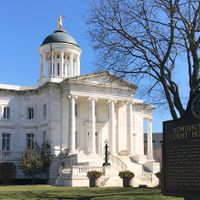
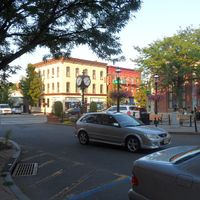
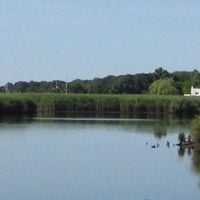
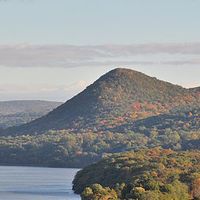
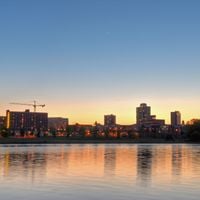
The New York region extends beyond the five boroughs of the city into the suburbs of Long Island, Westchester, and adjacent areas in New Jersey and Connecticut. This urban landscape includes skyscrapers in Manhattan, beach towns along the Atlantic coast, and wooded communities along the hills and rivers.
Dutch traders established a trading post at the mouth of the Hudson River during the 17th century, which later became a British colony. Immigration from Europe, Asia, and other continents shaped the region into a global center for commerce and culture during the 19th and 20th centuries.
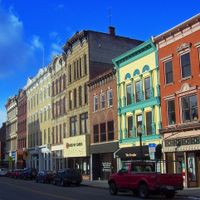
People bring their culinary traditions to street markets where you find African spices next to Italian cheeses and Latin American bakeries beside Chinese tea shops. Neighborhoods preserve their own rhythms with weekly celebrations, religious processions, and community gatherings that happen throughout the year.
The transit network connects dozens of towns and suburbs with subways, commuter trains, and ferries that run around the clock. You should get a reloadable card if you plan to use public transport across different states, as systems change at the boundaries.
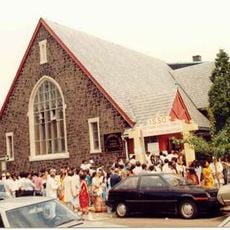
More than eight hundred languages are spoken in households across this region, making it the most linguistically diverse metropolitan area in the world. You can attend worship services in a dozen religions on a single day, often just a few streets apart.
The community of curious travelers
AroundUs brings together thousands of curated places, local tips, and hidden gems, enriched daily by 60,000 contributors worldwide.