Between the dunes and rocky cliffs, the deserts of the Middle East hold spots that a few lucky travelers find each year.
The deserts of the Middle East have many places that few visitors see each year. This collection shows historical sites, natural formations, and cultural landmarks spread across the region, from sandy plains to rocky landscapes. Old ruins and geological features tell the long history and the varied scenery of the area.
The listed sites range from rock formations in northern Saudi Arabia, like Qasr al-Farid, to colorful sand dunes in Morocco. Oman has green valleys and underground lakes, while the United Arab Emirates and Qatar offer highlands and coastal shapes. Each place has its own story: some were trade centers, others served as shelters or sacred sites.
People visiting these places see landscapes full of contrast. Limestone cliffs sit next to sand dunes, green oases suddenly appear from dry land, and the coast areas have their own ecosystems. Those exploring these regions learn about nature and also about how people have lived and worked here over many centuries.
Between the dunes and rocky cliffs, the deserts of the Middle East hold spots that a few lucky travelers find each year.
The deserts of the Middle East have many places that few visitors see each year. This collection shows historical sites, natural formations, and cultural landmarks spread across the region, from sandy plains to rocky landscapes. Old ruins and geological features tell the long history and the varied scenery of the area.
The listed sites range from rock formations in northern Saudi Arabia, like Qasr al-Farid, to colorful sand dunes in Morocco. Oman has green valleys and underground lakes, while the United Arab Emirates and Qatar offer highlands and coastal shapes. Each place has its own story: some were trade centers, others served as shelters or sacred sites.
People visiting these places see landscapes full of contrast. Limestone cliffs sit next to sand dunes, green oases suddenly appear from dry land, and the coast areas have their own ecosystems. Those exploring these regions learn about nature and also about how people have lived and worked here over many centuries.
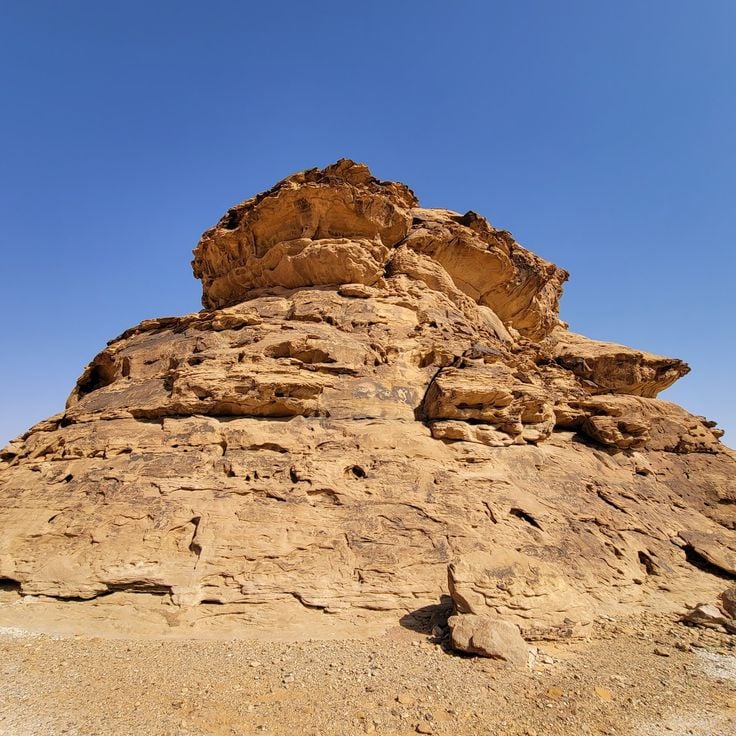
This rock formation in Tabuk Province displays tall, slender stone pillars rising from the desert floor. The site offers a look at the natural geology and landscape features of the Arabian Peninsula that travelers often overlook.
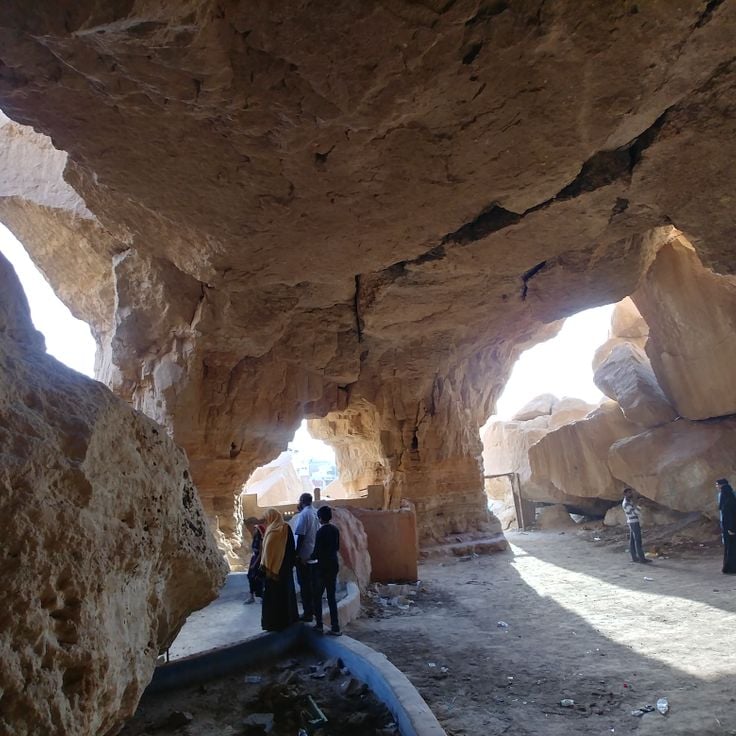
This wadi is a hidden spot in the Middle Eastern deserts where visitors encounter pools of still water and steep rock faces. The clear water invites swimming, while the surrounding cliffs create a calm setting. The place shows the natural character of the region and offers a glimpse into the landscapes that remain tucked away in this area.
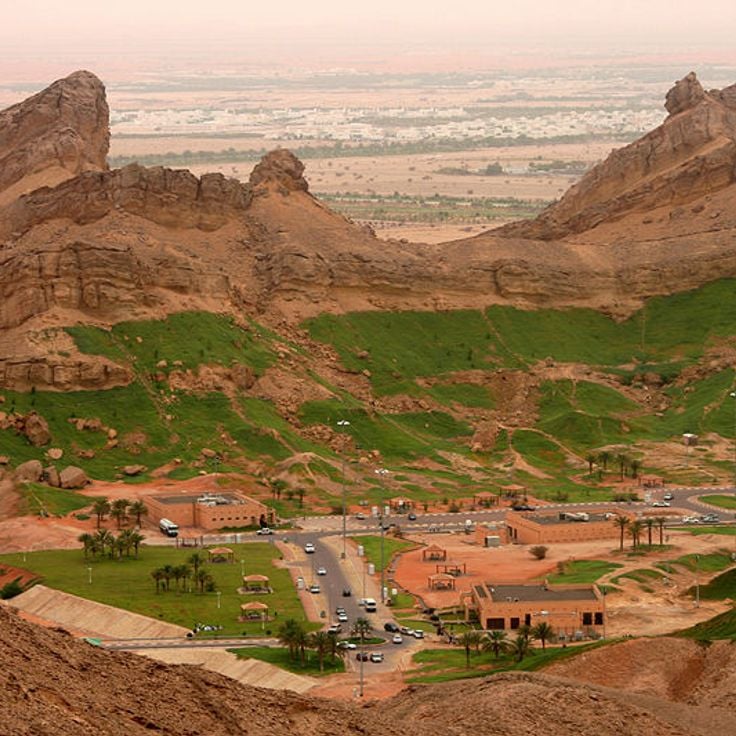
This mountain near Al Ain rises from the desert landscape and offers broad views from its summit across the surrounding area. On its slopes are traces of ancient settlement and archaeological finds that tell of the long history of this region. The site combines natural features with historical interest and shows how people have lived in this desert area for centuries.
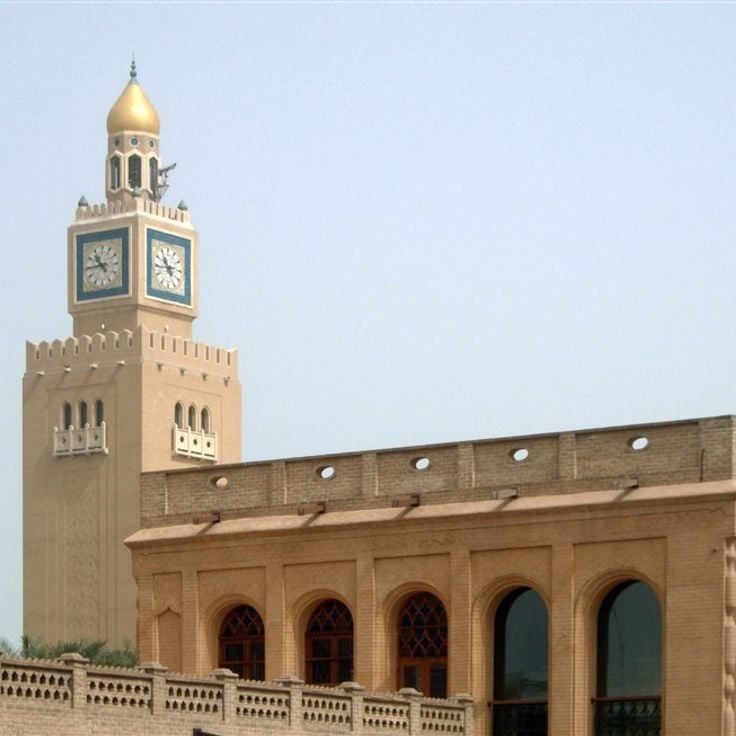
Seef Palace is a royal palace in Kuwait City surrounded by green gardens that showcase Islamic architecture. This site offers insight into the region's cultural history and stands as an example of the remarkable craftsmanship found in Middle Eastern palaces.
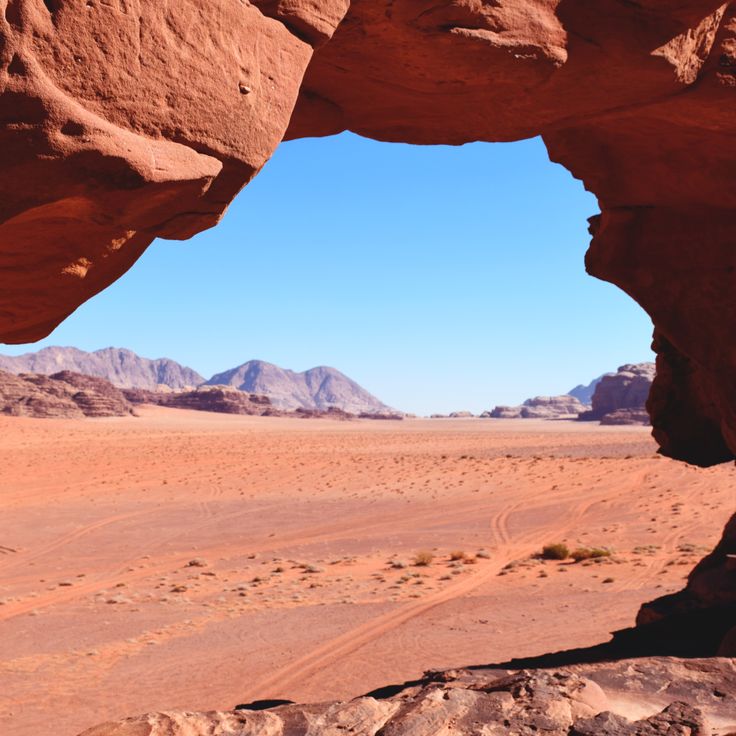
Wadi Rum is a desert landscape where towering sandstone cliffs rise from rust-colored plains, creating a dramatic natural setting. The valley has been home to Bedouin communities for centuries, and their way of life remains visible in the camps and routes that cross the area. Visitors can explore the rock formations on foot, by jeep, or on camel, and experience how people have adapted to life in this remote desert. This location represents one of the lesser-known yet significant natural and cultural treasures of the Middle Eastern deserts.
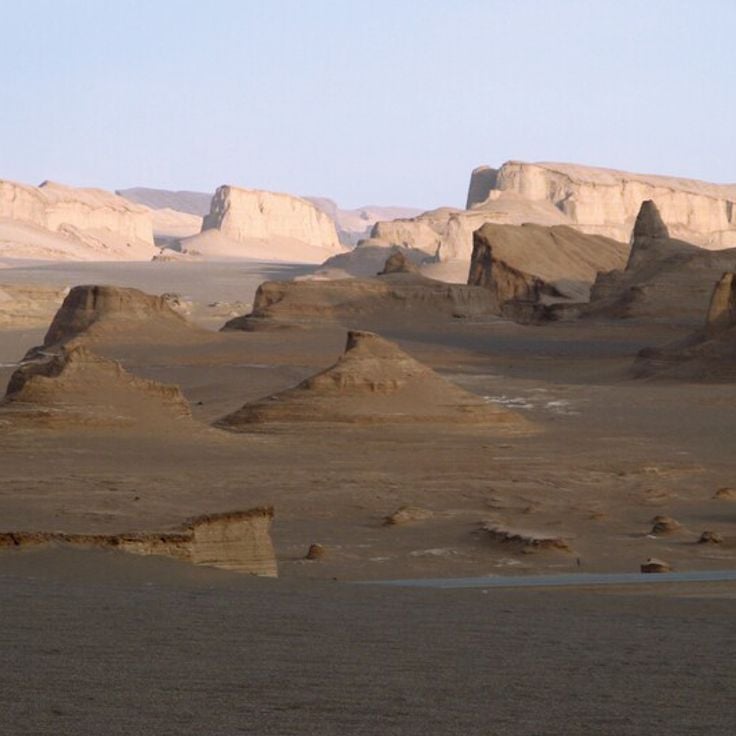
Dasht-e Lut is a vast salt desert in southeastern Iran, home to some of the highest temperatures ever recorded on Earth. The desert displays striking landforms shaped by wind and erosion over thousands of years. Those who venture here experience one of the most extreme and remarkable landscapes in the Middle East.
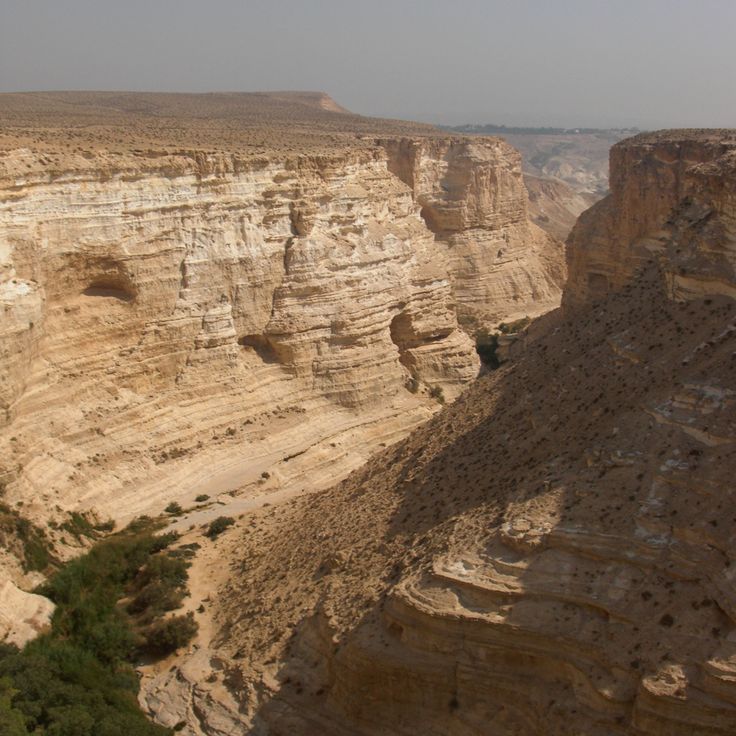
This canyon in the Negev Desert shows how people once lived in harsh landscapes. Ein Avdat brings together nature and history: waterfalls flow through deep gorges while ancient settlements appear in the rock faces. The site reveals traces of Nabataean civilization and offers walking paths that wind through canyon walls. Visitors experience the desert's character and understand how trade and farming once thrived in this region.
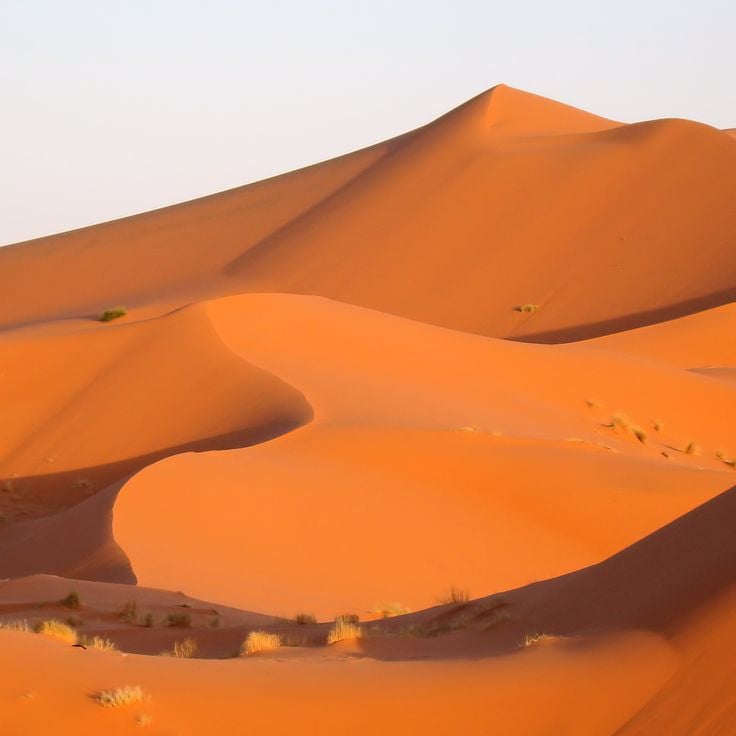
Erg Chebbi is a vast sand sea in the Sahara known for its towering dunes and nomadic communities. This place reveals how people have adapted to desert life and offers insights into the traditional cultures that call these dunes home. The sand formations here are among the largest and most striking in the Moroccan desert.
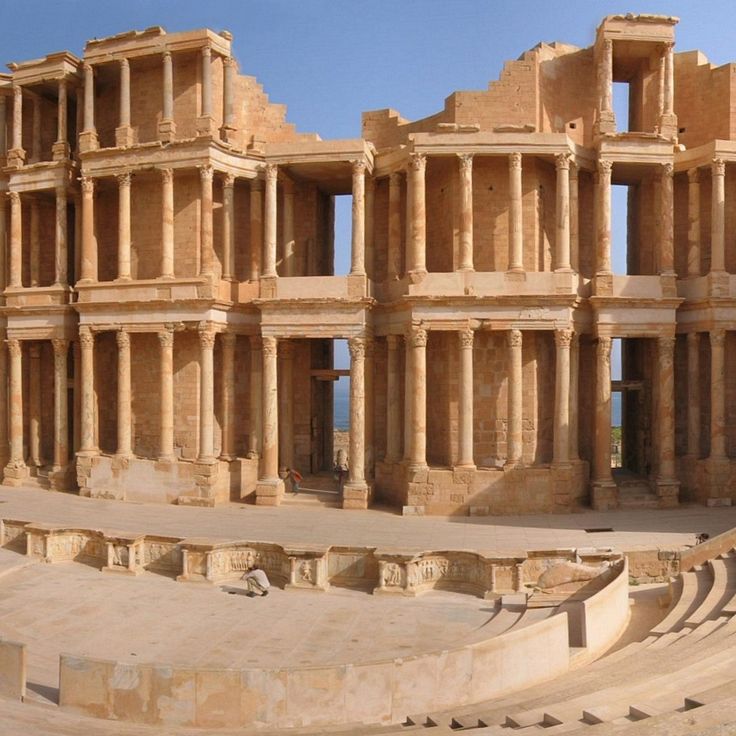
Sabratha is an ancient Roman city with surviving ruins along the Mediterranean coast. Located in Libya's Tripolitania region, it stands as one of the hidden destinations of Middle Eastern deserts. The city reveals remains from Roman times that offer visitors a window into the region's past. The ruins spread across the site, telling the story of life that once flourished here centuries ago.
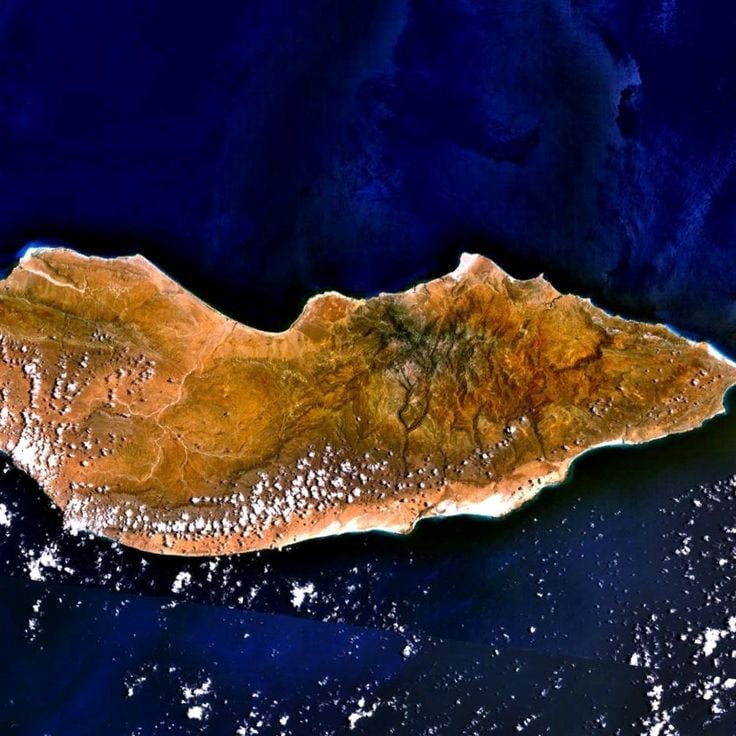
Socotra Island is an isolated island in Yemen home to plants and animals found nowhere else on Earth. The island's unique wildlife has developed over millions of years in separation from the mainland. For travelers exploring remote desert destinations in the Middle East, Socotra Island offers a window into the region's natural diversity and heritage.
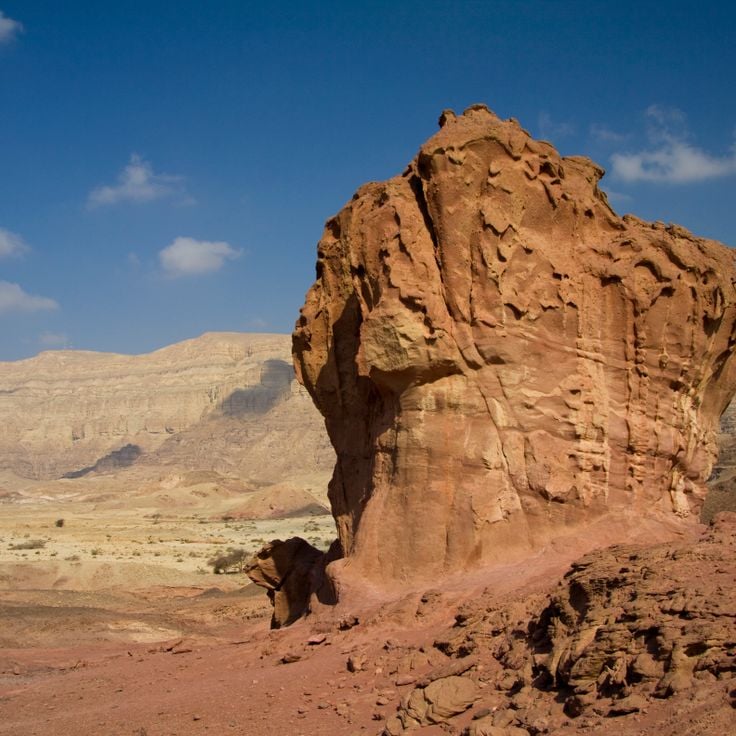
Timna Valley sits hidden in the desert with a long history of copper mining that shaped the region for thousands of years. The valley features distinctive rock formations colored in shades of red and orange, carved by wind and time. Walking through this space, you can see where ancient miners worked and lived. The landscape tells the story of human effort in one of the world's harshest environments, offering visitors a window into how people adapted to desert life.
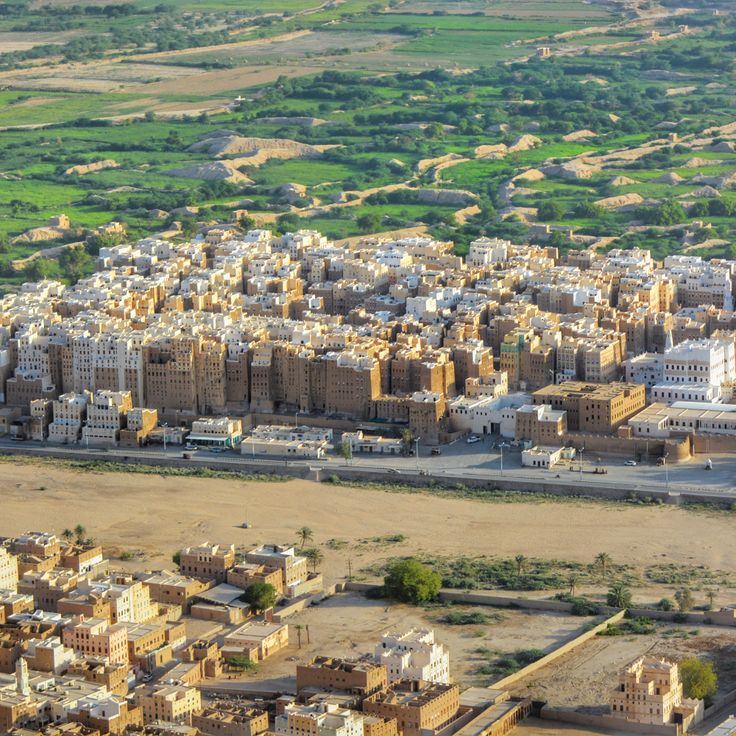
Shibam is an ancient desert city known for its distinctive high-rise mud brick buildings that stand multiple stories tall. This place has shaped daily life in Yemen's Hadhramaut region for centuries, with narrow streets winding between the earthen structures. The buildings showcase traditional construction methods passed down through generations, creating a striking skyline born from desert materials. Walking through Shibam reveals how residents adapted to their environment, developing a urban settlement that rises from the arid landscape in a way found nowhere else in the region.
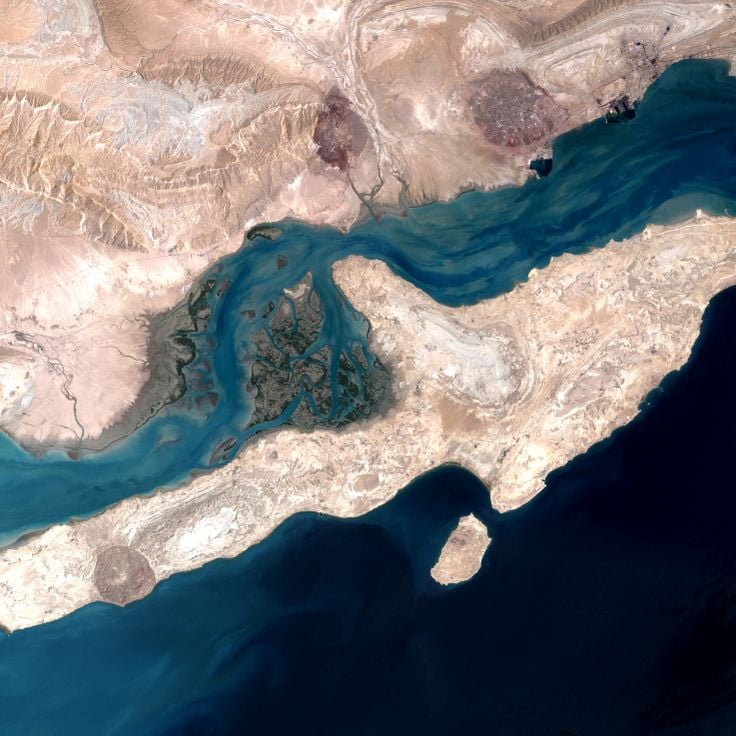
Qeshm Island is the largest island in the Persian Gulf and shows the natural diversity and geological formations of the region. The island features various landscapes, including rock formations, mangrove forests, and coastal areas. It offers insights into the natural character of the Middle East and its geological history. Visitors can explore places that display the ecological and landscape variety of this gulf region.
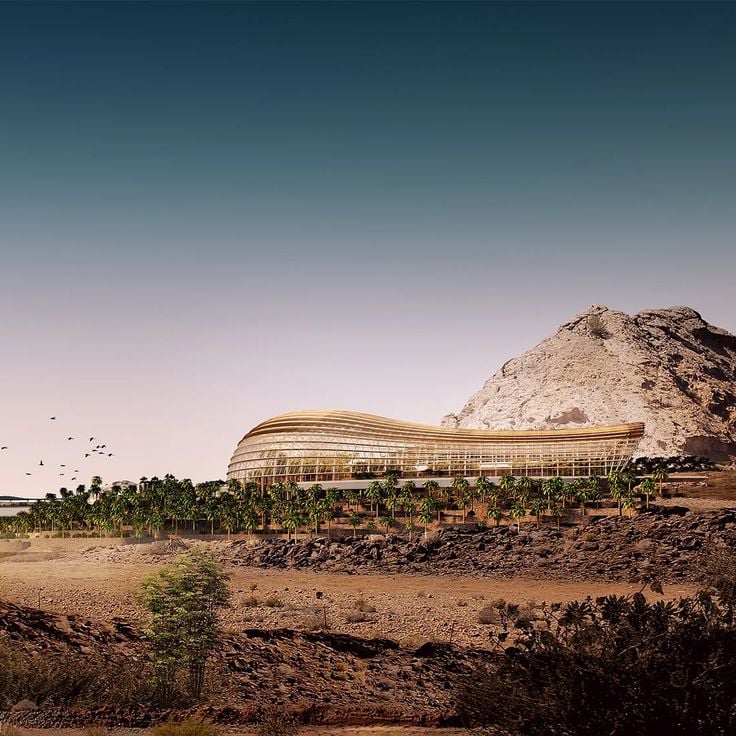
The Oman Botanic Garden displays the diverse plant life of the country. Here you will find plants from different regions of Oman and from other parts of the world. Visitors can walk through gardens that recreate different habitats and ecosystems. The garden reveals how rich and varied nature is in Oman, even in its arid regions. It offers a chance to understand the botanical heritage that has shaped the land.
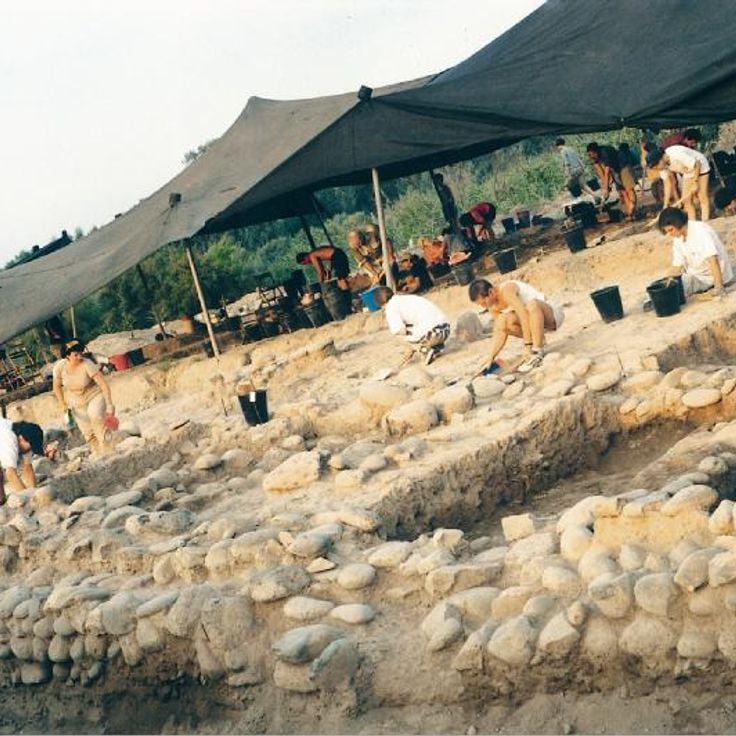
Sha'ar Hagolan is an archaeological site in the Jordan Valley that reveals the remains of one of the earliest known Neolithic settlements. This hidden location sheds light on the early traces of human habitation and helps us understand how societies developed in the region. Visitors can see how people lived during the earliest stages of settlement in the Middle East.
The Jubbah Rock Carvings showcase ancient petroglyphs etched into sandstone outcrops across the Ha'il Province. These carvings depict hunting scenes and daily life from prehistoric times, offering a window into how people lived thousands of years ago. The rock art is spread across natural stone formations scattered through the desert, revealing the artistic traditions of early inhabitants. These petroglyphs represent an important record of human settlement and cultural expression in the Arabian Peninsula.
This oasis in the Eastern Province stands as one of the world's largest natural oases and reveals how people have made life possible in the heart of the desert. Al-Ahsa shows the relationship between water and settlement in the Middle East, where vast groves of date palms and green fields flourish against the surrounding sand. The oasis offers insight into centuries of human habitation and the ways communities have adapted to life in an arid landscape.
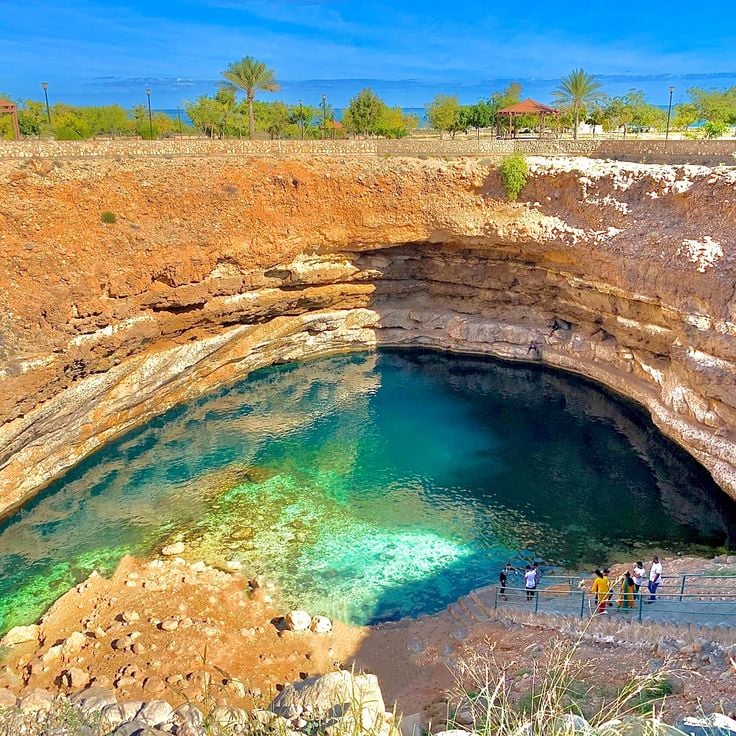
Bimmah Sinkhole is a remarkable limestone formation near Muscat filled with turquoise water. This site shows the natural beauty of Oman's landscape and offers insight into the geological features of the region. The clear waters invite visitors to swim and make this place a refreshing oasis in the desert landscape.
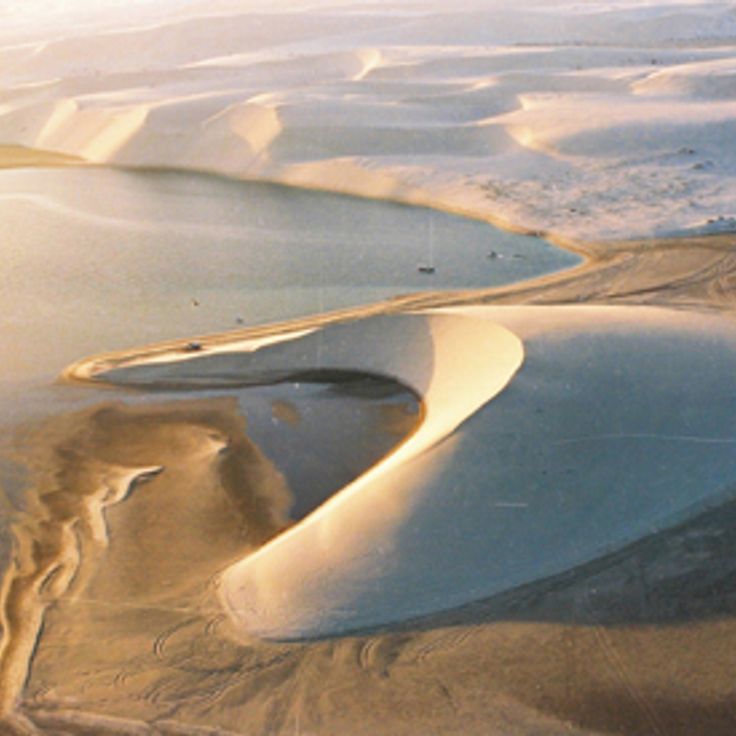
Khor Al-Adaid is an inland sea in southern Qatar nestled between desert dunes. The water and surrounding sand create an unexpected landscape in this arid region. Visitors come here to experience the contrasts of the desert and witness where water meets sand. This site reveals the diverse natural character of the Middle East away from more traveled routes.
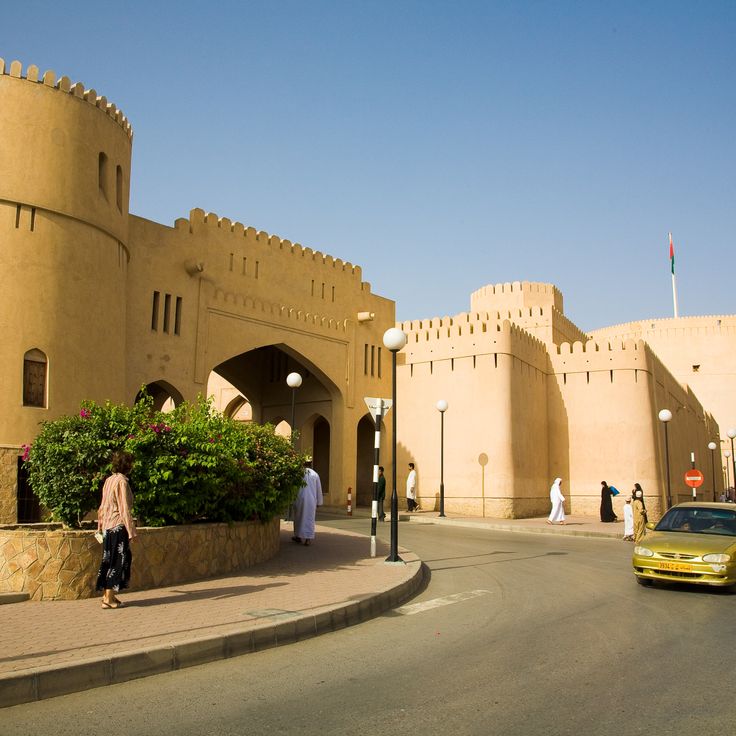
Nizwa Fort is a fortification in the Ad Dakhiliyah region that demonstrates how people protected themselves in the desert. The structure features robust defensive walls and carefully designed features that reveal the history of the area and how communities lived in this environment. Walking through this fort shows visitors the architectural skills and practical knowledge of its builders.
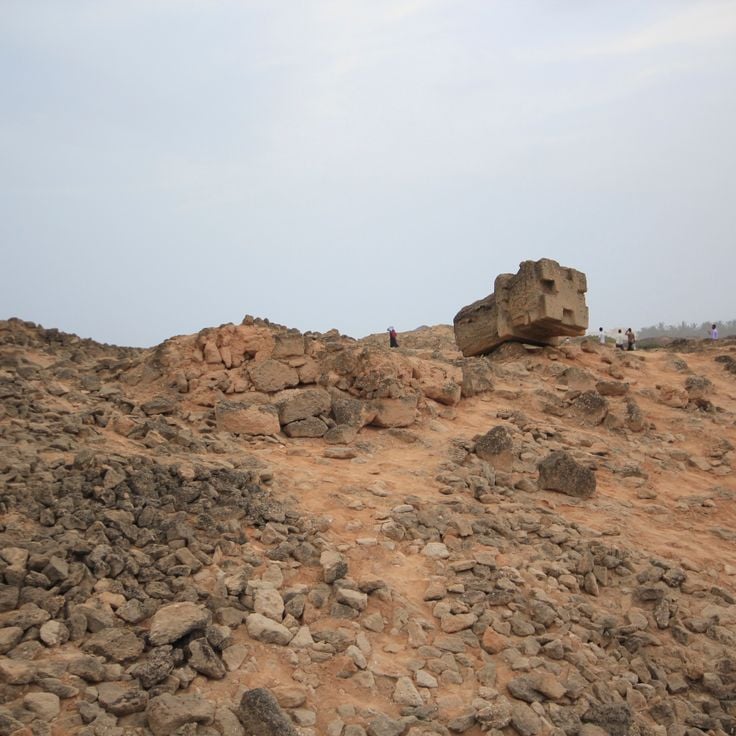
This archaeological park contains the remains of an ancient city near Salalah. Al Baleed was once an important harbor and trading center whose history spans centuries. The ruins tell the story of a place that grew wealthy through frankincense trade. Visitors can explore the foundations of old buildings, city gates, and tombs that show how people lived and worked here.
The Umm al-Maa is one of the lakes in the Ubari Sand Sea and shows the natural diversity of the Fezzan desert. This lake lies hidden in the desert landscape and offers insight into the special waters of this region, where water plays an important role in the otherwise dry environment.
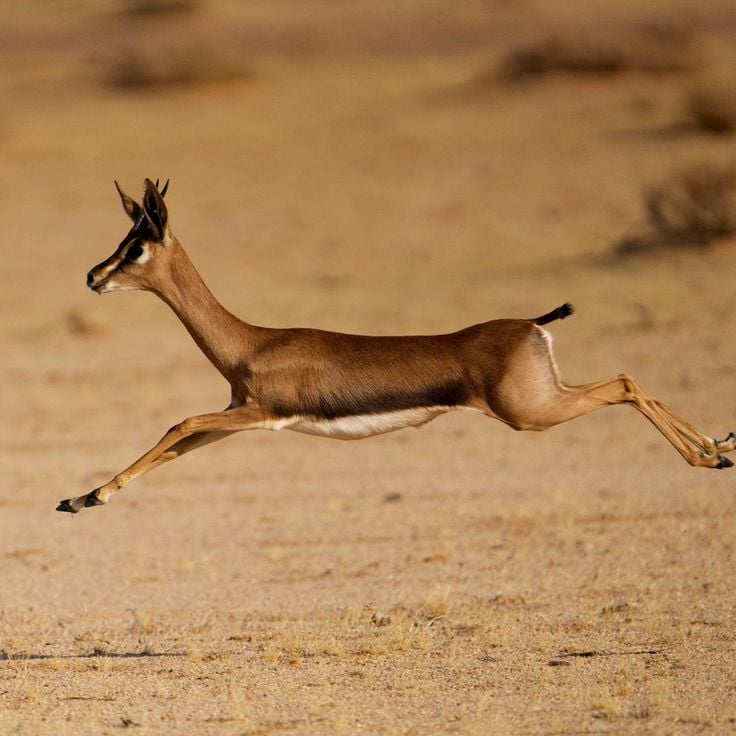
Sharaan Nature Reserve is a protected area near AlUla that offers travelers seeking hidden desert gems a chance to experience the region's natural heritage firsthand. The reserve features dramatic sandstone cliffs and is home to diverse wildlife adapted to desert life. Walking through the reserve, visitors encounter towering rock formations, observe animals in their habitat, and experience the quiet of the desert landscape.
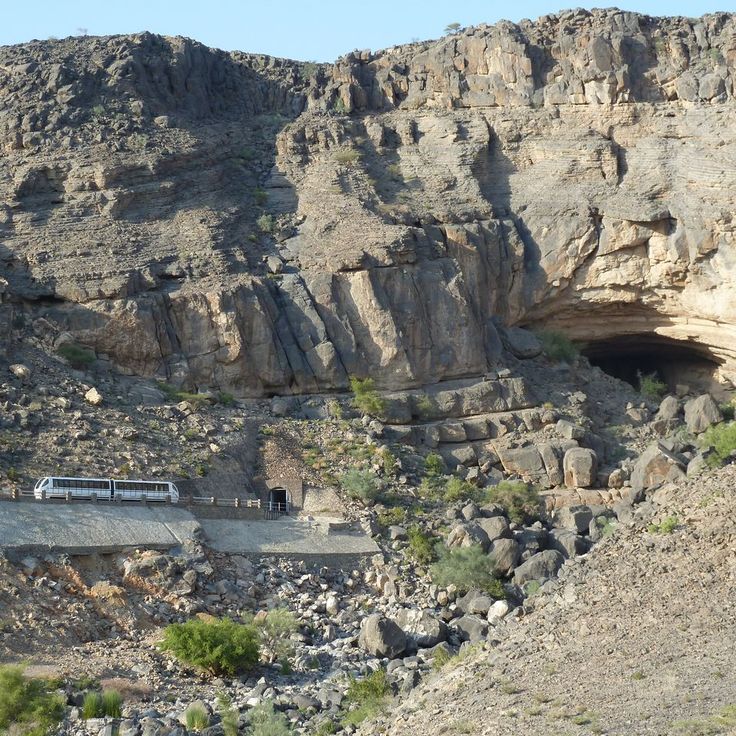
Al Hoota Cave is a large cave system featured in this collection of hidden desert locations across the Middle East. The cave features impressive stalactites and stalagmites that have formed over thousands of years. Visitors can walk through the underground chambers and observe the geological formations up close. The system offers insight into the natural history of the region.
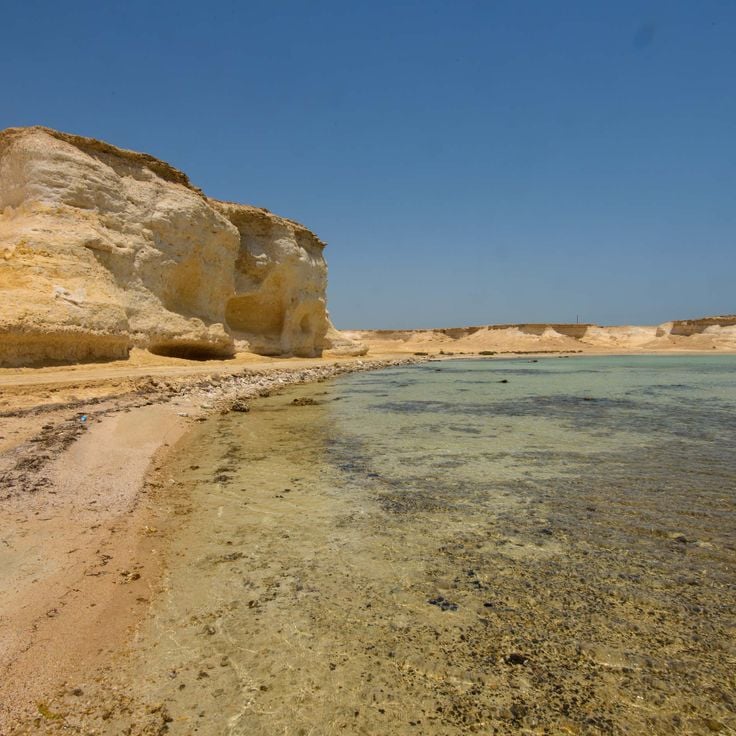
Ras Abrouq is a secluded beach area in western Qatar shaped by distinctive limestone formations that rise from the shore. The site reveals layers of geology and natural history that few travelers encounter. This beach belongs in this collection as an example of how desert and coastal forces create remarkable landforms, separate from the usual tourist routes.
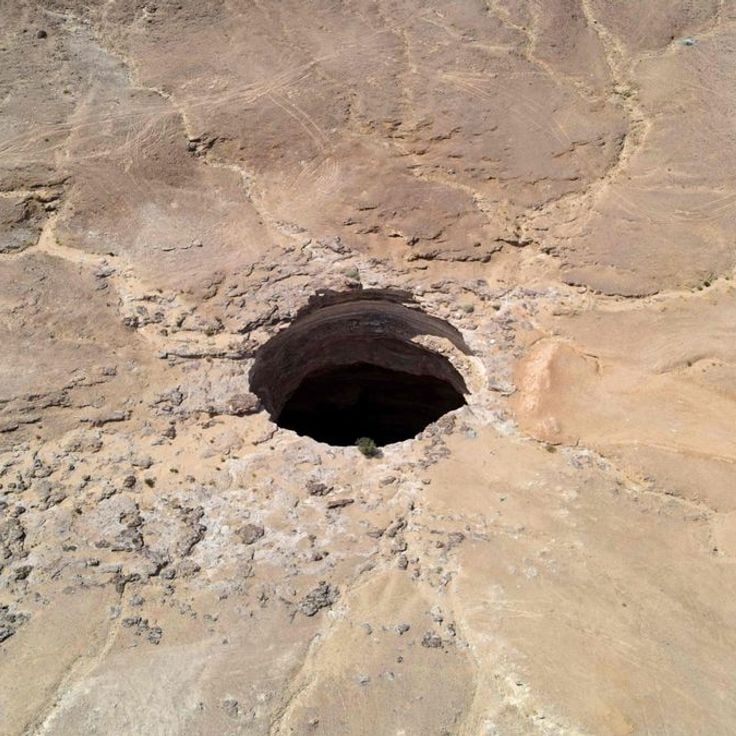
Bir Barhut Well, often called the 'Well of Hell,' is a natural wonder tucked away in the Middle Eastern deserts. This hidden site is surrounded by local myths and legends that reflect the region's rich cultural heritage, offering visitors a glimpse into stories passed down through generations.
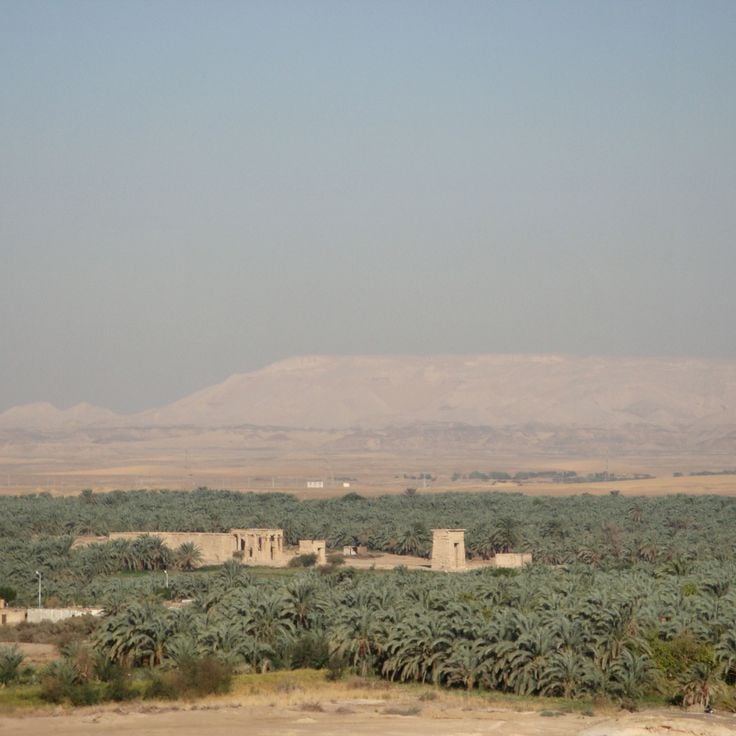
Kharga Oasis served as a major stopping point along ancient caravan routes crossing the desert. The oasis contains the remains of different periods, from pharaonic temples to later fortresses. Life here depended on the underground springs that made settlement possible in this harsh landscape. The archaeological sites show how people traded goods, exchanged ideas, and built communities in one of the world's most challenging environments.
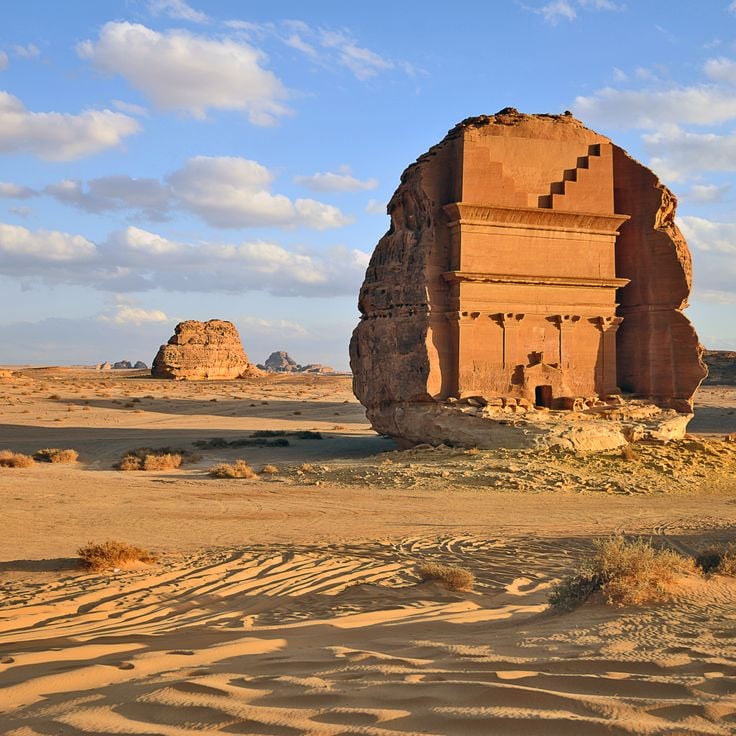
Qasr al-Farid is an ancient Nabatean tomb carved into sandstone, located within the Mada'in Saleh site. This hidden gem in the Saudi desert reveals the artistic skill and cultural legacy of the region, offering insight into a part of Arabian history that few travelers encounter.
This rock formation in Tabuk Province displays tall, slender stone pillars rising from the desert floor. The site offers a look at the natural geology and landscape features of the Arabian Peninsula that travelers often overlook.
This wadi is a hidden spot in the Middle Eastern deserts where visitors encounter pools of still water and steep rock faces. The clear water invites swimming, while the surrounding cliffs create a calm setting. The place shows the natural character of the region and offers a glimpse into the landscapes that remain tucked away in this area.
This mountain near Al Ain rises from the desert landscape and offers broad views from its summit across the surrounding area. On its slopes are traces of ancient settlement and archaeological finds that tell of the long history of this region. The site combines natural features with historical interest and shows how people have lived in this desert area for centuries.
Seef Palace is a royal palace in Kuwait City surrounded by green gardens that showcase Islamic architecture. This site offers insight into the region's cultural history and stands as an example of the remarkable craftsmanship found in Middle Eastern palaces.
Wadi Rum is a desert landscape where towering sandstone cliffs rise from rust-colored plains, creating a dramatic natural setting. The valley has been home to Bedouin communities for centuries, and their way of life remains visible in the camps and routes that cross the area. Visitors can explore the rock formations on foot, by jeep, or on camel, and experience how people have adapted to life in this remote desert. This location represents one of the lesser-known yet significant natural and cultural treasures of the Middle Eastern deserts.
Dasht-e Lut is a vast salt desert in southeastern Iran, home to some of the highest temperatures ever recorded on Earth. The desert displays striking landforms shaped by wind and erosion over thousands of years. Those who venture here experience one of the most extreme and remarkable landscapes in the Middle East.
This canyon in the Negev Desert shows how people once lived in harsh landscapes. Ein Avdat brings together nature and history: waterfalls flow through deep gorges while ancient settlements appear in the rock faces. The site reveals traces of Nabataean civilization and offers walking paths that wind through canyon walls. Visitors experience the desert's character and understand how trade and farming once thrived in this region.
Erg Chebbi is a vast sand sea in the Sahara known for its towering dunes and nomadic communities. This place reveals how people have adapted to desert life and offers insights into the traditional cultures that call these dunes home. The sand formations here are among the largest and most striking in the Moroccan desert.
Sabratha is an ancient Roman city with surviving ruins along the Mediterranean coast. Located in Libya's Tripolitania region, it stands as one of the hidden destinations of Middle Eastern deserts. The city reveals remains from Roman times that offer visitors a window into the region's past. The ruins spread across the site, telling the story of life that once flourished here centuries ago.
Socotra Island is an isolated island in Yemen home to plants and animals found nowhere else on Earth. The island's unique wildlife has developed over millions of years in separation from the mainland. For travelers exploring remote desert destinations in the Middle East, Socotra Island offers a window into the region's natural diversity and heritage.
Timna Valley sits hidden in the desert with a long history of copper mining that shaped the region for thousands of years. The valley features distinctive rock formations colored in shades of red and orange, carved by wind and time. Walking through this space, you can see where ancient miners worked and lived. The landscape tells the story of human effort in one of the world's harshest environments, offering visitors a window into how people adapted to desert life.
Shibam is an ancient desert city known for its distinctive high-rise mud brick buildings that stand multiple stories tall. This place has shaped daily life in Yemen's Hadhramaut region for centuries, with narrow streets winding between the earthen structures. The buildings showcase traditional construction methods passed down through generations, creating a striking skyline born from desert materials. Walking through Shibam reveals how residents adapted to their environment, developing a urban settlement that rises from the arid landscape in a way found nowhere else in the region.
Qeshm Island is the largest island in the Persian Gulf and shows the natural diversity and geological formations of the region. The island features various landscapes, including rock formations, mangrove forests, and coastal areas. It offers insights into the natural character of the Middle East and its geological history. Visitors can explore places that display the ecological and landscape variety of this gulf region.
The Oman Botanic Garden displays the diverse plant life of the country. Here you will find plants from different regions of Oman and from other parts of the world. Visitors can walk through gardens that recreate different habitats and ecosystems. The garden reveals how rich and varied nature is in Oman, even in its arid regions. It offers a chance to understand the botanical heritage that has shaped the land.
Sha'ar Hagolan is an archaeological site in the Jordan Valley that reveals the remains of one of the earliest known Neolithic settlements. This hidden location sheds light on the early traces of human habitation and helps us understand how societies developed in the region. Visitors can see how people lived during the earliest stages of settlement in the Middle East.
The Jubbah Rock Carvings showcase ancient petroglyphs etched into sandstone outcrops across the Ha'il Province. These carvings depict hunting scenes and daily life from prehistoric times, offering a window into how people lived thousands of years ago. The rock art is spread across natural stone formations scattered through the desert, revealing the artistic traditions of early inhabitants. These petroglyphs represent an important record of human settlement and cultural expression in the Arabian Peninsula.
This oasis in the Eastern Province stands as one of the world's largest natural oases and reveals how people have made life possible in the heart of the desert. Al-Ahsa shows the relationship between water and settlement in the Middle East, where vast groves of date palms and green fields flourish against the surrounding sand. The oasis offers insight into centuries of human habitation and the ways communities have adapted to life in an arid landscape.
Bimmah Sinkhole is a remarkable limestone formation near Muscat filled with turquoise water. This site shows the natural beauty of Oman's landscape and offers insight into the geological features of the region. The clear waters invite visitors to swim and make this place a refreshing oasis in the desert landscape.
Khor Al-Adaid is an inland sea in southern Qatar nestled between desert dunes. The water and surrounding sand create an unexpected landscape in this arid region. Visitors come here to experience the contrasts of the desert and witness where water meets sand. This site reveals the diverse natural character of the Middle East away from more traveled routes.
Nizwa Fort is a fortification in the Ad Dakhiliyah region that demonstrates how people protected themselves in the desert. The structure features robust defensive walls and carefully designed features that reveal the history of the area and how communities lived in this environment. Walking through this fort shows visitors the architectural skills and practical knowledge of its builders.
This archaeological park contains the remains of an ancient city near Salalah. Al Baleed was once an important harbor and trading center whose history spans centuries. The ruins tell the story of a place that grew wealthy through frankincense trade. Visitors can explore the foundations of old buildings, city gates, and tombs that show how people lived and worked here.
The Umm al-Maa is one of the lakes in the Ubari Sand Sea and shows the natural diversity of the Fezzan desert. This lake lies hidden in the desert landscape and offers insight into the special waters of this region, where water plays an important role in the otherwise dry environment.
Sharaan Nature Reserve is a protected area near AlUla that offers travelers seeking hidden desert gems a chance to experience the region's natural heritage firsthand. The reserve features dramatic sandstone cliffs and is home to diverse wildlife adapted to desert life. Walking through the reserve, visitors encounter towering rock formations, observe animals in their habitat, and experience the quiet of the desert landscape.
Al Hoota Cave is a large cave system featured in this collection of hidden desert locations across the Middle East. The cave features impressive stalactites and stalagmites that have formed over thousands of years. Visitors can walk through the underground chambers and observe the geological formations up close. The system offers insight into the natural history of the region.
Ras Abrouq is a secluded beach area in western Qatar shaped by distinctive limestone formations that rise from the shore. The site reveals layers of geology and natural history that few travelers encounter. This beach belongs in this collection as an example of how desert and coastal forces create remarkable landforms, separate from the usual tourist routes.
Bir Barhut Well, often called the 'Well of Hell,' is a natural wonder tucked away in the Middle Eastern deserts. This hidden site is surrounded by local myths and legends that reflect the region's rich cultural heritage, offering visitors a glimpse into stories passed down through generations.
Kharga Oasis served as a major stopping point along ancient caravan routes crossing the desert. The oasis contains the remains of different periods, from pharaonic temples to later fortresses. Life here depended on the underground springs that made settlement possible in this harsh landscape. The archaeological sites show how people traded goods, exchanged ideas, and built communities in one of the world's most challenging environments.
Qasr al-Farid is an ancient Nabatean tomb carved into sandstone, located within the Mada'in Saleh site. This hidden gem in the Saudi desert reveals the artistic skill and cultural legacy of the region, offering insight into a part of Arabian history that few travelers encounter.
This rock formation in Tabuk Province displays tall, slender stone pillars rising from the desert floor. The site offers a look at the natural geology and landscape features of the Arabian Peninsula that travelers often overlook.
This wadi is a hidden spot in the Middle Eastern deserts where visitors encounter pools of still water and steep rock faces. The clear water invites swimming, while the surrounding cliffs create a calm setting. The place shows the natural character of the region and offers a glimpse into the landscapes that remain tucked away in this area.
This mountain near Al Ain rises from the desert landscape and offers broad views from its summit across the surrounding area. On its slopes are traces of ancient settlement and archaeological finds that tell of the long history of this region. The site combines natural features with historical interest and shows how people have lived in this desert area for centuries.
Seef Palace is a royal palace in Kuwait City surrounded by green gardens that showcase Islamic architecture. This site offers insight into the region's cultural history and stands as an example of the remarkable craftsmanship found in Middle Eastern palaces.
Wadi Rum is a desert landscape where towering sandstone cliffs rise from rust-colored plains, creating a dramatic natural setting. The valley has been home to Bedouin communities for centuries, and their way of life remains visible in the camps and routes that cross the area. Visitors can explore the rock formations on foot, by jeep, or on camel, and experience how people have adapted to life in this remote desert. This location represents one of the lesser-known yet significant natural and cultural treasures of the Middle Eastern deserts.
Dasht-e Lut is a vast salt desert in southeastern Iran, home to some of the highest temperatures ever recorded on Earth. The desert displays striking landforms shaped by wind and erosion over thousands of years. Those who venture here experience one of the most extreme and remarkable landscapes in the Middle East.
This canyon in the Negev Desert shows how people once lived in harsh landscapes. Ein Avdat brings together nature and history: waterfalls flow through deep gorges while ancient settlements appear in the rock faces. The site reveals traces of Nabataean civilization and offers walking paths that wind through canyon walls. Visitors experience the desert's character and understand how trade and farming once thrived in this region.
Erg Chebbi is a vast sand sea in the Sahara known for its towering dunes and nomadic communities. This place reveals how people have adapted to desert life and offers insights into the traditional cultures that call these dunes home. The sand formations here are among the largest and most striking in the Moroccan desert.
Sabratha is an ancient Roman city with surviving ruins along the Mediterranean coast. Located in Libya's Tripolitania region, it stands as one of the hidden destinations of Middle Eastern deserts. The city reveals remains from Roman times that offer visitors a window into the region's past. The ruins spread across the site, telling the story of life that once flourished here centuries ago.
Socotra Island is an isolated island in Yemen home to plants and animals found nowhere else on Earth. The island's unique wildlife has developed over millions of years in separation from the mainland. For travelers exploring remote desert destinations in the Middle East, Socotra Island offers a window into the region's natural diversity and heritage.
Timna Valley sits hidden in the desert with a long history of copper mining that shaped the region for thousands of years. The valley features distinctive rock formations colored in shades of red and orange, carved by wind and time. Walking through this space, you can see where ancient miners worked and lived. The landscape tells the story of human effort in one of the world's harshest environments, offering visitors a window into how people adapted to desert life.
Shibam is an ancient desert city known for its distinctive high-rise mud brick buildings that stand multiple stories tall. This place has shaped daily life in Yemen's Hadhramaut region for centuries, with narrow streets winding between the earthen structures. The buildings showcase traditional construction methods passed down through generations, creating a striking skyline born from desert materials. Walking through Shibam reveals how residents adapted to their environment, developing a urban settlement that rises from the arid landscape in a way found nowhere else in the region.
Qeshm Island is the largest island in the Persian Gulf and shows the natural diversity and geological formations of the region. The island features various landscapes, including rock formations, mangrove forests, and coastal areas. It offers insights into the natural character of the Middle East and its geological history. Visitors can explore places that display the ecological and landscape variety of this gulf region.
The Oman Botanic Garden displays the diverse plant life of the country. Here you will find plants from different regions of Oman and from other parts of the world. Visitors can walk through gardens that recreate different habitats and ecosystems. The garden reveals how rich and varied nature is in Oman, even in its arid regions. It offers a chance to understand the botanical heritage that has shaped the land.
Sha'ar Hagolan is an archaeological site in the Jordan Valley that reveals the remains of one of the earliest known Neolithic settlements. This hidden location sheds light on the early traces of human habitation and helps us understand how societies developed in the region. Visitors can see how people lived during the earliest stages of settlement in the Middle East.
The Jubbah Rock Carvings showcase ancient petroglyphs etched into sandstone outcrops across the Ha'il Province. These carvings depict hunting scenes and daily life from prehistoric times, offering a window into how people lived thousands of years ago. The rock art is spread across natural stone formations scattered through the desert, revealing the artistic traditions of early inhabitants. These petroglyphs represent an important record of human settlement and cultural expression in the Arabian Peninsula.
This oasis in the Eastern Province stands as one of the world's largest natural oases and reveals how people have made life possible in the heart of the desert. Al-Ahsa shows the relationship between water and settlement in the Middle East, where vast groves of date palms and green fields flourish against the surrounding sand. The oasis offers insight into centuries of human habitation and the ways communities have adapted to life in an arid landscape.
Bimmah Sinkhole is a remarkable limestone formation near Muscat filled with turquoise water. This site shows the natural beauty of Oman's landscape and offers insight into the geological features of the region. The clear waters invite visitors to swim and make this place a refreshing oasis in the desert landscape.
Khor Al-Adaid is an inland sea in southern Qatar nestled between desert dunes. The water and surrounding sand create an unexpected landscape in this arid region. Visitors come here to experience the contrasts of the desert and witness where water meets sand. This site reveals the diverse natural character of the Middle East away from more traveled routes.
Nizwa Fort is a fortification in the Ad Dakhiliyah region that demonstrates how people protected themselves in the desert. The structure features robust defensive walls and carefully designed features that reveal the history of the area and how communities lived in this environment. Walking through this fort shows visitors the architectural skills and practical knowledge of its builders.
This archaeological park contains the remains of an ancient city near Salalah. Al Baleed was once an important harbor and trading center whose history spans centuries. The ruins tell the story of a place that grew wealthy through frankincense trade. Visitors can explore the foundations of old buildings, city gates, and tombs that show how people lived and worked here.
The Umm al-Maa is one of the lakes in the Ubari Sand Sea and shows the natural diversity of the Fezzan desert. This lake lies hidden in the desert landscape and offers insight into the special waters of this region, where water plays an important role in the otherwise dry environment.
Sharaan Nature Reserve is a protected area near AlUla that offers travelers seeking hidden desert gems a chance to experience the region's natural heritage firsthand. The reserve features dramatic sandstone cliffs and is home to diverse wildlife adapted to desert life. Walking through the reserve, visitors encounter towering rock formations, observe animals in their habitat, and experience the quiet of the desert landscape.
Al Hoota Cave is a large cave system featured in this collection of hidden desert locations across the Middle East. The cave features impressive stalactites and stalagmites that have formed over thousands of years. Visitors can walk through the underground chambers and observe the geological formations up close. The system offers insight into the natural history of the region.
Ras Abrouq is a secluded beach area in western Qatar shaped by distinctive limestone formations that rise from the shore. The site reveals layers of geology and natural history that few travelers encounter. This beach belongs in this collection as an example of how desert and coastal forces create remarkable landforms, separate from the usual tourist routes.
Bir Barhut Well, often called the 'Well of Hell,' is a natural wonder tucked away in the Middle Eastern deserts. This hidden site is surrounded by local myths and legends that reflect the region's rich cultural heritage, offering visitors a glimpse into stories passed down through generations.
Kharga Oasis served as a major stopping point along ancient caravan routes crossing the desert. The oasis contains the remains of different periods, from pharaonic temples to later fortresses. Life here depended on the underground springs that made settlement possible in this harsh landscape. The archaeological sites show how people traded goods, exchanged ideas, and built communities in one of the world's most challenging environments.
Qasr al-Farid is an ancient Nabatean tomb carved into sandstone, located within the Mada'in Saleh site. This hidden gem in the Saudi desert reveals the artistic skill and cultural legacy of the region, offering insight into a part of Arabian history that few travelers encounter.
If you plan to visit these places when the political situation allows, prepare for extreme conditions: plenty of water, sun protection, and light clothing are necessary. Some sites require a local guide for safe exploration. The best time to go is between October and April, when the temperatures make it safe to explore these areas.