See the monuments around you in AROpen chests in the app
Around Us is built for your phone — point your camera at the streets and discover the monuments and places around you in augmented reality.Around Us is built for your phone — chests unlock when you walk, explore and capture nearby places.
Old aqueducts that still cross Europe and the Mediterranean basin show the skill of Roman and Ottoman engineering. They could control valleys and rivers.
This selection of sites shows the impressive water structures built by people in ancient times to carry water over long distances. Roman and Ottoman engineers built aqueducts that crossed rivers and valleys, reaching up to fifty meters high. They consisted of several layers of stone arches stacked neatly one above the other. These structures work on a simple idea: water flows down from distant sources and rivers to the cities, arriving ready to use.
You can still see remains of these old systems all across Europe, in the Mediterranean area, and the Middle East. The Pont du Gard in France and the aqueducts in Segovia in Spain show the skills of that time. In Turkey, you can see the Valens Aqueduct that brought water to Istanbul. Italy has several examples, such as the Vanvitelli Aqueduct in Caserta and remains in Rome. These structures show how well ancient builders understood how to use their surroundings.
Each of these structures tells a story about the importance of water in city life. They are not just old buildings; you can still see and touch them today. Many are well kept so you can understand how they were used in the past.
Old aqueducts that still cross Europe and the Mediterranean basin show the skill of Roman and Ottoman engineering. They could control valleys and rivers.
This selection of sites shows the impressive water structures built by people in ancient times to carry water over long distances. Roman and Ottoman engineers built aqueducts that crossed rivers and valleys, reaching up to fifty meters high. They consisted of several layers of stone arches stacked neatly one above the other. These structures work on a simple idea: water flows down from distant sources and rivers to the cities, arriving ready to use.
You can still see remains of these old systems all across Europe, in the Mediterranean area, and the Middle East. The Pont du Gard in France and the aqueducts in Segovia in Spain show the skills of that time. In Turkey, you can see the Valens Aqueduct that brought water to Istanbul. Italy has several examples, such as the Vanvitelli Aqueduct in Caserta and remains in Rome. These structures show how well ancient builders understood how to use their surroundings.
Each of these structures tells a story about the importance of water in city life. They are not just old buildings; you can still see and touch them today. Many are well kept so you can understand how they were used in the past.
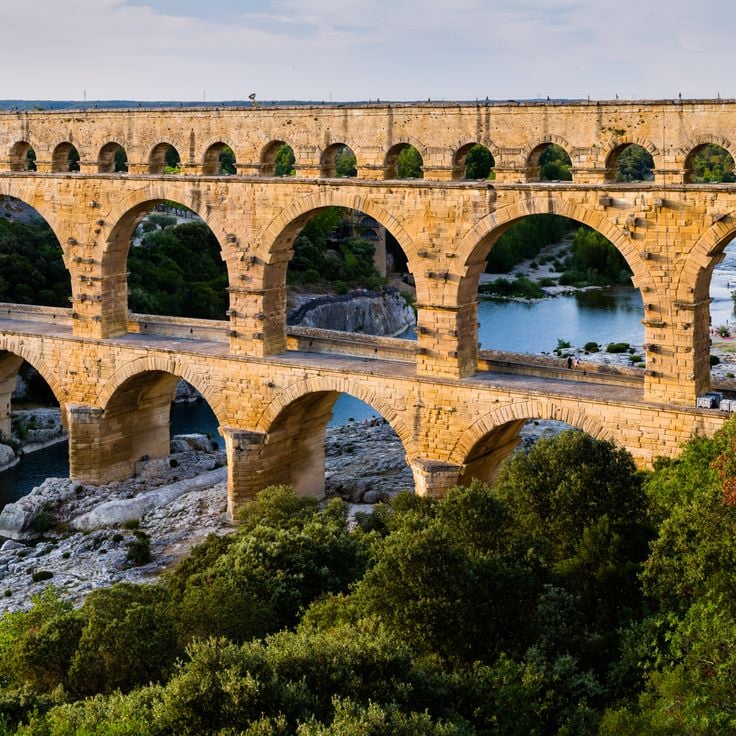
The Pont du Gard is a Roman aqueduct near Nîmes that crosses the Gardon river on three levels. The top level reaches about 160 feet (48 meters) high. The structure was built without mortar: the stone blocks hold together through their own weight. For centuries it carried water from distant springs into the city. Today you can walk right up to it and see the full structure from below.
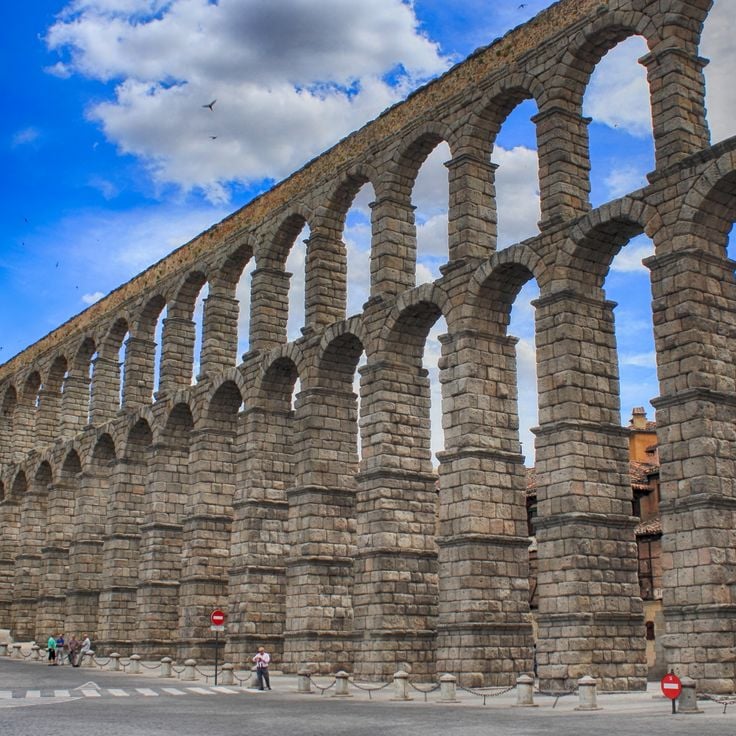
The Aqueduct of Segovia is a Roman water system that transported water across two levels of granite stonework to a distant city. The structure contains 167 arches and was built without mortar using stone blocks. This construction shows how Roman engineers used gravity to move water over valleys, supplying cities with fresh water from distant springs and rivers.
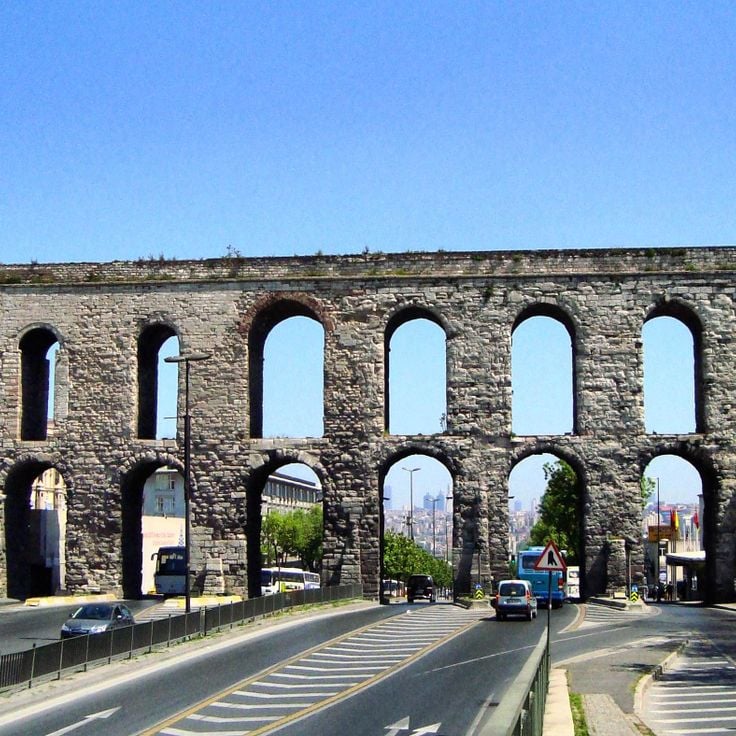
The Valens Aqueduct is a Roman structure from the 4th century that still runs through the heart of Istanbul. It was built to carry water from distant springs and rivers into the city, using only the force of gravity. Its stone arches crossed valleys and plains to bring water directly to where people needed it. Today, you can see the surviving sections standing in the middle of the city and get a real sense of how water once flowed through these arches.
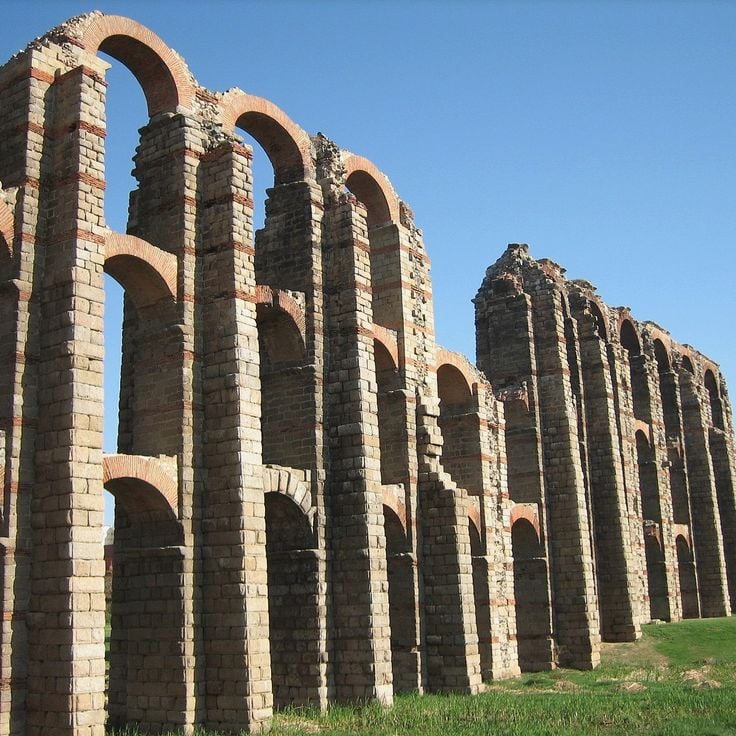
Los Milagros is a first-century Roman aqueduct that transported water over 830 meters through multiple rows of granite and brick arches. This structure stands as evidence of Roman engineering skill in moving water by gravity across valleys and plains to supply distant cities.
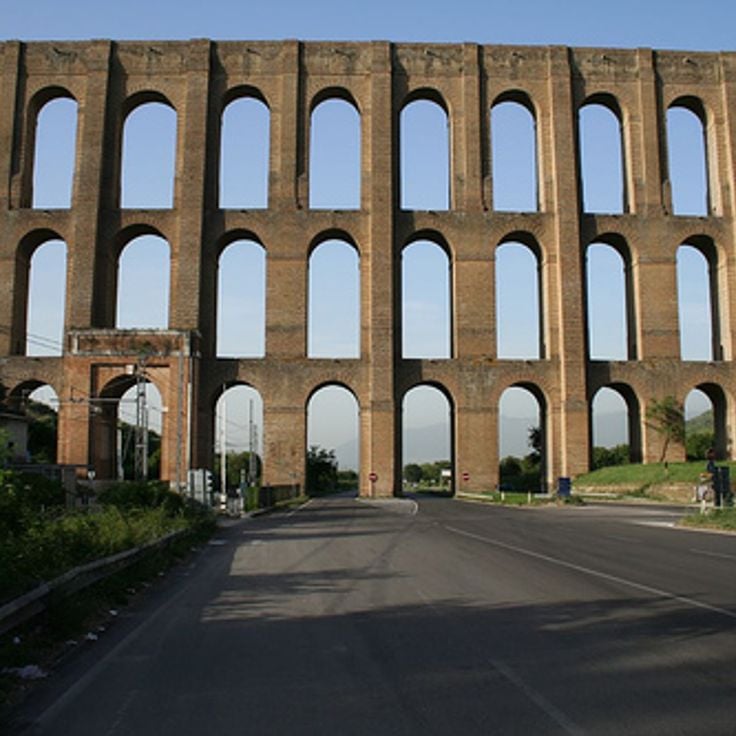
The Aqueduct of Vanvitelli is an 18th century water system that transported water from distant sources to the royal residence. This structure shows how engineers moved water across long distances using gravity - a technique that the Romans and Ottomans also perfected. The system uses stone arches on multiple levels to cross valleys and bring water from Monte Taburno to the palace.
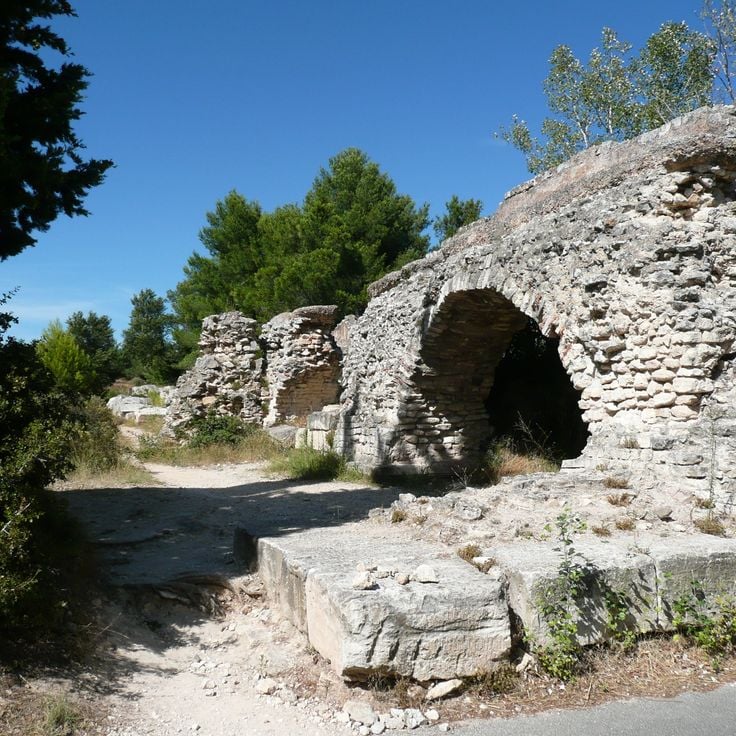
The Barbegal Aqueduct and Mill represents one of the ancient water systems of the world. This 2nd-century Roman industrial complex transported water across valleys using gravity. The aqueduct supplied the nearby city with fresh water from distant sources. The site contained 16 waterwheels arranged in two parallel rows for grain processing.
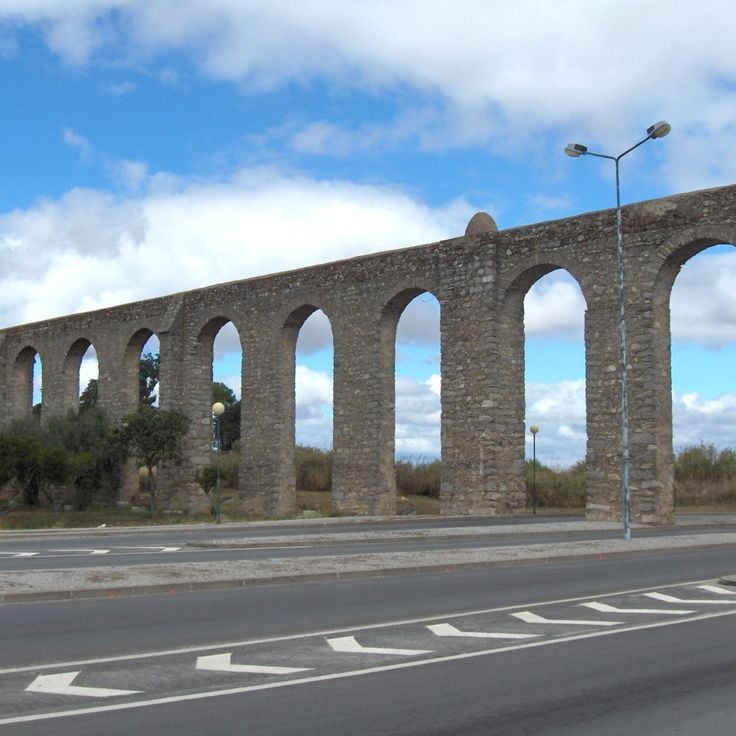
The Água de Prata Aqueduct in Évora is an example of the water systems of ancient times. Completed in 1537, the aqueduct stretches 18 kilometers and supplied the city with water from granite springs. Like other ancient aqueducts, this structure used gravity to move water across valleys and plains. Stone arches on multiple levels allowed the structure to span great heights and carry water over long distances.
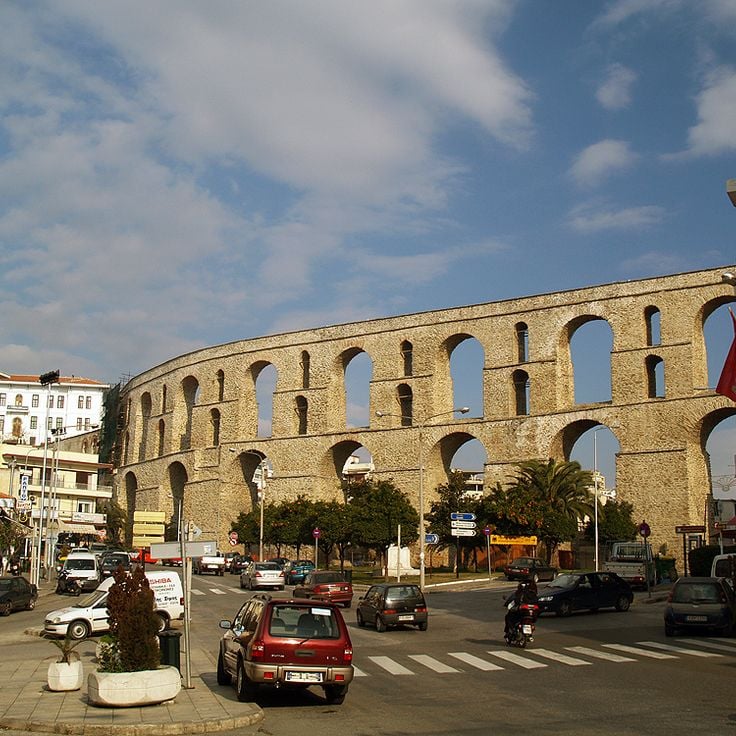
The Kavala Aqueduct is a remarkable water system built in the 16th century that transported water across 60 arches. Rising to a maximum height of 25 meters, this structure exemplifies how ancient and Ottoman engineers designed aqueducts to carry water across valleys and plains using gravity alone. The aqueduct supplied the city with fresh water from distant springs and rivers, representing the ingenuity of water systems that once sustained civilizations.
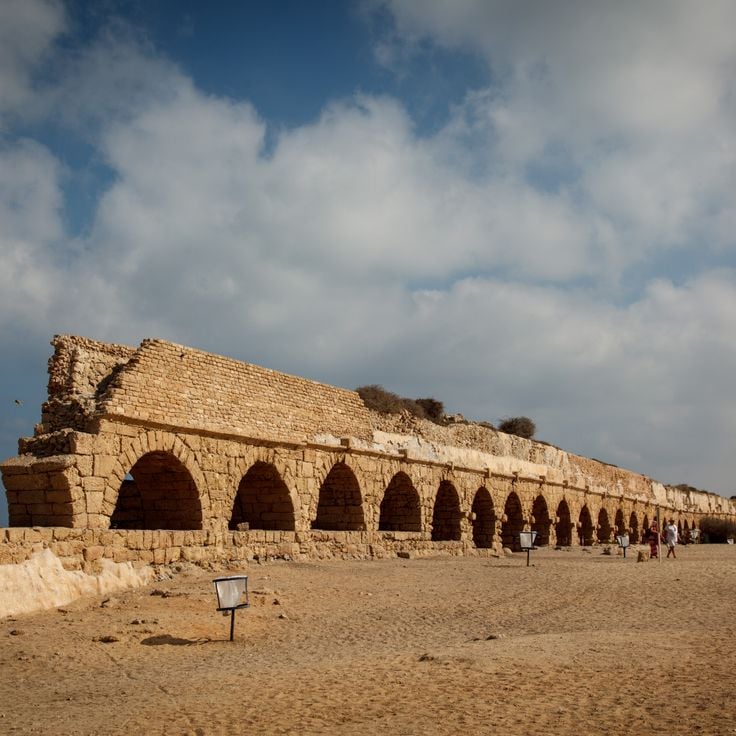
The Caesarea Aqueduct is a Roman structure from the 1st century that carried water from the springs of Mount Carmel to the coastal city. It crossed valleys and flat plains using only gravity. Large sections are still visible today, right along the beach, giving a direct sense of how the city was once supplied with fresh water.
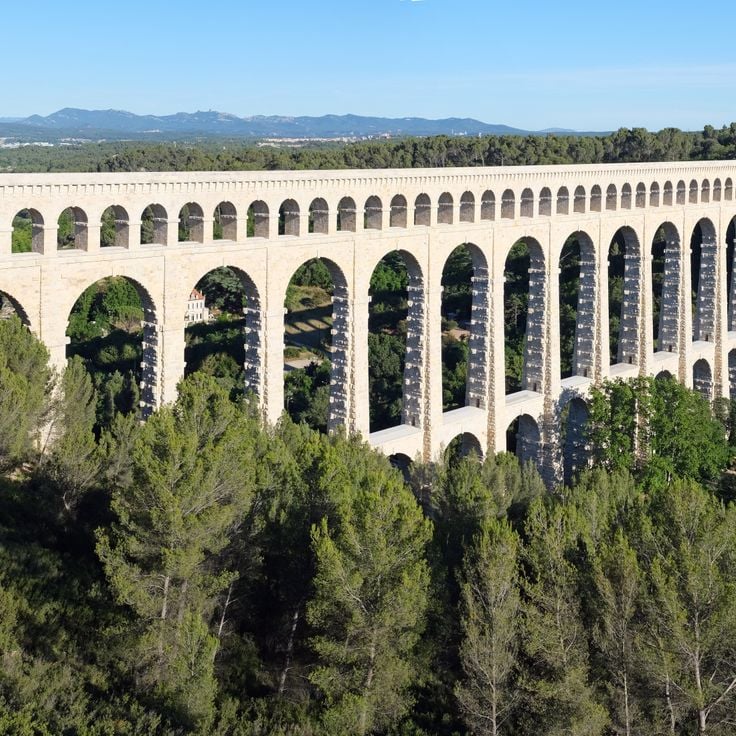
The Roquefavour Aqueduct is part of a collection of ancient water systems from around the world. This stone structure was completed in 1847 and crosses a valley at a height of 83 meters over a length of 400 meters. The structure transported water from distant sources to supply the city, following the same principles that Roman and Ottoman engineers used when building their aqueducts with gravity-fed water flowing through stone arches.
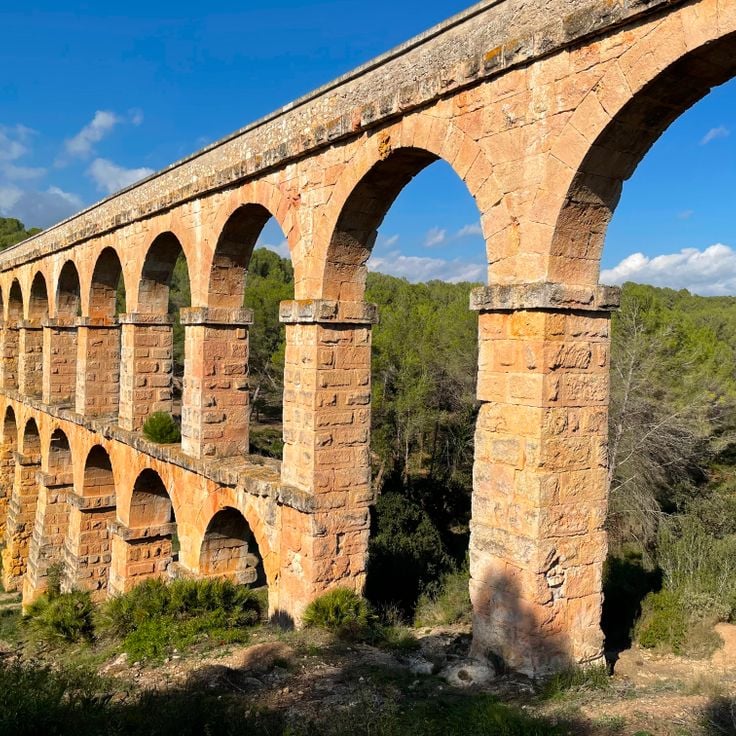
The Tarragona Aqueduct is a Roman water channel from the 2nd century that carried water across long distances to an ancient city. It shows how Roman engineers used stone arches and gravity to bring water from distant sources to urban centers. The structure spans 217 meters in length and rises 27 meters high, demonstrating the engineering skill of that era.
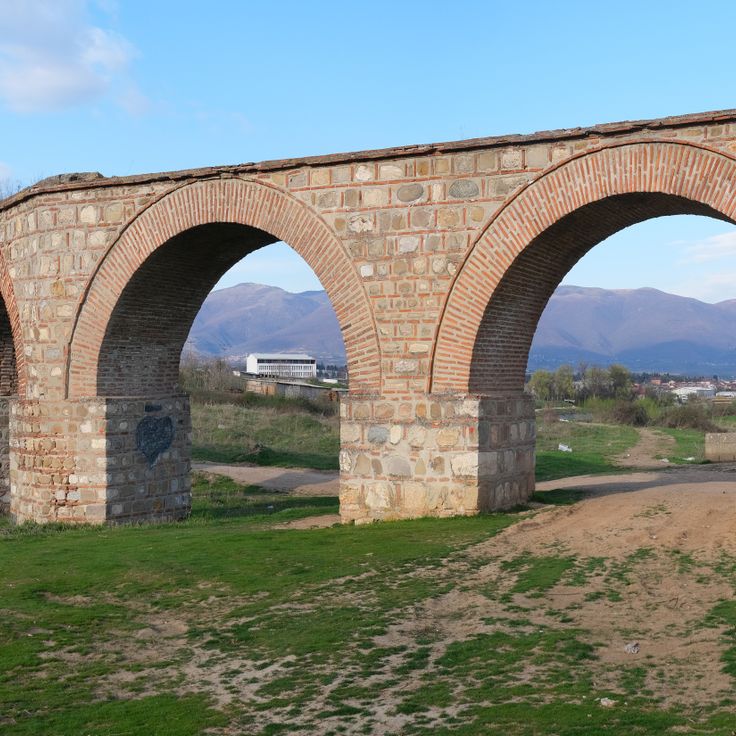
This stone water conduit in Skopje was built with stone arches to transport water across valleys and plains using gravity. It is the only known aqueduct of its kind in North Macedonia and shows the engineering skill needed to bring fresh water to the city from distant springs and rivers. The date of construction and its builders are not documented in historical records.
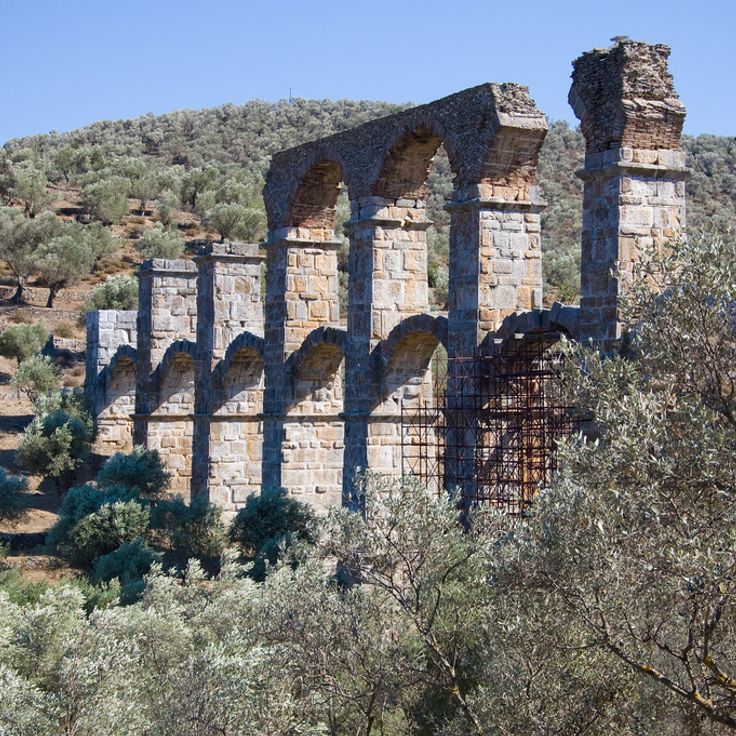
This Roman aqueduct in Moria was part of the ancient water systems that transported fresh water from the mountains to the city below. Built with stone arches reaching about 26 meters high, it demonstrates how Roman engineers used gravity to move water across challenging terrain to supply distant communities.
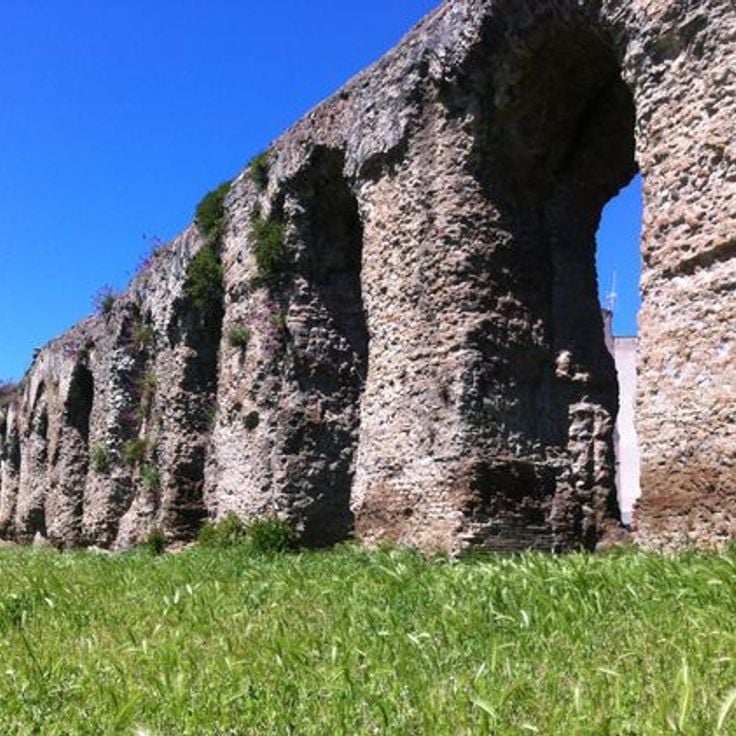
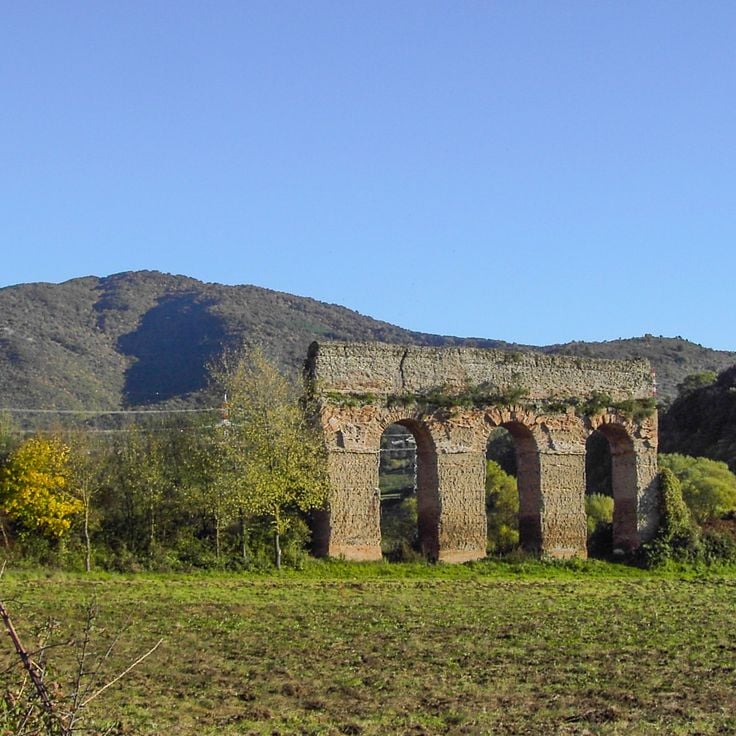
The Aqua Alexandrina is an aqueduct built in 226 CE under Emperor Alexander Severus. It brought water from Pantano Borghese to Rome as part of the network of ancient structures that transported water across valleys and plains using gravity. Roman engineers used stacked stone arches to deliver water from distant springs and rivers to the city.
The Aqua Claudia is a Roman aqueduct built under Emperor Claudius. It carried 184,000 cubic meters of water each day over 69 kilometers to Rome. This structure is part of ancient water systems in the world and shows how Roman engineers moved water from distant sources and rivers into cities. They used gravity to guide the water. The aqueduct has several levels of stone arches, reaching up to 50 meters high to cross the valleys.
The Aqua Marcia was one of ancient Rome's most important water systems. This aqueduct transported water from springs in the Sabine hills across a long distance to supply the city with fresh water. Roman engineers designed it to use gravity, allowing water to flow downward through valleys and across plains. Multiple levels of stone arches supported the structure as it crossed the landscape.
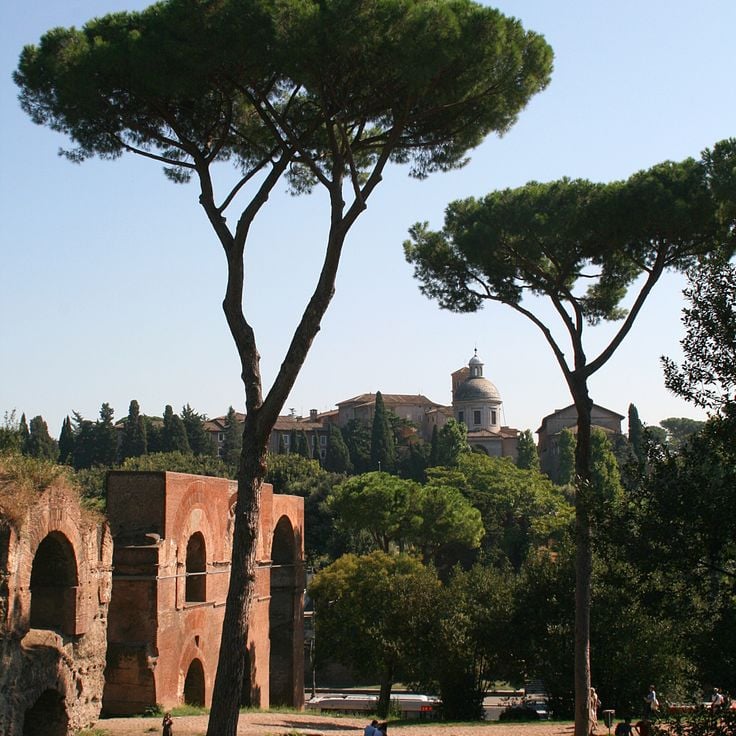
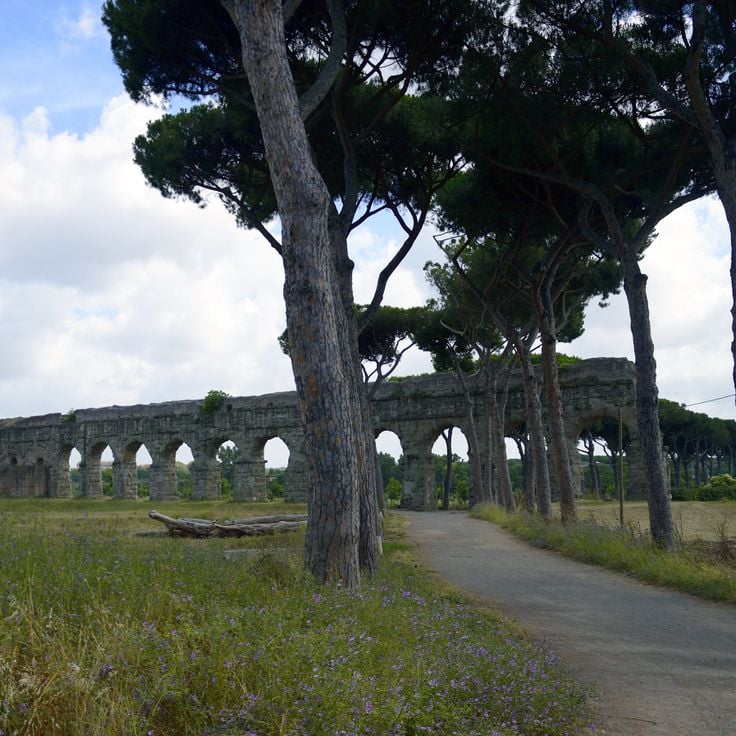
Aqueduct Park in Rome showcases the remains of seven Roman water systems and illustrates the engineering skill of ancient times. These aqueducts were essential for supplying the city with water from distant sources and rivers. They demonstrate how Roman engineers transported water across valleys and plains by using gravity alone. Stone arches rose up to 50 meters high, spanning valleys on multiple levels.
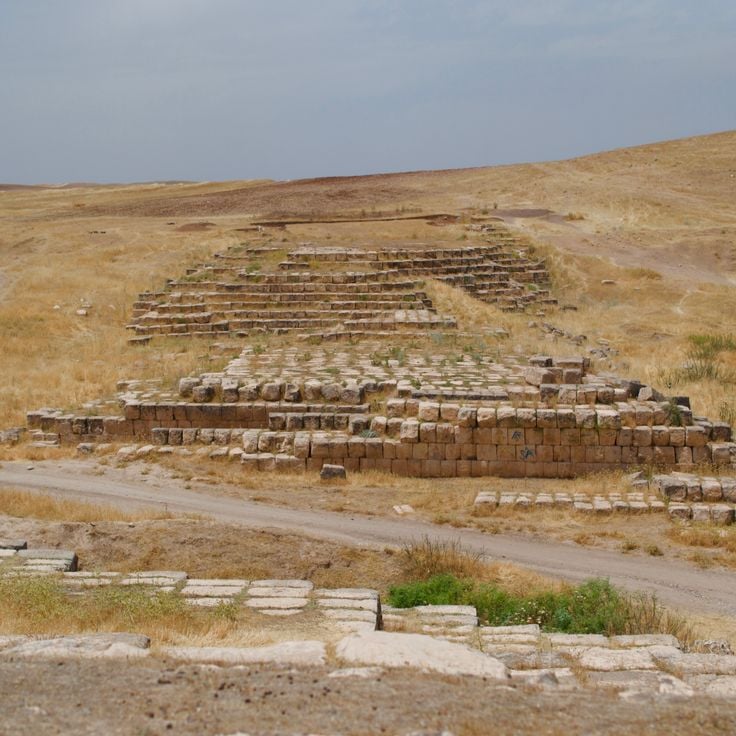
The Jerwan Aqueduct is an ancient stone structure built in 690 BCE that carried water from the mountains to the city of Nineveh. This aqueduct shows how early engineers moved water across great distances using gravity alone. The structure stands as evidence of the engineering skills of ancient civilizations in this region.
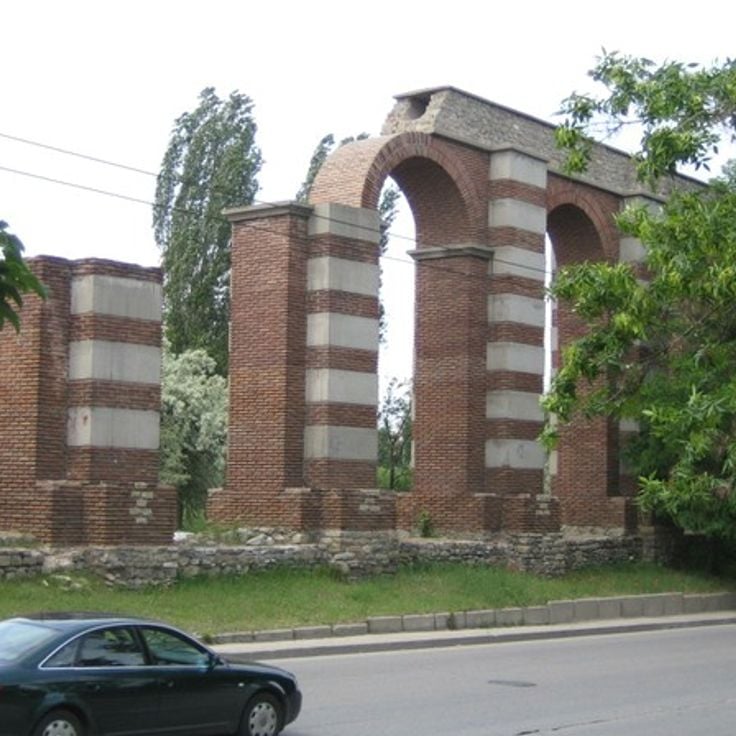
The Old Plovdiv Aqueduct is a Roman structure from the second century that transported water across valleys and plains using gravity. The system features preserved stone arches and water channels that once supplied the city with fresh water from distant springs and rivers. This aqueduct demonstrates the engineering skill of Roman builders who designed these water systems to serve the population with reliable fresh water delivery.
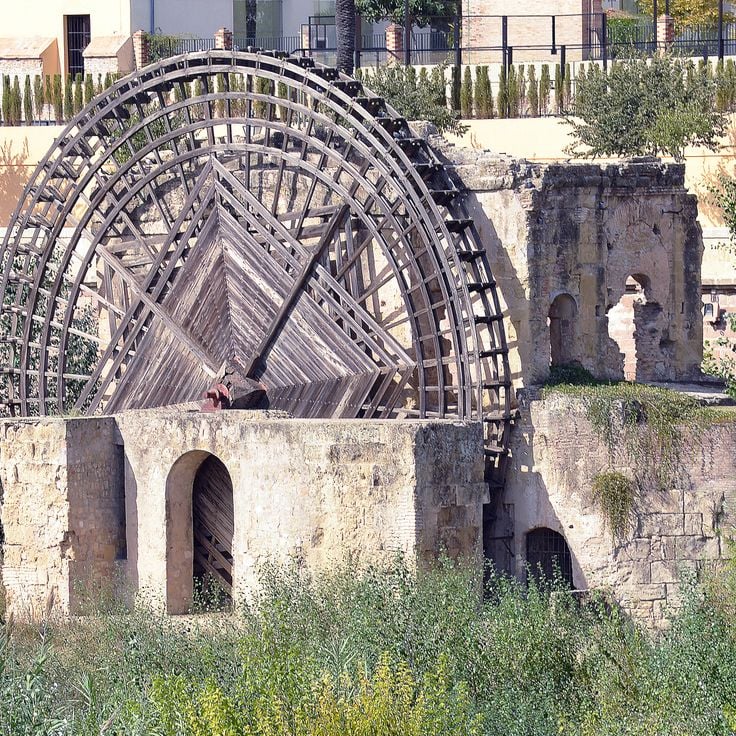
The Albolafia Mill is a medieval water wheel from the 12th century that once stood on the Guadalquivir River in Cordoba. This structure was part of ancient water systems that transported water across valleys and plains using gravity and natural force. The mill used the river's flow to distribute water to the city and process grain. It demonstrates how engineers harnessed water power to supply communities with fresh water and handle essential daily tasks like grain milling.
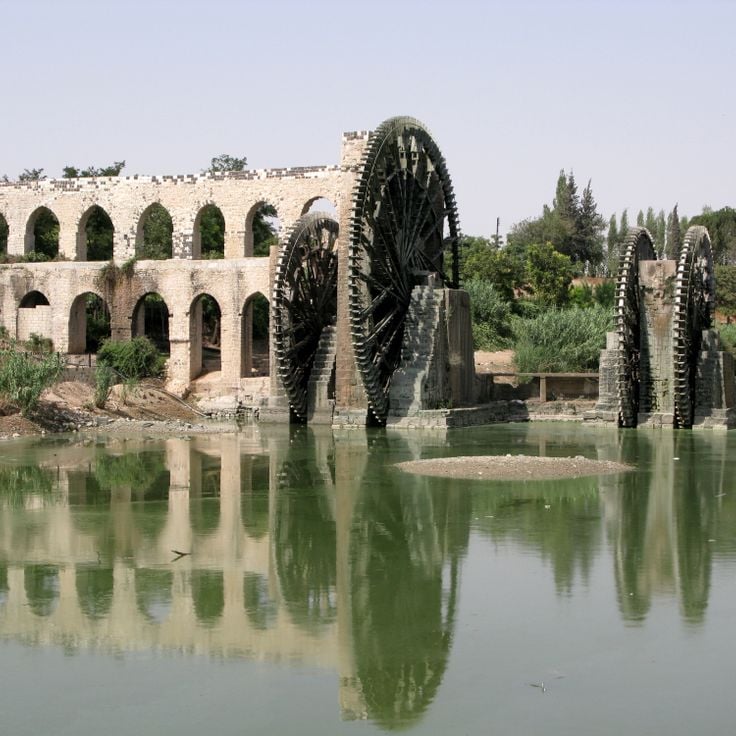
The water wheels of Hama are large wooden structures about 20 meters in diameter. They were built to lift water from the Orontes River and irrigate gardens along its banks. These wheels are part of the ancient water systems that transported water through mechanical force to supply cities and agricultural areas.
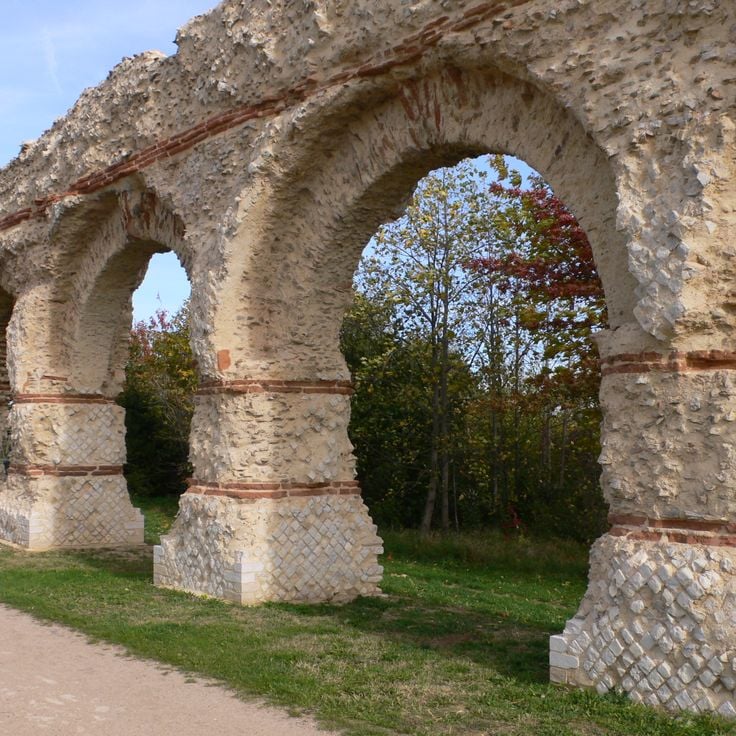
The Aqueduct of the Gier is a Roman water system extending 86 kilometers, built in the first century CE. This structure belongs to the ancient aqueducts and water systems of the world that transported water across valleys and plains using gravity. The Aqueduct of the Gier supplied cities with fresh water from distant springs and rivers.
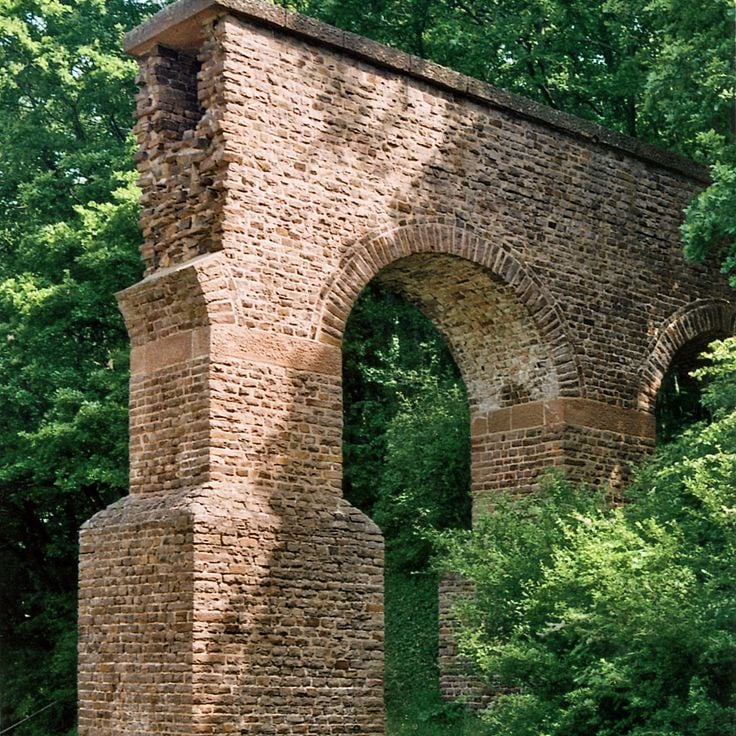
The Eifel aqueduct is a Roman water channel that carried water over 95 miles to the city of Cologne. This structure transported about 20,000 cubic meters of water each day through carefully built canals that followed the land. The aqueduct shows how Roman engineers moved water from distant sources over long distances to supply a growing city with fresh water. The Eifel aqueduct demonstrates how Romans understood water transport and city supply.
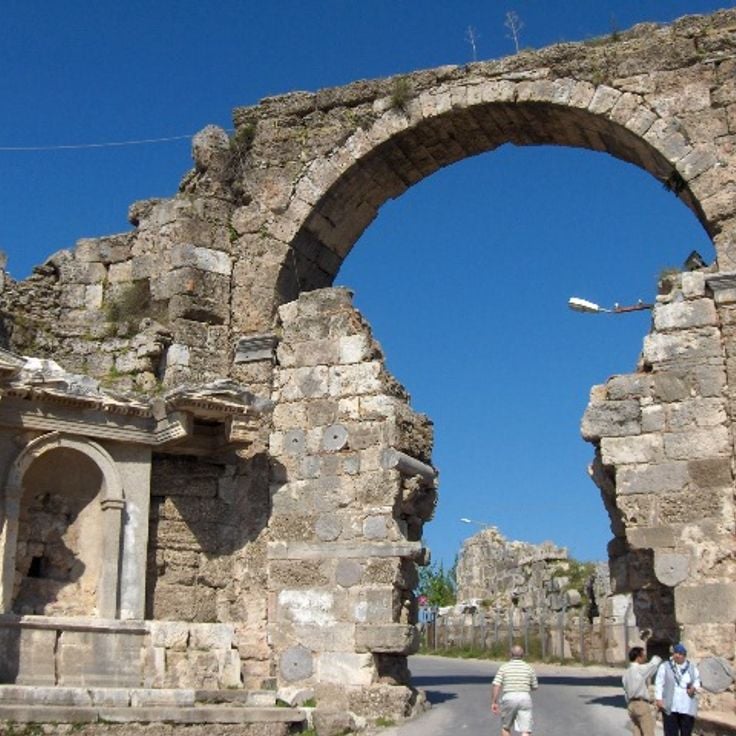
The Roman aqueduct in Side was a 2nd century water system that transported water more than 30 kilometers from the mountains to the coastal city. This structure belongs to the ancient water systems that used gravity to carry water across valleys and plains. Roman engineers built such works to supply cities with fresh water from distant springs and rivers.
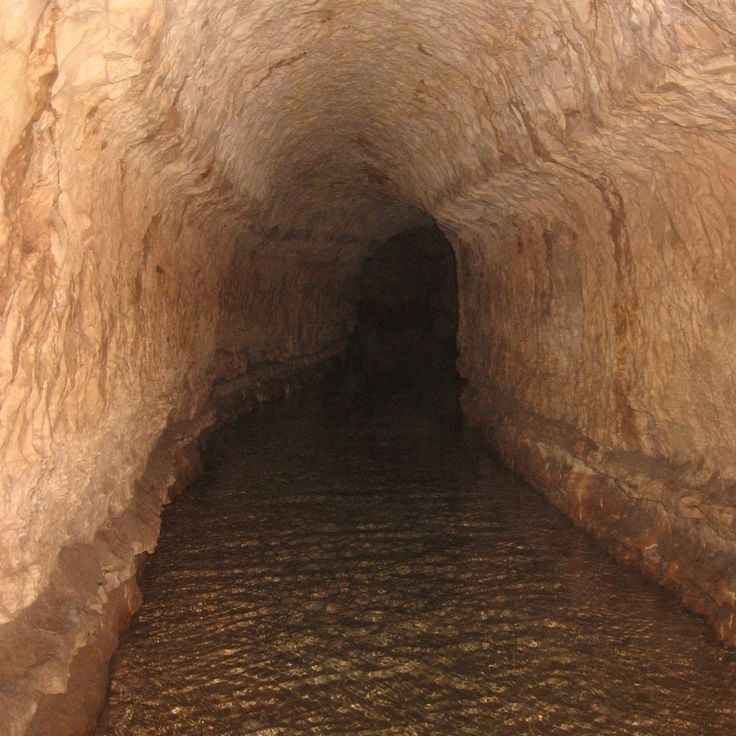
The Gadara Aqueduct is an underground tunnel stretching 170 kilometers that used natural slope to deliver water to the ancient city. This structure shows how Roman engineers relied on the land itself to move water from distant springs and rivers into urban centers. The aqueduct is part of the system of ancient water conduits that crossed valleys and plains, supplying cities with fresh water.
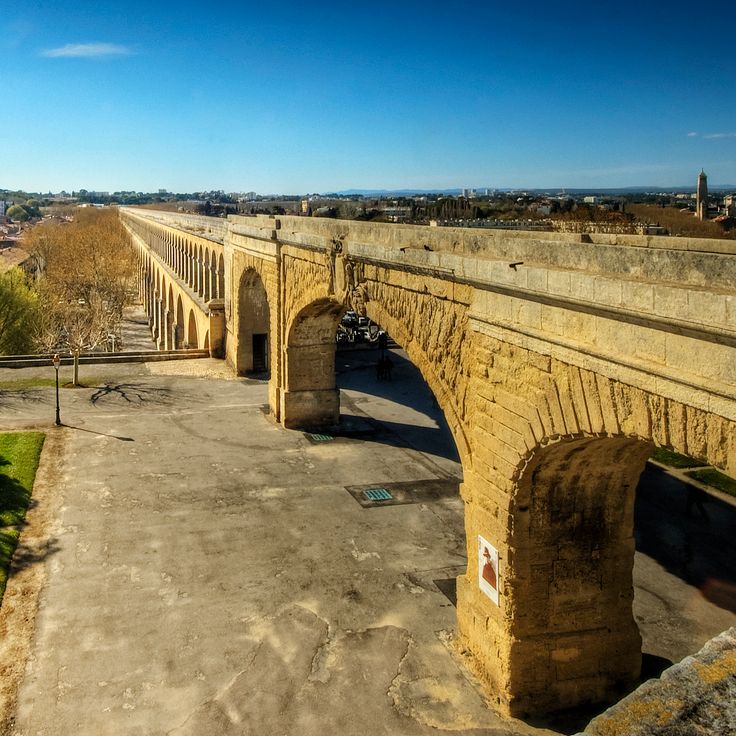
The Saint-Clément Aqueduct in Montpellier is part of a group of old water systems that carried water through valleys and plains. It was built between 1753 and 1765. This structure moved water over 14 kilometers using gravity and stone arches. The Saint-Clément Aqueduct supplied towns with fresh water from distant sources and rivers.
The Pont du Gard is a Roman aqueduct near Nîmes that crosses the Gardon river on three levels. The top level reaches about 160 feet (48 meters) high. The structure was built without mortar: the stone blocks hold together through their own weight. For centuries it carried water from distant springs into the city. Today you can walk right up to it and see the full structure from below.
The Aqueduct of Segovia is a Roman water system that transported water across two levels of granite stonework to a distant city. The structure contains 167 arches and was built without mortar using stone blocks. This construction shows how Roman engineers used gravity to move water over valleys, supplying cities with fresh water from distant springs and rivers.
The Valens Aqueduct is a Roman structure from the 4th century that still runs through the heart of Istanbul. It was built to carry water from distant springs and rivers into the city, using only the force of gravity. Its stone arches crossed valleys and plains to bring water directly to where people needed it. Today, you can see the surviving sections standing in the middle of the city and get a real sense of how water once flowed through these arches.
Los Milagros is a first-century Roman aqueduct that transported water over 830 meters through multiple rows of granite and brick arches. This structure stands as evidence of Roman engineering skill in moving water by gravity across valleys and plains to supply distant cities.
The Aqueduct of Vanvitelli is an 18th century water system that transported water from distant sources to the royal residence. This structure shows how engineers moved water across long distances using gravity - a technique that the Romans and Ottomans also perfected. The system uses stone arches on multiple levels to cross valleys and bring water from Monte Taburno to the palace.
The Barbegal Aqueduct and Mill represents one of the ancient water systems of the world. This 2nd-century Roman industrial complex transported water across valleys using gravity. The aqueduct supplied the nearby city with fresh water from distant sources. The site contained 16 waterwheels arranged in two parallel rows for grain processing.
The Água de Prata Aqueduct in Évora is an example of the water systems of ancient times. Completed in 1537, the aqueduct stretches 18 kilometers and supplied the city with water from granite springs. Like other ancient aqueducts, this structure used gravity to move water across valleys and plains. Stone arches on multiple levels allowed the structure to span great heights and carry water over long distances.
The Kavala Aqueduct is a remarkable water system built in the 16th century that transported water across 60 arches. Rising to a maximum height of 25 meters, this structure exemplifies how ancient and Ottoman engineers designed aqueducts to carry water across valleys and plains using gravity alone. The aqueduct supplied the city with fresh water from distant springs and rivers, representing the ingenuity of water systems that once sustained civilizations.
The Caesarea Aqueduct is a Roman structure from the 1st century that carried water from the springs of Mount Carmel to the coastal city. It crossed valleys and flat plains using only gravity. Large sections are still visible today, right along the beach, giving a direct sense of how the city was once supplied with fresh water.
The Roquefavour Aqueduct is part of a collection of ancient water systems from around the world. This stone structure was completed in 1847 and crosses a valley at a height of 83 meters over a length of 400 meters. The structure transported water from distant sources to supply the city, following the same principles that Roman and Ottoman engineers used when building their aqueducts with gravity-fed water flowing through stone arches.
The Tarragona Aqueduct is a Roman water channel from the 2nd century that carried water across long distances to an ancient city. It shows how Roman engineers used stone arches and gravity to bring water from distant sources to urban centers. The structure spans 217 meters in length and rises 27 meters high, demonstrating the engineering skill of that era.
This stone water conduit in Skopje was built with stone arches to transport water across valleys and plains using gravity. It is the only known aqueduct of its kind in North Macedonia and shows the engineering skill needed to bring fresh water to the city from distant springs and rivers. The date of construction and its builders are not documented in historical records.
This Roman aqueduct in Moria was part of the ancient water systems that transported fresh water from the mountains to the city below. Built with stone arches reaching about 26 meters high, it demonstrates how Roman engineers used gravity to move water across challenging terrain to supply distant communities.
The Aqua Alexandrina is an aqueduct built in 226 CE under Emperor Alexander Severus. It brought water from Pantano Borghese to Rome as part of the network of ancient structures that transported water across valleys and plains using gravity. Roman engineers used stacked stone arches to deliver water from distant springs and rivers to the city.
The Aqua Claudia is a Roman aqueduct built under Emperor Claudius. It carried 184,000 cubic meters of water each day over 69 kilometers to Rome. This structure is part of ancient water systems in the world and shows how Roman engineers moved water from distant sources and rivers into cities. They used gravity to guide the water. The aqueduct has several levels of stone arches, reaching up to 50 meters high to cross the valleys.
The Aqua Marcia was one of ancient Rome's most important water systems. This aqueduct transported water from springs in the Sabine hills across a long distance to supply the city with fresh water. Roman engineers designed it to use gravity, allowing water to flow downward through valleys and across plains. Multiple levels of stone arches supported the structure as it crossed the landscape.
Aqueduct Park in Rome showcases the remains of seven Roman water systems and illustrates the engineering skill of ancient times. These aqueducts were essential for supplying the city with water from distant sources and rivers. They demonstrate how Roman engineers transported water across valleys and plains by using gravity alone. Stone arches rose up to 50 meters high, spanning valleys on multiple levels.
The Jerwan Aqueduct is an ancient stone structure built in 690 BCE that carried water from the mountains to the city of Nineveh. This aqueduct shows how early engineers moved water across great distances using gravity alone. The structure stands as evidence of the engineering skills of ancient civilizations in this region.
The Old Plovdiv Aqueduct is a Roman structure from the second century that transported water across valleys and plains using gravity. The system features preserved stone arches and water channels that once supplied the city with fresh water from distant springs and rivers. This aqueduct demonstrates the engineering skill of Roman builders who designed these water systems to serve the population with reliable fresh water delivery.
The Albolafia Mill is a medieval water wheel from the 12th century that once stood on the Guadalquivir River in Cordoba. This structure was part of ancient water systems that transported water across valleys and plains using gravity and natural force. The mill used the river's flow to distribute water to the city and process grain. It demonstrates how engineers harnessed water power to supply communities with fresh water and handle essential daily tasks like grain milling.
The water wheels of Hama are large wooden structures about 20 meters in diameter. They were built to lift water from the Orontes River and irrigate gardens along its banks. These wheels are part of the ancient water systems that transported water through mechanical force to supply cities and agricultural areas.
The Aqueduct of the Gier is a Roman water system extending 86 kilometers, built in the first century CE. This structure belongs to the ancient aqueducts and water systems of the world that transported water across valleys and plains using gravity. The Aqueduct of the Gier supplied cities with fresh water from distant springs and rivers.
The Eifel aqueduct is a Roman water channel that carried water over 95 miles to the city of Cologne. This structure transported about 20,000 cubic meters of water each day through carefully built canals that followed the land. The aqueduct shows how Roman engineers moved water from distant sources over long distances to supply a growing city with fresh water. The Eifel aqueduct demonstrates how Romans understood water transport and city supply.
The Roman aqueduct in Side was a 2nd century water system that transported water more than 30 kilometers from the mountains to the coastal city. This structure belongs to the ancient water systems that used gravity to carry water across valleys and plains. Roman engineers built such works to supply cities with fresh water from distant springs and rivers.
The Gadara Aqueduct is an underground tunnel stretching 170 kilometers that used natural slope to deliver water to the ancient city. This structure shows how Roman engineers relied on the land itself to move water from distant springs and rivers into urban centers. The aqueduct is part of the system of ancient water conduits that crossed valleys and plains, supplying cities with fresh water.
The Saint-Clément Aqueduct in Montpellier is part of a group of old water systems that carried water through valleys and plains. It was built between 1753 and 1765. This structure moved water over 14 kilometers using gravity and stone arches. The Saint-Clément Aqueduct supplied towns with fresh water from distant sources and rivers.
The Pont du Gard is a Roman aqueduct near Nîmes that crosses the Gardon river on three levels. The top level reaches about 160 feet (48 meters) high. The structure was built without mortar: the stone blocks hold together through their own weight. For centuries it carried water from distant springs into the city. Today you can walk right up to it and see the full structure from below.
The Aqueduct of Segovia is a Roman water system that transported water across two levels of granite stonework to a distant city. The structure contains 167 arches and was built without mortar using stone blocks. This construction shows how Roman engineers used gravity to move water over valleys, supplying cities with fresh water from distant springs and rivers.
The Valens Aqueduct is a Roman structure from the 4th century that still runs through the heart of Istanbul. It was built to carry water from distant springs and rivers into the city, using only the force of gravity. Its stone arches crossed valleys and plains to bring water directly to where people needed it. Today, you can see the surviving sections standing in the middle of the city and get a real sense of how water once flowed through these arches.
Los Milagros is a first-century Roman aqueduct that transported water over 830 meters through multiple rows of granite and brick arches. This structure stands as evidence of Roman engineering skill in moving water by gravity across valleys and plains to supply distant cities.
The Aqueduct of Vanvitelli is an 18th century water system that transported water from distant sources to the royal residence. This structure shows how engineers moved water across long distances using gravity - a technique that the Romans and Ottomans also perfected. The system uses stone arches on multiple levels to cross valleys and bring water from Monte Taburno to the palace.
The Barbegal Aqueduct and Mill represents one of the ancient water systems of the world. This 2nd-century Roman industrial complex transported water across valleys using gravity. The aqueduct supplied the nearby city with fresh water from distant sources. The site contained 16 waterwheels arranged in two parallel rows for grain processing.
The Água de Prata Aqueduct in Évora is an example of the water systems of ancient times. Completed in 1537, the aqueduct stretches 18 kilometers and supplied the city with water from granite springs. Like other ancient aqueducts, this structure used gravity to move water across valleys and plains. Stone arches on multiple levels allowed the structure to span great heights and carry water over long distances.
The Kavala Aqueduct is a remarkable water system built in the 16th century that transported water across 60 arches. Rising to a maximum height of 25 meters, this structure exemplifies how ancient and Ottoman engineers designed aqueducts to carry water across valleys and plains using gravity alone. The aqueduct supplied the city with fresh water from distant springs and rivers, representing the ingenuity of water systems that once sustained civilizations.
The Caesarea Aqueduct is a Roman structure from the 1st century that carried water from the springs of Mount Carmel to the coastal city. It crossed valleys and flat plains using only gravity. Large sections are still visible today, right along the beach, giving a direct sense of how the city was once supplied with fresh water.
The Roquefavour Aqueduct is part of a collection of ancient water systems from around the world. This stone structure was completed in 1847 and crosses a valley at a height of 83 meters over a length of 400 meters. The structure transported water from distant sources to supply the city, following the same principles that Roman and Ottoman engineers used when building their aqueducts with gravity-fed water flowing through stone arches.
The Tarragona Aqueduct is a Roman water channel from the 2nd century that carried water across long distances to an ancient city. It shows how Roman engineers used stone arches and gravity to bring water from distant sources to urban centers. The structure spans 217 meters in length and rises 27 meters high, demonstrating the engineering skill of that era.
This stone water conduit in Skopje was built with stone arches to transport water across valleys and plains using gravity. It is the only known aqueduct of its kind in North Macedonia and shows the engineering skill needed to bring fresh water to the city from distant springs and rivers. The date of construction and its builders are not documented in historical records.
This Roman aqueduct in Moria was part of the ancient water systems that transported fresh water from the mountains to the city below. Built with stone arches reaching about 26 meters high, it demonstrates how Roman engineers used gravity to move water across challenging terrain to supply distant communities.
The Aqua Alexandrina is an aqueduct built in 226 CE under Emperor Alexander Severus. It brought water from Pantano Borghese to Rome as part of the network of ancient structures that transported water across valleys and plains using gravity. Roman engineers used stacked stone arches to deliver water from distant springs and rivers to the city.
The Aqua Claudia is a Roman aqueduct built under Emperor Claudius. It carried 184,000 cubic meters of water each day over 69 kilometers to Rome. This structure is part of ancient water systems in the world and shows how Roman engineers moved water from distant sources and rivers into cities. They used gravity to guide the water. The aqueduct has several levels of stone arches, reaching up to 50 meters high to cross the valleys.
The Aqua Marcia was one of ancient Rome's most important water systems. This aqueduct transported water from springs in the Sabine hills across a long distance to supply the city with fresh water. Roman engineers designed it to use gravity, allowing water to flow downward through valleys and across plains. Multiple levels of stone arches supported the structure as it crossed the landscape.
Aqueduct Park in Rome showcases the remains of seven Roman water systems and illustrates the engineering skill of ancient times. These aqueducts were essential for supplying the city with water from distant sources and rivers. They demonstrate how Roman engineers transported water across valleys and plains by using gravity alone. Stone arches rose up to 50 meters high, spanning valleys on multiple levels.
The Jerwan Aqueduct is an ancient stone structure built in 690 BCE that carried water from the mountains to the city of Nineveh. This aqueduct shows how early engineers moved water across great distances using gravity alone. The structure stands as evidence of the engineering skills of ancient civilizations in this region.
The Old Plovdiv Aqueduct is a Roman structure from the second century that transported water across valleys and plains using gravity. The system features preserved stone arches and water channels that once supplied the city with fresh water from distant springs and rivers. This aqueduct demonstrates the engineering skill of Roman builders who designed these water systems to serve the population with reliable fresh water delivery.
The Albolafia Mill is a medieval water wheel from the 12th century that once stood on the Guadalquivir River in Cordoba. This structure was part of ancient water systems that transported water across valleys and plains using gravity and natural force. The mill used the river's flow to distribute water to the city and process grain. It demonstrates how engineers harnessed water power to supply communities with fresh water and handle essential daily tasks like grain milling.
The water wheels of Hama are large wooden structures about 20 meters in diameter. They were built to lift water from the Orontes River and irrigate gardens along its banks. These wheels are part of the ancient water systems that transported water through mechanical force to supply cities and agricultural areas.
The Aqueduct of the Gier is a Roman water system extending 86 kilometers, built in the first century CE. This structure belongs to the ancient aqueducts and water systems of the world that transported water across valleys and plains using gravity. The Aqueduct of the Gier supplied cities with fresh water from distant springs and rivers.
The Eifel aqueduct is a Roman water channel that carried water over 95 miles to the city of Cologne. This structure transported about 20,000 cubic meters of water each day through carefully built canals that followed the land. The aqueduct shows how Roman engineers moved water from distant sources over long distances to supply a growing city with fresh water. The Eifel aqueduct demonstrates how Romans understood water transport and city supply.
The Roman aqueduct in Side was a 2nd century water system that transported water more than 30 kilometers from the mountains to the coastal city. This structure belongs to the ancient water systems that used gravity to carry water across valleys and plains. Roman engineers built such works to supply cities with fresh water from distant springs and rivers.
The Gadara Aqueduct is an underground tunnel stretching 170 kilometers that used natural slope to deliver water to the ancient city. This structure shows how Roman engineers relied on the land itself to move water from distant springs and rivers into urban centers. The aqueduct is part of the system of ancient water conduits that crossed valleys and plains, supplying cities with fresh water.
The Saint-Clément Aqueduct in Montpellier is part of a group of old water systems that carried water through valleys and plains. It was built between 1753 and 1765. This structure moved water over 14 kilometers using gravity and stone arches. The Saint-Clément Aqueduct supplied towns with fresh water from distant sources and rivers.
Take the time to walk along the ruins instead of just looking from afar. You will see how the water actually flows and understand better the effort it took for the builders in earlier times.