See the monuments around you in AROpen chests in the app
Around Us is built for your phone — point your camera at the streets and discover the monuments and places around you in augmented reality.Around Us is built for your phone — chests unlock when you walk, explore and capture nearby places.
Layers of stone and time shape a city where pharaohs, sultans, and traders have left their lasting mark.
Cairo is home to millennia of history. The Giza Pyramids, built between 2686 and 2494 BC, stand alongside Fatimid mosques like the Ibn Tulun Mosque from 879, and Mamluk fortifications such as Saladin's Citadel from the 12th century. Religious heritage reflects community diversity: Saint Serge Church dates to the 4th century, while Sainte-Marie Church from the 7th century reuses elements of the Roman fortress of Babylon.
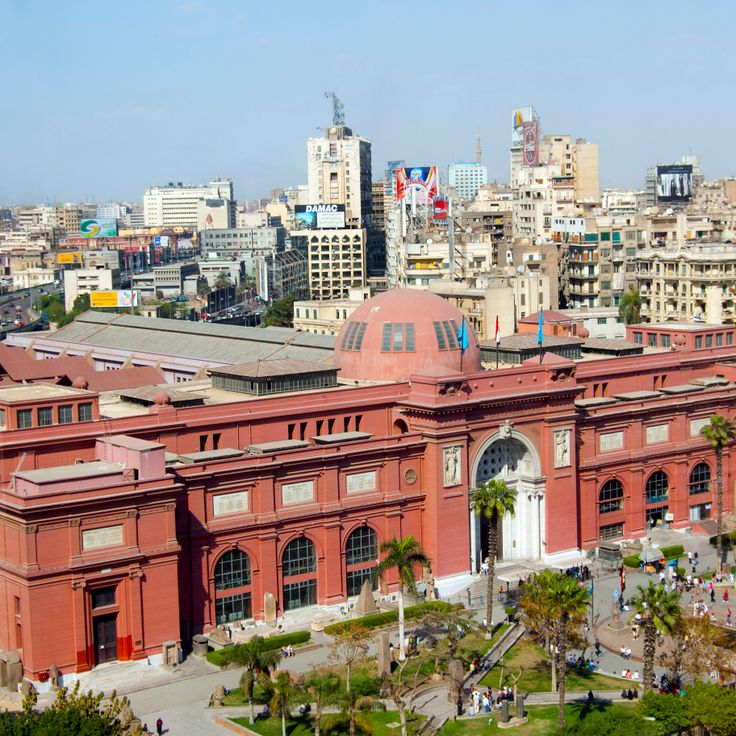
The Cairo Museum, opened in 1902, displays over 120,000 archaeological artifacts including Tutankhamun’s burial mask. Khan Al-Khalili market, established in 1382, continues traditional trade along its alleys lined with spice and craft shops. The Gayer Anderson House exemplifies 16th-century Ottoman residential architecture. These sites span Egypt’s history from pharaonic antiquity to the Ottoman period.
Layers of stone and time shape a city where pharaohs, sultans, and traders have left their lasting mark.
Cairo is home to millennia of history. The Giza Pyramids, built between 2686 and 2494 BC, stand alongside Fatimid mosques like the Ibn Tulun Mosque from 879, and Mamluk fortifications such as Saladin's Citadel from the 12th century. Religious heritage reflects community diversity: Saint Serge Church dates to the 4th century, while Sainte-Marie Church from the 7th century reuses elements of the Roman fortress of Babylon.
The Cairo Museum, opened in 1902, displays over 120,000 archaeological artifacts including Tutankhamun’s burial mask. Khan Al-Khalili market, established in 1382, continues traditional trade along its alleys lined with spice and craft shops. The Gayer Anderson House exemplifies 16th-century Ottoman residential architecture. These sites span Egypt’s history from pharaonic antiquity to the Ottoman period.
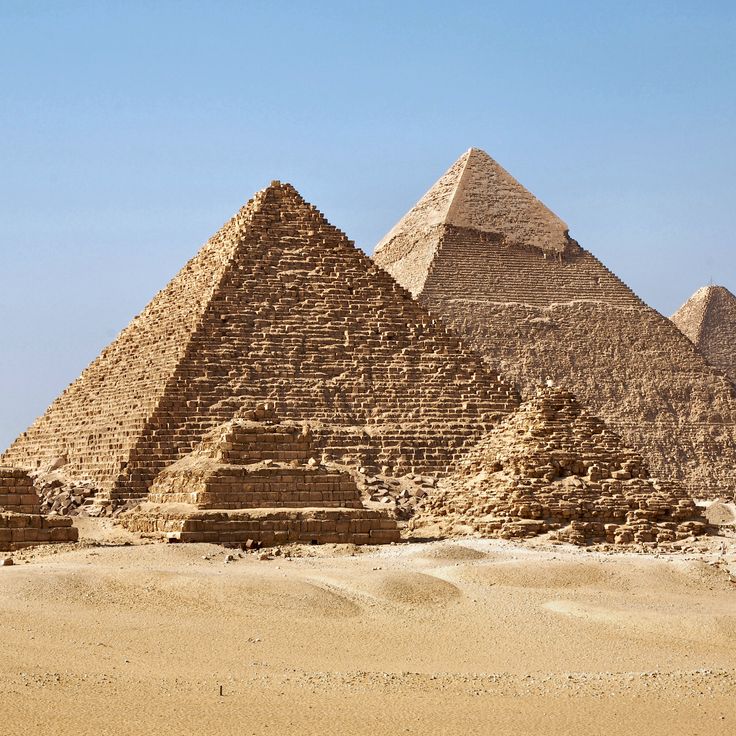
The Pyramids of Giza are the oldest stop on this journey through Cairo's history. They sit on a limestone plateau and were built between 2686 and 2494 BC as burial tombs for the pharaohs Khufu, Khafre, and Menkaure. Standing before them gives a sense of how much knowledge and human effort went into their construction.
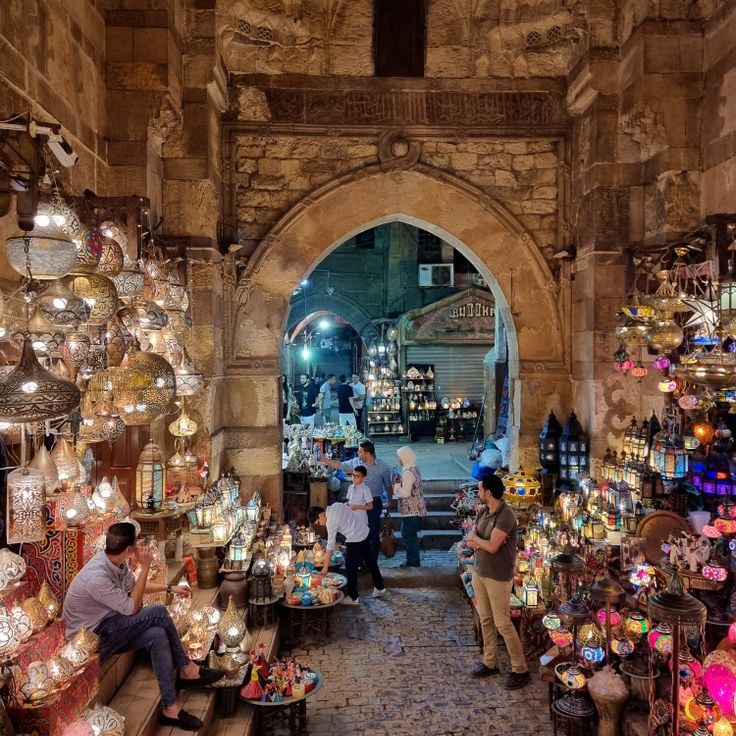
Khan Al-Khalili Bazaar in Cairo has been a place of trade since 1382, making it one of the oldest markets in this collection of historical sites. Narrow alleys connect shops selling spices, textiles, copper goods and souvenirs. Traders here follow traditions that have shaped daily life in Cairo since medieval times, and the market remains a lively part of the city today.
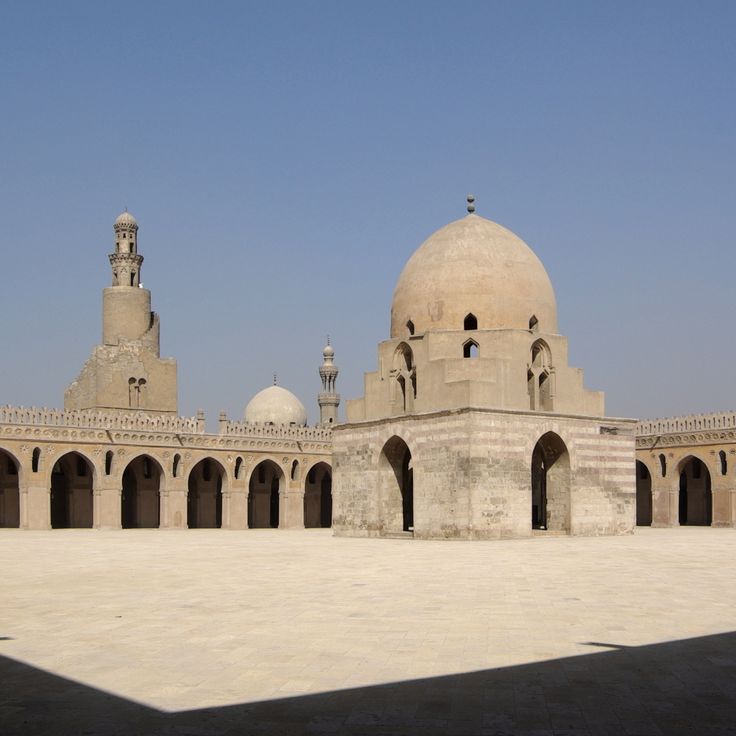
The Ibn Tulun Mosque was built in 879 on a hill in Cairo and is one of the oldest surviving mosques in the city. Its minaret has a spiral external staircase that recalls Mesopotamian architecture. The large courtyard is lined with arcaded galleries resting on massive brick pillars. This mosque connects Cairo's religious architecture to a history that runs from pharaonic times to the Ottoman period.
The Church of Saint Mary in Cairo was built in the 7th century on the foundations of the Roman fortress of Babylon. Its columns and carved capitals were taken directly from the Roman structure and reused here. The church sits in a neighborhood where Christian and Islamic buildings stand side by side, close to Saint Sergius Church from the 4th century and the medieval mosques of the city.
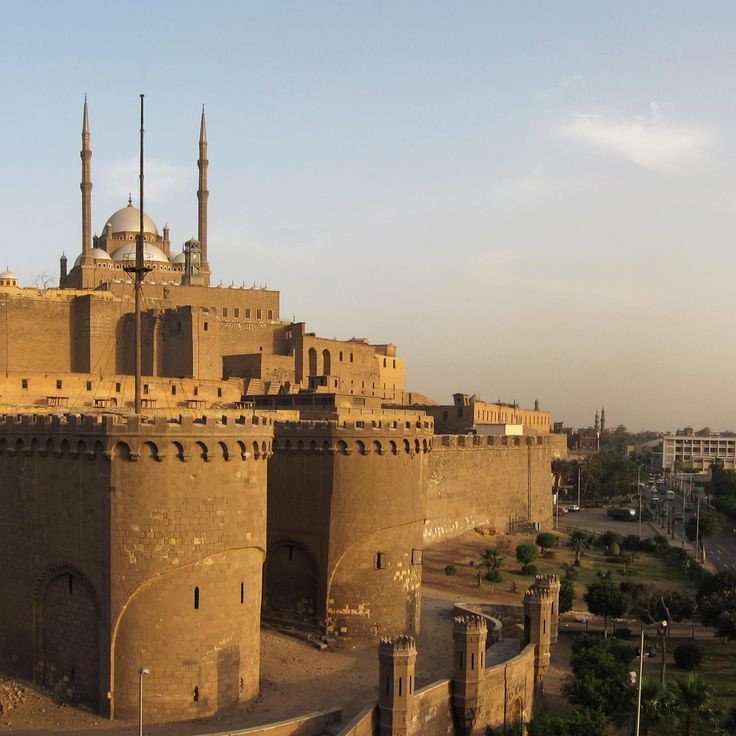
The Citadel of Saladin was built in the 12th century on a hill above Cairo and served for centuries as a military fortress and seat of government. Within this collection on Cairo's history, the Citadel shows how military and political power endured from the Mamluk period into modern times. The complex houses several mosques, including the Alabaster Mosque of Muhammad Ali, as well as palaces and military museums. From its walls, you can see Cairo spread out below.
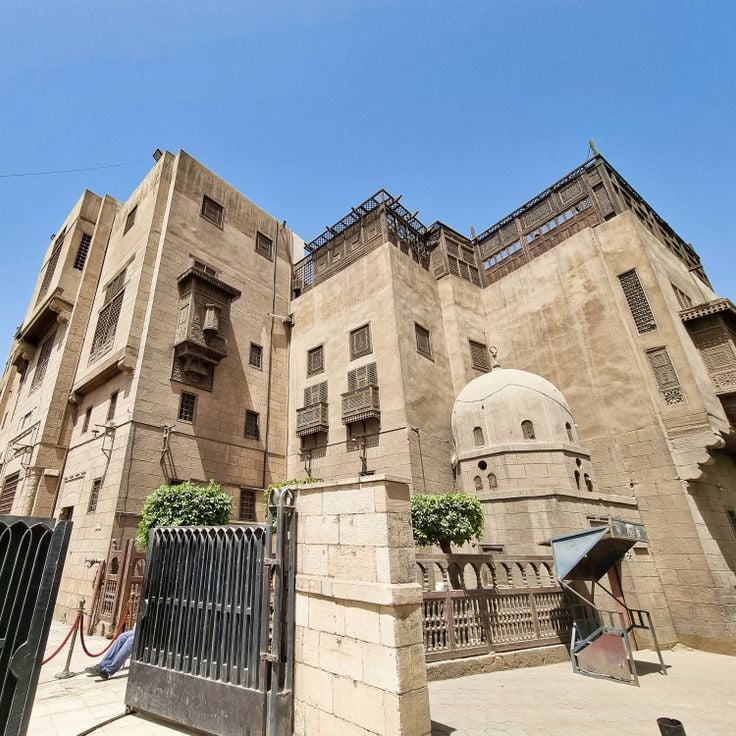
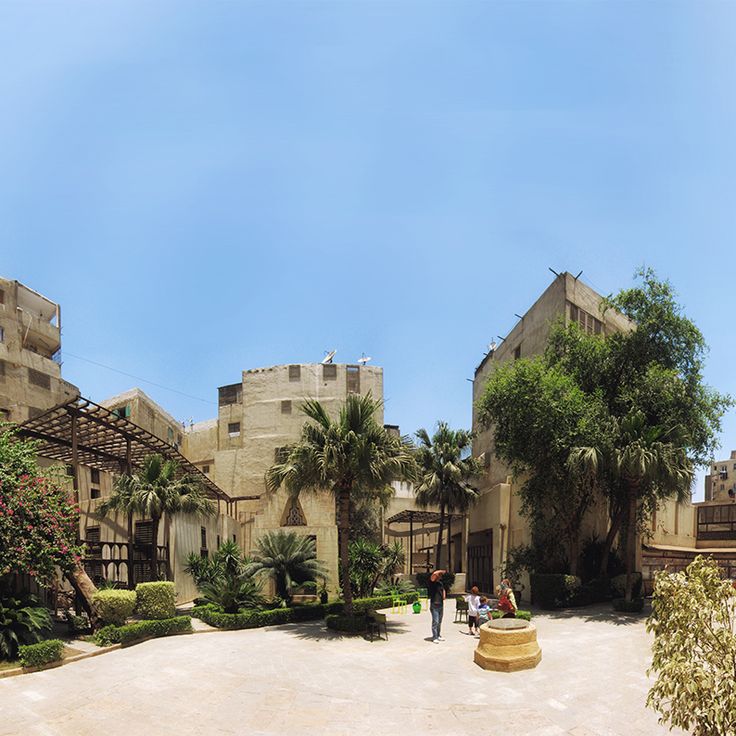
The Gayer Anderson Museum consists of two connected houses from the 16th century that show how people lived in Ottoman Cairo. The rooms feature original wooden wall panels, mashrabiya window screens, and furniture and art objects from across the Islamic world. This museum fits naturally into Cairo's long history, which stretches from ancient Egypt to the Ottoman period.
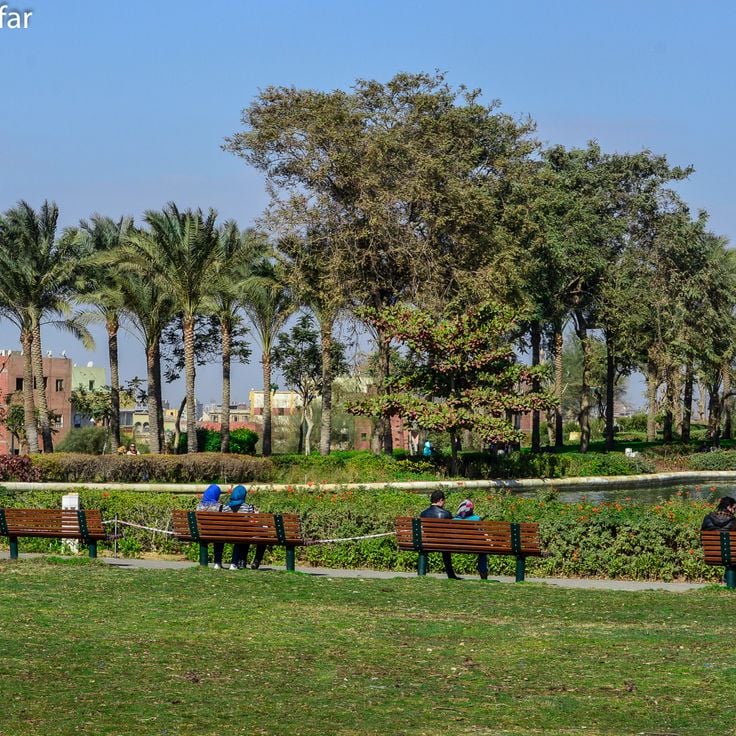
Al-Azhar Park was built in 2005 on the site of a former dump, right beside the historic monuments of Islamic Cairo. Its paths and gardens look out over mosques and fortifications like Saladin's Citadel. This park is a place where locals and visitors walk, sit, and take in views of one of the oldest parts of the city.
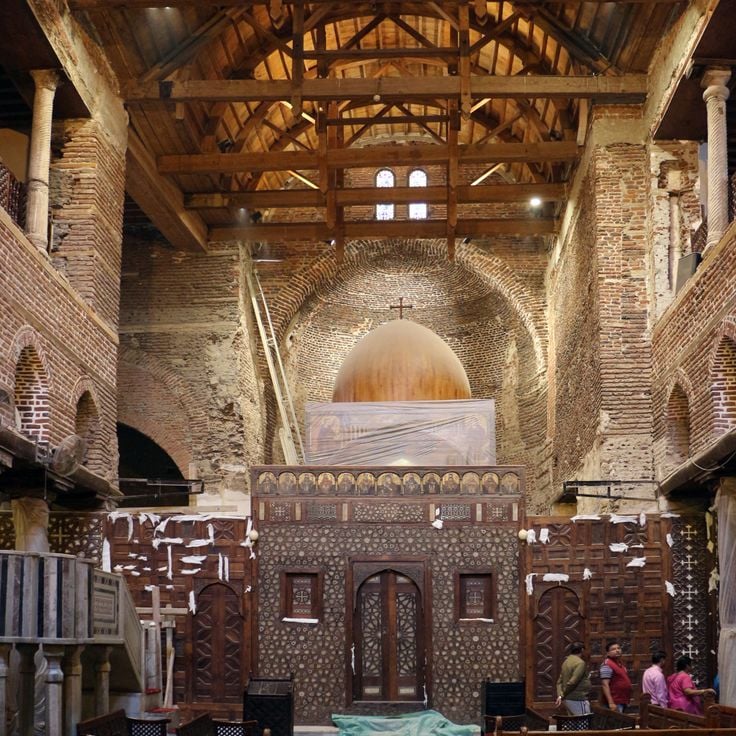
The Church of Saints Serge and Bacchus in Cairo is one of the oldest churches in the city. Built in the 4th century, it stands above a cave where tradition holds that the Holy Family took shelter during their journey to Egypt. Inside, rows of marble columns run along the nave, separating it from the side aisles. Below the sanctuary, a staircase leads down to the crypt, where the cave can still be visited. The site draws pilgrims and offers a rare connection to the early Christian presence in Egypt.
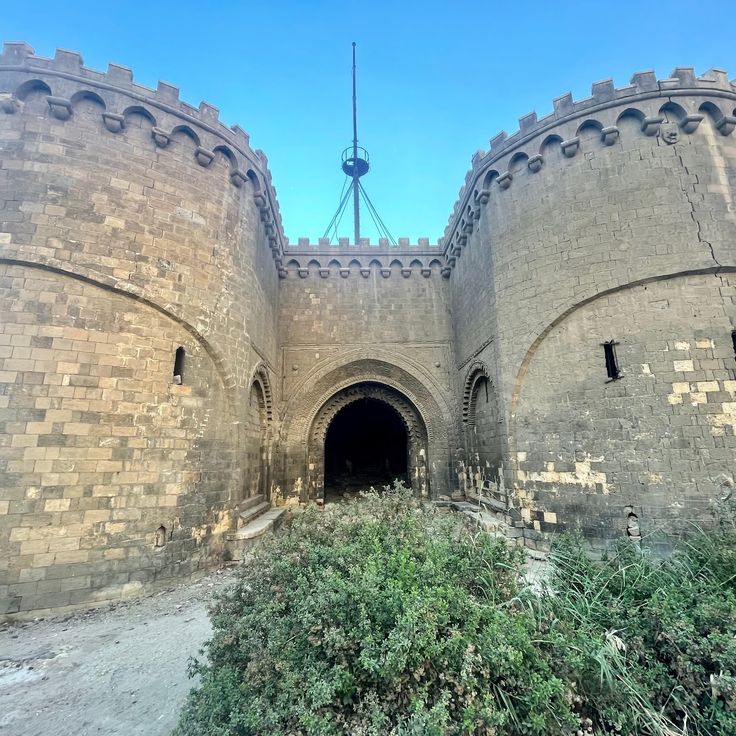
Bab Zuweila is the southern gate of the Fatimid old city in Cairo, built in 1092 under vizier Badr al-Jamali. In the 15th century, the two minarets of the neighboring al-Muayyad Mosque were added on top of its towers. Climbing to the top gives a wide view over the rooftops of the historic center. This gate is one of the markers of a city where layers of Egyptian history, from the pharaohs to the Ottoman period, are still visible today.
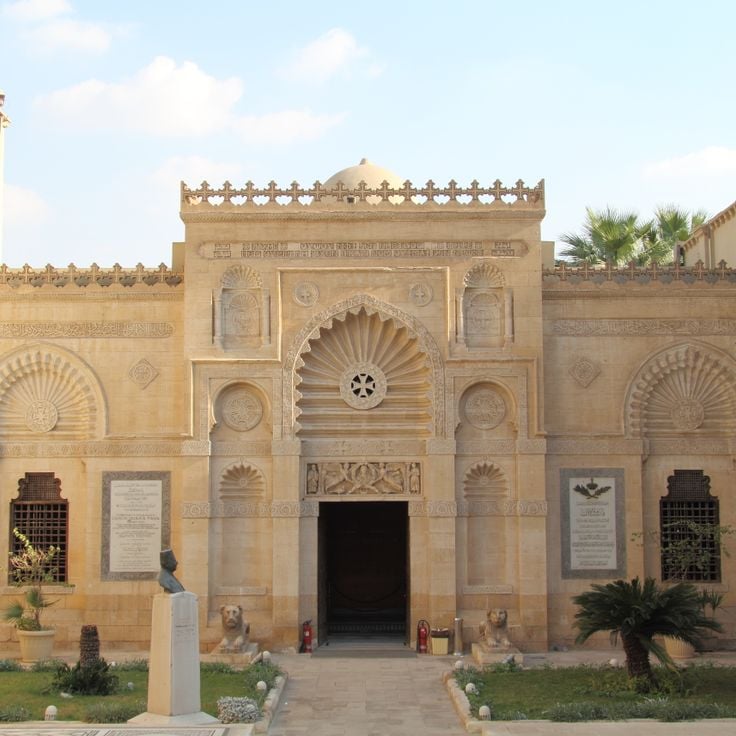
The Coptic Museum is part of this collection of Cairo's historical monuments and displays Christian art from Egypt spanning the 4th to the 19th century. Its rooms hold illuminated manuscripts, liturgical vestments, wooden carvings, icons, and ritual objects. The museum traces the history of the Coptic Church and its artistic traditions across fifteen centuries.
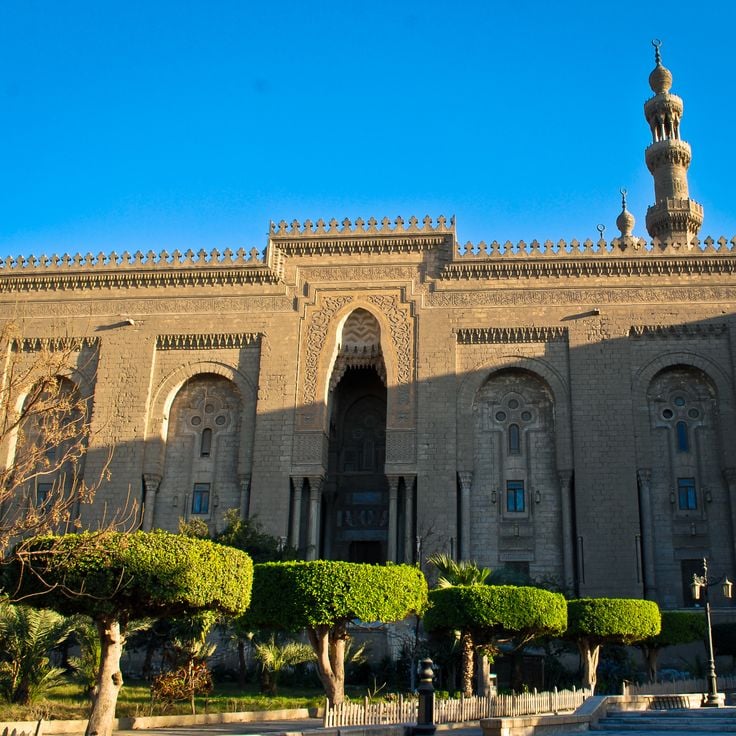
The mosques of Hassan and Rifai face each other on the same square, showing how Cairo's religious architecture changed over centuries. The Hassan Mosque was built in 1356 during the Mamluk era and is one of the largest mosques in the city. The Rifai Mosque was built between 1869 and 1912 in the Mamluk style and holds the tomb of King Farouk and other members of the Egyptian royal family. Together, these two buildings tell the story of Cairo from medieval times to the 20th century.
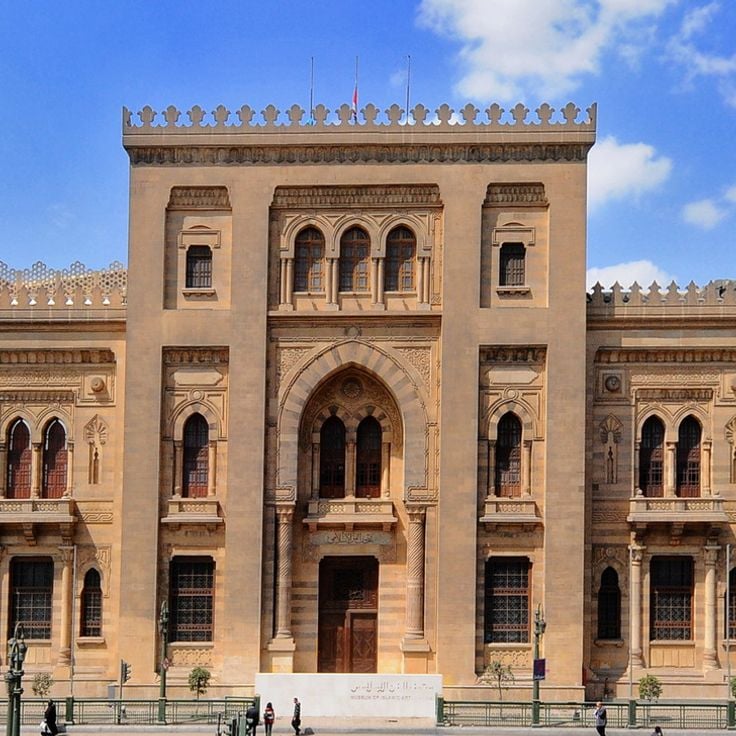
The Museum of Islamic Art in Cairo opened in 1881 and holds one of the richest collections of Islamic art in the world. Its rooms display illuminated manuscripts, historical textiles, decorated ceramics, and coins from Egypt and across the Islamic world. The collection traces artistic development from the 7th century through the Ottoman period, making it a natural companion to the mosques and fortifications that line the streets of Cairo.
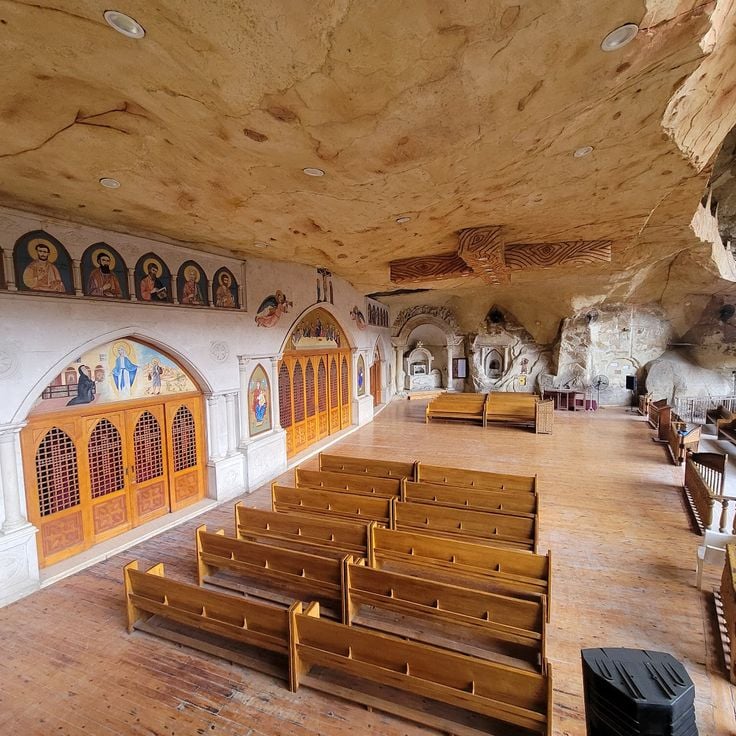
The Church of Saint Simon sits inside Mokattam Mountain, in the garbage collectors' district of Cairo. It was carved directly into the rock and can hold several thousand worshippers at once. The walls are covered in bas-reliefs showing scenes from the Bible. The seating rows are cut into the natural stone. This Coptic Orthodox church belongs to the Monastery of Saint Simon the Tanner and is part of Cairo's religious story, which runs from the pharaonic era through Fatimid mosques and Mamluk forts to the Ottoman period.
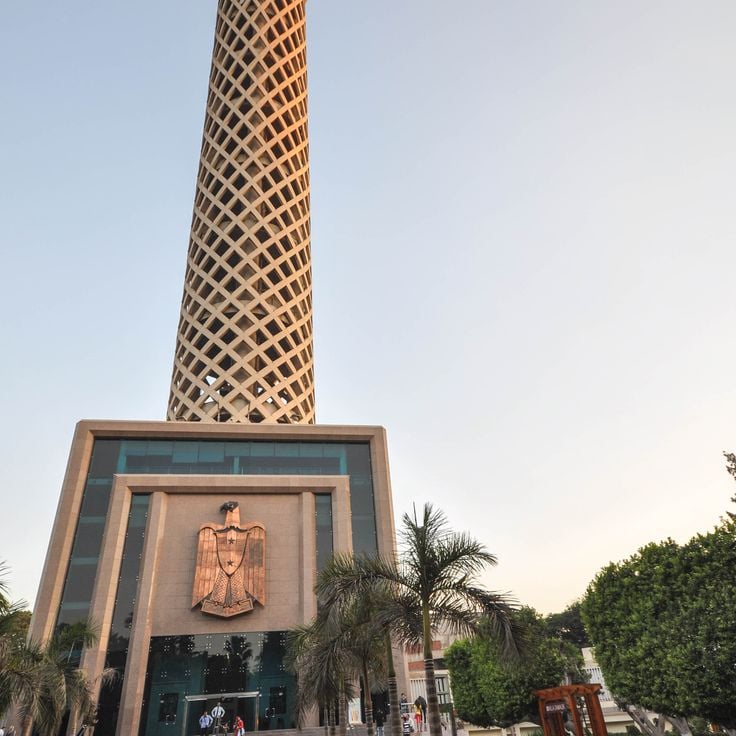
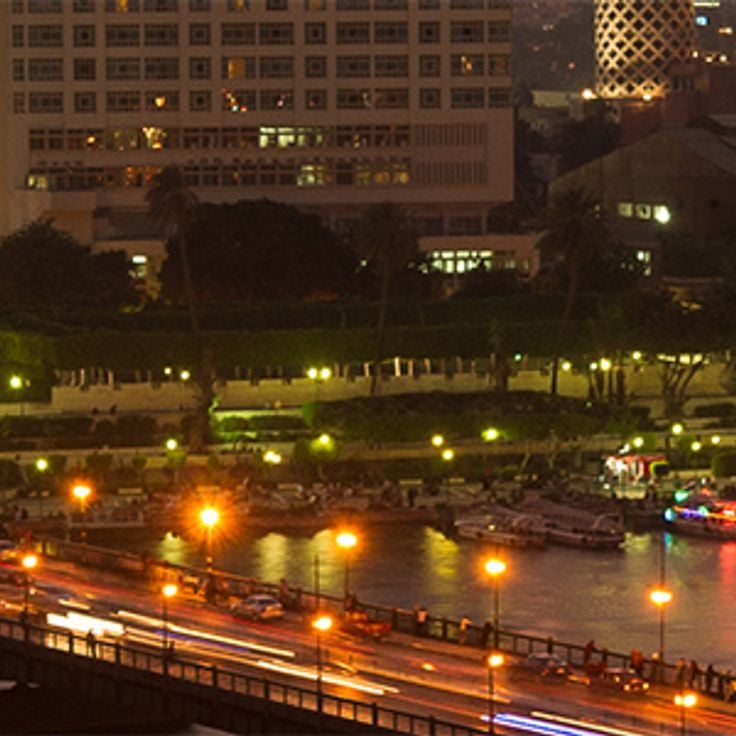
The Cairo Tower was built in 1961 as a telecommunications structure and stands 187 meters (613 ft) tall. It is one of the few modern landmarks in a city shaped by thousands of years of history. At the top, a rotating restaurant and an observation deck give visitors a sweeping view over the rooftops, the Nile, and the distant pyramids that define the Egyptian capital.
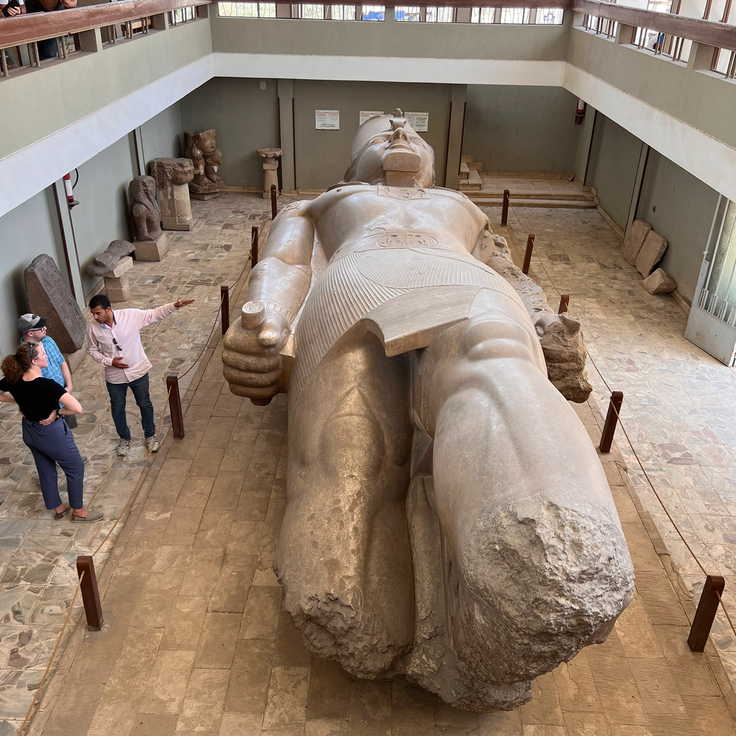
The Mit-Rahineh Museum sits in Mit Rahina, on the site of ancient Memphis, Egypt's first capital. At its center lies a recumbent limestone statue of Ramses II, about 33 feet (10 meters) long. Around it, sphinxes, columns, and reliefs from the Old and Middle Kingdom periods are on display. This museum shows how Egyptian civilization began long before the Pyramids of Giza were built.
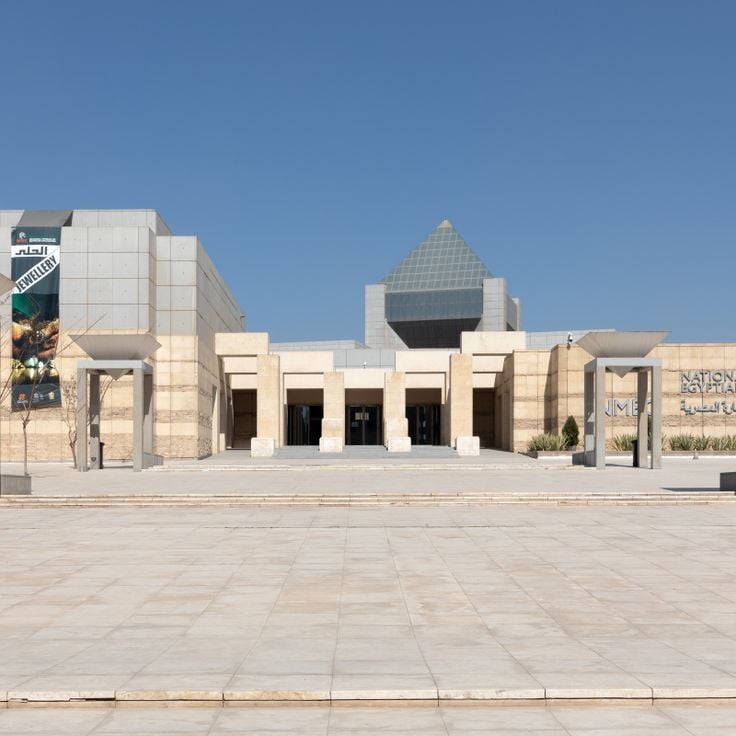
The National Museum of Egyptian Civilization in Cairo holds objects from across every period of Egyptian history. A dedicated gallery displays the mummified remains of several pharaohs, making it one of the most direct ways to encounter ancient Egypt. This museum sits naturally alongside the other historical sites of Cairo, from the Giza Pyramids to mosques from the Fatimid and Mamluk periods, and together they trace Egypt's story from pharaonic times through the Ottoman era.
Zamalek sits on Gezira Island in the Nile and is one of Cairo's more residential neighborhoods. Its tree-lined streets run past 19th-century buildings, art galleries, cafés, restaurants, and the Egyptian National Opera House. Alongside the city's pharaonic monuments, medieval mosques, and ancient churches, Zamalek shows a different side of Cairo, one shaped by the 19th and 20th centuries, where daily life and contemporary culture meet.
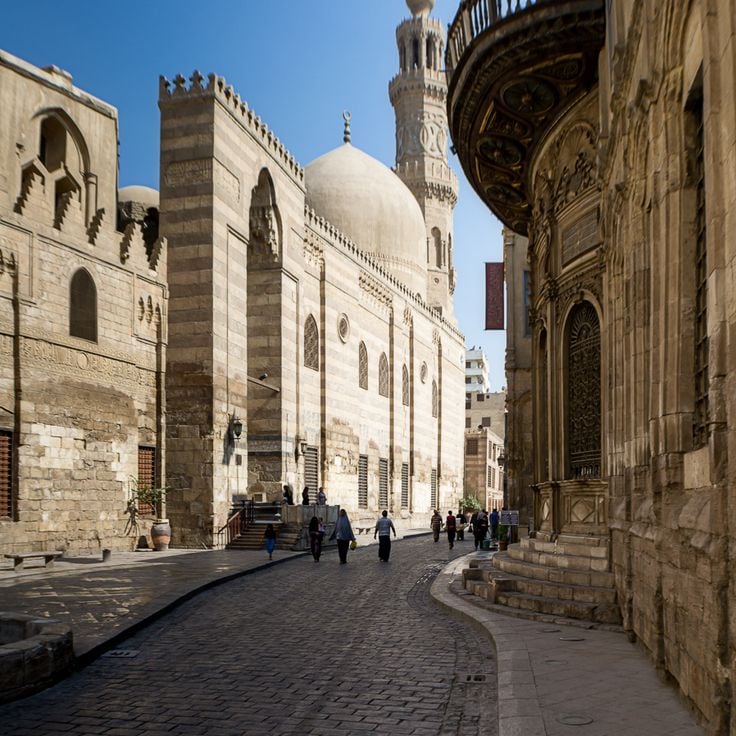
Al-Muizz Street is one of the oldest streets in Cairo, running through the heart of the historic city center. On both sides stand mosques, madrasas, and caravanserais from the Mamluk period. Walking along it, you can see how the city grew over centuries, from medieval trading buildings to Ottoman residential structures. This street connects the different periods covered by this collection in a direct and tangible way.
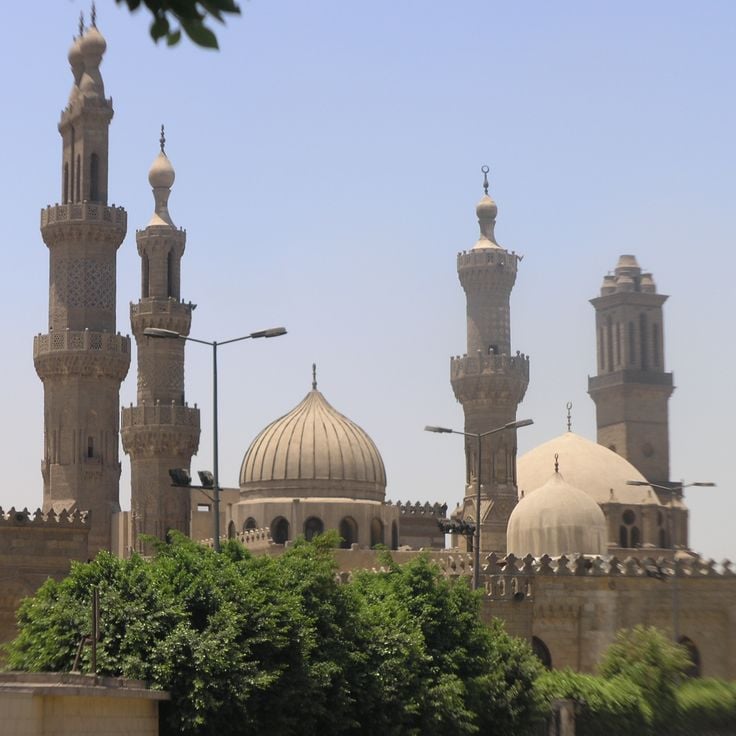
Al-Azhar Mosque was founded in 972 and is one of the oldest religious sites in Cairo. At its heart is an open courtyard surrounded by arcaded galleries, and five minarets rise above the roofline, each from a different period of construction. This mosque also houses one of the oldest Islamic universities in the world, still active today. Walking through Cairo's historic districts, you sense that this building has remained both a place of prayer and a place of learning for over a thousand years.
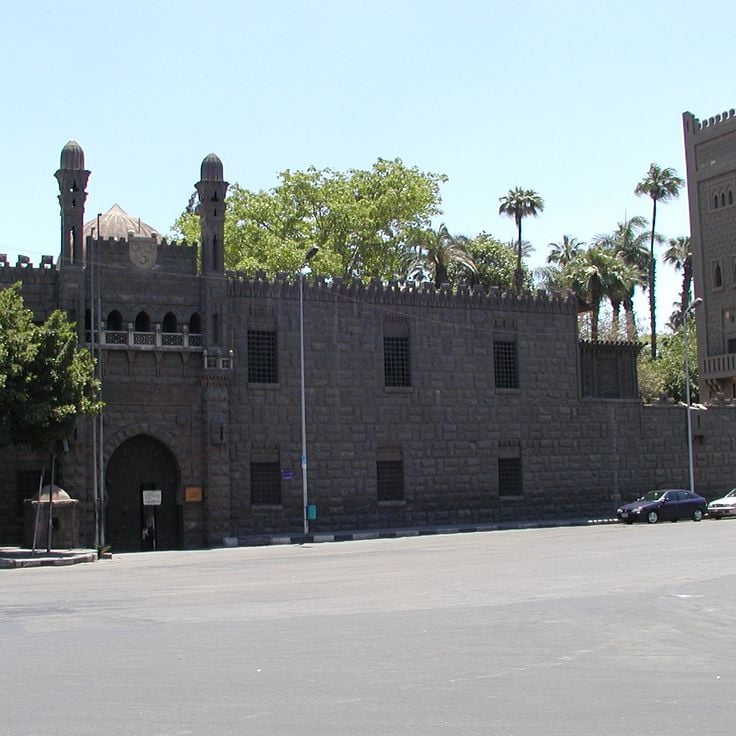
The Manial Palace sits on Roda Island in the Nile and offers a window into royal Cairo from the early 20th century. Prince Mohammed Ali Tewfik had it built as his personal residence. The complex is made up of five separate buildings drawing on Ottoman, Persian, Moorish and European architectural traditions. Gardens with rare plants surround the whole compound. Today the palace works as a museum, showing royal furniture, artwork, manuscripts and personal objects that once belonged to the royal family.
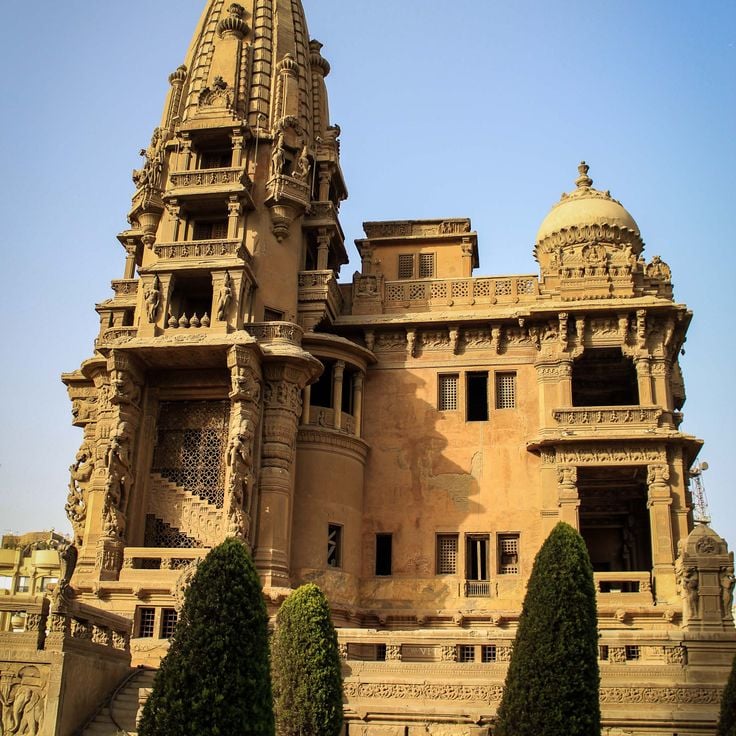
Baron Palace stands in the Heliopolis district of Cairo and was built in 1911 as the private home of Belgian industrialist Édouard Empain. The three-story building brings together Indian and Islamic architectural elements in a way that was unusual for early 20th-century Egypt. Set within a park, the palace gives a clear sense of how wealthy families lived in Cairo at that time, adding another layer to the city's long history from pharaonic antiquity to the modern era.
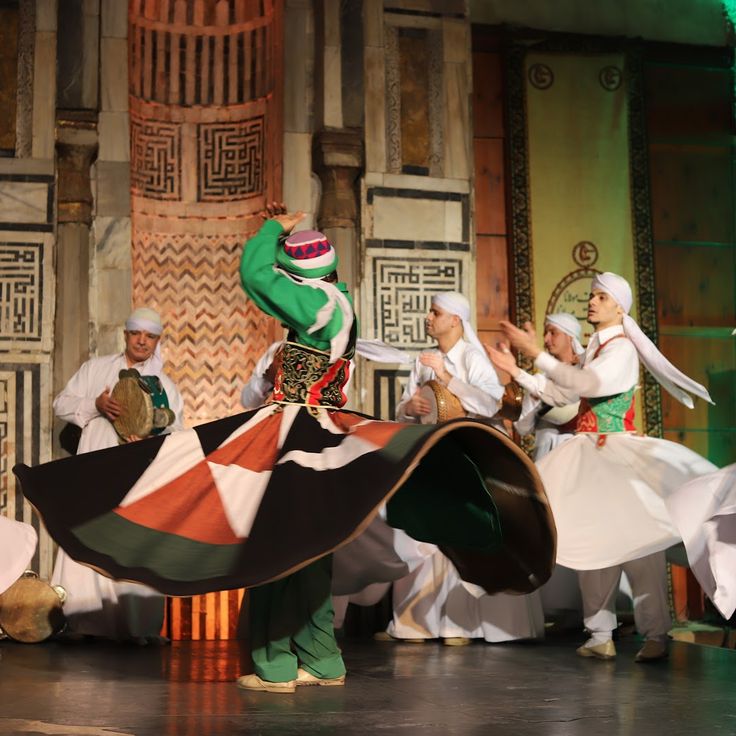
The Wekalet El Ghouri Center in Cairo sits inside a 16th-century caravanserai from the Mamluk period. The building once served as a resting place for merchants and a storage point for goods moving along trade routes. Today, it regularly hosts dance performances and traditional music concerts, giving visitors a direct experience of Egypt's performing arts scene.
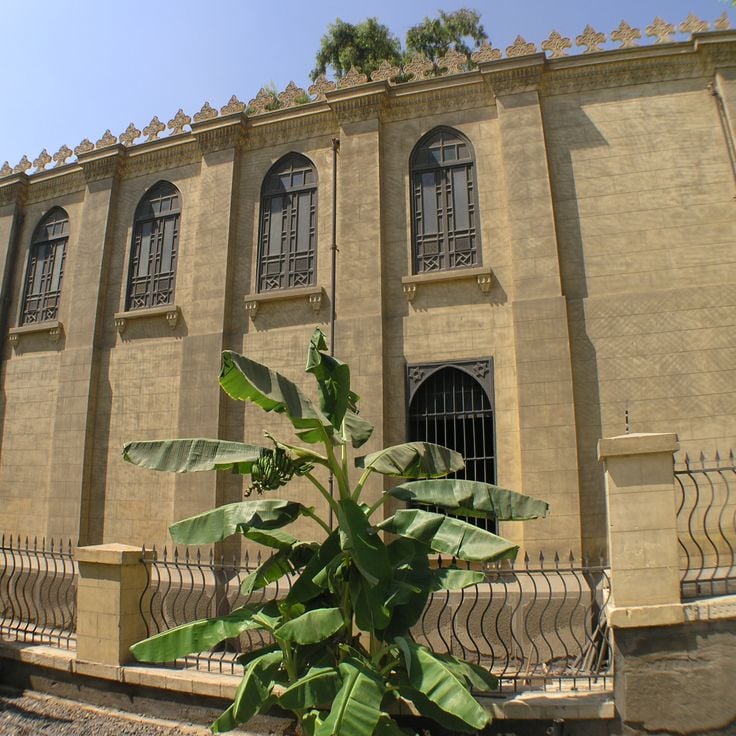
The Ben Ezra Synagogue sits in Old Cairo, a neighborhood where churches, mosques, and synagogues have stood side by side for centuries. Built in 882 on the foundations of a Coptic church, it is one of the oldest Jewish places of worship in Egypt. Its walls once held the Geniza, a collection of medieval Hebrew manuscripts that recorded the daily life and faith of the Jewish community in Egypt across many generations. These documents show how closely different religious communities lived together in Cairo.
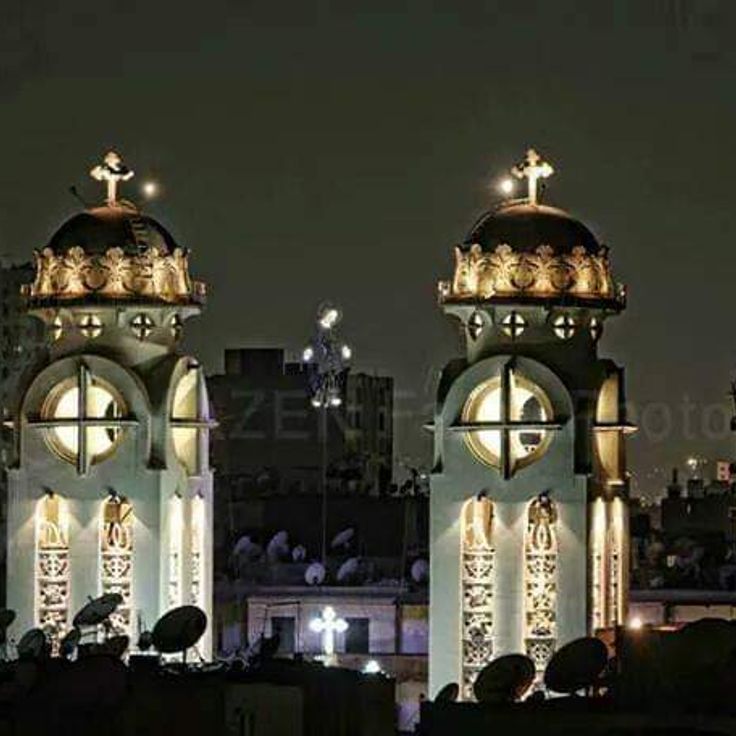
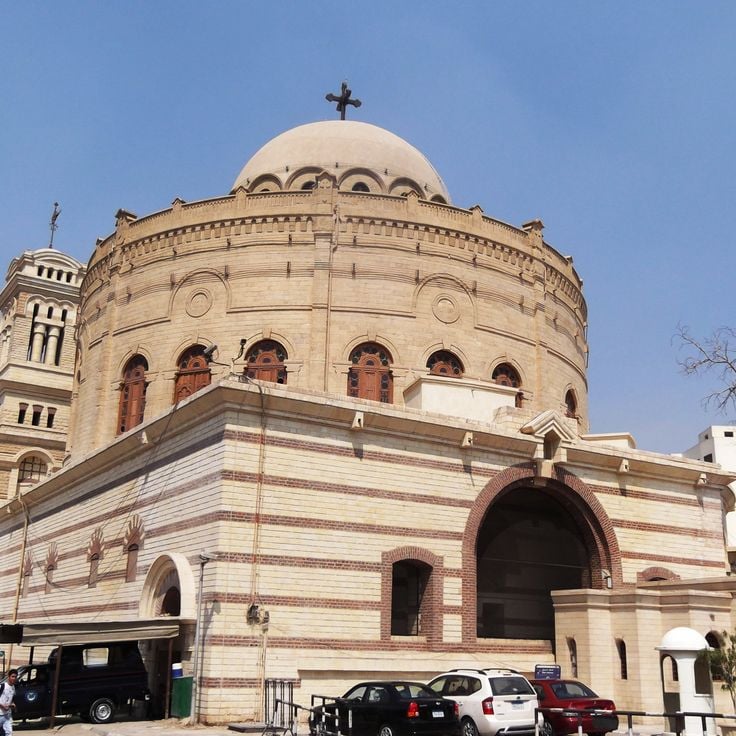
Saint George Church in Cairo is a Coptic Orthodox church built on the foundations of the Roman fortress of Babylon. Its circular shape is rare among Coptic churches and makes it stand out in Old Cairo. It is part of a group of religious sites that reflect the diversity of faith communities that have shaped Cairo over many centuries.
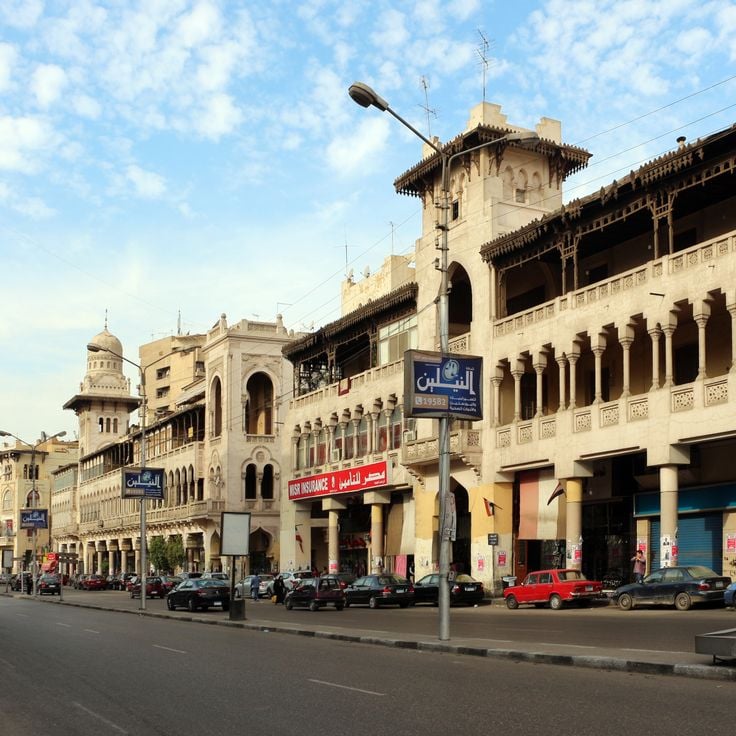
The Heliopolis District was built between 1905 and 1922 as a planned neighborhood northeast of Cairo's historic center. Belgian industrialist Baron Empain designed it following European models, with streets laid out in a grid, open squares, and parks. Within this collection covering 4,000 years of Cairo's history, Heliopolis shows how the city grew and changed in the early 20th century. The villas and residential buildings along wide, tree-lined avenues mix colonial, neoclassical, and Moorish architectural elements into a distinct urban character.
The Mu'ayyad Mosque stands next to the old Bab Zuweila gate in Cairo and was built between 1415 and 1421. Sultan al-Mu'ayyad Shaykh had it constructed on the very spot where he had once been imprisoned, having made a vow to build a place of worship there. This mosque is one of many sites in Cairo that tell the story of Egypt across centuries of faith and daily life.
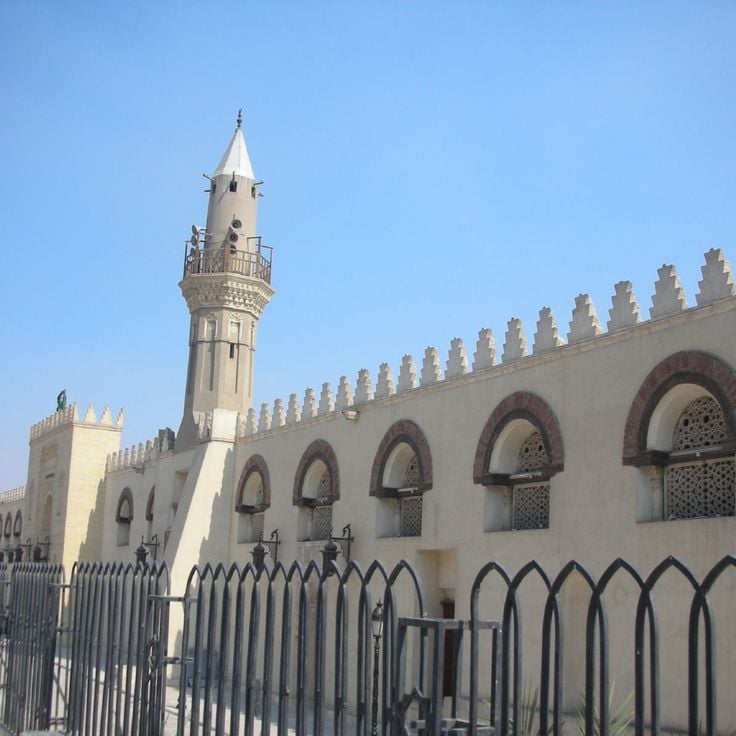
The Amr ibn al-As Mosque was founded in 642 and is the oldest mosque in Egypt and on the African continent. It was built shortly after the Arab conquest of Egypt and served from the start as a place of prayer for the new rulers. As part of Cairo's long history, which runs from the Pyramids of Giza to medieval fortifications, this mosque marks the moment Islam first took root in Egypt. Over the centuries, it has been expanded and rebuilt many times, so the building today carries traces of many different periods.
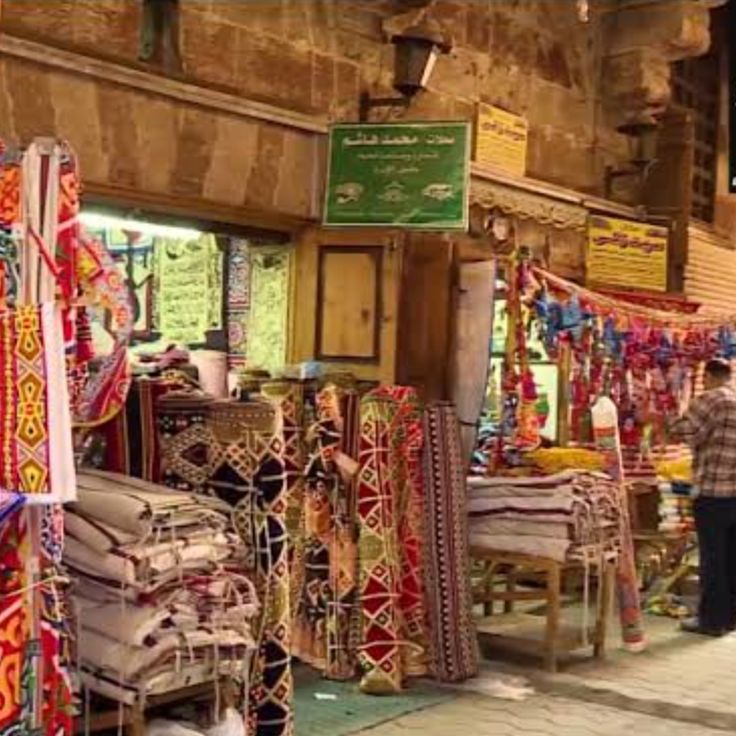
Al-Khayamiya Market sits in the old city of Cairo and has been a place for fabric and tent makers for centuries. Craftspeople here stitch and paint patterns by hand onto colorful textiles, following techniques passed down through generations. Walking through this market, you can watch artisans at work and see how this traditional craft remains part of daily life in Cairo today.
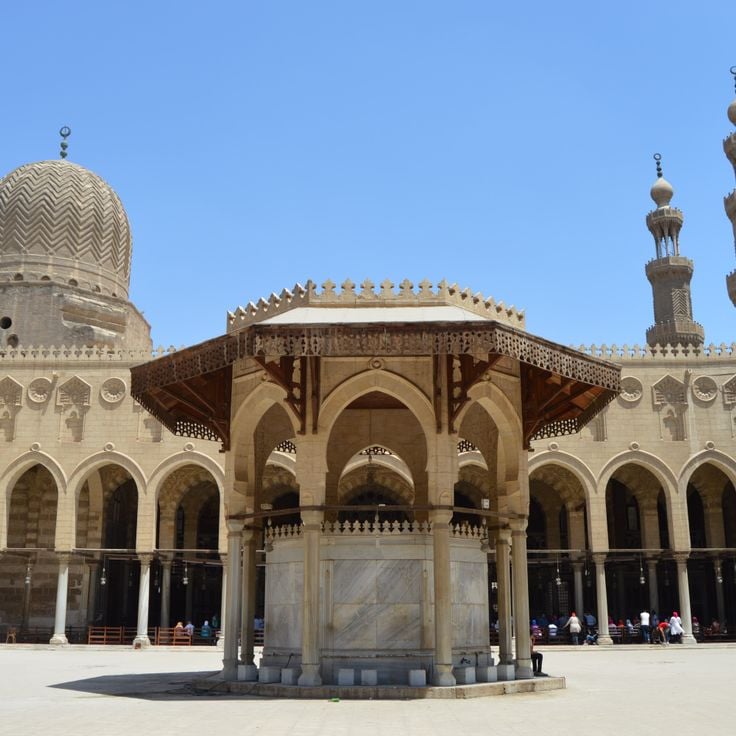
Al-Suhaymi House was built in 1648 and shows how wealthy families lived in Ottoman Cairo. It is part of a group of Cairo sites that trace Egyptian history from the pharaonic period to the Ottoman era. Inside, an open courtyard with fountains formed the heart of daily life. The walls carry geometric patterns, and the carved woodwork on doors and windows reflects the craftsmanship of the time. This house gives a direct sense of what domestic life looked like in that period.
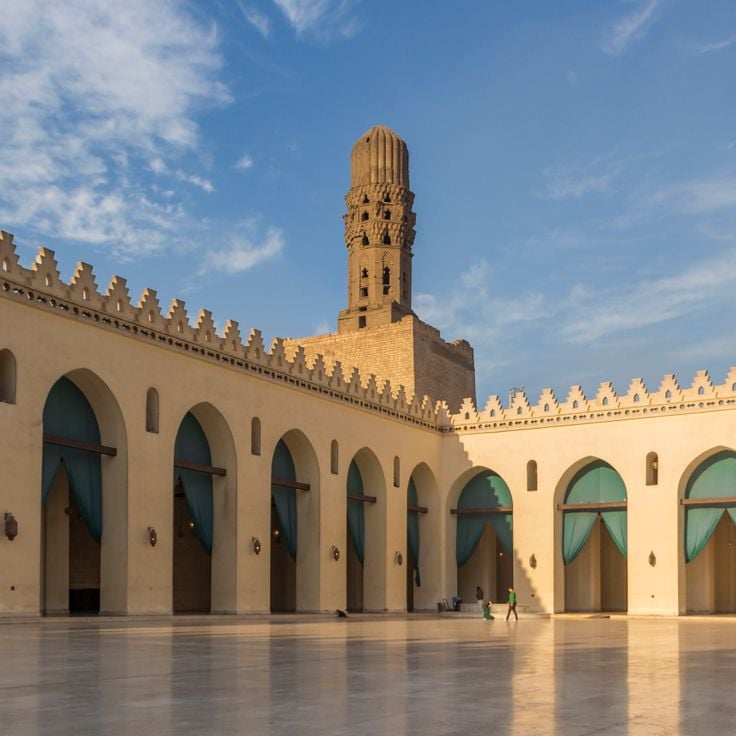
Al-Hakim Mosque is one of the most important buildings from Cairo's Fatimid period. Built between 990 and 1013 under Caliph Al-Hakim, this mosque features two minarets, an open courtyard, and a prayer hall. Alongside the Giza Pyramids and Saladin's Citadel, this mosque reflects the religious traditions that have shaped the city from ancient Egypt through the Ottoman period.
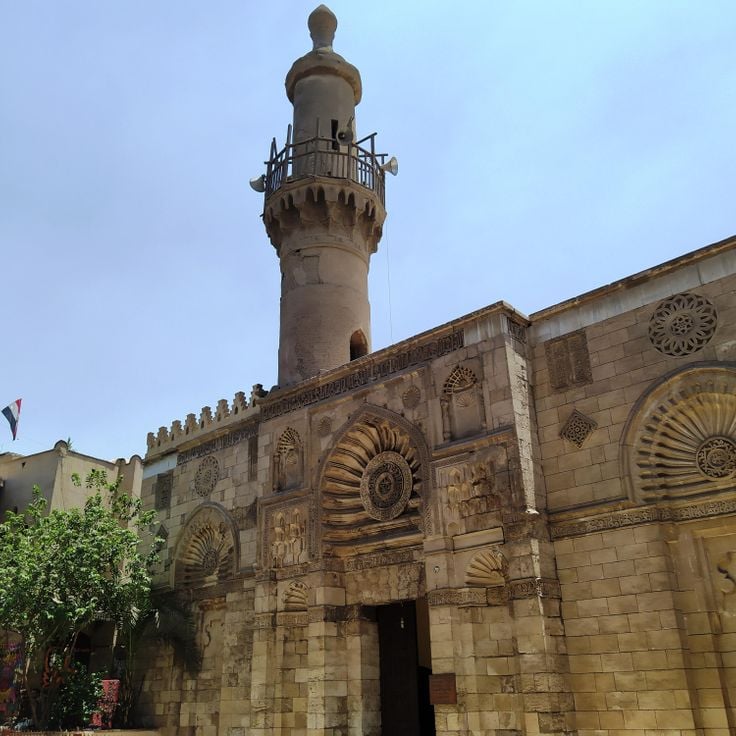
The Al-Aqmar Mosque was built in 1125 under Fatimid caliph al-Amir bi-Ahkam Allah. Its carved stone facade displays geometric patterns and engraved Quranic verses. This mosque shows how Fatimid builders combined religious purpose with decorative craft, placing it among Cairo's many sites that span a history stretching from ancient pharaohs to the Ottoman period.
The Qalawun Complex is a 13th-century monument in Cairo's historic quarter. Sultan al-Mansur Qalawun built this ensemble, which brings together a mosque, a mausoleum, and a hospital. The complex shows how the Mamluks constructed their buildings and how they combined religious, charitable, and medical functions in one place. It stands among the sites that tell Cairo's story from ancient Egypt through the Ottoman period.
The Madrasa as-Salihiyya was built in 1249 by Sultan Salih Najm ad-Din Ayyub in the heart of Cairo. It served as a place of learning where students studied Islamic sciences, theology, and law. Prayer areas were woven into the building, showing how education and worship existed side by side. Sitting near the Sultan Hassan Mosque, this madrasa connects to the broader network of religious buildings that shaped Cairo across centuries.
The Nilometer on Rhoda Island was built in 861 to measure the annual Nile floods. It is a deep graduated well with markings on its walls, decorated with Kufic inscriptions carrying Quranic verses and notes about its construction. This structure gives a clear sense of how central the Nile was to life in Egypt and fits into Cairo's long history stretching from ancient times to the Ottoman period.
The Egyptian Museum Cairo opened in 1902 and holds more than 120,000 objects from ancient Egypt. The collection includes statues, jewellery, papyri, sarcophagi and the golden funerary mask of Tutankhamun. Located at Tahrir Square, this museum takes you through Egyptian history from the Predynastic period to the Greco-Roman era, making it a natural companion to visits to Cairo's pyramids, mosques and other monuments.
The Pyramids of Giza are the oldest stop on this journey through Cairo's history. They sit on a limestone plateau and were built between 2686 and 2494 BC as burial tombs for the pharaohs Khufu, Khafre, and Menkaure. Standing before them gives a sense of how much knowledge and human effort went into their construction.
Khan Al-Khalili Bazaar in Cairo has been a place of trade since 1382, making it one of the oldest markets in this collection of historical sites. Narrow alleys connect shops selling spices, textiles, copper goods and souvenirs. Traders here follow traditions that have shaped daily life in Cairo since medieval times, and the market remains a lively part of the city today.
The Ibn Tulun Mosque was built in 879 on a hill in Cairo and is one of the oldest surviving mosques in the city. Its minaret has a spiral external staircase that recalls Mesopotamian architecture. The large courtyard is lined with arcaded galleries resting on massive brick pillars. This mosque connects Cairo's religious architecture to a history that runs from pharaonic times to the Ottoman period.
The Church of Saint Mary in Cairo was built in the 7th century on the foundations of the Roman fortress of Babylon. Its columns and carved capitals were taken directly from the Roman structure and reused here. The church sits in a neighborhood where Christian and Islamic buildings stand side by side, close to Saint Sergius Church from the 4th century and the medieval mosques of the city.
The Citadel of Saladin was built in the 12th century on a hill above Cairo and served for centuries as a military fortress and seat of government. Within this collection on Cairo's history, the Citadel shows how military and political power endured from the Mamluk period into modern times. The complex houses several mosques, including the Alabaster Mosque of Muhammad Ali, as well as palaces and military museums. From its walls, you can see Cairo spread out below.
The Gayer Anderson Museum consists of two connected houses from the 16th century that show how people lived in Ottoman Cairo. The rooms feature original wooden wall panels, mashrabiya window screens, and furniture and art objects from across the Islamic world. This museum fits naturally into Cairo's long history, which stretches from ancient Egypt to the Ottoman period.
Al-Azhar Park was built in 2005 on the site of a former dump, right beside the historic monuments of Islamic Cairo. Its paths and gardens look out over mosques and fortifications like Saladin's Citadel. This park is a place where locals and visitors walk, sit, and take in views of one of the oldest parts of the city.
The Church of Saints Serge and Bacchus in Cairo is one of the oldest churches in the city. Built in the 4th century, it stands above a cave where tradition holds that the Holy Family took shelter during their journey to Egypt. Inside, rows of marble columns run along the nave, separating it from the side aisles. Below the sanctuary, a staircase leads down to the crypt, where the cave can still be visited. The site draws pilgrims and offers a rare connection to the early Christian presence in Egypt.
Bab Zuweila is the southern gate of the Fatimid old city in Cairo, built in 1092 under vizier Badr al-Jamali. In the 15th century, the two minarets of the neighboring al-Muayyad Mosque were added on top of its towers. Climbing to the top gives a wide view over the rooftops of the historic center. This gate is one of the markers of a city where layers of Egyptian history, from the pharaohs to the Ottoman period, are still visible today.
The Coptic Museum is part of this collection of Cairo's historical monuments and displays Christian art from Egypt spanning the 4th to the 19th century. Its rooms hold illuminated manuscripts, liturgical vestments, wooden carvings, icons, and ritual objects. The museum traces the history of the Coptic Church and its artistic traditions across fifteen centuries.
The mosques of Hassan and Rifai face each other on the same square, showing how Cairo's religious architecture changed over centuries. The Hassan Mosque was built in 1356 during the Mamluk era and is one of the largest mosques in the city. The Rifai Mosque was built between 1869 and 1912 in the Mamluk style and holds the tomb of King Farouk and other members of the Egyptian royal family. Together, these two buildings tell the story of Cairo from medieval times to the 20th century.
The Museum of Islamic Art in Cairo opened in 1881 and holds one of the richest collections of Islamic art in the world. Its rooms display illuminated manuscripts, historical textiles, decorated ceramics, and coins from Egypt and across the Islamic world. The collection traces artistic development from the 7th century through the Ottoman period, making it a natural companion to the mosques and fortifications that line the streets of Cairo.
The Church of Saint Simon sits inside Mokattam Mountain, in the garbage collectors' district of Cairo. It was carved directly into the rock and can hold several thousand worshippers at once. The walls are covered in bas-reliefs showing scenes from the Bible. The seating rows are cut into the natural stone. This Coptic Orthodox church belongs to the Monastery of Saint Simon the Tanner and is part of Cairo's religious story, which runs from the pharaonic era through Fatimid mosques and Mamluk forts to the Ottoman period.
The Cairo Tower was built in 1961 as a telecommunications structure and stands 187 meters (613 ft) tall. It is one of the few modern landmarks in a city shaped by thousands of years of history. At the top, a rotating restaurant and an observation deck give visitors a sweeping view over the rooftops, the Nile, and the distant pyramids that define the Egyptian capital.
The Mit-Rahineh Museum sits in Mit Rahina, on the site of ancient Memphis, Egypt's first capital. At its center lies a recumbent limestone statue of Ramses II, about 33 feet (10 meters) long. Around it, sphinxes, columns, and reliefs from the Old and Middle Kingdom periods are on display. This museum shows how Egyptian civilization began long before the Pyramids of Giza were built.
The National Museum of Egyptian Civilization in Cairo holds objects from across every period of Egyptian history. A dedicated gallery displays the mummified remains of several pharaohs, making it one of the most direct ways to encounter ancient Egypt. This museum sits naturally alongside the other historical sites of Cairo, from the Giza Pyramids to mosques from the Fatimid and Mamluk periods, and together they trace Egypt's story from pharaonic times through the Ottoman era.
Zamalek sits on Gezira Island in the Nile and is one of Cairo's more residential neighborhoods. Its tree-lined streets run past 19th-century buildings, art galleries, cafés, restaurants, and the Egyptian National Opera House. Alongside the city's pharaonic monuments, medieval mosques, and ancient churches, Zamalek shows a different side of Cairo, one shaped by the 19th and 20th centuries, where daily life and contemporary culture meet.
Al-Muizz Street is one of the oldest streets in Cairo, running through the heart of the historic city center. On both sides stand mosques, madrasas, and caravanserais from the Mamluk period. Walking along it, you can see how the city grew over centuries, from medieval trading buildings to Ottoman residential structures. This street connects the different periods covered by this collection in a direct and tangible way.
Al-Azhar Mosque was founded in 972 and is one of the oldest religious sites in Cairo. At its heart is an open courtyard surrounded by arcaded galleries, and five minarets rise above the roofline, each from a different period of construction. This mosque also houses one of the oldest Islamic universities in the world, still active today. Walking through Cairo's historic districts, you sense that this building has remained both a place of prayer and a place of learning for over a thousand years.
The Manial Palace sits on Roda Island in the Nile and offers a window into royal Cairo from the early 20th century. Prince Mohammed Ali Tewfik had it built as his personal residence. The complex is made up of five separate buildings drawing on Ottoman, Persian, Moorish and European architectural traditions. Gardens with rare plants surround the whole compound. Today the palace works as a museum, showing royal furniture, artwork, manuscripts and personal objects that once belonged to the royal family.
Baron Palace stands in the Heliopolis district of Cairo and was built in 1911 as the private home of Belgian industrialist Édouard Empain. The three-story building brings together Indian and Islamic architectural elements in a way that was unusual for early 20th-century Egypt. Set within a park, the palace gives a clear sense of how wealthy families lived in Cairo at that time, adding another layer to the city's long history from pharaonic antiquity to the modern era.
The Wekalet El Ghouri Center in Cairo sits inside a 16th-century caravanserai from the Mamluk period. The building once served as a resting place for merchants and a storage point for goods moving along trade routes. Today, it regularly hosts dance performances and traditional music concerts, giving visitors a direct experience of Egypt's performing arts scene.
The Ben Ezra Synagogue sits in Old Cairo, a neighborhood where churches, mosques, and synagogues have stood side by side for centuries. Built in 882 on the foundations of a Coptic church, it is one of the oldest Jewish places of worship in Egypt. Its walls once held the Geniza, a collection of medieval Hebrew manuscripts that recorded the daily life and faith of the Jewish community in Egypt across many generations. These documents show how closely different religious communities lived together in Cairo.
Saint George Church in Cairo is a Coptic Orthodox church built on the foundations of the Roman fortress of Babylon. Its circular shape is rare among Coptic churches and makes it stand out in Old Cairo. It is part of a group of religious sites that reflect the diversity of faith communities that have shaped Cairo over many centuries.
The Heliopolis District was built between 1905 and 1922 as a planned neighborhood northeast of Cairo's historic center. Belgian industrialist Baron Empain designed it following European models, with streets laid out in a grid, open squares, and parks. Within this collection covering 4,000 years of Cairo's history, Heliopolis shows how the city grew and changed in the early 20th century. The villas and residential buildings along wide, tree-lined avenues mix colonial, neoclassical, and Moorish architectural elements into a distinct urban character.
The Mu'ayyad Mosque stands next to the old Bab Zuweila gate in Cairo and was built between 1415 and 1421. Sultan al-Mu'ayyad Shaykh had it constructed on the very spot where he had once been imprisoned, having made a vow to build a place of worship there. This mosque is one of many sites in Cairo that tell the story of Egypt across centuries of faith and daily life.
The Amr ibn al-As Mosque was founded in 642 and is the oldest mosque in Egypt and on the African continent. It was built shortly after the Arab conquest of Egypt and served from the start as a place of prayer for the new rulers. As part of Cairo's long history, which runs from the Pyramids of Giza to medieval fortifications, this mosque marks the moment Islam first took root in Egypt. Over the centuries, it has been expanded and rebuilt many times, so the building today carries traces of many different periods.
Al-Khayamiya Market sits in the old city of Cairo and has been a place for fabric and tent makers for centuries. Craftspeople here stitch and paint patterns by hand onto colorful textiles, following techniques passed down through generations. Walking through this market, you can watch artisans at work and see how this traditional craft remains part of daily life in Cairo today.
Al-Suhaymi House was built in 1648 and shows how wealthy families lived in Ottoman Cairo. It is part of a group of Cairo sites that trace Egyptian history from the pharaonic period to the Ottoman era. Inside, an open courtyard with fountains formed the heart of daily life. The walls carry geometric patterns, and the carved woodwork on doors and windows reflects the craftsmanship of the time. This house gives a direct sense of what domestic life looked like in that period.
Al-Hakim Mosque is one of the most important buildings from Cairo's Fatimid period. Built between 990 and 1013 under Caliph Al-Hakim, this mosque features two minarets, an open courtyard, and a prayer hall. Alongside the Giza Pyramids and Saladin's Citadel, this mosque reflects the religious traditions that have shaped the city from ancient Egypt through the Ottoman period.
The Al-Aqmar Mosque was built in 1125 under Fatimid caliph al-Amir bi-Ahkam Allah. Its carved stone facade displays geometric patterns and engraved Quranic verses. This mosque shows how Fatimid builders combined religious purpose with decorative craft, placing it among Cairo's many sites that span a history stretching from ancient pharaohs to the Ottoman period.
The Qalawun Complex is a 13th-century monument in Cairo's historic quarter. Sultan al-Mansur Qalawun built this ensemble, which brings together a mosque, a mausoleum, and a hospital. The complex shows how the Mamluks constructed their buildings and how they combined religious, charitable, and medical functions in one place. It stands among the sites that tell Cairo's story from ancient Egypt through the Ottoman period.
The Madrasa as-Salihiyya was built in 1249 by Sultan Salih Najm ad-Din Ayyub in the heart of Cairo. It served as a place of learning where students studied Islamic sciences, theology, and law. Prayer areas were woven into the building, showing how education and worship existed side by side. Sitting near the Sultan Hassan Mosque, this madrasa connects to the broader network of religious buildings that shaped Cairo across centuries.
The Nilometer on Rhoda Island was built in 861 to measure the annual Nile floods. It is a deep graduated well with markings on its walls, decorated with Kufic inscriptions carrying Quranic verses and notes about its construction. This structure gives a clear sense of how central the Nile was to life in Egypt and fits into Cairo's long history stretching from ancient times to the Ottoman period.
The Egyptian Museum Cairo opened in 1902 and holds more than 120,000 objects from ancient Egypt. The collection includes statues, jewellery, papyri, sarcophagi and the golden funerary mask of Tutankhamun. Located at Tahrir Square, this museum takes you through Egyptian history from the Predynastic period to the Greco-Roman era, making it a natural companion to visits to Cairo's pyramids, mosques and other monuments.
The Pyramids of Giza are the oldest stop on this journey through Cairo's history. They sit on a limestone plateau and were built between 2686 and 2494 BC as burial tombs for the pharaohs Khufu, Khafre, and Menkaure. Standing before them gives a sense of how much knowledge and human effort went into their construction.
Khan Al-Khalili Bazaar in Cairo has been a place of trade since 1382, making it one of the oldest markets in this collection of historical sites. Narrow alleys connect shops selling spices, textiles, copper goods and souvenirs. Traders here follow traditions that have shaped daily life in Cairo since medieval times, and the market remains a lively part of the city today.
The Ibn Tulun Mosque was built in 879 on a hill in Cairo and is one of the oldest surviving mosques in the city. Its minaret has a spiral external staircase that recalls Mesopotamian architecture. The large courtyard is lined with arcaded galleries resting on massive brick pillars. This mosque connects Cairo's religious architecture to a history that runs from pharaonic times to the Ottoman period.
The Church of Saint Mary in Cairo was built in the 7th century on the foundations of the Roman fortress of Babylon. Its columns and carved capitals were taken directly from the Roman structure and reused here. The church sits in a neighborhood where Christian and Islamic buildings stand side by side, close to Saint Sergius Church from the 4th century and the medieval mosques of the city.
The Citadel of Saladin was built in the 12th century on a hill above Cairo and served for centuries as a military fortress and seat of government. Within this collection on Cairo's history, the Citadel shows how military and political power endured from the Mamluk period into modern times. The complex houses several mosques, including the Alabaster Mosque of Muhammad Ali, as well as palaces and military museums. From its walls, you can see Cairo spread out below.
The Gayer Anderson Museum consists of two connected houses from the 16th century that show how people lived in Ottoman Cairo. The rooms feature original wooden wall panels, mashrabiya window screens, and furniture and art objects from across the Islamic world. This museum fits naturally into Cairo's long history, which stretches from ancient Egypt to the Ottoman period.
Al-Azhar Park was built in 2005 on the site of a former dump, right beside the historic monuments of Islamic Cairo. Its paths and gardens look out over mosques and fortifications like Saladin's Citadel. This park is a place where locals and visitors walk, sit, and take in views of one of the oldest parts of the city.
The Church of Saints Serge and Bacchus in Cairo is one of the oldest churches in the city. Built in the 4th century, it stands above a cave where tradition holds that the Holy Family took shelter during their journey to Egypt. Inside, rows of marble columns run along the nave, separating it from the side aisles. Below the sanctuary, a staircase leads down to the crypt, where the cave can still be visited. The site draws pilgrims and offers a rare connection to the early Christian presence in Egypt.
Bab Zuweila is the southern gate of the Fatimid old city in Cairo, built in 1092 under vizier Badr al-Jamali. In the 15th century, the two minarets of the neighboring al-Muayyad Mosque were added on top of its towers. Climbing to the top gives a wide view over the rooftops of the historic center. This gate is one of the markers of a city where layers of Egyptian history, from the pharaohs to the Ottoman period, are still visible today.
The Coptic Museum is part of this collection of Cairo's historical monuments and displays Christian art from Egypt spanning the 4th to the 19th century. Its rooms hold illuminated manuscripts, liturgical vestments, wooden carvings, icons, and ritual objects. The museum traces the history of the Coptic Church and its artistic traditions across fifteen centuries.
The mosques of Hassan and Rifai face each other on the same square, showing how Cairo's religious architecture changed over centuries. The Hassan Mosque was built in 1356 during the Mamluk era and is one of the largest mosques in the city. The Rifai Mosque was built between 1869 and 1912 in the Mamluk style and holds the tomb of King Farouk and other members of the Egyptian royal family. Together, these two buildings tell the story of Cairo from medieval times to the 20th century.
The Museum of Islamic Art in Cairo opened in 1881 and holds one of the richest collections of Islamic art in the world. Its rooms display illuminated manuscripts, historical textiles, decorated ceramics, and coins from Egypt and across the Islamic world. The collection traces artistic development from the 7th century through the Ottoman period, making it a natural companion to the mosques and fortifications that line the streets of Cairo.
The Church of Saint Simon sits inside Mokattam Mountain, in the garbage collectors' district of Cairo. It was carved directly into the rock and can hold several thousand worshippers at once. The walls are covered in bas-reliefs showing scenes from the Bible. The seating rows are cut into the natural stone. This Coptic Orthodox church belongs to the Monastery of Saint Simon the Tanner and is part of Cairo's religious story, which runs from the pharaonic era through Fatimid mosques and Mamluk forts to the Ottoman period.
The Cairo Tower was built in 1961 as a telecommunications structure and stands 187 meters (613 ft) tall. It is one of the few modern landmarks in a city shaped by thousands of years of history. At the top, a rotating restaurant and an observation deck give visitors a sweeping view over the rooftops, the Nile, and the distant pyramids that define the Egyptian capital.
The Mit-Rahineh Museum sits in Mit Rahina, on the site of ancient Memphis, Egypt's first capital. At its center lies a recumbent limestone statue of Ramses II, about 33 feet (10 meters) long. Around it, sphinxes, columns, and reliefs from the Old and Middle Kingdom periods are on display. This museum shows how Egyptian civilization began long before the Pyramids of Giza were built.
The National Museum of Egyptian Civilization in Cairo holds objects from across every period of Egyptian history. A dedicated gallery displays the mummified remains of several pharaohs, making it one of the most direct ways to encounter ancient Egypt. This museum sits naturally alongside the other historical sites of Cairo, from the Giza Pyramids to mosques from the Fatimid and Mamluk periods, and together they trace Egypt's story from pharaonic times through the Ottoman era.
Zamalek sits on Gezira Island in the Nile and is one of Cairo's more residential neighborhoods. Its tree-lined streets run past 19th-century buildings, art galleries, cafés, restaurants, and the Egyptian National Opera House. Alongside the city's pharaonic monuments, medieval mosques, and ancient churches, Zamalek shows a different side of Cairo, one shaped by the 19th and 20th centuries, where daily life and contemporary culture meet.
Al-Muizz Street is one of the oldest streets in Cairo, running through the heart of the historic city center. On both sides stand mosques, madrasas, and caravanserais from the Mamluk period. Walking along it, you can see how the city grew over centuries, from medieval trading buildings to Ottoman residential structures. This street connects the different periods covered by this collection in a direct and tangible way.
Al-Azhar Mosque was founded in 972 and is one of the oldest religious sites in Cairo. At its heart is an open courtyard surrounded by arcaded galleries, and five minarets rise above the roofline, each from a different period of construction. This mosque also houses one of the oldest Islamic universities in the world, still active today. Walking through Cairo's historic districts, you sense that this building has remained both a place of prayer and a place of learning for over a thousand years.
The Manial Palace sits on Roda Island in the Nile and offers a window into royal Cairo from the early 20th century. Prince Mohammed Ali Tewfik had it built as his personal residence. The complex is made up of five separate buildings drawing on Ottoman, Persian, Moorish and European architectural traditions. Gardens with rare plants surround the whole compound. Today the palace works as a museum, showing royal furniture, artwork, manuscripts and personal objects that once belonged to the royal family.
Baron Palace stands in the Heliopolis district of Cairo and was built in 1911 as the private home of Belgian industrialist Édouard Empain. The three-story building brings together Indian and Islamic architectural elements in a way that was unusual for early 20th-century Egypt. Set within a park, the palace gives a clear sense of how wealthy families lived in Cairo at that time, adding another layer to the city's long history from pharaonic antiquity to the modern era.
The Wekalet El Ghouri Center in Cairo sits inside a 16th-century caravanserai from the Mamluk period. The building once served as a resting place for merchants and a storage point for goods moving along trade routes. Today, it regularly hosts dance performances and traditional music concerts, giving visitors a direct experience of Egypt's performing arts scene.
The Ben Ezra Synagogue sits in Old Cairo, a neighborhood where churches, mosques, and synagogues have stood side by side for centuries. Built in 882 on the foundations of a Coptic church, it is one of the oldest Jewish places of worship in Egypt. Its walls once held the Geniza, a collection of medieval Hebrew manuscripts that recorded the daily life and faith of the Jewish community in Egypt across many generations. These documents show how closely different religious communities lived together in Cairo.
Saint George Church in Cairo is a Coptic Orthodox church built on the foundations of the Roman fortress of Babylon. Its circular shape is rare among Coptic churches and makes it stand out in Old Cairo. It is part of a group of religious sites that reflect the diversity of faith communities that have shaped Cairo over many centuries.
The Heliopolis District was built between 1905 and 1922 as a planned neighborhood northeast of Cairo's historic center. Belgian industrialist Baron Empain designed it following European models, with streets laid out in a grid, open squares, and parks. Within this collection covering 4,000 years of Cairo's history, Heliopolis shows how the city grew and changed in the early 20th century. The villas and residential buildings along wide, tree-lined avenues mix colonial, neoclassical, and Moorish architectural elements into a distinct urban character.
The Mu'ayyad Mosque stands next to the old Bab Zuweila gate in Cairo and was built between 1415 and 1421. Sultan al-Mu'ayyad Shaykh had it constructed on the very spot where he had once been imprisoned, having made a vow to build a place of worship there. This mosque is one of many sites in Cairo that tell the story of Egypt across centuries of faith and daily life.
The Amr ibn al-As Mosque was founded in 642 and is the oldest mosque in Egypt and on the African continent. It was built shortly after the Arab conquest of Egypt and served from the start as a place of prayer for the new rulers. As part of Cairo's long history, which runs from the Pyramids of Giza to medieval fortifications, this mosque marks the moment Islam first took root in Egypt. Over the centuries, it has been expanded and rebuilt many times, so the building today carries traces of many different periods.
Al-Khayamiya Market sits in the old city of Cairo and has been a place for fabric and tent makers for centuries. Craftspeople here stitch and paint patterns by hand onto colorful textiles, following techniques passed down through generations. Walking through this market, you can watch artisans at work and see how this traditional craft remains part of daily life in Cairo today.
Al-Suhaymi House was built in 1648 and shows how wealthy families lived in Ottoman Cairo. It is part of a group of Cairo sites that trace Egyptian history from the pharaonic period to the Ottoman era. Inside, an open courtyard with fountains formed the heart of daily life. The walls carry geometric patterns, and the carved woodwork on doors and windows reflects the craftsmanship of the time. This house gives a direct sense of what domestic life looked like in that period.
Al-Hakim Mosque is one of the most important buildings from Cairo's Fatimid period. Built between 990 and 1013 under Caliph Al-Hakim, this mosque features two minarets, an open courtyard, and a prayer hall. Alongside the Giza Pyramids and Saladin's Citadel, this mosque reflects the religious traditions that have shaped the city from ancient Egypt through the Ottoman period.
The Al-Aqmar Mosque was built in 1125 under Fatimid caliph al-Amir bi-Ahkam Allah. Its carved stone facade displays geometric patterns and engraved Quranic verses. This mosque shows how Fatimid builders combined religious purpose with decorative craft, placing it among Cairo's many sites that span a history stretching from ancient pharaohs to the Ottoman period.
The Qalawun Complex is a 13th-century monument in Cairo's historic quarter. Sultan al-Mansur Qalawun built this ensemble, which brings together a mosque, a mausoleum, and a hospital. The complex shows how the Mamluks constructed their buildings and how they combined religious, charitable, and medical functions in one place. It stands among the sites that tell Cairo's story from ancient Egypt through the Ottoman period.
The Madrasa as-Salihiyya was built in 1249 by Sultan Salih Najm ad-Din Ayyub in the heart of Cairo. It served as a place of learning where students studied Islamic sciences, theology, and law. Prayer areas were woven into the building, showing how education and worship existed side by side. Sitting near the Sultan Hassan Mosque, this madrasa connects to the broader network of religious buildings that shaped Cairo across centuries.
The Nilometer on Rhoda Island was built in 861 to measure the annual Nile floods. It is a deep graduated well with markings on its walls, decorated with Kufic inscriptions carrying Quranic verses and notes about its construction. This structure gives a clear sense of how central the Nile was to life in Egypt and fits into Cairo's long history stretching from ancient times to the Ottoman period.
The Egyptian Museum Cairo opened in 1902 and holds more than 120,000 objects from ancient Egypt. The collection includes statues, jewellery, papyri, sarcophagi and the golden funerary mask of Tutankhamun. Located at Tahrir Square, this museum takes you through Egyptian history from the Predynastic period to the Greco-Roman era, making it a natural companion to visits to Cairo's pyramids, mosques and other monuments.
When visiting Cairo, plan your route carefully. The city sprawls across vast distances, so pick a few neighborhoods to explore deeply rather than rushing between distant sites. Start early in the morning to beat crowds and heat. Wear comfortable shoes and bring water, as you will do a lot of walking on uneven surfaces.