See the monuments around you in AROpen chests in the app
Around Us is built for your phone — point your camera at the streets and discover the monuments and places around you in augmented reality.Around Us is built for your phone — chests unlock when you walk, explore and capture nearby places.
Tourist sites in Carinthia: mountain lakes, mountains and villages
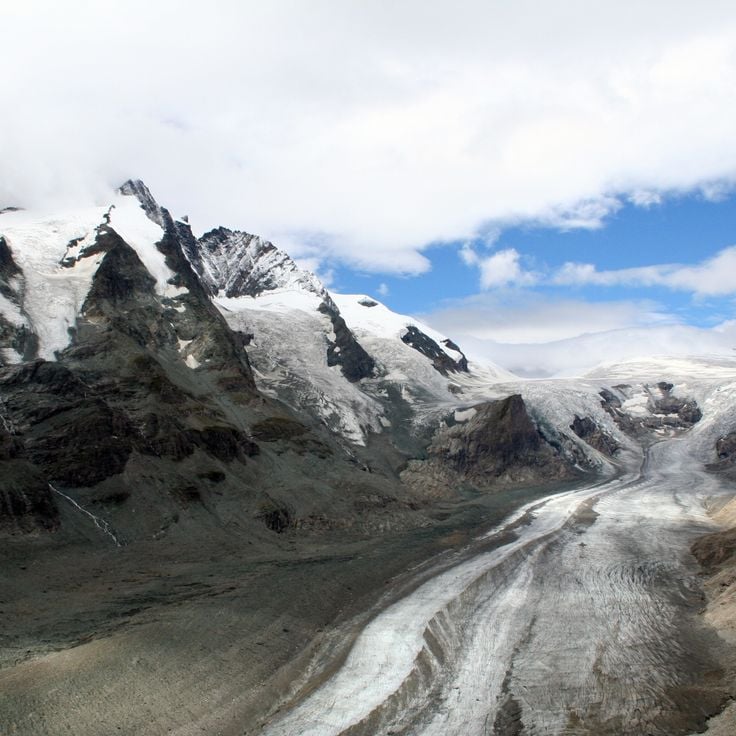
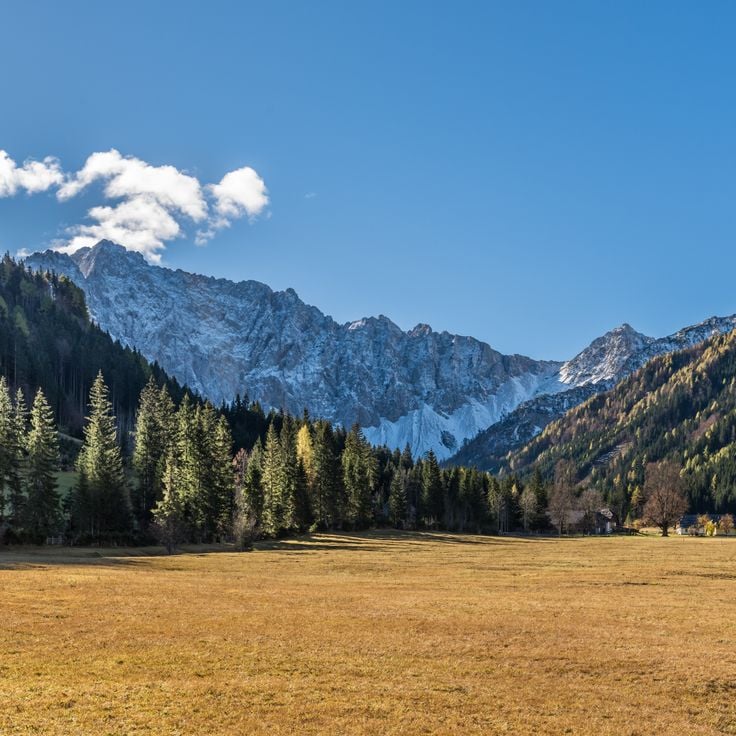
The region of Carinthia, located in the south of Austria near the borders with Slovenia and Italy, is known for its mountain lakes with clear waters and valleys surrounded by mountain peaks. The Wörthersee invites swimmers in summer, while Weissensee stays peaceful even during busy times. The Grossglockner mountain road winds through the Alps and offers views of Austria's highest peak.
Cities like Klagenfurt and Villach have old parts with arcades and squares filled with cafes. There are also several castles from the past, including Hochosterwitz on a rocky hill, reached through a series of fortified gates. Baroque monasteries, gorges carved from limestone, and natural parks fill this area where nature and history meet every day.
Tourist sites in Carinthia: mountain lakes, mountains and villages
The region of Carinthia, located in the south of Austria near the borders with Slovenia and Italy, is known for its mountain lakes with clear waters and valleys surrounded by mountain peaks. The Wörthersee invites swimmers in summer, while Weissensee stays peaceful even during busy times. The Grossglockner mountain road winds through the Alps and offers views of Austria's highest peak.
Cities like Klagenfurt and Villach have old parts with arcades and squares filled with cafes. There are also several castles from the past, including Hochosterwitz on a rocky hill, reached through a series of fortified gates. Baroque monasteries, gorges carved from limestone, and natural parks fill this area where nature and history meet every day.
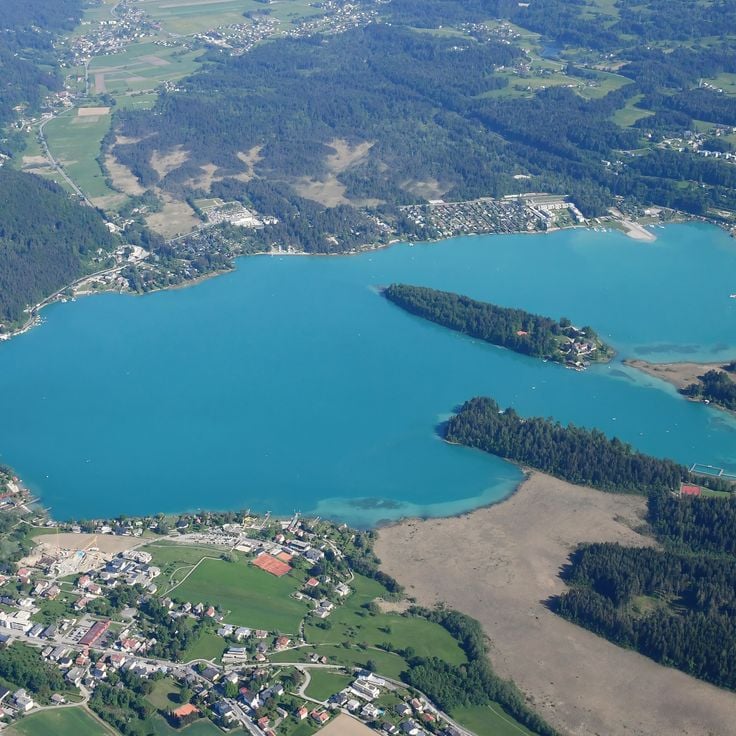
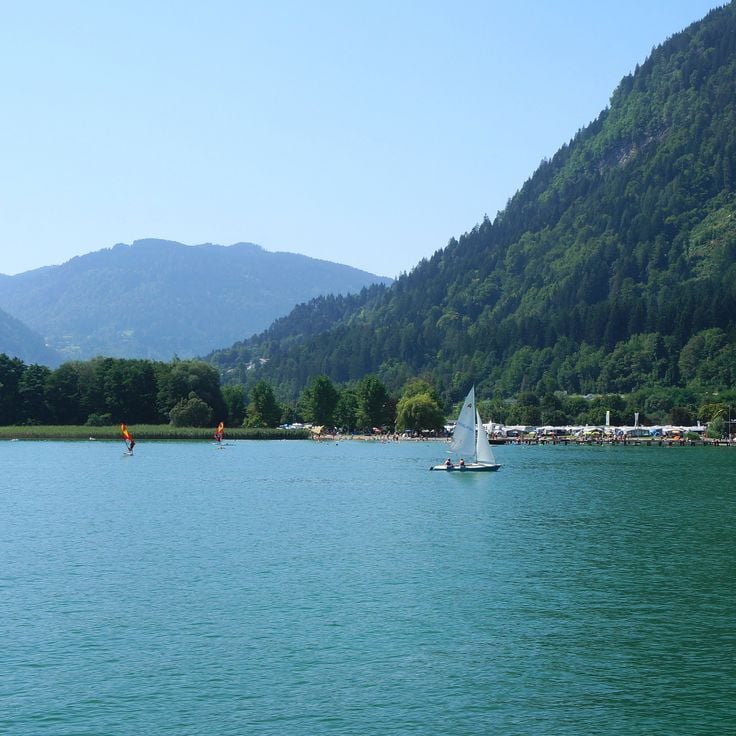
Lake Faaker See sits near Villach and is one of the warmest lakes in Carinthia. Its shoreline features green meadows and forests that frame the surrounding mountains. The lake invites swimming, sailing, and boating. Along the banks you find small beaches, cafes, and restaurants where visitors can sit and watch the water. It is a place where locals spend their free time and families walk in summer.
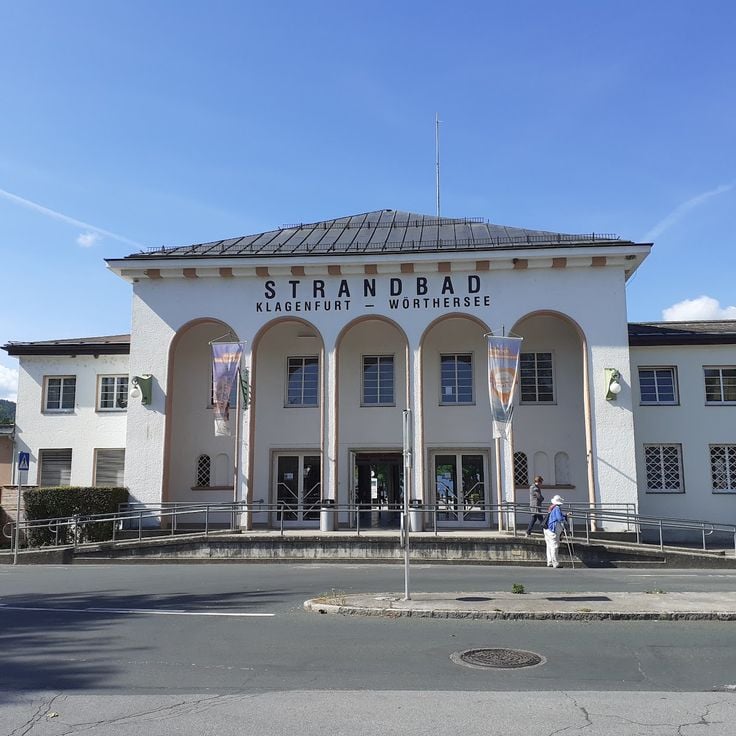
The Strandbad Klagenfurt is located on the Wörthersee and serves as a beach for swimming and water activities. The shoreline attracts visitors during warm months who enjoy the clear water and views of the surrounding mountains. Its position near the city center makes it accessible for both locals and travelers.
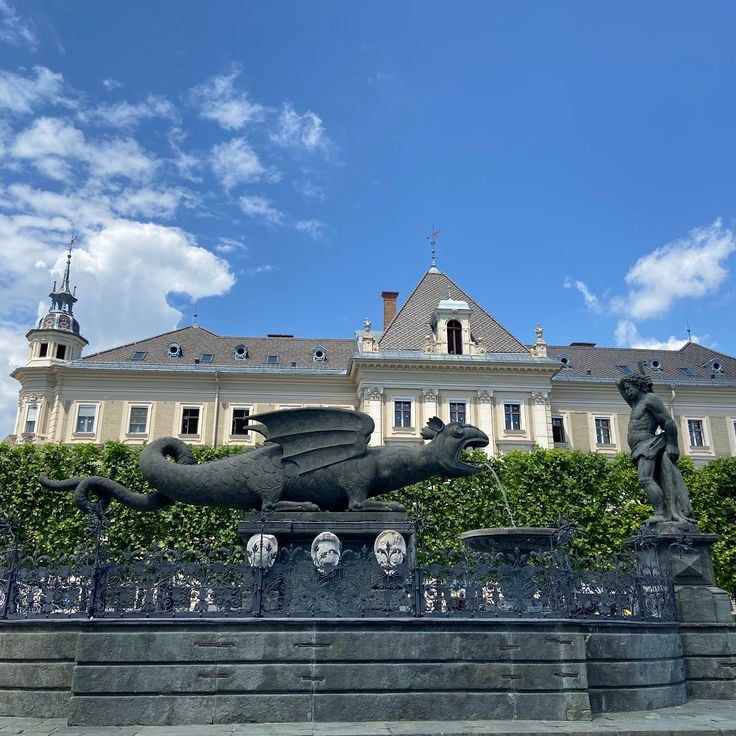
Neuer Platz is the main square at the heart of Klagenfurt's old town. The Lindwurm, a dragon statue that represents the city's coat of arms, stands on this square and has been a symbol of Klagenfurt for centuries. Around the square you see buildings with arcades and Renaissance and Baroque facades. Cafes and shops line the square, creating a place where locals and visitors meet and sit. Walking through the square gives a sense of how Klagenfurt has developed over time, mixing its historical character with everyday life.
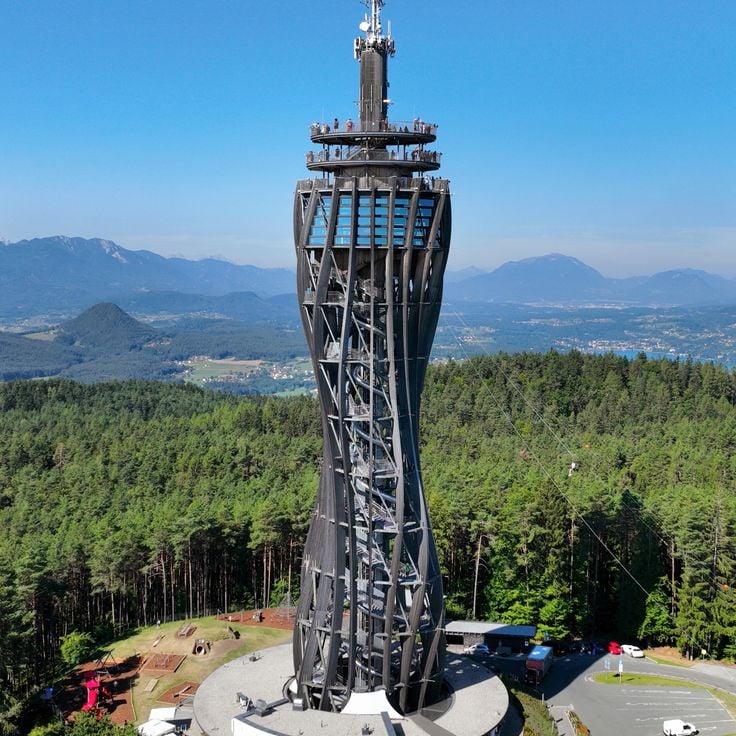
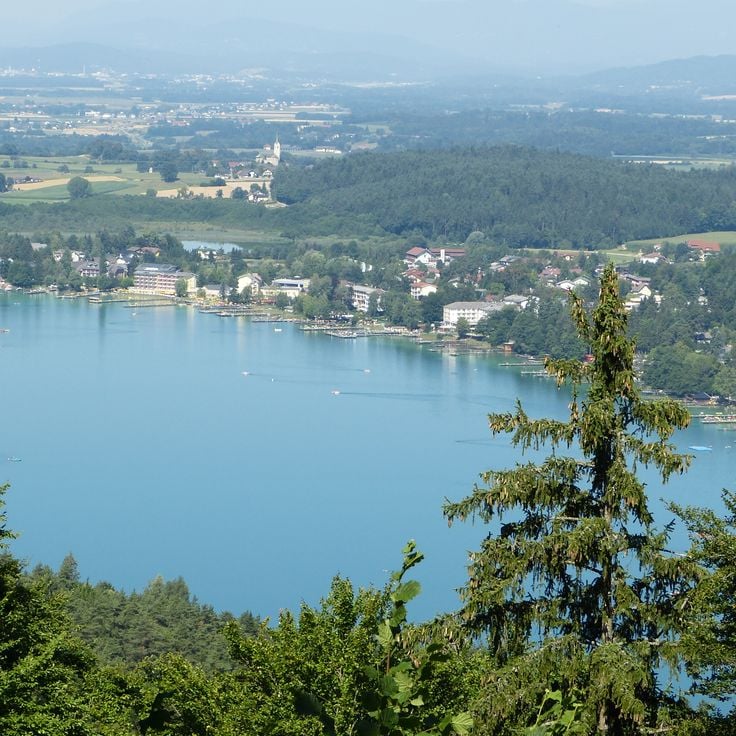
Pyramidenkogel is an observation tower near Keutschach am See that offers views across Wörthersee and the surrounding landscape. The tower rises from a forested hill and provides visitors with a wide view of the lakes and valleys that characterize Carinthia. On clear days, the alpine peaks in the distance come into view. The path up winds through forest and open areas, revealing the panorama gradually as you climb.
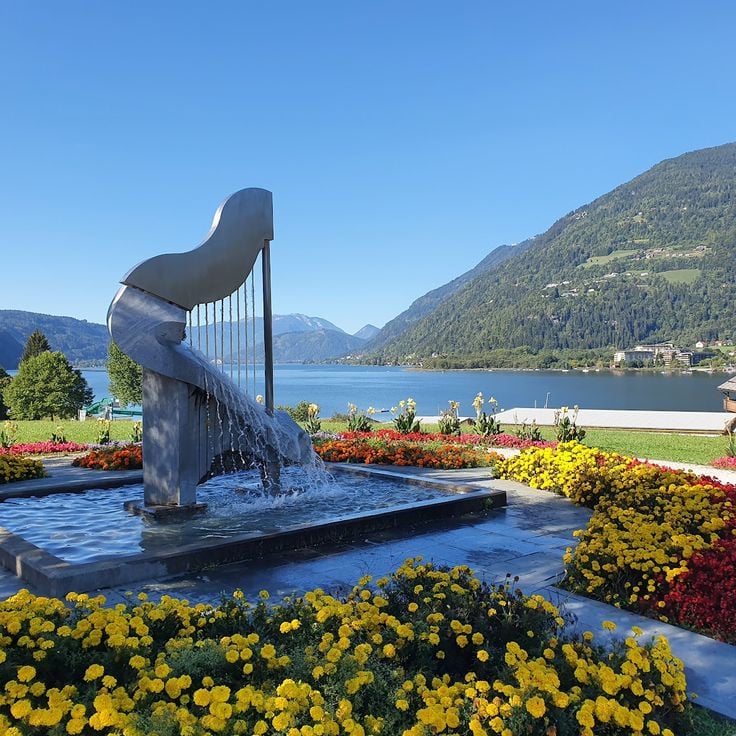
Lake Wörthersee is the largest lake in Carinthia and sits in the Klagenfurt region. In summer, many people come to swim and relax on its shores. Small villages and beaches line the water, offering places to walk and sit at cafes. Mountains in the distance frame the lake and create a peaceful setting. The water warms up enough for swimming, and many visitors enjoy water sports here.
Velden am Wörthersee is a small town situated on the shores of Lake Wörther, known for its lively harbor and scenic waterfront promenade. The town attracts visitors who appreciate the direct access to the lake and opportunities for swimming and sailing. Life here follows a relaxed rhythm, with local restaurants and cafes lining the waterside. Along the water, you can watch boats coming and going and experience the busy activity of the harbor, especially during warmer months. The town retains the character of a traditional Austrian lakeside resort with contemporary amenities.
Drobollach am Faaker See is a village on the shores of Faaker Lake, known for its beaches and swimming areas. The lake sits near the Slovenian border and is characterized by its clear water and surrounding mountains. The village provides visitors with opportunities to swim and walk along the water. The surrounding region, with its alpine landscapes and small mountain villages, attracts people seeking nature and water activities. Drobollach is part of Carinthia's diverse lake landscape, where mountains and lakes shape daily life.
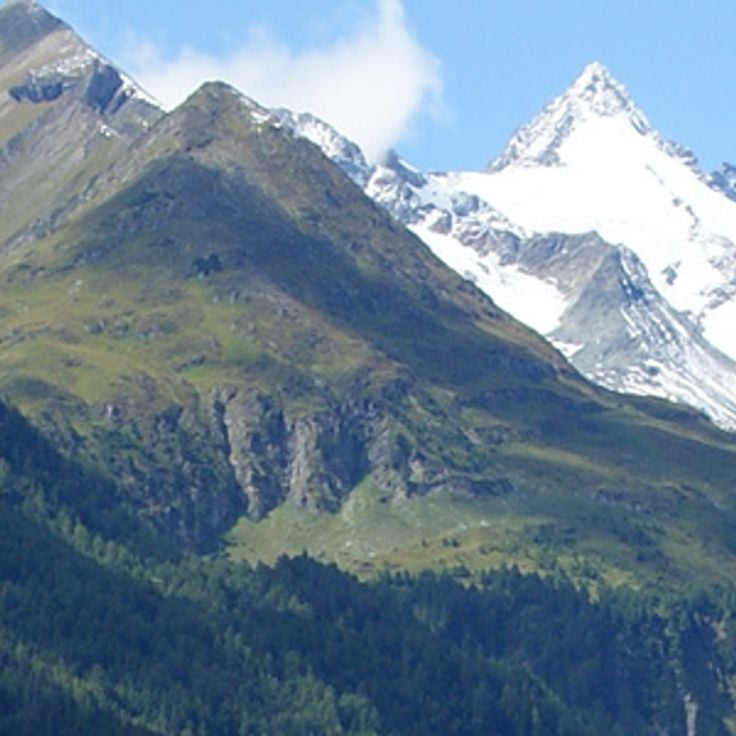
Heiligenblut am Grossglockner is a village at the foot of Austria's highest mountain, attracting hikers and climbers from around the world. The local church holds centuries of history and sits at the heart of village life. From here, views reach across the glacier landscape and surrounding alpine peaks. The village marks an important stop on the route to Grossglockner and serves as a starting point for mountain tours. What visitors find here is straightforward hospitality, proximity to nature, and direct access to alpine experiences.
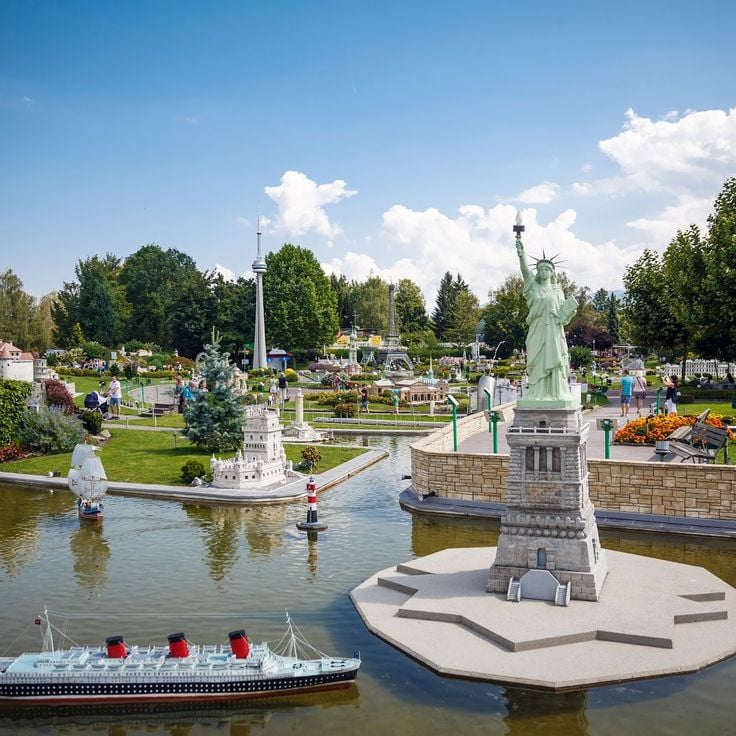
Minimundus is a miniature park in Klagenfurt where famous buildings from around the world appear in small scale. The park displays detailed replicas of monuments and landmarks from many countries and cultures. You can see structures from Europe, Asia, America and other continents all in one place. Walking through the grounds, you encounter architectural works that are normally spread across different parts of the globe. It is a place where visitors can explore world monuments without traveling far.
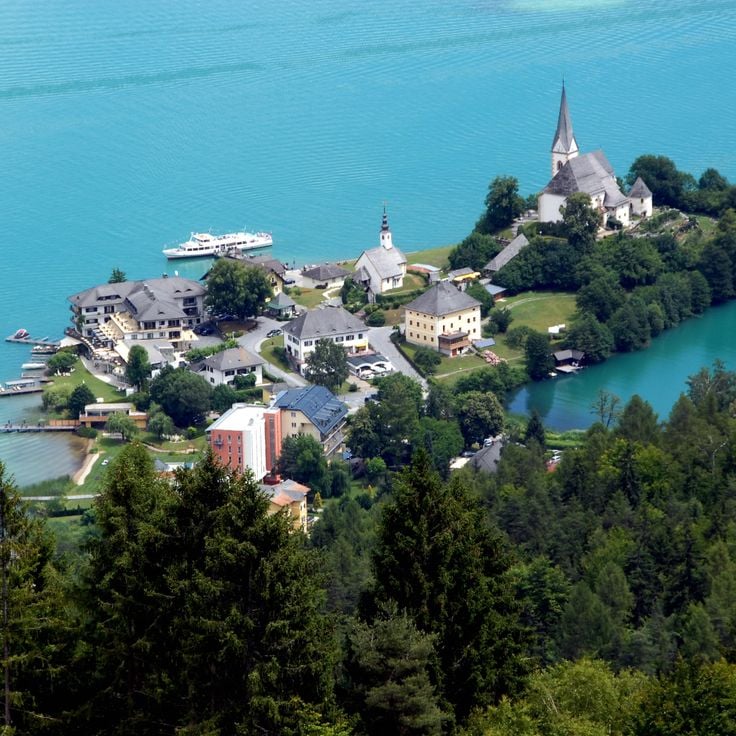
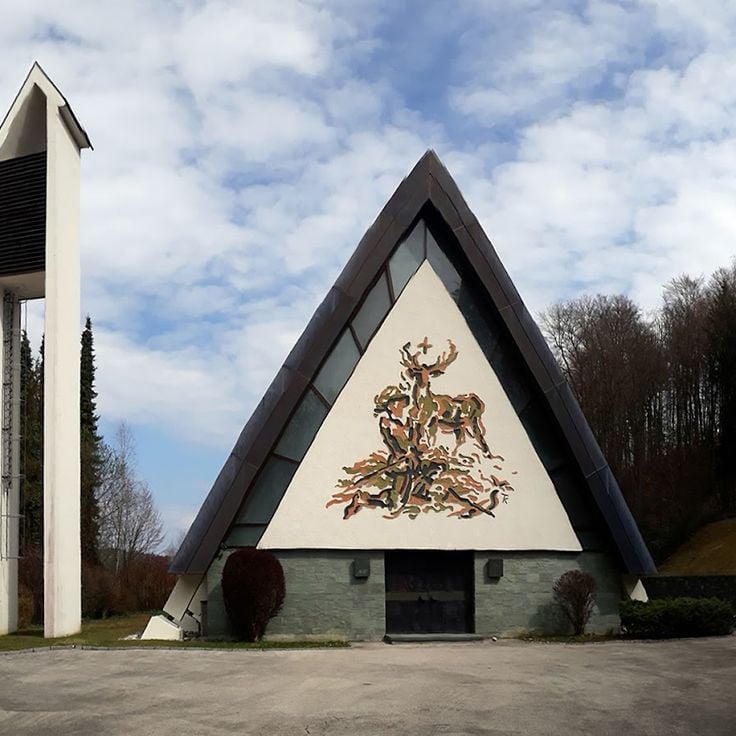
Maria Wörth is a historic church on the shore of Lake Wörthersee in Carinthia. The church sits on a peninsula and can be reached from both sides. This building is an important landmark in a region where history and nature come together. Visitors come here to see the architecture and enjoy the lakeside setting.
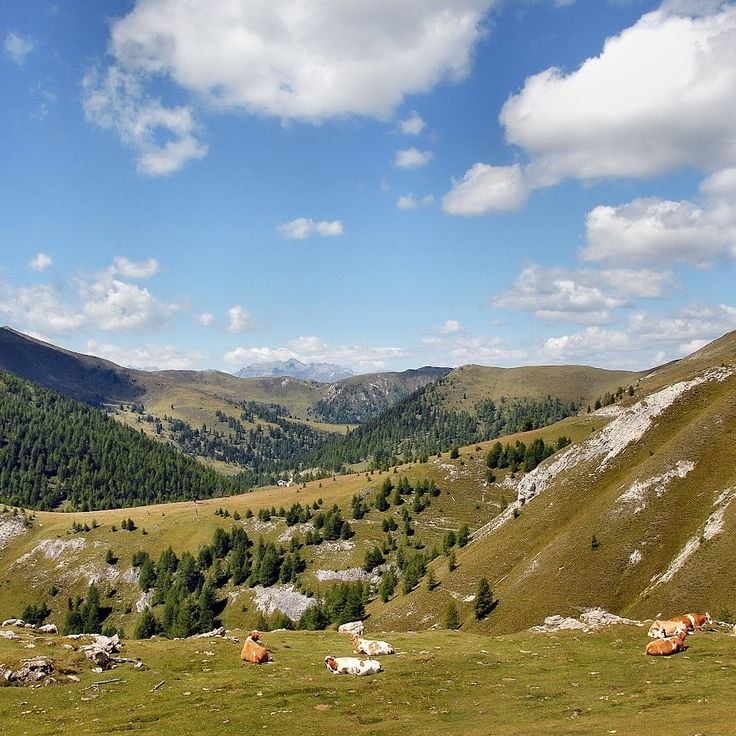
The Biospharenpark Nockberge is a UNESCO biosphere reserve in the Nock Mountains in Carinthia, Austria. It protects the alpine ecosystems of this distinctive mountain landscape. The Nock Mountains are characterized by lower peaks with rolling slopes and deep valleys, setting them apart from other Alpine regions. Visitors can explore the natural diversity through hiking and experience traditional Alpine farming practices that have shaped this area for generations.
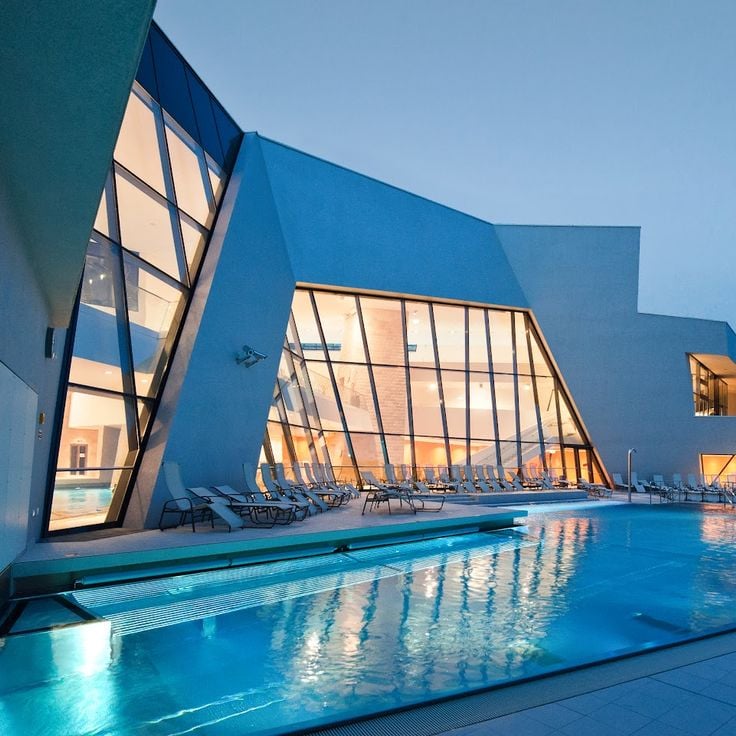
Warmbad Villach is a thermal spa in southern Austria, in the Carinthia region known for its mountain lakes and alpine valleys. The natural hot springs of the spa invite you to bathe and relax. The spa sits in Villach, a city with a historic center and arcaded streets. Warmbad Villach is a place where you can use the natural warmth of the area and rest while enjoying the alpine landscape of the surrounding mountains and lakes.
The Grossglockner High Alpine Road connects Carinthia to Tyrol through the Alps. This mountain pass winds upward in tight curves and offers views of Austria's highest peak, the Grossglockner. The drive itself is the main experience: along the way you pass alpine meadows, rock formations, and small chapels. On clear days, you can see across several valleys from above. The road is open only during warmer months and attracts drivers who come for the winding curves and mountain landscape.
Kaiser Franz Josefs Höhe is a viewpoint on the Grossglockner High Alpine Road in Carinthia. From this vantage point, you can look out over the Pasterze Glacier and the Grossglockner, Austria's highest mountain. The road winds through alpine terrain with several stops along the way, each offering views of peaks and valleys. The viewpoint sits at approximately 8000 feet (2400 meters) and draws visitors who want to see the mountains up close.
Ossiach is a village on the shores of the Ossiacher See in Carinthia. The Benedictine abbey is the defining feature of the place, with roots going back many centuries. The lake is surrounded by mountains and offers swimming and relaxation. The village keeps its rural character while the abbey draws those curious about architecture and religious history.
The Nockalmstrasse is a mountain road that winds through the Nockberge range, offering drivers and cyclists views of alpine terrain. Along the route, you pass through meadows, forests, and see valleys below. The road connects several small communities and serves as a way to explore the region's natural landscape. In summer months, it is open to traffic and draws visitors seeking to experience the mountains.
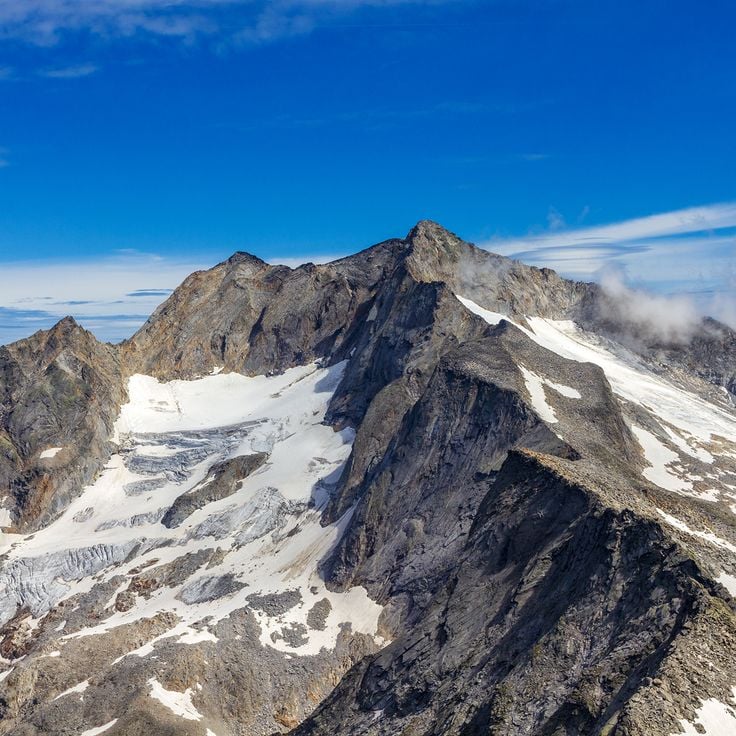
Hohe Tauern National Park is a vast protected area in Carinthia that spreads across mountains, valleys and glaciers. Visitors find wild mountain landscapes with snow-capped peaks, deep gorges and clear alpine lakes. The park is home to rare plants and animals that live in these high altitudes. Hikers can walk along numerous trails through the landscape and experience the power of the mountains. In winter, the scenery transforms into a snowy wilderness.
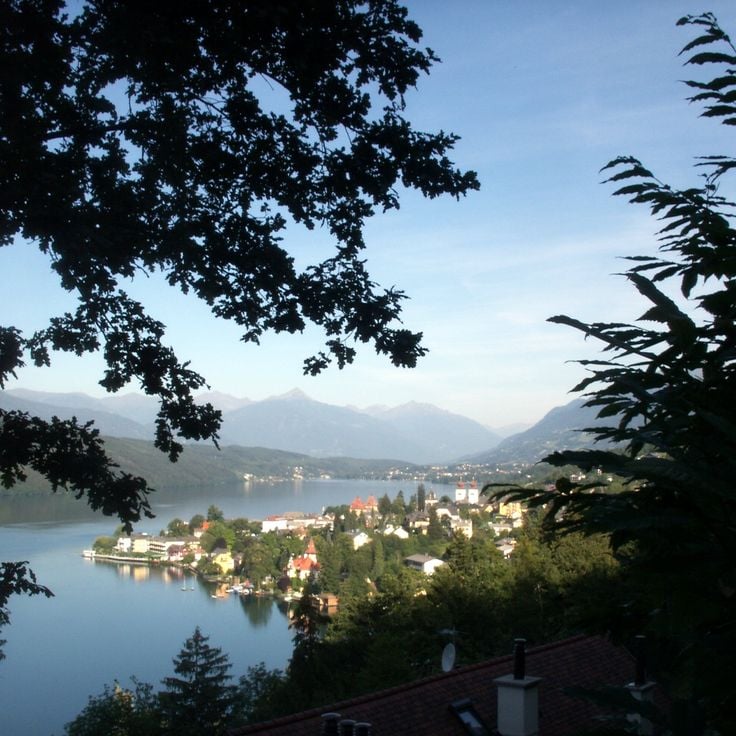
Lake Millstatter See is one of the alpine lakes in Carinthia, surrounded by mountain peaks. Small villages sit along its shores where life moves at a steady pace. The water runs deep and dark blue between the mountains. People come here to swim, walk along the shores, or simply to watch the peaks. The landscape shows how nature and human settlement coexist in this region.
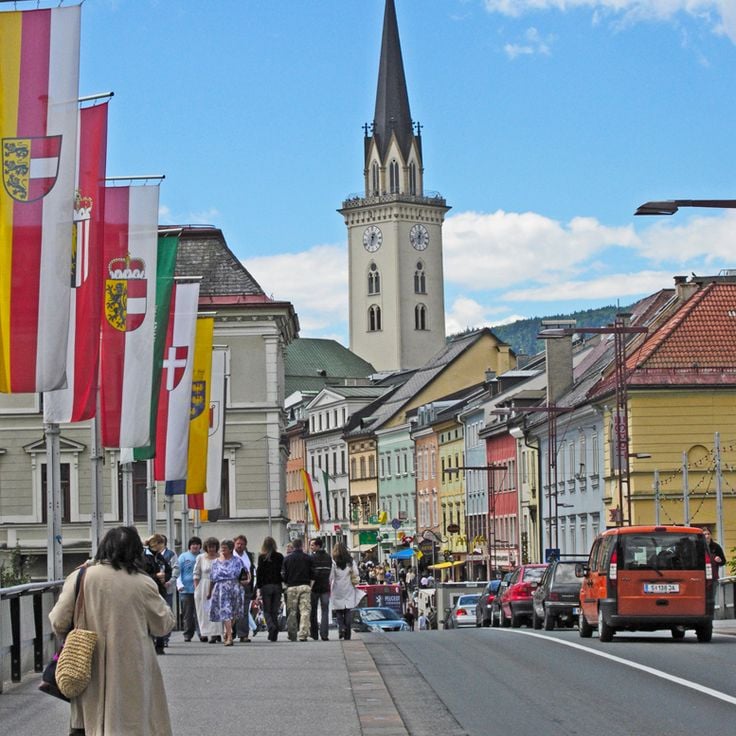
Villach is the second city in Carinthia and its historic center reflects the character of an alpine town. The city has arcaded streets, squares with cafes, and sits along the Drau River. From here you can easily reach the lakes and mountains of the region.
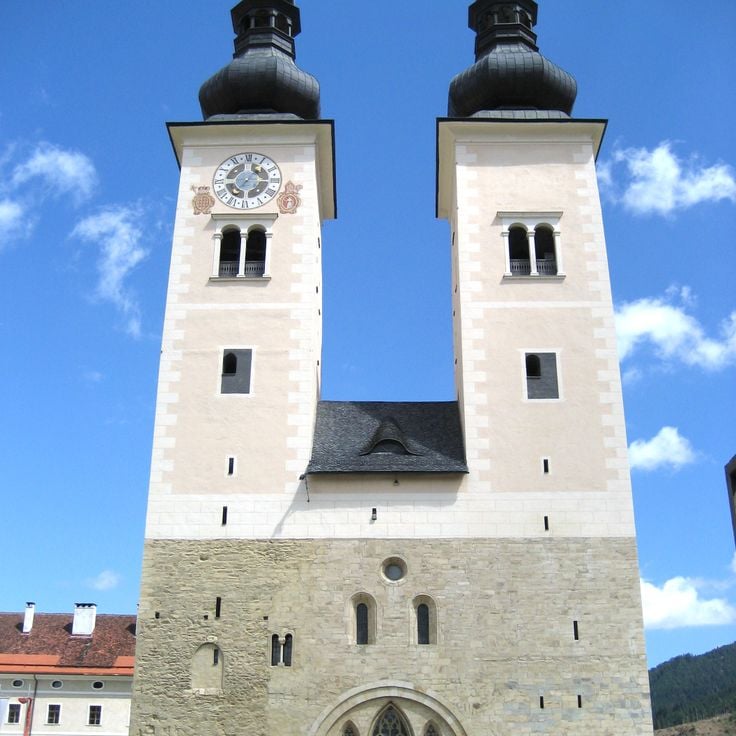
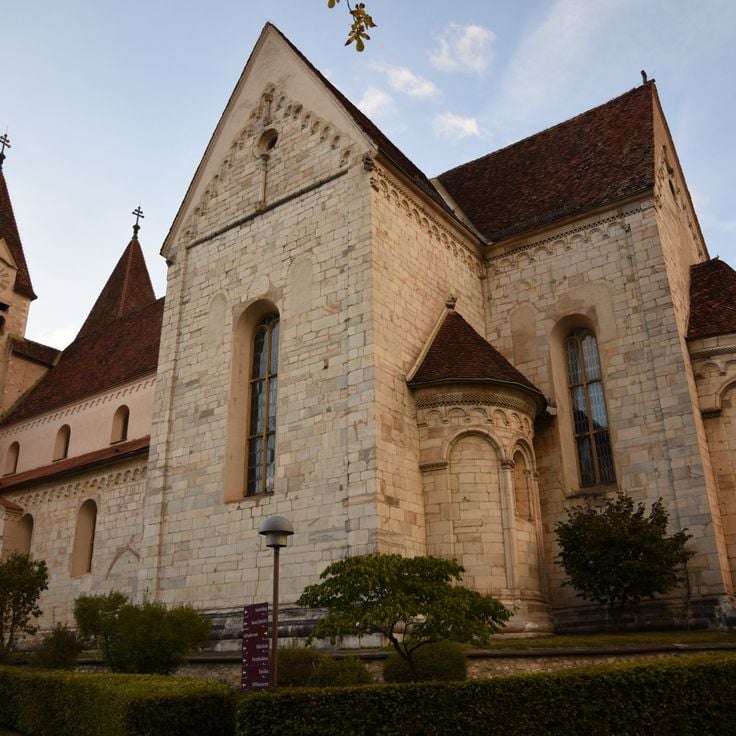
Gurk Cathedral is a Romanesque cathedral located in Gurk, Carinthia, and displays impressive architectural features from this period. The cathedral shapes the village landscape with its structure and houses significant artistic works. It stands in a valley of the Carinthian Alps and serves as the center of religious life in the region. Visitors can admire the Romanesque structure and the artworks inside.
Millstatt am See sits on the shores of Millstatter Lake in Carinthia. The village centers around a Benedictine abbey that has shaped the community for centuries. Visitors come here to swim, boat, or walk along the water's edge. The historic center has old buildings facing the lakefront promenade, and the lake's clear water invites swimming. During summer months, the village fills with travelers drawn to its mix of history and water activities.
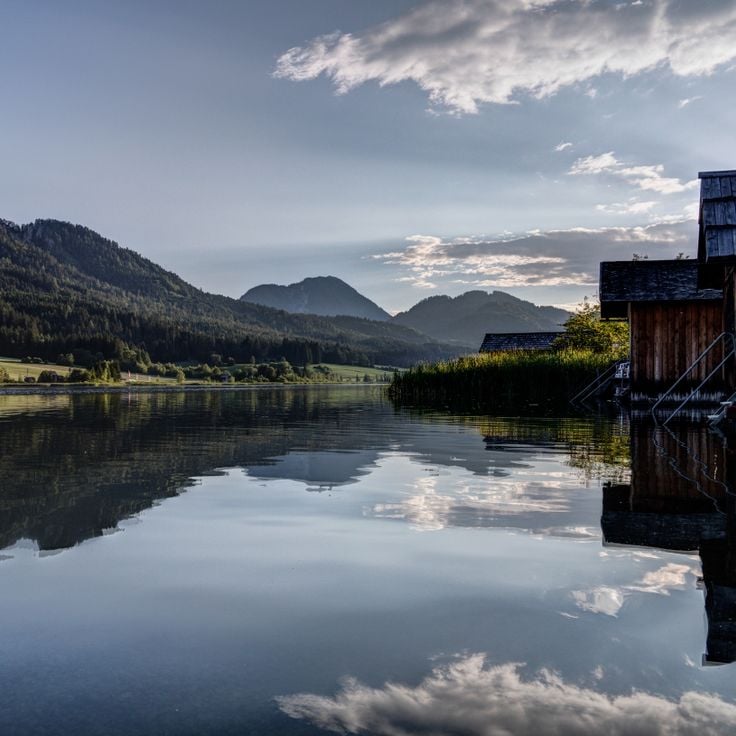
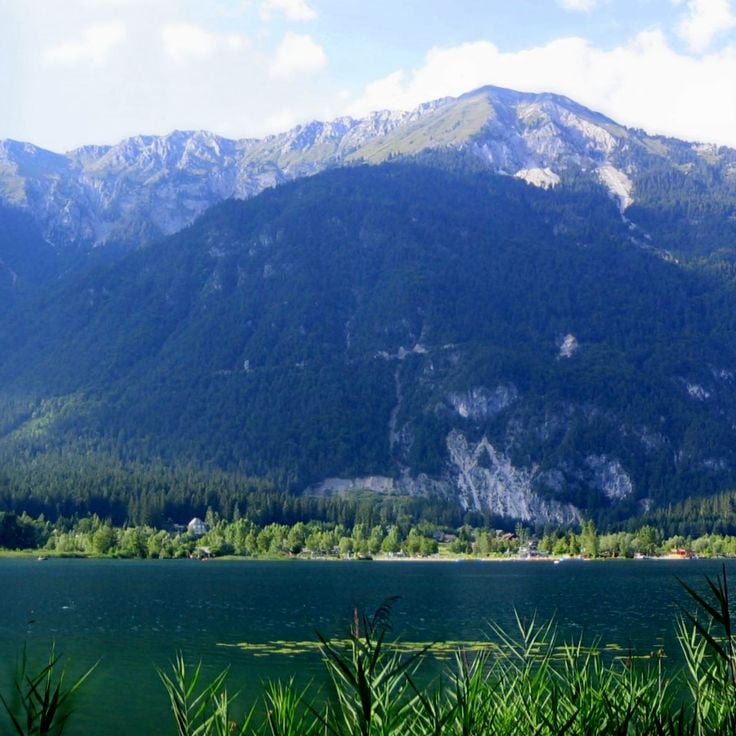
Weissensee is an alpine lake in Carinthia that sits in a quiet corner of the Austrian Alps. In summer, hikers come here to explore the surrounding mountain slopes and enjoy the clear waters. In winter, the lake transforms into a place for ice skating and other winter activities. The lake maintains its peaceful character even during peak season, when other waters in the region fill with visitors.
Lake Ossiacher See sits in Carinthia in southern Austria. Towns and villages dot the shoreline around the water. The lake welcomes swimmers and water sports enthusiasts. Along the shores you find beaches and places to relax. The villages nearby have restaurants and shops. Mountains frame the water and shape what you see from the banks.
Nassfeld is a mountain area in the Gailtal valley in Carinthia that offers hiking and outdoor activities. The landscape features alpine routes through meadows and forests, and provides access to higher peaks. In winter, people come for skiing on the slopes. The area combines proximity to nature with opportunities for year-round activities.
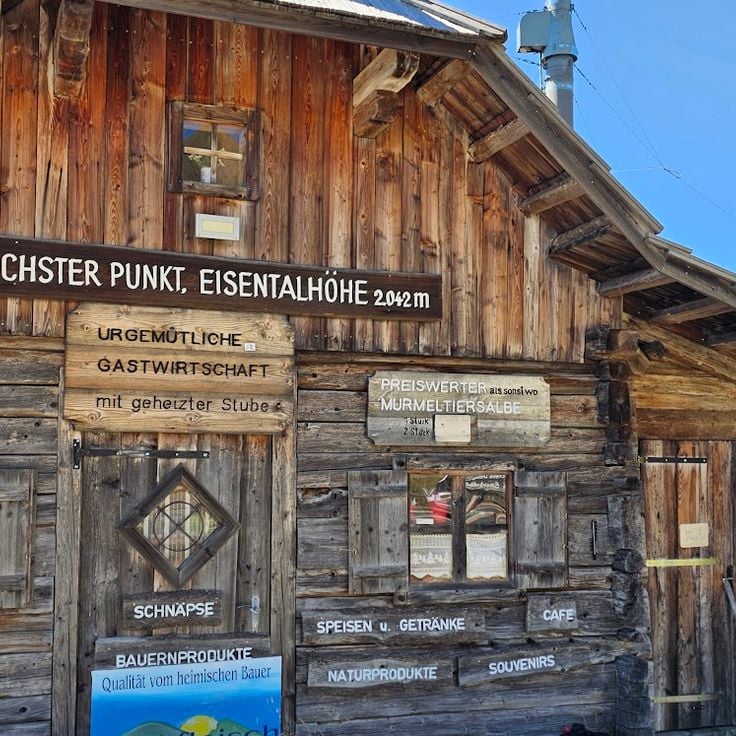
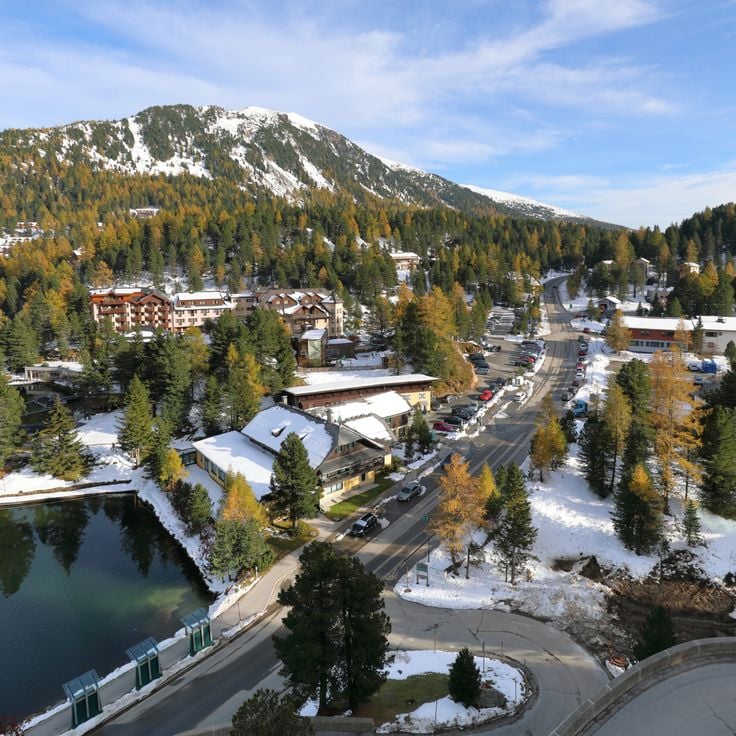
Turracher Höhe is a mountain pass on the border between Carinthia and Styria, where a small lake sits in a high alpine setting. The location offers hiking trails through alpine meadows and views of the surrounding peaks. In summer, hikers come here to explore the high-altitude paths, while in winter skiers use the slopes. The lake itself rests quietly among rocks and fir trees. This pass connects two Austrian regions and shows the raw beauty of the Alps.
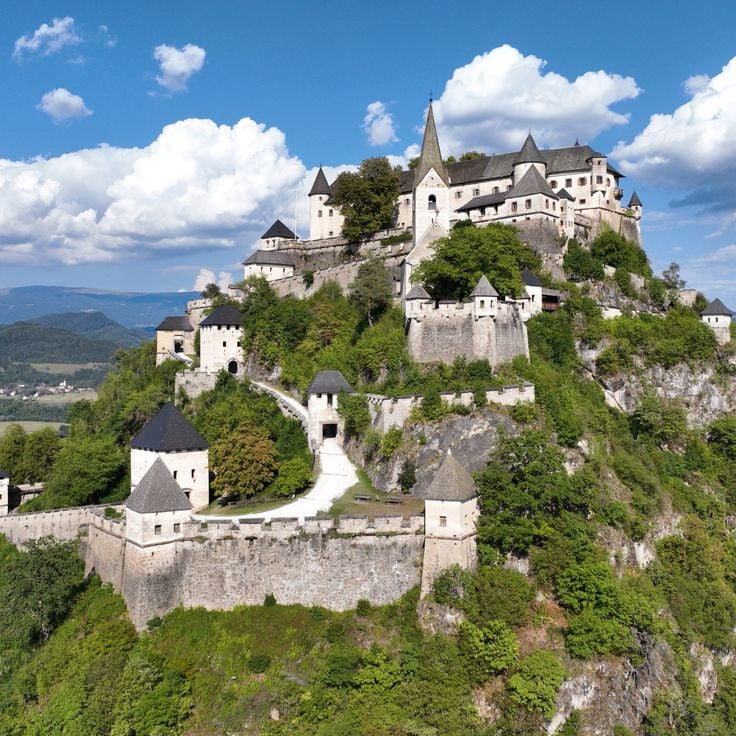
This castle sits on a steep rocky hilltop near Sankt Veit an der Glan, towering over the surrounding landscape. You reach it by climbing through a series of fortified gates and sturdy walls that mark your path upward. Inside, you will find rooms that show the history of centuries, along with views across the countryside. The light changes how the castle looks throughout the day, giving it different moods as you explore.
The Klopeiner See sits in southern Carinthia and is the warmest lake in the region. Its shores are lined with beaches where people gather during the summer months. The water reaches temperatures that make swimming comfortable. Small towns and villages dot the shoreline, with restaurants and cafés serving visitors. Forests and meadows surround the lake, creating a peaceful setting.
St. Paul Abbey in the Lavant Valley sits in a green landscape in Carinthia and shows how Benedictine monks shaped this place over centuries. The monastery has a church with Baroque decoration, old buildings from different periods, and collections that tell the region's history. Visitors can walk through the rooms and see how the monks lived and worked here. The abbey is in a quiet area, surrounded by fields and mountains, and feels like a place where time moves slowly.
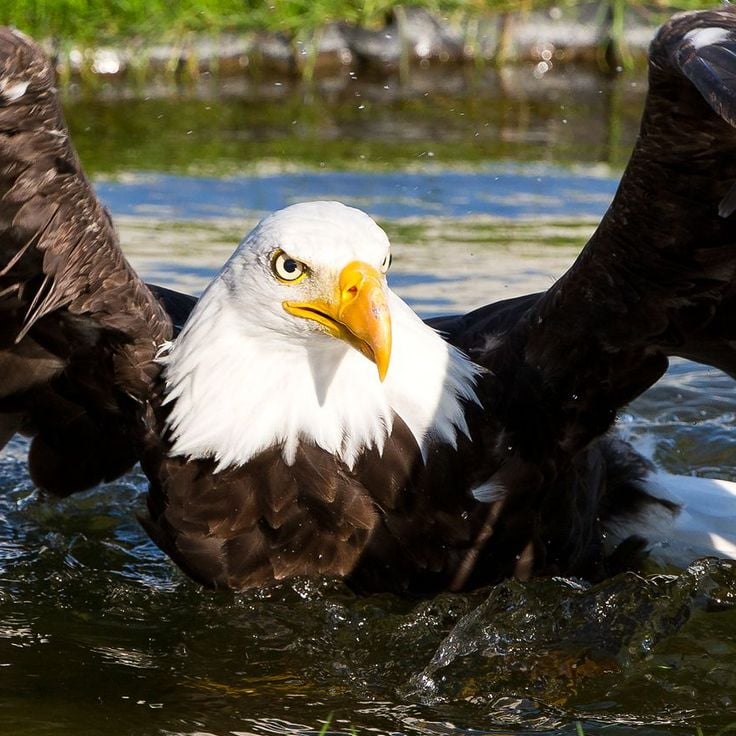
Adler Arena Burg Landskron presents flight displays of eagles, falcons, and other raptors among the ruins of the medieval Landskron castle. Visitors sit in an amphitheater and watch as the birds fly over the castle grounds and demonstrate their abilities. The arena connects nature and history by using the historic setting of the castle. The experience allows you to see these powerful birds up close and learn about their biology and behavior.
Pressegger See is a mountain lake in the Gailtal where families spend relaxed days by the water. The lake stays warm in summer and invites swimming. Sandy beaches and grassy areas line the shore, perfect for children to play and explore. Mountains surround the lake, and the water is clear enough to see into. Restaurants and shops sit nearby, and visitors can rent pedal boats, hike around the shore, or simply rest by the water.
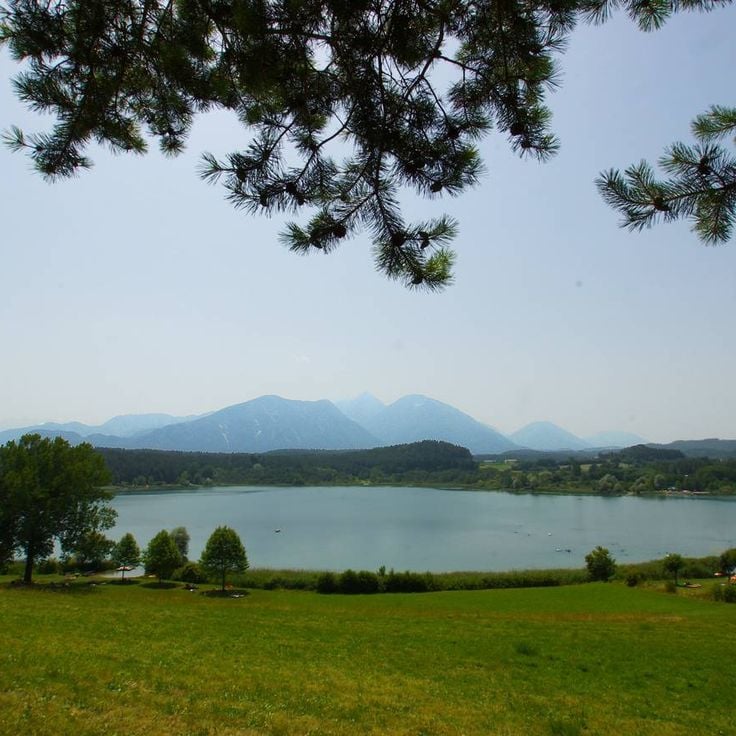
Lake Turnersee sits in southern Carinthia, surrounded by forested slopes and fed by mountain streams. The lake has clear water where swimmers and anglers spend their days during summer months. Footpaths and cycling routes run along the shoreline, passing through the surrounding woods. The lake attracts visitors who want to swim, fish, or walk in the quiet landscape.
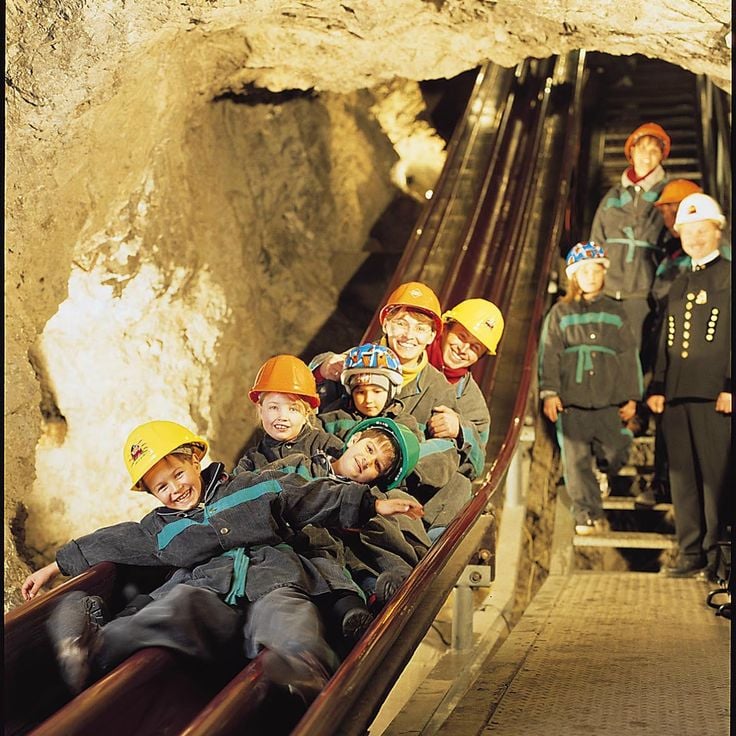
Terra Mystica et Terra Montana in Bad Bleiberg is a former mine that welcomes visitors today. The old mine has been converted into a place where you can discover the history of mining in this region. Exhibitions show how people once extracted ore from the mountain and what tools they used. You can descend into the tunnels and understand the working conditions of the miners. The site tells the story of mining's economic importance to Carinthia over several centuries.
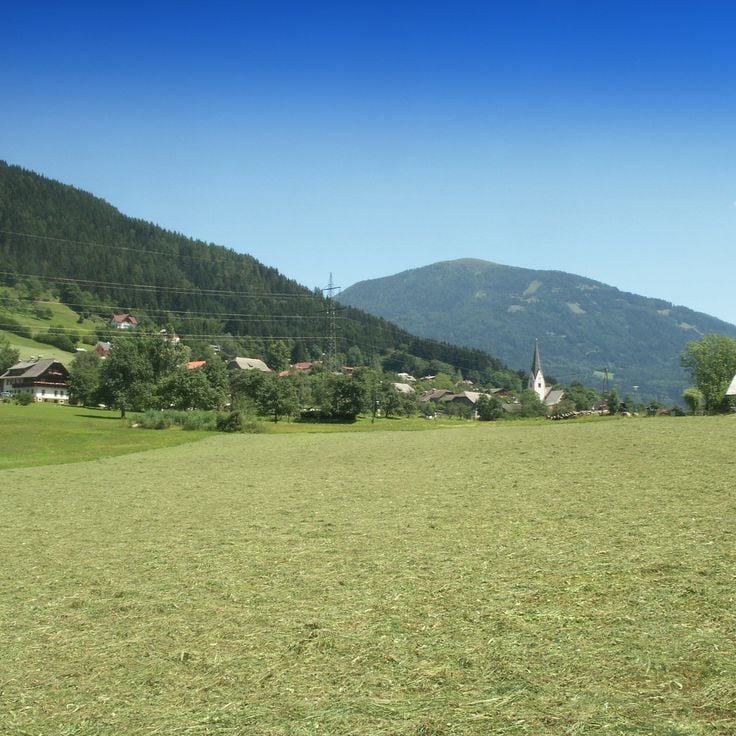
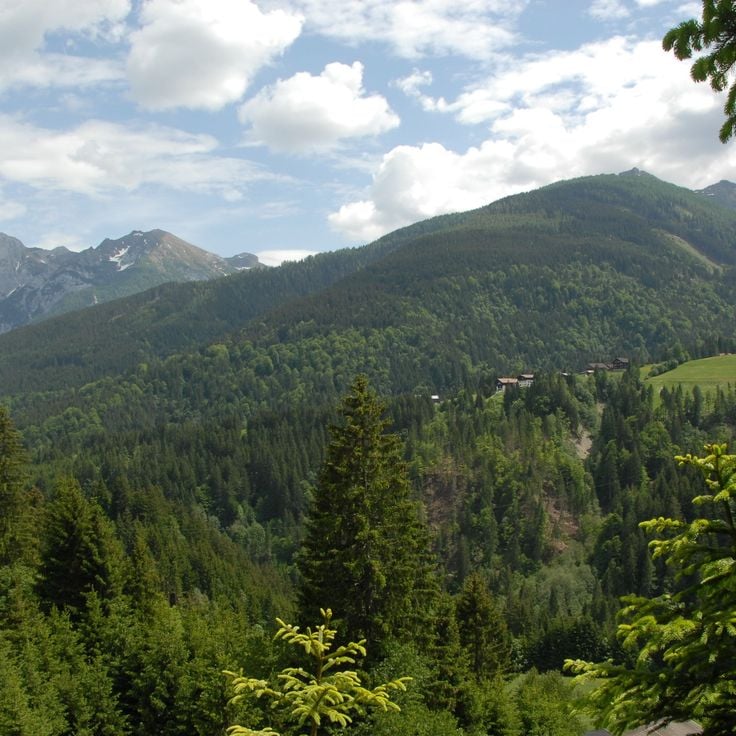
Lesachtal is an alpine valley in Upper Carinthia that features traditional villages and rural landscapes. Visitors find original mountain villages with typical architecture, where life is still shaped by the seasons and local traditions. The valley offers hiking trails through green meadows and forests, passing small farms and mountain pastures. The villages preserve old crafts, and residents live according to nature's rhythm. It is a place where you can experience simple Alpine culture in Austria.
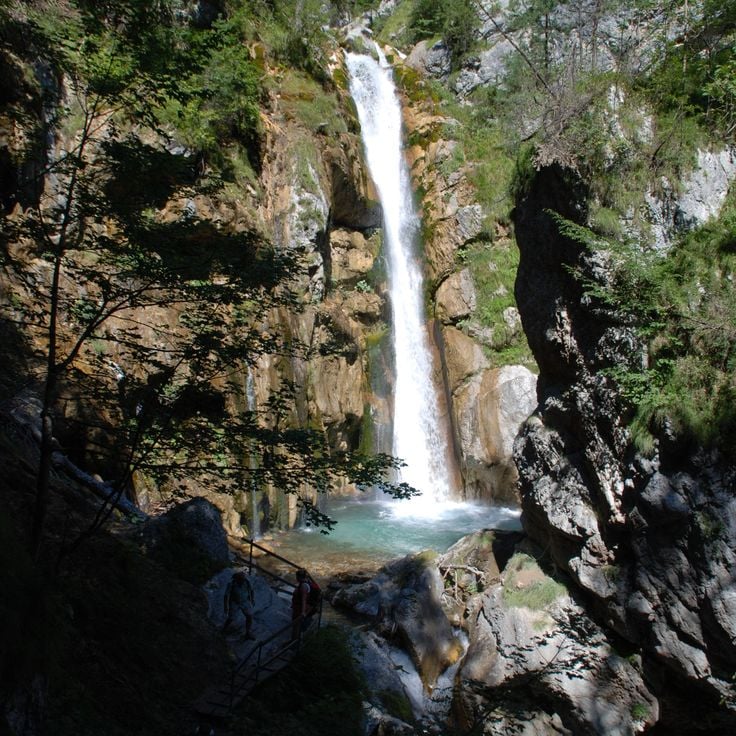
Tscheppaschlucht is a gorge carved through limestone with steep rock walls and a stream flowing beneath them. The water has shaped the rock over time, creating the narrow passage that visitors walk through today. The steep sides tower above, and the sound of flowing water fills the space. Located near Ferlach in Carinthia, this gorge demonstrates how rivers work on stone. The passage is part of the natural landscape that defines the region.
Bodental is a valley in the Karawanken range where hikers can explore varied alpine landscapes. Located in Carinthia, this valley offers different trails through forests and mountain meadows. Visitors can experience how walking routes connect people to the natural surroundings in this region.
Malta Hochalmstrasse is a mountain road in Maltatal that winds through impressive Alpine scenery. Along the way, you see several waterfalls cascading down the mountainsides and views of the dam nestled in the valley below. The road climbs higher with each turn, revealing new perspectives of the surrounding peaks and the gorge beneath. For visitors who enjoy mountain drives and natural landscapes, this route offers rewarding views at every bend.
The Dobratsch Nature Park lies near Villach and protects mountain ecosystems in the Carinthian region. The park spreads across hillsides with forests and alpine meadows, where hikers can explore nature on marked trails. From the summit, views open onto surrounding valleys and the border toward Slovenia.
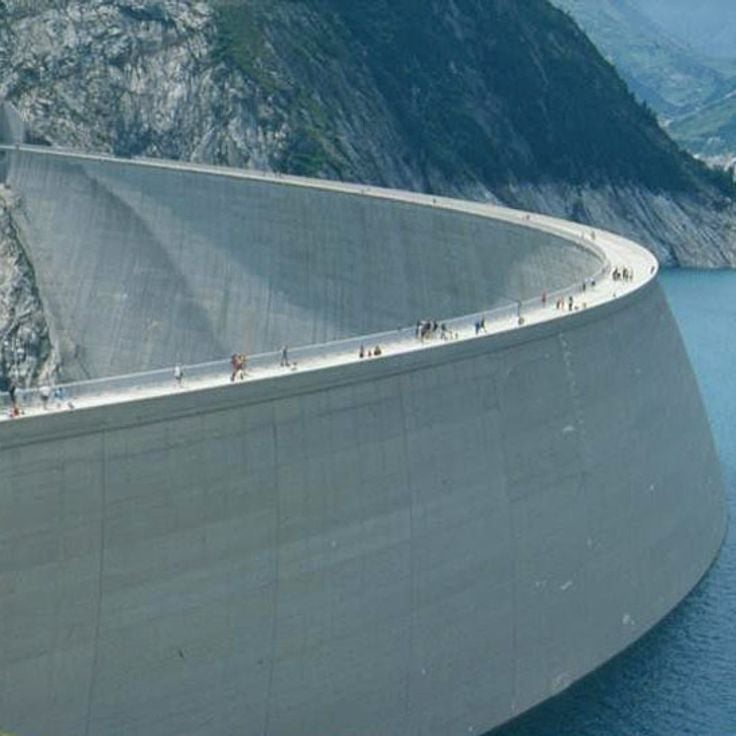
The Kolnbrein Dam is a hydroelectric facility in the Maltatal valley where visitors can reach viewing platforms with vistas across the valley and surrounding mountains. The dam demonstrates how water power is harnessed in these Alpine regions while allowing people to experience the mountain landscape of Carinthia from high vantage points.
Lake Faaker See sits near Villach and is one of the warmest lakes in Carinthia. Its shoreline features green meadows and forests that frame the surrounding mountains. The lake invites swimming, sailing, and boating. Along the banks you find small beaches, cafes, and restaurants where visitors can sit and watch the water. It is a place where locals spend their free time and families walk in summer.
The Strandbad Klagenfurt is located on the Wörthersee and serves as a beach for swimming and water activities. The shoreline attracts visitors during warm months who enjoy the clear water and views of the surrounding mountains. Its position near the city center makes it accessible for both locals and travelers.
Neuer Platz is the main square at the heart of Klagenfurt's old town. The Lindwurm, a dragon statue that represents the city's coat of arms, stands on this square and has been a symbol of Klagenfurt for centuries. Around the square you see buildings with arcades and Renaissance and Baroque facades. Cafes and shops line the square, creating a place where locals and visitors meet and sit. Walking through the square gives a sense of how Klagenfurt has developed over time, mixing its historical character with everyday life.
Pyramidenkogel is an observation tower near Keutschach am See that offers views across Wörthersee and the surrounding landscape. The tower rises from a forested hill and provides visitors with a wide view of the lakes and valleys that characterize Carinthia. On clear days, the alpine peaks in the distance come into view. The path up winds through forest and open areas, revealing the panorama gradually as you climb.
Lake Wörthersee is the largest lake in Carinthia and sits in the Klagenfurt region. In summer, many people come to swim and relax on its shores. Small villages and beaches line the water, offering places to walk and sit at cafes. Mountains in the distance frame the lake and create a peaceful setting. The water warms up enough for swimming, and many visitors enjoy water sports here.
Velden am Wörthersee is a small town situated on the shores of Lake Wörther, known for its lively harbor and scenic waterfront promenade. The town attracts visitors who appreciate the direct access to the lake and opportunities for swimming and sailing. Life here follows a relaxed rhythm, with local restaurants and cafes lining the waterside. Along the water, you can watch boats coming and going and experience the busy activity of the harbor, especially during warmer months. The town retains the character of a traditional Austrian lakeside resort with contemporary amenities.
Drobollach am Faaker See is a village on the shores of Faaker Lake, known for its beaches and swimming areas. The lake sits near the Slovenian border and is characterized by its clear water and surrounding mountains. The village provides visitors with opportunities to swim and walk along the water. The surrounding region, with its alpine landscapes and small mountain villages, attracts people seeking nature and water activities. Drobollach is part of Carinthia's diverse lake landscape, where mountains and lakes shape daily life.
Heiligenblut am Grossglockner is a village at the foot of Austria's highest mountain, attracting hikers and climbers from around the world. The local church holds centuries of history and sits at the heart of village life. From here, views reach across the glacier landscape and surrounding alpine peaks. The village marks an important stop on the route to Grossglockner and serves as a starting point for mountain tours. What visitors find here is straightforward hospitality, proximity to nature, and direct access to alpine experiences.
Minimundus is a miniature park in Klagenfurt where famous buildings from around the world appear in small scale. The park displays detailed replicas of monuments and landmarks from many countries and cultures. You can see structures from Europe, Asia, America and other continents all in one place. Walking through the grounds, you encounter architectural works that are normally spread across different parts of the globe. It is a place where visitors can explore world monuments without traveling far.
Maria Wörth is a historic church on the shore of Lake Wörthersee in Carinthia. The church sits on a peninsula and can be reached from both sides. This building is an important landmark in a region where history and nature come together. Visitors come here to see the architecture and enjoy the lakeside setting.
The Biospharenpark Nockberge is a UNESCO biosphere reserve in the Nock Mountains in Carinthia, Austria. It protects the alpine ecosystems of this distinctive mountain landscape. The Nock Mountains are characterized by lower peaks with rolling slopes and deep valleys, setting them apart from other Alpine regions. Visitors can explore the natural diversity through hiking and experience traditional Alpine farming practices that have shaped this area for generations.
Warmbad Villach is a thermal spa in southern Austria, in the Carinthia region known for its mountain lakes and alpine valleys. The natural hot springs of the spa invite you to bathe and relax. The spa sits in Villach, a city with a historic center and arcaded streets. Warmbad Villach is a place where you can use the natural warmth of the area and rest while enjoying the alpine landscape of the surrounding mountains and lakes.
The Grossglockner High Alpine Road connects Carinthia to Tyrol through the Alps. This mountain pass winds upward in tight curves and offers views of Austria's highest peak, the Grossglockner. The drive itself is the main experience: along the way you pass alpine meadows, rock formations, and small chapels. On clear days, you can see across several valleys from above. The road is open only during warmer months and attracts drivers who come for the winding curves and mountain landscape.
Kaiser Franz Josefs Höhe is a viewpoint on the Grossglockner High Alpine Road in Carinthia. From this vantage point, you can look out over the Pasterze Glacier and the Grossglockner, Austria's highest mountain. The road winds through alpine terrain with several stops along the way, each offering views of peaks and valleys. The viewpoint sits at approximately 8000 feet (2400 meters) and draws visitors who want to see the mountains up close.
Ossiach is a village on the shores of the Ossiacher See in Carinthia. The Benedictine abbey is the defining feature of the place, with roots going back many centuries. The lake is surrounded by mountains and offers swimming and relaxation. The village keeps its rural character while the abbey draws those curious about architecture and religious history.
The Nockalmstrasse is a mountain road that winds through the Nockberge range, offering drivers and cyclists views of alpine terrain. Along the route, you pass through meadows, forests, and see valleys below. The road connects several small communities and serves as a way to explore the region's natural landscape. In summer months, it is open to traffic and draws visitors seeking to experience the mountains.
Hohe Tauern National Park is a vast protected area in Carinthia that spreads across mountains, valleys and glaciers. Visitors find wild mountain landscapes with snow-capped peaks, deep gorges and clear alpine lakes. The park is home to rare plants and animals that live in these high altitudes. Hikers can walk along numerous trails through the landscape and experience the power of the mountains. In winter, the scenery transforms into a snowy wilderness.
Lake Millstatter See is one of the alpine lakes in Carinthia, surrounded by mountain peaks. Small villages sit along its shores where life moves at a steady pace. The water runs deep and dark blue between the mountains. People come here to swim, walk along the shores, or simply to watch the peaks. The landscape shows how nature and human settlement coexist in this region.
Villach is the second city in Carinthia and its historic center reflects the character of an alpine town. The city has arcaded streets, squares with cafes, and sits along the Drau River. From here you can easily reach the lakes and mountains of the region.
Gurk Cathedral is a Romanesque cathedral located in Gurk, Carinthia, and displays impressive architectural features from this period. The cathedral shapes the village landscape with its structure and houses significant artistic works. It stands in a valley of the Carinthian Alps and serves as the center of religious life in the region. Visitors can admire the Romanesque structure and the artworks inside.
Millstatt am See sits on the shores of Millstatter Lake in Carinthia. The village centers around a Benedictine abbey that has shaped the community for centuries. Visitors come here to swim, boat, or walk along the water's edge. The historic center has old buildings facing the lakefront promenade, and the lake's clear water invites swimming. During summer months, the village fills with travelers drawn to its mix of history and water activities.
Weissensee is an alpine lake in Carinthia that sits in a quiet corner of the Austrian Alps. In summer, hikers come here to explore the surrounding mountain slopes and enjoy the clear waters. In winter, the lake transforms into a place for ice skating and other winter activities. The lake maintains its peaceful character even during peak season, when other waters in the region fill with visitors.
Lake Ossiacher See sits in Carinthia in southern Austria. Towns and villages dot the shoreline around the water. The lake welcomes swimmers and water sports enthusiasts. Along the shores you find beaches and places to relax. The villages nearby have restaurants and shops. Mountains frame the water and shape what you see from the banks.
Nassfeld is a mountain area in the Gailtal valley in Carinthia that offers hiking and outdoor activities. The landscape features alpine routes through meadows and forests, and provides access to higher peaks. In winter, people come for skiing on the slopes. The area combines proximity to nature with opportunities for year-round activities.
Turracher Höhe is a mountain pass on the border between Carinthia and Styria, where a small lake sits in a high alpine setting. The location offers hiking trails through alpine meadows and views of the surrounding peaks. In summer, hikers come here to explore the high-altitude paths, while in winter skiers use the slopes. The lake itself rests quietly among rocks and fir trees. This pass connects two Austrian regions and shows the raw beauty of the Alps.
This castle sits on a steep rocky hilltop near Sankt Veit an der Glan, towering over the surrounding landscape. You reach it by climbing through a series of fortified gates and sturdy walls that mark your path upward. Inside, you will find rooms that show the history of centuries, along with views across the countryside. The light changes how the castle looks throughout the day, giving it different moods as you explore.
The Klopeiner See sits in southern Carinthia and is the warmest lake in the region. Its shores are lined with beaches where people gather during the summer months. The water reaches temperatures that make swimming comfortable. Small towns and villages dot the shoreline, with restaurants and cafés serving visitors. Forests and meadows surround the lake, creating a peaceful setting.
St. Paul Abbey in the Lavant Valley sits in a green landscape in Carinthia and shows how Benedictine monks shaped this place over centuries. The monastery has a church with Baroque decoration, old buildings from different periods, and collections that tell the region's history. Visitors can walk through the rooms and see how the monks lived and worked here. The abbey is in a quiet area, surrounded by fields and mountains, and feels like a place where time moves slowly.
Adler Arena Burg Landskron presents flight displays of eagles, falcons, and other raptors among the ruins of the medieval Landskron castle. Visitors sit in an amphitheater and watch as the birds fly over the castle grounds and demonstrate their abilities. The arena connects nature and history by using the historic setting of the castle. The experience allows you to see these powerful birds up close and learn about their biology and behavior.
Pressegger See is a mountain lake in the Gailtal where families spend relaxed days by the water. The lake stays warm in summer and invites swimming. Sandy beaches and grassy areas line the shore, perfect for children to play and explore. Mountains surround the lake, and the water is clear enough to see into. Restaurants and shops sit nearby, and visitors can rent pedal boats, hike around the shore, or simply rest by the water.
Lake Turnersee sits in southern Carinthia, surrounded by forested slopes and fed by mountain streams. The lake has clear water where swimmers and anglers spend their days during summer months. Footpaths and cycling routes run along the shoreline, passing through the surrounding woods. The lake attracts visitors who want to swim, fish, or walk in the quiet landscape.
Terra Mystica et Terra Montana in Bad Bleiberg is a former mine that welcomes visitors today. The old mine has been converted into a place where you can discover the history of mining in this region. Exhibitions show how people once extracted ore from the mountain and what tools they used. You can descend into the tunnels and understand the working conditions of the miners. The site tells the story of mining's economic importance to Carinthia over several centuries.
Lesachtal is an alpine valley in Upper Carinthia that features traditional villages and rural landscapes. Visitors find original mountain villages with typical architecture, where life is still shaped by the seasons and local traditions. The valley offers hiking trails through green meadows and forests, passing small farms and mountain pastures. The villages preserve old crafts, and residents live according to nature's rhythm. It is a place where you can experience simple Alpine culture in Austria.
Tscheppaschlucht is a gorge carved through limestone with steep rock walls and a stream flowing beneath them. The water has shaped the rock over time, creating the narrow passage that visitors walk through today. The steep sides tower above, and the sound of flowing water fills the space. Located near Ferlach in Carinthia, this gorge demonstrates how rivers work on stone. The passage is part of the natural landscape that defines the region.
Bodental is a valley in the Karawanken range where hikers can explore varied alpine landscapes. Located in Carinthia, this valley offers different trails through forests and mountain meadows. Visitors can experience how walking routes connect people to the natural surroundings in this region.
Malta Hochalmstrasse is a mountain road in Maltatal that winds through impressive Alpine scenery. Along the way, you see several waterfalls cascading down the mountainsides and views of the dam nestled in the valley below. The road climbs higher with each turn, revealing new perspectives of the surrounding peaks and the gorge beneath. For visitors who enjoy mountain drives and natural landscapes, this route offers rewarding views at every bend.
The Dobratsch Nature Park lies near Villach and protects mountain ecosystems in the Carinthian region. The park spreads across hillsides with forests and alpine meadows, where hikers can explore nature on marked trails. From the summit, views open onto surrounding valleys and the border toward Slovenia.
The Kolnbrein Dam is a hydroelectric facility in the Maltatal valley where visitors can reach viewing platforms with vistas across the valley and surrounding mountains. The dam demonstrates how water power is harnessed in these Alpine regions while allowing people to experience the mountain landscape of Carinthia from high vantage points.
Lake Faaker See sits near Villach and is one of the warmest lakes in Carinthia. Its shoreline features green meadows and forests that frame the surrounding mountains. The lake invites swimming, sailing, and boating. Along the banks you find small beaches, cafes, and restaurants where visitors can sit and watch the water. It is a place where locals spend their free time and families walk in summer.
The Strandbad Klagenfurt is located on the Wörthersee and serves as a beach for swimming and water activities. The shoreline attracts visitors during warm months who enjoy the clear water and views of the surrounding mountains. Its position near the city center makes it accessible for both locals and travelers.
Neuer Platz is the main square at the heart of Klagenfurt's old town. The Lindwurm, a dragon statue that represents the city's coat of arms, stands on this square and has been a symbol of Klagenfurt for centuries. Around the square you see buildings with arcades and Renaissance and Baroque facades. Cafes and shops line the square, creating a place where locals and visitors meet and sit. Walking through the square gives a sense of how Klagenfurt has developed over time, mixing its historical character with everyday life.
Pyramidenkogel is an observation tower near Keutschach am See that offers views across Wörthersee and the surrounding landscape. The tower rises from a forested hill and provides visitors with a wide view of the lakes and valleys that characterize Carinthia. On clear days, the alpine peaks in the distance come into view. The path up winds through forest and open areas, revealing the panorama gradually as you climb.
Lake Wörthersee is the largest lake in Carinthia and sits in the Klagenfurt region. In summer, many people come to swim and relax on its shores. Small villages and beaches line the water, offering places to walk and sit at cafes. Mountains in the distance frame the lake and create a peaceful setting. The water warms up enough for swimming, and many visitors enjoy water sports here.
Velden am Wörthersee is a small town situated on the shores of Lake Wörther, known for its lively harbor and scenic waterfront promenade. The town attracts visitors who appreciate the direct access to the lake and opportunities for swimming and sailing. Life here follows a relaxed rhythm, with local restaurants and cafes lining the waterside. Along the water, you can watch boats coming and going and experience the busy activity of the harbor, especially during warmer months. The town retains the character of a traditional Austrian lakeside resort with contemporary amenities.
Drobollach am Faaker See is a village on the shores of Faaker Lake, known for its beaches and swimming areas. The lake sits near the Slovenian border and is characterized by its clear water and surrounding mountains. The village provides visitors with opportunities to swim and walk along the water. The surrounding region, with its alpine landscapes and small mountain villages, attracts people seeking nature and water activities. Drobollach is part of Carinthia's diverse lake landscape, where mountains and lakes shape daily life.
Heiligenblut am Grossglockner is a village at the foot of Austria's highest mountain, attracting hikers and climbers from around the world. The local church holds centuries of history and sits at the heart of village life. From here, views reach across the glacier landscape and surrounding alpine peaks. The village marks an important stop on the route to Grossglockner and serves as a starting point for mountain tours. What visitors find here is straightforward hospitality, proximity to nature, and direct access to alpine experiences.
Minimundus is a miniature park in Klagenfurt where famous buildings from around the world appear in small scale. The park displays detailed replicas of monuments and landmarks from many countries and cultures. You can see structures from Europe, Asia, America and other continents all in one place. Walking through the grounds, you encounter architectural works that are normally spread across different parts of the globe. It is a place where visitors can explore world monuments without traveling far.
Maria Wörth is a historic church on the shore of Lake Wörthersee in Carinthia. The church sits on a peninsula and can be reached from both sides. This building is an important landmark in a region where history and nature come together. Visitors come here to see the architecture and enjoy the lakeside setting.
The Biospharenpark Nockberge is a UNESCO biosphere reserve in the Nock Mountains in Carinthia, Austria. It protects the alpine ecosystems of this distinctive mountain landscape. The Nock Mountains are characterized by lower peaks with rolling slopes and deep valleys, setting them apart from other Alpine regions. Visitors can explore the natural diversity through hiking and experience traditional Alpine farming practices that have shaped this area for generations.
Warmbad Villach is a thermal spa in southern Austria, in the Carinthia region known for its mountain lakes and alpine valleys. The natural hot springs of the spa invite you to bathe and relax. The spa sits in Villach, a city with a historic center and arcaded streets. Warmbad Villach is a place where you can use the natural warmth of the area and rest while enjoying the alpine landscape of the surrounding mountains and lakes.
The Grossglockner High Alpine Road connects Carinthia to Tyrol through the Alps. This mountain pass winds upward in tight curves and offers views of Austria's highest peak, the Grossglockner. The drive itself is the main experience: along the way you pass alpine meadows, rock formations, and small chapels. On clear days, you can see across several valleys from above. The road is open only during warmer months and attracts drivers who come for the winding curves and mountain landscape.
Kaiser Franz Josefs Höhe is a viewpoint on the Grossglockner High Alpine Road in Carinthia. From this vantage point, you can look out over the Pasterze Glacier and the Grossglockner, Austria's highest mountain. The road winds through alpine terrain with several stops along the way, each offering views of peaks and valleys. The viewpoint sits at approximately 8000 feet (2400 meters) and draws visitors who want to see the mountains up close.
Ossiach is a village on the shores of the Ossiacher See in Carinthia. The Benedictine abbey is the defining feature of the place, with roots going back many centuries. The lake is surrounded by mountains and offers swimming and relaxation. The village keeps its rural character while the abbey draws those curious about architecture and religious history.
The Nockalmstrasse is a mountain road that winds through the Nockberge range, offering drivers and cyclists views of alpine terrain. Along the route, you pass through meadows, forests, and see valleys below. The road connects several small communities and serves as a way to explore the region's natural landscape. In summer months, it is open to traffic and draws visitors seeking to experience the mountains.
Hohe Tauern National Park is a vast protected area in Carinthia that spreads across mountains, valleys and glaciers. Visitors find wild mountain landscapes with snow-capped peaks, deep gorges and clear alpine lakes. The park is home to rare plants and animals that live in these high altitudes. Hikers can walk along numerous trails through the landscape and experience the power of the mountains. In winter, the scenery transforms into a snowy wilderness.
Lake Millstatter See is one of the alpine lakes in Carinthia, surrounded by mountain peaks. Small villages sit along its shores where life moves at a steady pace. The water runs deep and dark blue between the mountains. People come here to swim, walk along the shores, or simply to watch the peaks. The landscape shows how nature and human settlement coexist in this region.
Villach is the second city in Carinthia and its historic center reflects the character of an alpine town. The city has arcaded streets, squares with cafes, and sits along the Drau River. From here you can easily reach the lakes and mountains of the region.
Gurk Cathedral is a Romanesque cathedral located in Gurk, Carinthia, and displays impressive architectural features from this period. The cathedral shapes the village landscape with its structure and houses significant artistic works. It stands in a valley of the Carinthian Alps and serves as the center of religious life in the region. Visitors can admire the Romanesque structure and the artworks inside.
Millstatt am See sits on the shores of Millstatter Lake in Carinthia. The village centers around a Benedictine abbey that has shaped the community for centuries. Visitors come here to swim, boat, or walk along the water's edge. The historic center has old buildings facing the lakefront promenade, and the lake's clear water invites swimming. During summer months, the village fills with travelers drawn to its mix of history and water activities.
Weissensee is an alpine lake in Carinthia that sits in a quiet corner of the Austrian Alps. In summer, hikers come here to explore the surrounding mountain slopes and enjoy the clear waters. In winter, the lake transforms into a place for ice skating and other winter activities. The lake maintains its peaceful character even during peak season, when other waters in the region fill with visitors.
Lake Ossiacher See sits in Carinthia in southern Austria. Towns and villages dot the shoreline around the water. The lake welcomes swimmers and water sports enthusiasts. Along the shores you find beaches and places to relax. The villages nearby have restaurants and shops. Mountains frame the water and shape what you see from the banks.
Nassfeld is a mountain area in the Gailtal valley in Carinthia that offers hiking and outdoor activities. The landscape features alpine routes through meadows and forests, and provides access to higher peaks. In winter, people come for skiing on the slopes. The area combines proximity to nature with opportunities for year-round activities.
Turracher Höhe is a mountain pass on the border between Carinthia and Styria, where a small lake sits in a high alpine setting. The location offers hiking trails through alpine meadows and views of the surrounding peaks. In summer, hikers come here to explore the high-altitude paths, while in winter skiers use the slopes. The lake itself rests quietly among rocks and fir trees. This pass connects two Austrian regions and shows the raw beauty of the Alps.
This castle sits on a steep rocky hilltop near Sankt Veit an der Glan, towering over the surrounding landscape. You reach it by climbing through a series of fortified gates and sturdy walls that mark your path upward. Inside, you will find rooms that show the history of centuries, along with views across the countryside. The light changes how the castle looks throughout the day, giving it different moods as you explore.
The Klopeiner See sits in southern Carinthia and is the warmest lake in the region. Its shores are lined with beaches where people gather during the summer months. The water reaches temperatures that make swimming comfortable. Small towns and villages dot the shoreline, with restaurants and cafés serving visitors. Forests and meadows surround the lake, creating a peaceful setting.
St. Paul Abbey in the Lavant Valley sits in a green landscape in Carinthia and shows how Benedictine monks shaped this place over centuries. The monastery has a church with Baroque decoration, old buildings from different periods, and collections that tell the region's history. Visitors can walk through the rooms and see how the monks lived and worked here. The abbey is in a quiet area, surrounded by fields and mountains, and feels like a place where time moves slowly.
Adler Arena Burg Landskron presents flight displays of eagles, falcons, and other raptors among the ruins of the medieval Landskron castle. Visitors sit in an amphitheater and watch as the birds fly over the castle grounds and demonstrate their abilities. The arena connects nature and history by using the historic setting of the castle. The experience allows you to see these powerful birds up close and learn about their biology and behavior.
Pressegger See is a mountain lake in the Gailtal where families spend relaxed days by the water. The lake stays warm in summer and invites swimming. Sandy beaches and grassy areas line the shore, perfect for children to play and explore. Mountains surround the lake, and the water is clear enough to see into. Restaurants and shops sit nearby, and visitors can rent pedal boats, hike around the shore, or simply rest by the water.
Lake Turnersee sits in southern Carinthia, surrounded by forested slopes and fed by mountain streams. The lake has clear water where swimmers and anglers spend their days during summer months. Footpaths and cycling routes run along the shoreline, passing through the surrounding woods. The lake attracts visitors who want to swim, fish, or walk in the quiet landscape.
Terra Mystica et Terra Montana in Bad Bleiberg is a former mine that welcomes visitors today. The old mine has been converted into a place where you can discover the history of mining in this region. Exhibitions show how people once extracted ore from the mountain and what tools they used. You can descend into the tunnels and understand the working conditions of the miners. The site tells the story of mining's economic importance to Carinthia over several centuries.
Lesachtal is an alpine valley in Upper Carinthia that features traditional villages and rural landscapes. Visitors find original mountain villages with typical architecture, where life is still shaped by the seasons and local traditions. The valley offers hiking trails through green meadows and forests, passing small farms and mountain pastures. The villages preserve old crafts, and residents live according to nature's rhythm. It is a place where you can experience simple Alpine culture in Austria.
Tscheppaschlucht is a gorge carved through limestone with steep rock walls and a stream flowing beneath them. The water has shaped the rock over time, creating the narrow passage that visitors walk through today. The steep sides tower above, and the sound of flowing water fills the space. Located near Ferlach in Carinthia, this gorge demonstrates how rivers work on stone. The passage is part of the natural landscape that defines the region.
Bodental is a valley in the Karawanken range where hikers can explore varied alpine landscapes. Located in Carinthia, this valley offers different trails through forests and mountain meadows. Visitors can experience how walking routes connect people to the natural surroundings in this region.
Malta Hochalmstrasse is a mountain road in Maltatal that winds through impressive Alpine scenery. Along the way, you see several waterfalls cascading down the mountainsides and views of the dam nestled in the valley below. The road climbs higher with each turn, revealing new perspectives of the surrounding peaks and the gorge beneath. For visitors who enjoy mountain drives and natural landscapes, this route offers rewarding views at every bend.
The Dobratsch Nature Park lies near Villach and protects mountain ecosystems in the Carinthian region. The park spreads across hillsides with forests and alpine meadows, where hikers can explore nature on marked trails. From the summit, views open onto surrounding valleys and the border toward Slovenia.
The Kolnbrein Dam is a hydroelectric facility in the Maltatal valley where visitors can reach viewing platforms with vistas across the valley and surrounding mountains. The dam demonstrates how water power is harnessed in these Alpine regions while allowing people to experience the mountain landscape of Carinthia from high vantage points.