Guilin Park, Urban park in Xuhui District, China.
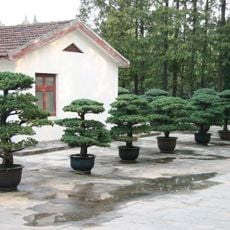
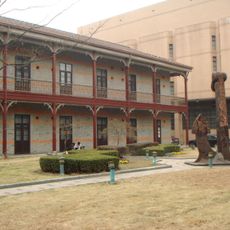
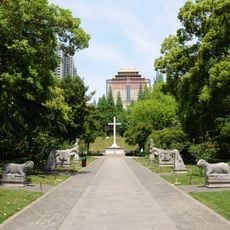
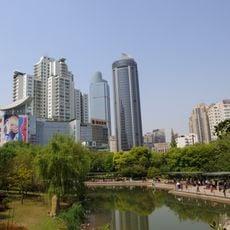
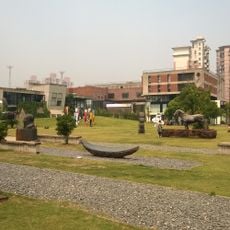
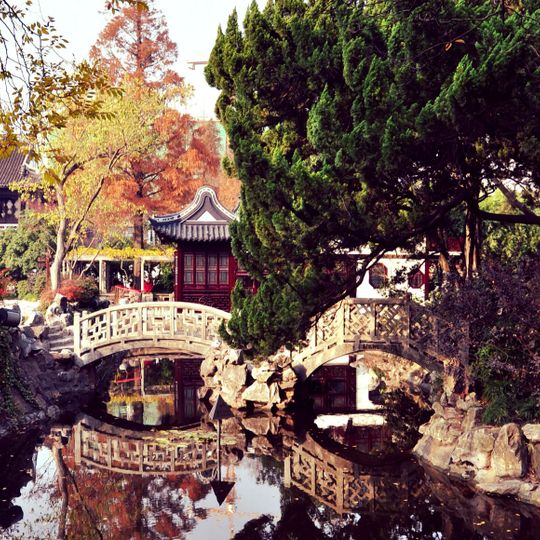
Guilin Park is an urban green space in Xuhui featuring lakes, grottos, curved pathways, and traditional Chinese pavilions distributed throughout the grounds. Thousands of osmanthus trees create a green framework and define the character of different sections within the park.
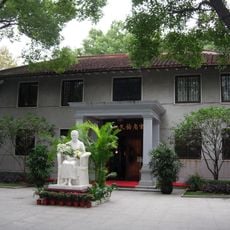
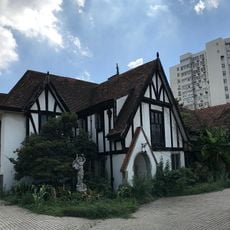
Built in 1929 as the private residence of Shanghai Green Gang elder Huang Jinrong, it was known as Huang Family Garden. In 1937 Japanese troops destroyed the Guandi temple, inner residence and Jingguan Cottage, and many trees were lost. After 1957 the Shanghai Garden Management Office restored the grounds, renaming them Guilin Park for the osmanthus trees; it opened to the public in 1958.
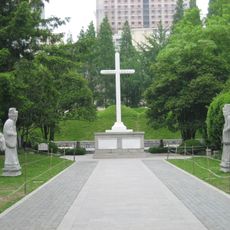
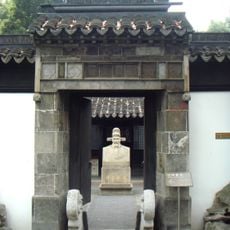
The park follows classical Chinese garden principles with gates, stone sculptures, and winding paths that create spaces for people to pause and observe their surroundings. You will notice locals using different corners throughout the day for socializing, playing traditional games, or exercising in groups.
The park is within walking distance of Guilin Metro Station served by two lines, making it easy to reach from various parts of the city. Multiple entrances and different sections allow visitors to choose their own pace and route through the space.
The park's name comes from the osmanthus trees planted throughout the grounds, not from the city of Guilin. It holds more than 1,000 osmanthus trees of 23 varieties, including golden, silver and four-season osmanthus. The name was adopted in 1958, when the former Huang family garden opened as a public park.
The community of curious travelers
AroundUs brings together thousands of curated places, local tips, and hidden gems, enriched daily by 93,103 contributors worldwide.