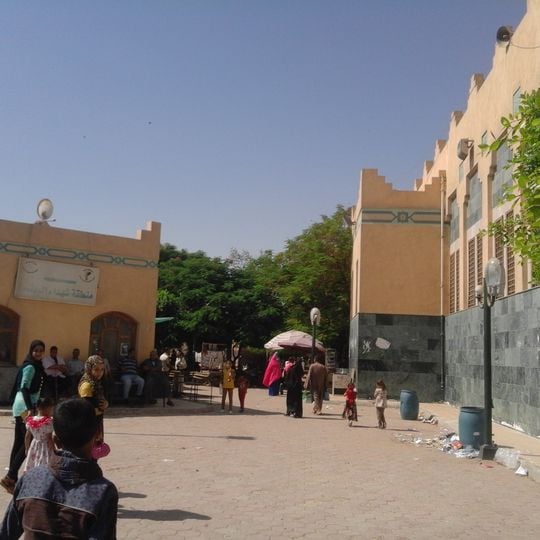
Oxyrhynchus, Archaeological site in El-Bahnasa, Egypt
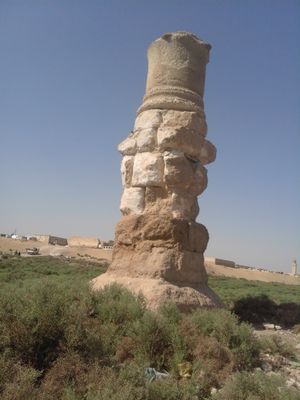
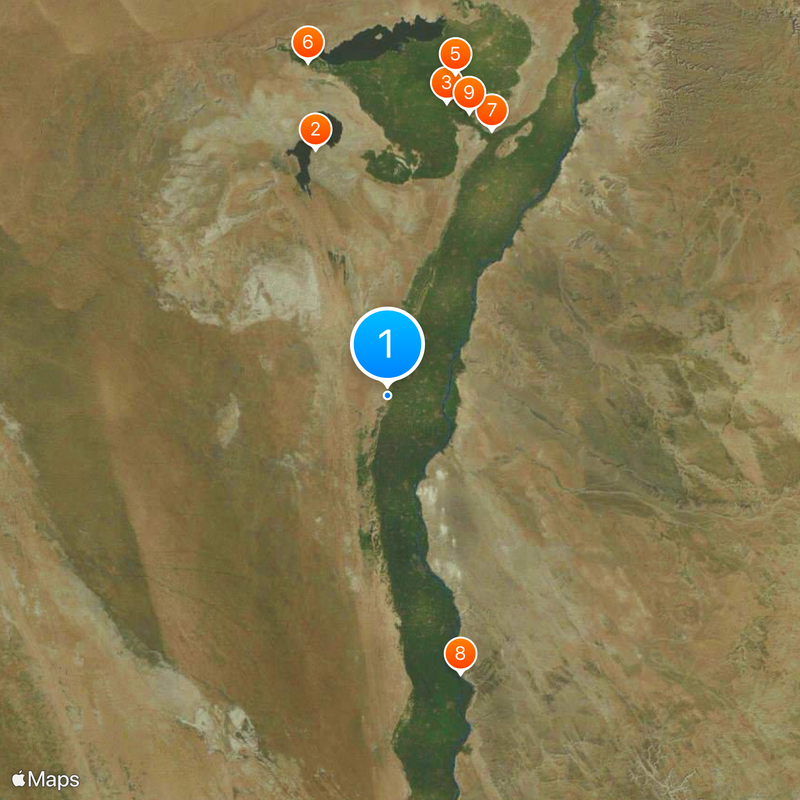
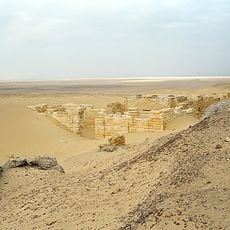
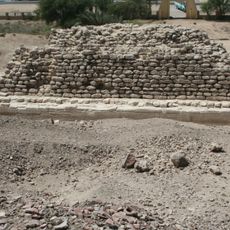
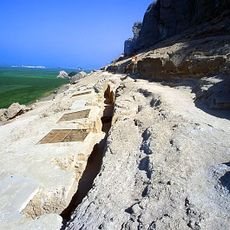
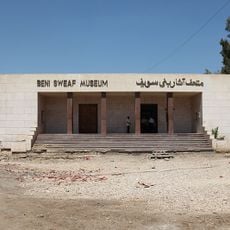
Oxyrhynchus is an ancient site along the Bahr-Yusef canal, about 160 kilometers (100 miles) southwest of Cairo. The excavation areas spread over several square kilometers and reveal remains of temples, tombs and administrative buildings from different eras.
French scholars during Napoleon's expedition in 1799 identified the ruins as a major ancient settlement. The city remained inhabited from Pharaonic Egypt through the early Islamic era and changed its function and importance several times.
The site takes its name from the sacred oxyrhynchus fish that inhabitants worshipped in dedicated temples and mummified after death. This religious practice continued for centuries and shaped daily life in the ancient city well into the Roman period.
Visitors usually reach the site by road from Cairo, a journey that takes several hours. The terrain is partly uneven and requires sturdy footwear, especially during summer months when early morning visits are more comfortable.
Archaeologists recovered more than 50,000 mummified fish from ancient burial sites here, evidence of the religious cult surrounding the creature. Tens of thousands of papyrus fragments also came to light, including literary texts and everyday documents from the Greco-Roman period.
The community of curious travelers
AroundUs brings together thousands of curated places, local tips, and hidden gems, enriched daily by 91,798 contributors worldwide.